









Climate adaptation: building with nature
Text Roel van Gils Beeld Vereniging van Waterbouwers
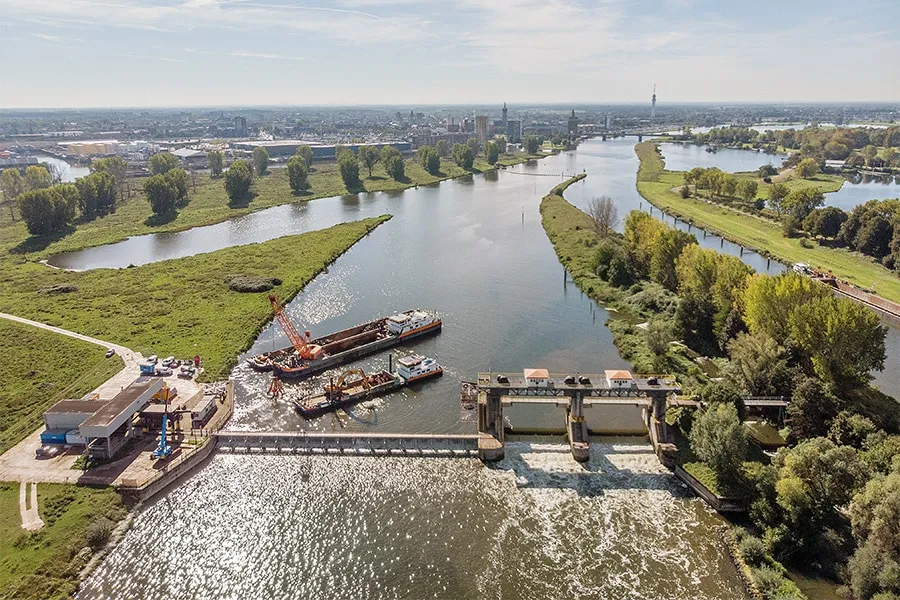
The hydraulic engineering sector is ideally placed to work on climate adaptation. It has always worked with the elements and knows how to deal with them. Many projects also make use of nature-based solutions, for example in coastal defence. The Sand Motor is a striking example. But there are lessons to be learned from the sector’s approach to climate adaptation in other areas too. We speak to Andrea Vollebregt, director of the Vereniging van Waterbouwers.
When you work with the elements, you never know exactly what to expect, Andrea begins. “In our sector, it is impossible to map out exactly how a project will unfold in advance. Adapting our work to the climate and nature is already part of our DNA. We also make extensive use of nature-based solutions, literally building with nature. The Sand Motor is one of the best-known examples, but the Marker Wadden is another, with nature being created to give other natural habitats room to grow and recover.”
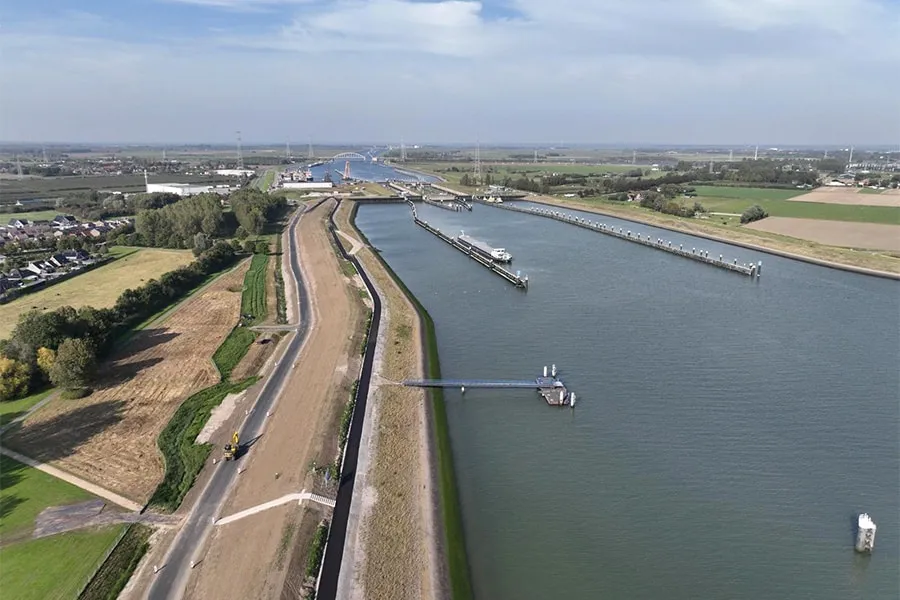
Building with water
Back in 2011, a 21.5 million cubic metre peninsula was created off the coast of Kijkduin, using the principle of building with nature. Wind and currents carry the sand along the coast and towards the dunes, strengthening the coastline over the long term and creating a dynamic natural and recreational area. “At the Sand Motor, we work with the water rather than against it. By depositing a large quantity of sand in one go, we avoid repeatedly disturbing the seabed. Nature moves the sand into the right place,” Andrea explains. In turn, the Marker Wadden are helping to restore nature in the Markermeer. The creation of nature islands using sand, clay and silt from the Markermeer is giving rise to new habitats, both above and below the water. It is a natural paradise for fish and birds, as well as a lovely recreational island.
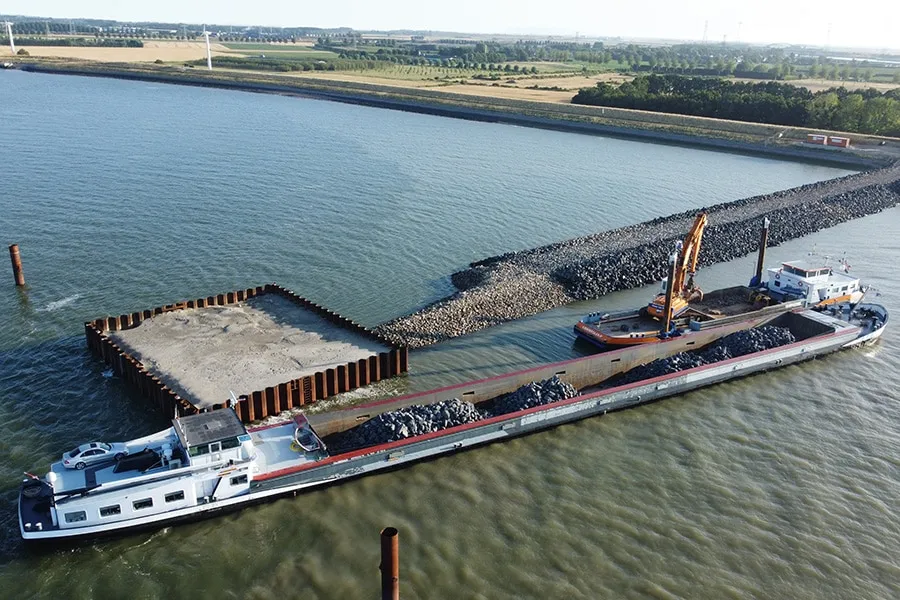
Holding water for longer
According to Andrea, climate adaptation means being able to respond flexibly to change. “That could mean more water over a given period, something we have experienced first-hand in recent months, or a period of extreme drought. In recent decades, the Netherlands has focused on draining water as quickly as possible. That approach is now slowly beginning to change. There is an increasing focus on retaining water for longer. This is not only to cope with dry periods, but also to secure freshwater supplies. It is an area in which the hydraulic engineering sector has considerable experience, for example by creating floodplains, digging secondary channels, building artificial storage areas where water can be held temporarily, or creating nature reserves that act like a sponge.”
Working together
Andrea says it is important for clients and the market to talk to one another and work together on solutions to the climate adaptation challenge. “On the one hand, the government has a policy responsibility to guarantee water safety; on the other, there is the reality of delivery. Day-to-day practice forces us to adapt, because changes and extremes are occurring in ever quicker succession. The system will need greater flexibility in how it captures, retains and drains water, so that it can cope with these changes and extremes. Clients, particularly the government, must create room in policy to address them effectively.” Andrea says alternative techniques must also be considered. “There is increasing experimentation with greener dike construction, combining traditional dikes and flood defences with nature development in floodplains and measures to improve water quality. It depends greatly on the type of dike and its surroundings, but this too is a transition, and we can only make progress by working together.”
One final part of the steps still to be taken on climate mitigation is accelerating the development of low-emission technology. “The hydraulic engineering sector is working very hard on this too,” says Andrea. “Here, the government and clients can also play a guiding role by setting functional briefs with a stretched goal, in a way that means all market parties must and can take action. Combine that with a sufficiently clear investment outlook and suitable bunkering and/or charging infrastructure, and the drive to make the sector more sustainable will build naturally and accelerate. We still have a way to go, as large floating equipment in particular is not yet available with zero emissions, but more and more is becoming possible. Other floating and land-based equipment is already making major strides. In that respect, the transition pathway for coastal maintenance and navigation channel maintenance provides a valuable guide to making the sector more sustainable. It is driving this transition, setting out realistic steps towards reducing emissions.”
Question about this story? Ask your question
Keep following this
Get an email when a new story is published. No account needed.
- SubjectWater infrastructure







