









Building the future of the water construction sector
Text Roel van Gils Beeld Vereniging van Waterbouwers
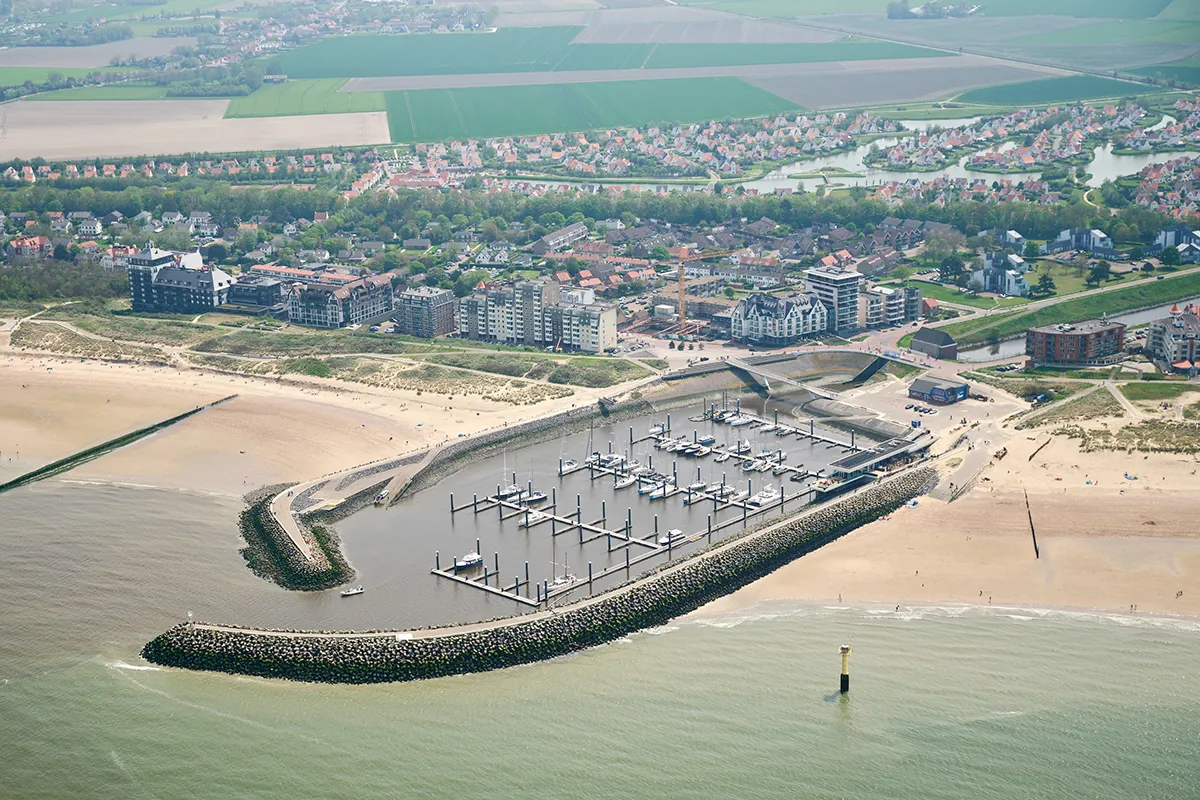
People, making choices and pushing boundaries
According to Andrea Vollebregt, director of Vereniging van Waterbouwers, the future of the Dutch water construction sector rests on three pillars: sufficient funding, the courage to make choices and, above all, the right people. The challenges facing the Netherlands are becoming increasingly diverse.
The need for well-trained staff is one of the sector’s biggest challenges, Vollebregt begins. “The water construction sector is not unique in this respect, but the falling number of students in maritime and civil engineering courses is a cause for concern. This is happening just as the Netherlands faces a huge amount of work in water construction and infrastructure. Simply replacing, maintaining and renewing existing infrastructure is a massive undertaking. Bridges, locks, dikes: much of what we have is nearing the end of its service life. This fundamental task requires people, funding and expertise. Fortunately, the expertise is there, but labour capacity is under pressure.”
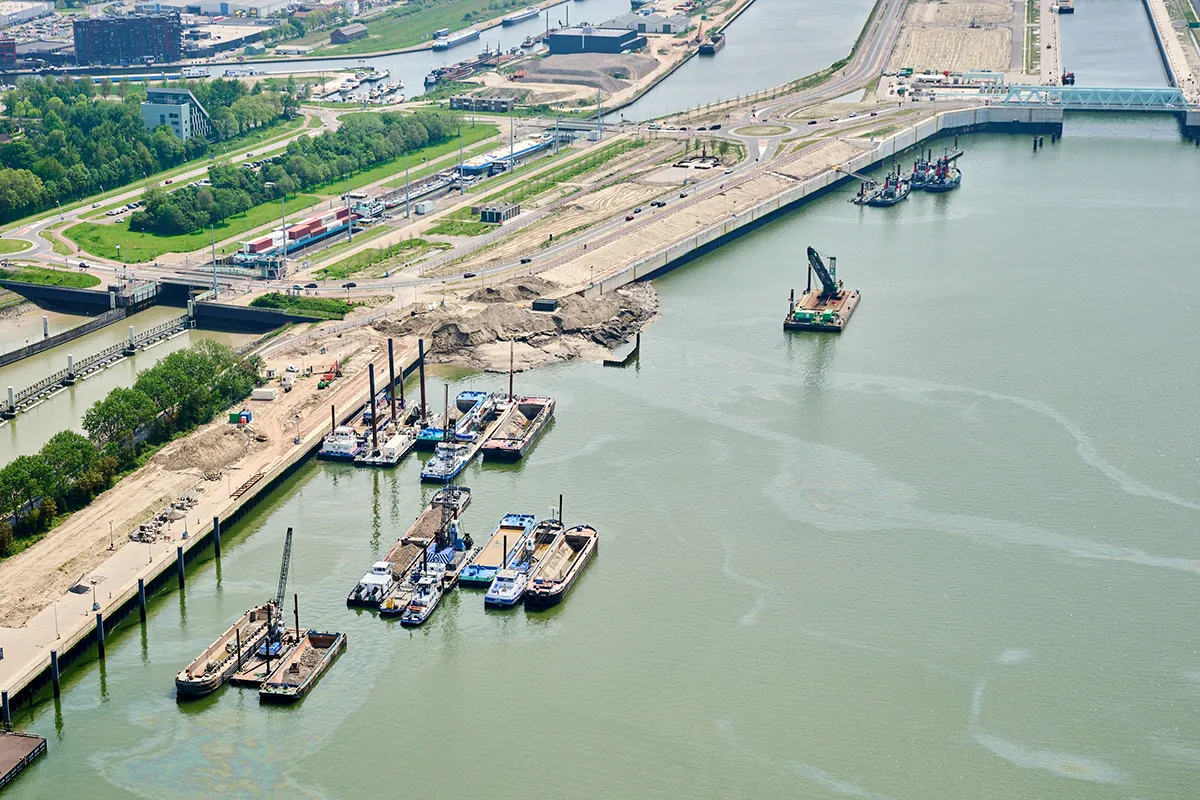
Start now
On top of this comes the rapidly changing climate, she continues. “Periods of drought are getting longer, downpours more intense and river flows more variable. Saltwater intrusion is also increasing as a result of sea-level rise and lower river flows. The Netherlands must therefore focus not only on mitigation, but above all on adaptation. As water construction specialists, we say: start now. Prepare for what is coming and, in part, already happening. By making choices now about how we shape our country, we can avoid having no choice later and being left to catch up.”
Major choices
The Delta Works are also reaching the point where large-scale maintenance and adaptation are needed. “The Delta Programme looks 100 years ahead, but the need to make choices is becoming increasingly clear. How should we manage the discharge of major rivers? Should we drain water to the sea as quickly as possible, or retain it for longer given the growing importance of freshwater? The current layout of the landscape does not yet adequately address this. We need to make bold choices,” says Vollebregt.
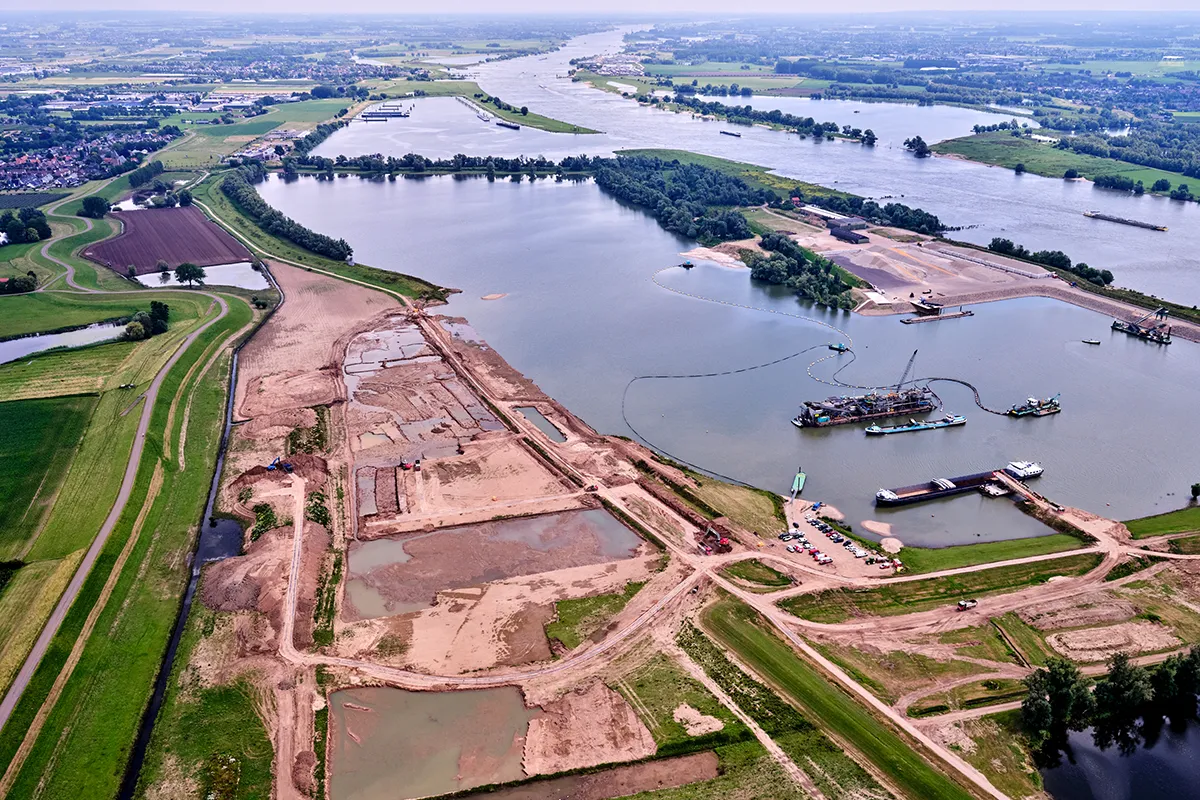
Limits
According to Vollebregt, sea-level rise scenarios show that dikes may need to be tens of metres wider in some places. “A great deal is technically possible, but there are spatial and societal limits. Our sector has a wealth of practical and technical expertise to contribute to these major trade-offs. The longer we wait, the more challenges will pile up: from renovating existing infrastructure to climate adaptation and new frameworks for flood protection and water management. Funding for all these tasks is also limited, so wherever possible we need to combine them intelligently.”
The right people
Although expertise and capacity for innovation are in good supply, labour capacity is a concern for both clients and contractors. “That is why the association maintains close contact with schools and educational institutions, from vocational colleges to universities, to raise awareness of all aspects of water construction and ensure that curricula are as closely aligned with practice as possible. We also have a collaboration agreement with TU Delft, under which we support a chair in coastal and riverbank engineering. Innovative climate-adaptation solutions for inland waters are also being developed, and will be tested in practice at TU Delft. Together with the O&O-fonds Waterbouw, we provide information at schools, and in 2026 a recruitment campaign will be launched to encourage young people to enter the profession. Finally, we support lifelong learning through our own training programme for member companies.”
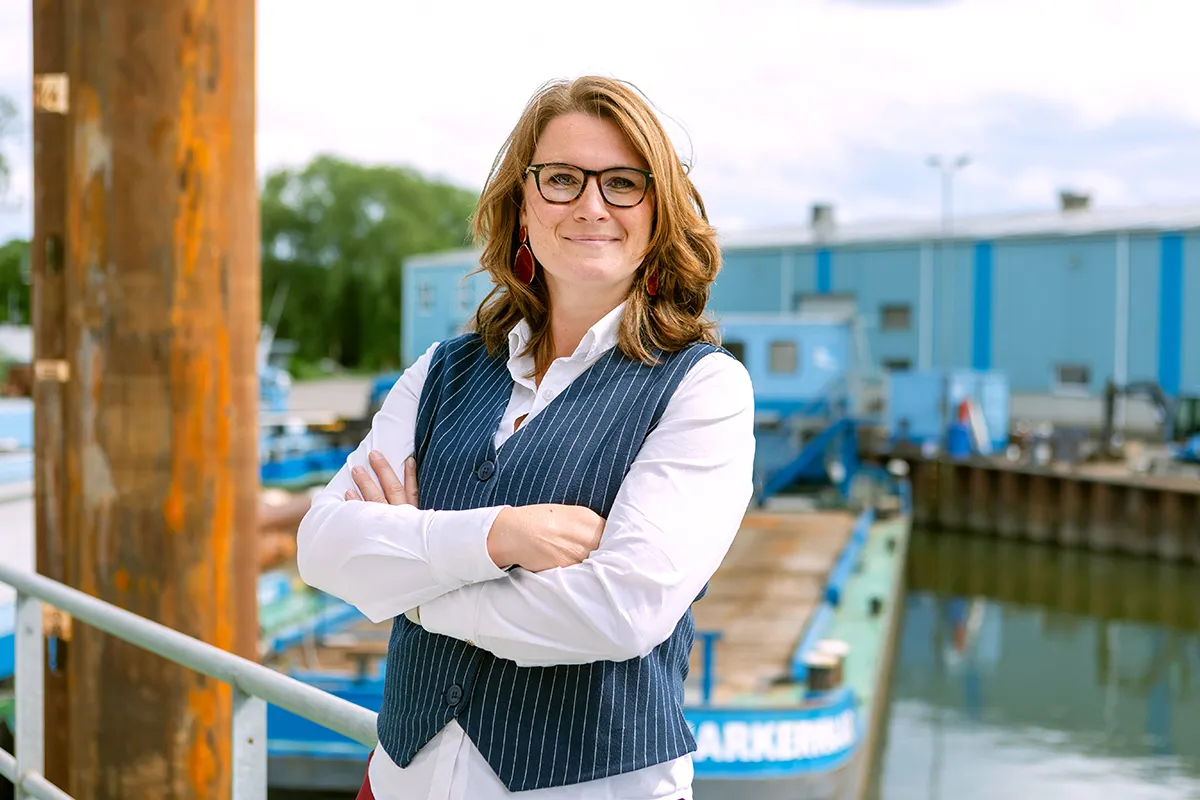
A sector of national importance
Our members represent the full breadth of Dutch water construction: from major dredging companies to dike builders, from port development to building with nature, as well as all the service companies around them, says Vollebregt enthusiastically. “Working closely with public-sector organisations such as IenW, Rijkswaterstaat, port companies and water boards, we are helping to deliver major national projects efficiently. The Ministry of Economic Affairs’ new industrial policy recognises water construction as a growth market. And rightly so: our sector is essential to keeping the Netherlands a ‘triple A’ country. We hope to see this reflected more prominently in the government’s industrial policy. Our work provides the essential conditions that keep this country dry, safe and liveable.”
Question about this story? Ask your question
Keep following this
Get an email when a new story is published. No account needed.
- SubjectWater infrastructure







