









Towards circular road surfacing
Text Roel van Gils Image Rijkswaterstaat
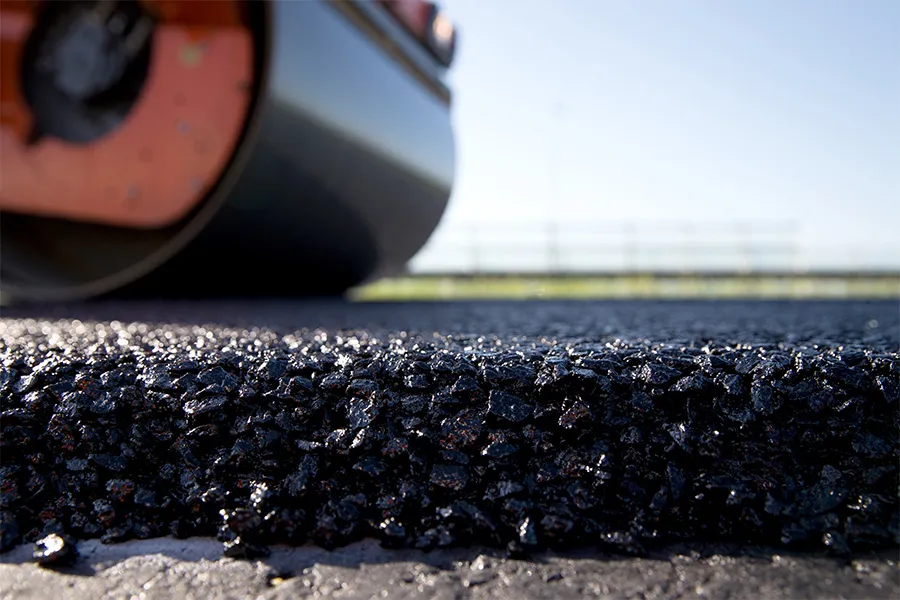
The road construction sector is innovating at pace to become more sustainable. There is considerable scope to reduce CO2 emissions. The ambition of the Ministry of Infrastructure and Water Management and Rijkswaterstaat is to work in a climate-neutral and circular way by 2030. By steadily raising the bar and offering a long-term perspective, the market is being encouraged to become more sustainable.
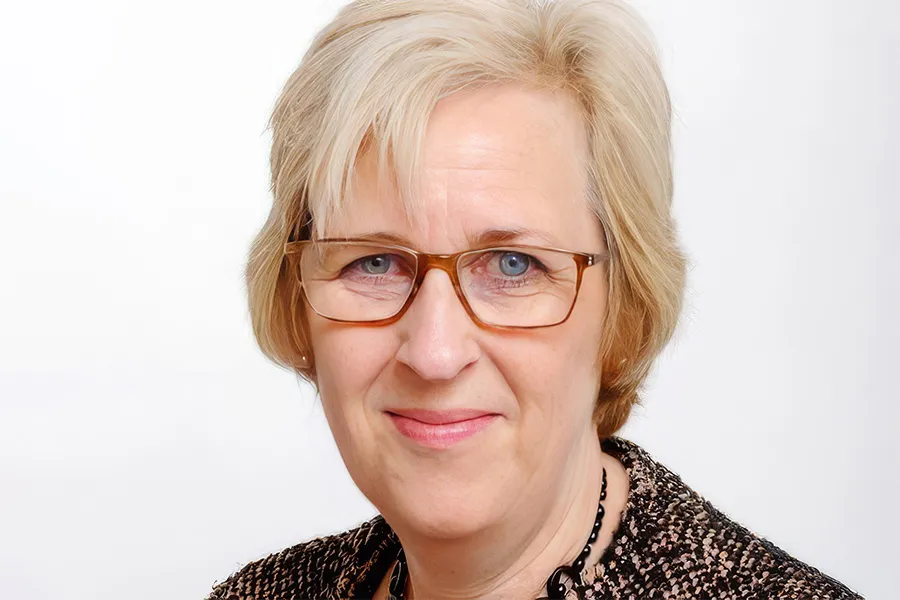
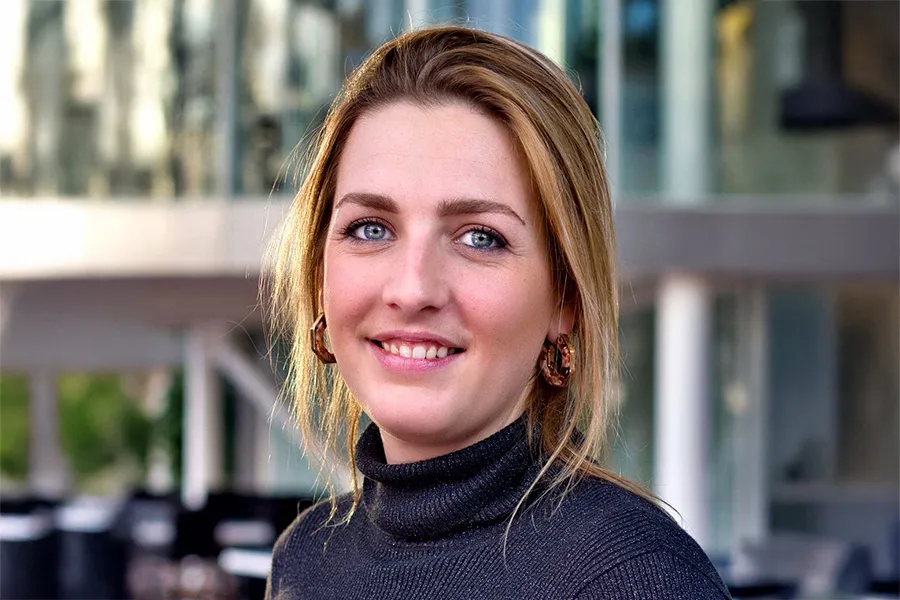
Making road construction more sustainable is a key priority for Rijkswaterstaat, says Marlouke Durville, Chief Engineer-Director (HID) of Rijkswaterstaat Water, Traffic and Environment. “We know that there is a great deal to gain in this area in terms of CO2 emissions, particularly through the materials we use.” Frederieke Knopperts, Sustainable Infrastructure Programme Manager at Rijkswaterstaat, adds: “Our strategy for climate-neutral and circular infrastructure has identified four areas of work with the greatest climate impact. We call these transition pathways. The sustainable road surfacing transition pathway is one of them. We are also focusing on making structures, road, dike and rail equipment, and coastline and navigation channel maintenance more sustainable.”
Interim targets
The transition pathways are a way of showing the market what the route to climate-neutral and circular infrastructure looks like for these areas, says Durville. “Consistency and predictability are important to the market, so that companies can also recoup their investments in innovation. Ultimately, the aim is to use far fewer primary raw materials, and to reuse more and work more circularly. We also recognise that the targets set are very ambitious, and that the ambition of achieving full circularity by 2030 is not feasible. That is why this year we set a number of interim targets that are demanding but realistic. These include specifying how sustainable an asphalt mix must be in a given year.”
Rejuvenating treatment
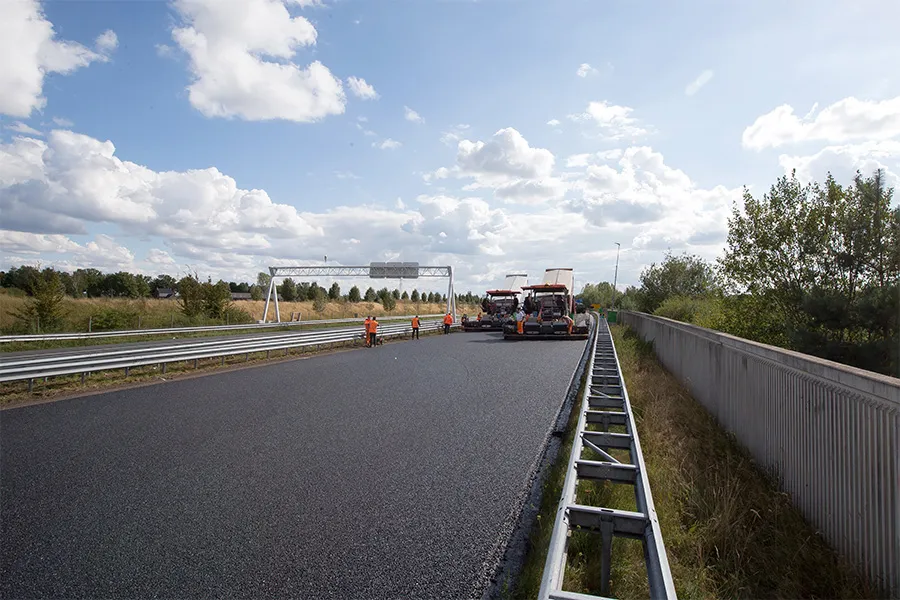
The sector has invested heavily in circular mixes in recent years. “The proportion of material reused is already quite high, at 60-70 per cent for base and binder courses,” says Knopperts. “The challenge now is to increase the proportion of reused material in surface courses as well. Careful milling is important to achieve this. Another challenge is to extend the service life of asphalt significantly. The longer it lasts, the less often we need to carry out maintenance or replace it, which is better for the environment. Last year, we decided to make rejuvenating treatment standard practice. It slows the deterioration of asphalt and extends its service life by at least three years. Another priority is to accelerate the decarbonisation of asphalt production, moving from gas to electricity or another sustainable energy source. Many plants need to be refurbished or newly built. We are making agreements on this in collaboration with the Ministry of Climate Policy and Green Growth, which has a view of the future energy landscape. Finally, in time we must move from fossil-based to sustainable bitumen, bio-based materials or another material.”
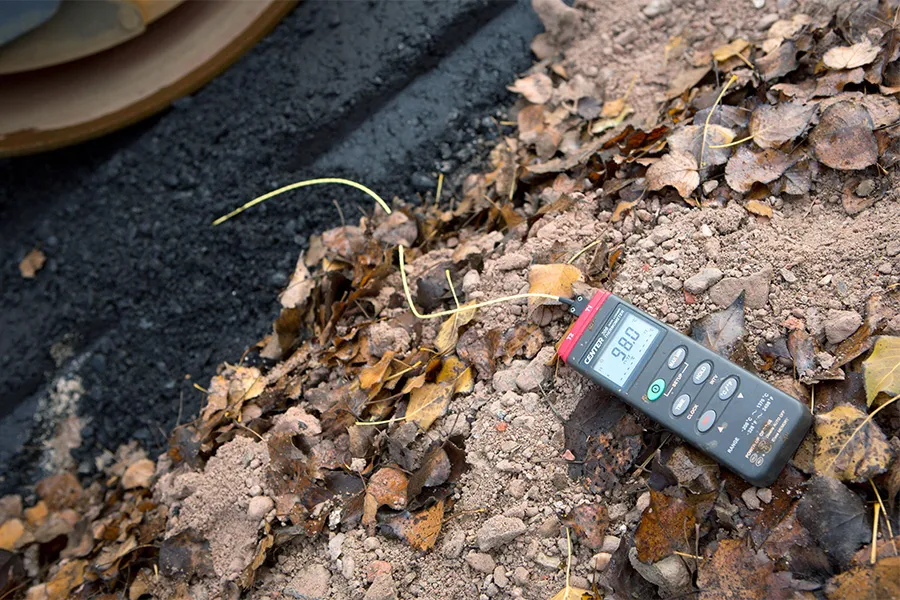
A58 innovation test section
According to Durville, extending the service life of asphalt is not only attractive from a sustainability perspective. “The sector is also facing labour shortages. If road surfacing needs replacing less often, that gives the sector some breathing space. The two go hand in hand.” Rijkswaterstaat also gives the market and raw material suppliers the opportunity to test innovations and new variants in practice, at a pre-competitive stage, as on the A58 innovation test section. “We recognise that it often still takes a long time for an innovation to make its way into a project,” says Durville. “A key focus for us is ensuring that sustainable innovations are properly taken up internally. Presenting an innovation is one thing, but it then has to go through various verification and validation processes. This used to be quite a struggle, but we are working to speed things up.”
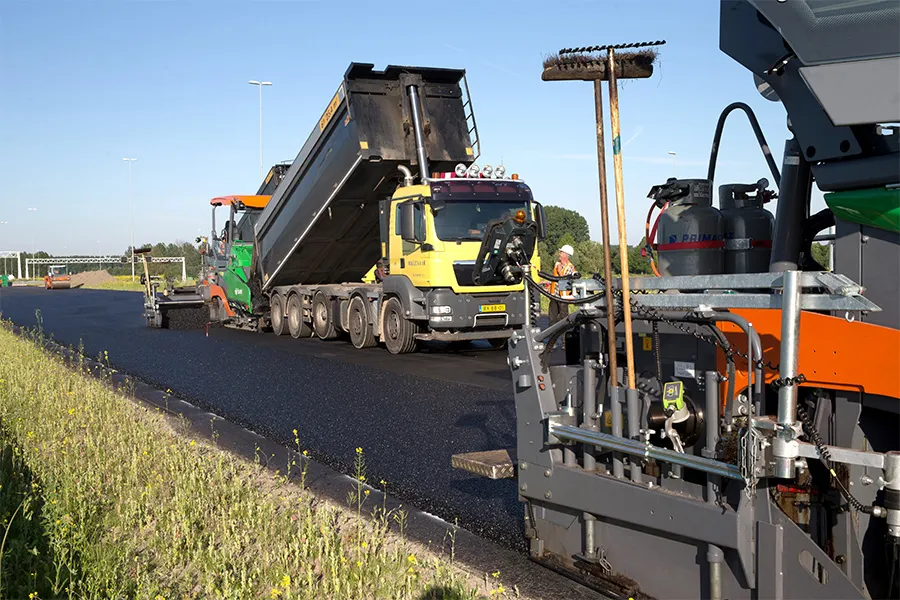
Accelerating innovation
Knopperts says: “Many parties are working on innovations in asphalt mixes. Every innovation has to be submitted to our validation process separately. We are now seeing a backlog of innovations. The government and market parties have decided to take a smarter approach. We are therefore considering group validation, encouraging companies working on similar innovations to collaborate more closely.” Durville also emphasises the importance of collaboration: “At Rijkswaterstaat, we take responsibility on behalf of the Ministry of Infrastructure and Water Management for making the sector more sustainable, but we cannot do it alone. We need the market to play a major role. We are working to inspire and encourage them.”
Leading pack approach
Not all market parties have the same opportunities to become more sustainable. “The frontrunners would like us to set the bar very high in contracts,” says Durville. “At the same time, we do not want to lose companies, because ultimately we benefit when everyone in the sector makes progress on CO2 reduction and sustainability. That is why we raise the bar a little at a time, continuing to encourage frontrunners while enabling others to keep up. Businesses cannot do everything at once. But by offering them a long-term perspective, we make it worthwhile to take steps forward.”
National Platform for Sustainable Road Surfacing
Rijkswaterstaat recognises that the sustainability challenge requires broader support. “The National Platform for Sustainable Road Surfacing aims to embed all the changes across the sector. There are frontrunners in provinces and municipalities too. Market parties appreciate everyone thinking in the same direction, with requirements and guidelines defined consistently. Above all, they want the transition to happen at the same pace. That gives businesses clarity, which is essential if the sector is to make real progress and ultimately achieve circular road infrastructure.”
Question about this story? Ask your question
Keep following this
Get an email when a new story is published. No account needed.
- ThemeLower emissions and more reuse
- SubjectSpecials







