









The key principle for facilitating heavy equipment transactions and building customer loyalty
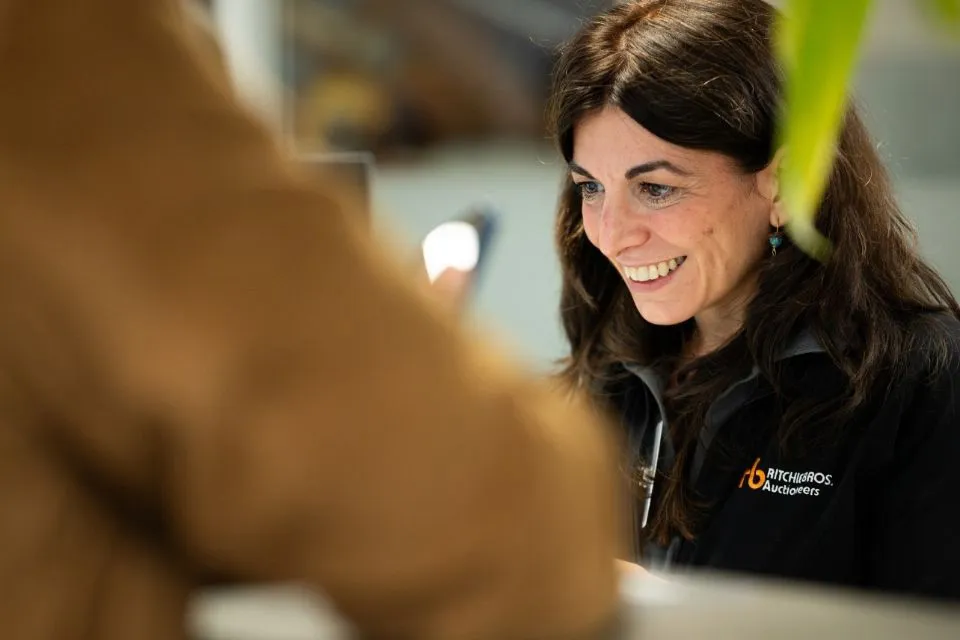
Behind every machine sale lies a chain reaction of people, decisions and interactions that strengthen trust, or quietly undermine it. At Ritchie Bros., one of the world’s largest marketplaces for heavy equipment, customer loyalty is built step by step, from the first enquiry to the final purchase. That loyalty only lasts if every link in the chain does its job.
When companies talk about ‘customer experience’, it is often presented as a marketing promise or a sales moment. But for businesses trading high-value items, often across borders, the reality is both more complex and more fragile.
“Customer experience is not the responsibility of one team,” says Shane Eshuis, who leads the Operations team at Ritchie Bros. International. “It is the responsibility of everyone who comes into contact with the customer, at every stage of the journey. One misstep can undo ten good steps.”
Over the past 50-plus years, Ritchie Bros. has grown from a platform for live auctions into a global digital marketplace connecting countless buyers and sellers across continents. Yet the principle remains the same: trust is built through consistency. In the past year alone, the company managed the sale of more than 100,000 lots in the international region (EMEA and APAC), representing successful machine sales and purchases across borders and time zones. The process involves inspections, pricing, documentation, logistics, compliance, payment and delivery. No single step determines the experience on its own. Together, they do.

Why the entire journey matters
Eshuis often explains this idea with a simple comparison. “Imagine going to a fancy restaurant where the food is excellent and the wine is perfect, but then you have to wait 15 minutes for the bill, and when it finally arrives, there’s a mistake on it. The whole experience is ruined. You don’t remember the food. You only remember how it ended.”
The same is true of trading in heavy construction, agricultural and transport machinery. A smooth sales process can be undone by a delayed document, a missed call or an unclear delivery update. The experience is not the sole domain of Operations, Sales or Support. It is shaped by how those teams work together.
“Marketing sets expectations. Sales builds the relationship by acting as a trusted adviser. Support underpins the customer experience behind the scenes, and Operations makes sure everything actually happens,” Eshuis adds. “If one link in that chain breaks, the customer notices immediately.”
Built on trust, driven by people
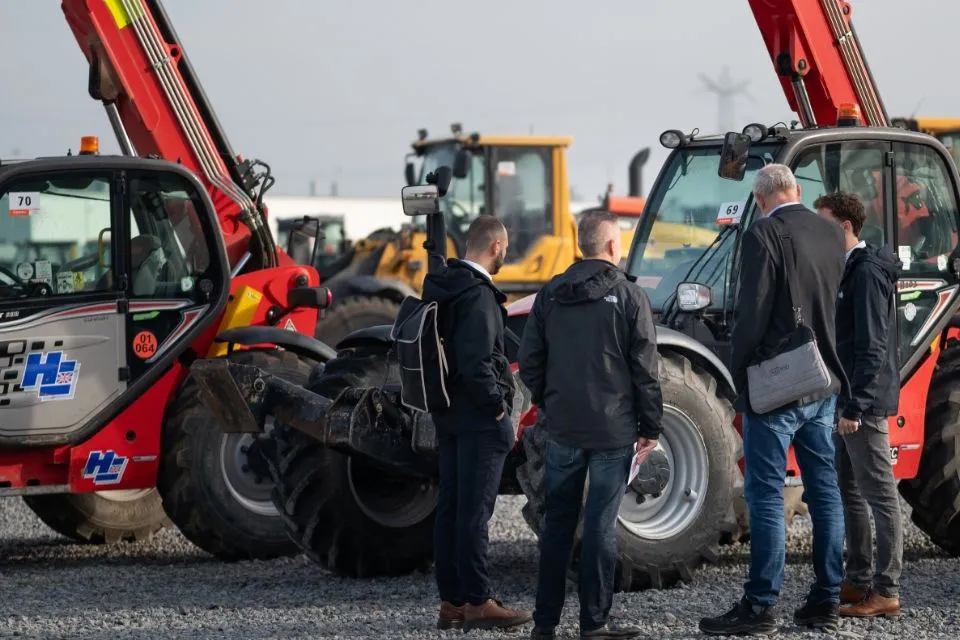
From first contact to final delivery, customers deal with several departments across the organisation: account managers, inspectors, transport partners, yard teams, documentation specialists, the finance department and customer service. Each plays a part in the same story.
“A construction business owner shouldn’t have to worry about the processes and requirements for moving equipment within their own country,” Eshuis explains. “They should be able to focus on their business. It’s our job to make sure the process meets local requirements and runs smoothly.”
That proactive mindset is essential for a company operating across jurisdictions and cultures with widely differing legal requirements. Registering a vehicle in the United Kingdom may take only a few minutes; in Spain, selling a single agricultural tractor can require more than a dozen separate documents. Yet from the customer’s perspective, the expectation is simple: take that complexity off their hands so they can focus on their business.
Systems and processes matter, but they only work if people apply them carefully. Eshuis has based his leadership style on both emotional intelligence and operational discipline. “I like to hire people from hospitality, guest services and other customer-facing sectors,” he says. “They know how to deal with people who are busy, stressed or under pressure, while still making them feel well looked after. I also value people who have worked on farms or in family businesses, people who are genuinely proud of what they do and won’t rest until the customer is satisfied. My role is to empower teams to make decisions, while also holding them accountable for their actions. We celebrate successes and learn from mistakes together.”
That philosophy has helped create stability within the teams. Many of his senior colleagues have worked with him for more than 10 years, providing continuity that customers notice too.
Consistency across borders
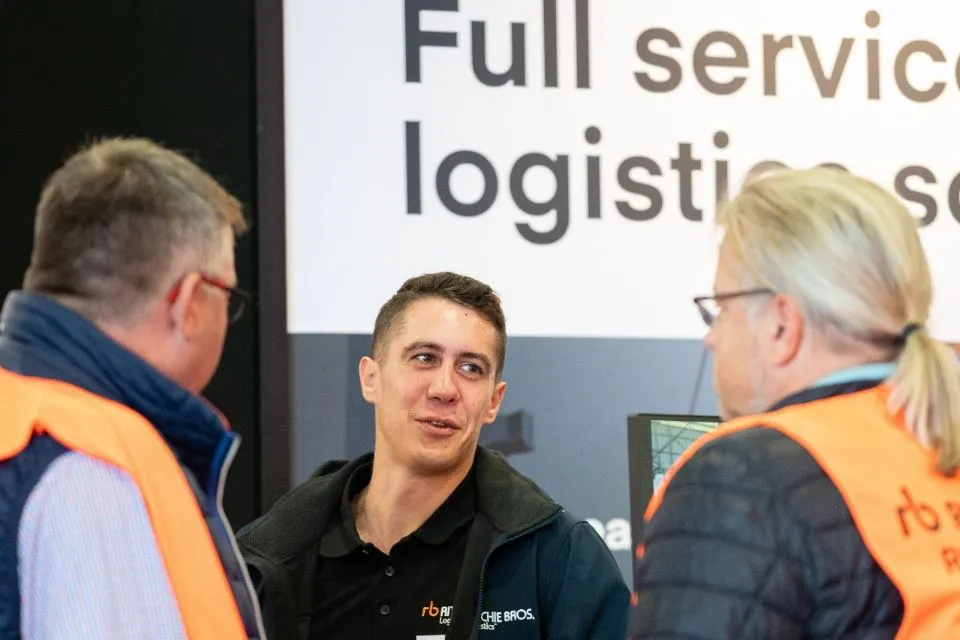
Providing a consistent experience across all our global locations is no small feat. Machines are transported between continents. Auctions take place across different time zones. Compliance requirements vary from country to country. Yet the goal remains the same: a customer buying in Moerdijk, Dubai or Ocaña should experience the same confidence and clarity at every step. That consistency is achieved through long-standing partnerships, shared standards and a clear understanding that everyone contributes to the same outcome.
Loyalty is a process, not a snapshot
In a world where technology can be copied and platforms replicated, one thing cannot easily be reproduced: a culture in which every team sees itself as part of the customer journey. Every brand makes promises. The brands that earn loyalty are those that keep them, not once, but every time.
“The last interaction is just as important as the first,” says Eshuis. “From the first phone call to the final invoice, every step shows the customer who you are.”
At Ritchie Bros., the customer experience is not defined by a single moment. It is built through hundreds of small moments, and held together by everyone’s understanding that every step counts.
A business enquiry for Ritchie Bros.? Get in touch
Companies in this story
Keep following this
Get an email when a new story is published. No account needed.
- ThemeConstruction equipment and transport in motion
- SubjectSpecials
- CompanyRitchie Bros.







