









Sustainability in civil engineering
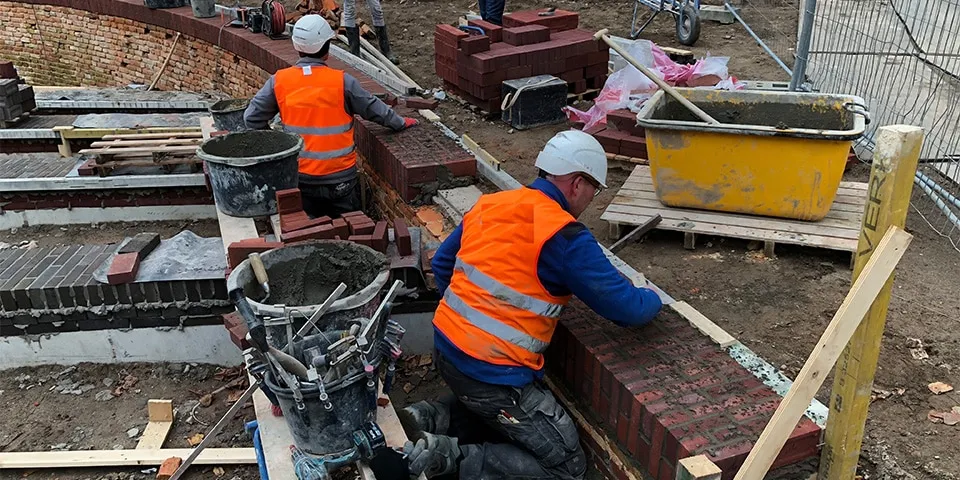
When we look at sustainability in civil engineering, it is striking that it has actually been part of everyday practice for a very long time. Take street pavers, or, as they are known today, the people who build our infrastructure: they have been working sustainably for centuries. Clay paving materials are lifted and relaid. We have always taken this for granted, and it is remarkable that we have not recognised this until now. Suddenly, we are sustainable. This shows just how significant the word has become, with repercussions across every aspect of our daily work in civil engineering.
“How old can be new again”
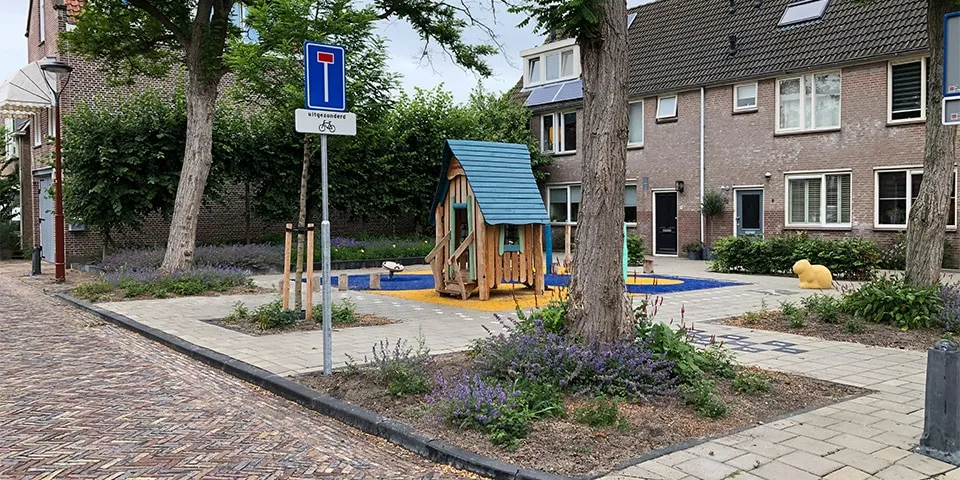
Reconstruction for the climate and sustainability project “Emmakwartier Alkmaar”. (2019)
This meaning is shaped and given substance by processes in our day-to-day surroundings, as well as by regulation and politics. Some see this as a mechanism for imposing obligations, but in fact it is perfectly normal. You could say that new developments are helping us give sustainability the substance we want to see in our sector and our country.
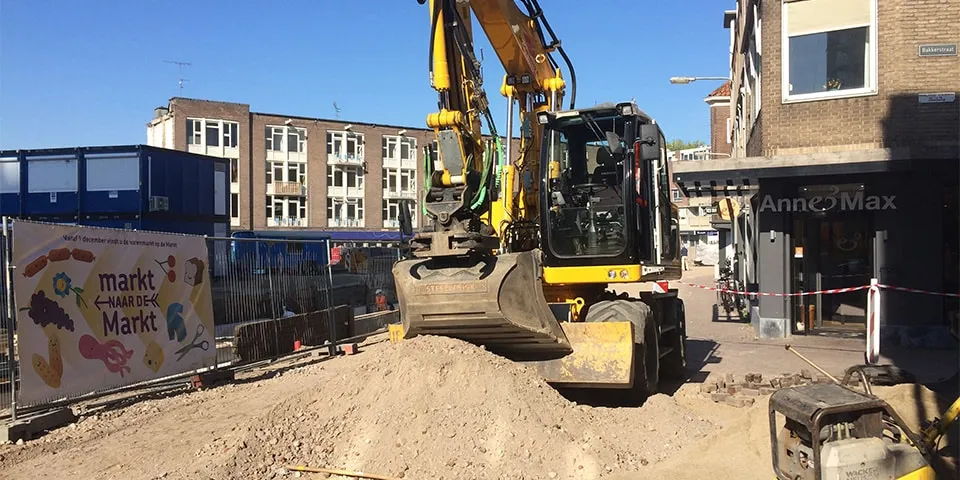
Groundworks for the climate project “Restoring the Jansbeek to Arnhem city centre”. (2018)
Experiencing sustainability in our own way
People in the Netherlands, and therefore in Europe, experience sustainability in their own way. If you zoom in on a residential neighbourhood and ask yourself how sustainable its reconstruction really is, it is worth asking the residents. Ask them how they see and experience it. I have previously had the opportunity to write an article in this magazine about Emmakwartier in Alkmaar. The residents there increasingly embraced the sustainable elements of the reconstruction and were able to explain precisely how they saw this sustainability. For themselves, for their children and for the future of the neighbourhood. That is also where the comment came from about making something new out of something old. Sustainability in practice, quite literally. In short, sustainability can be understood as a combination of materials and human thinking. It is absolutely a natural process, as I sometimes say: whatever you throw up into the air always comes back down, in other words, everything you do eventually comes back around. Circular thinking and action are therefore second nature.
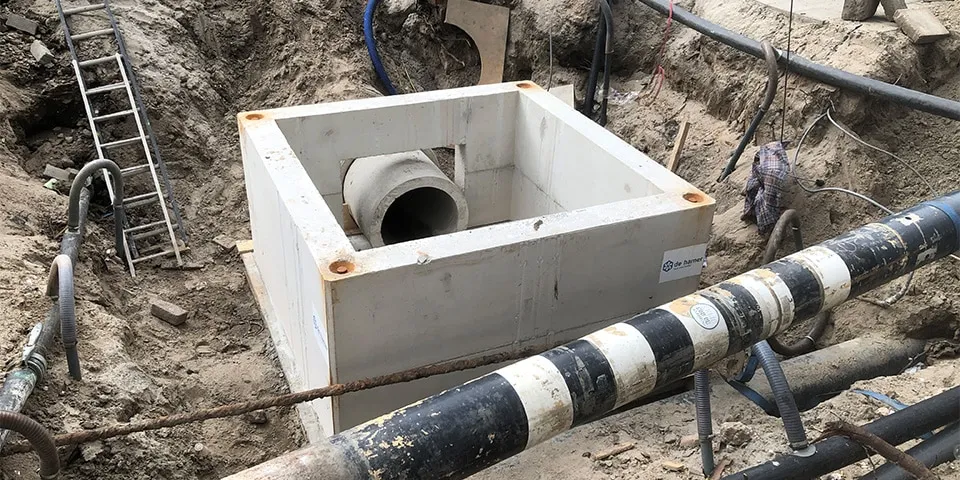
Sewer works on “Stadhuislaan Rotterdam”. (2019)
What does this mean for the future?
In civil engineering, this is clearly illustrated by machinery. A few years ago, people could not imagine that a large excavator could be electric. We are not scrapping those old machines, no, we are converting them. Now they are here, and the next step is to use them and ask for them, or include them as a requirement in your specification. That takes courage, because I have already come across the first doom-mongers. “Yes, it runs for two hours, and then I suppose I have to recharge it with a hefty diesel generator,” they say. I am sure that in the coming years we will still have to contend with people held back by the advantages of the status quo, but it is just like the electric car: once you get going, it takes off.
This is all sustainable construction, too, and the civil engineering sector is very much in motion in this area. We face major challenges, but also threats, such as PFAS pollution and CO2 emissions. We are learning more all the time, sharing our knowledge much more effectively and helping each other benefit from it. In this magazine, you can read a great deal about knowledge and experience and apply it in your daily practice. That will be the real gain from sustainability for ‘people, planet and profit’. Sustainable working is normal; it is just time we all recognised that!
Question about this story? Ask your question
Keep following this
Get an email when a new story is published. No account needed.
- ThemeLower emissions and more reuse
- SubjectSpecials







