Why a baseline survey is essential
And how to embed it in the workflow
We cannot overstate the importance of a building condition baseline survey. This precise 3D survey of the positions, surfaces and spaces on a construction site ensures that a project’s setting-out assumptions are correct. It helps prevent rework and changes during construction, reducing the associated costs of errors. It is no coincidence that major names in property, construction, engineering and infrastructure have made baseline surveys an integral part of their workflow. In this article, we take a closer look at baseline surveys in Heijmans’ construction practice and introduce a practical white paper they helped produce.
Accuracy at the outset, evidence afterwards
Heijmans has fully integrated baseline surveys into its workflow. “For civil engineering maintenance projects, the baseline survey starts during the tender phase. For most projects, it only takes place after the contract has been awarded,” says Pieter van Dueren den Hollander, project manager at Heijmans. “But always before the design phase begins, so that we can define the correct assumptions in advance, tackle challenges in good time and adjust the design where necessary.” Van Dueren den Hollander believes it is better to spend an extra two weeks on the design than to encounter all kinds of surprises during construction. “We also use the baseline survey and interim surveys to provide evidence afterwards, so we can always show what the situation was before we started work.”
Baseline surveys in practice: Zuidas project
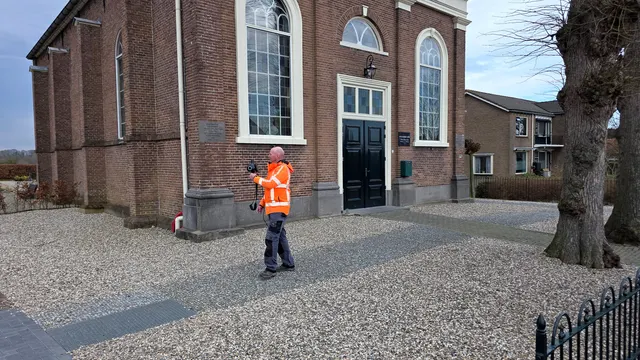
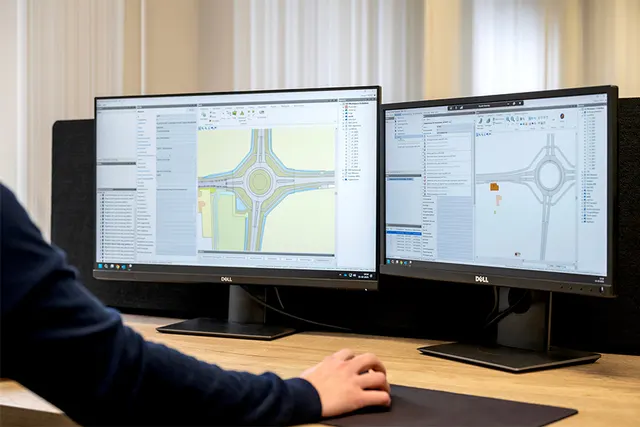
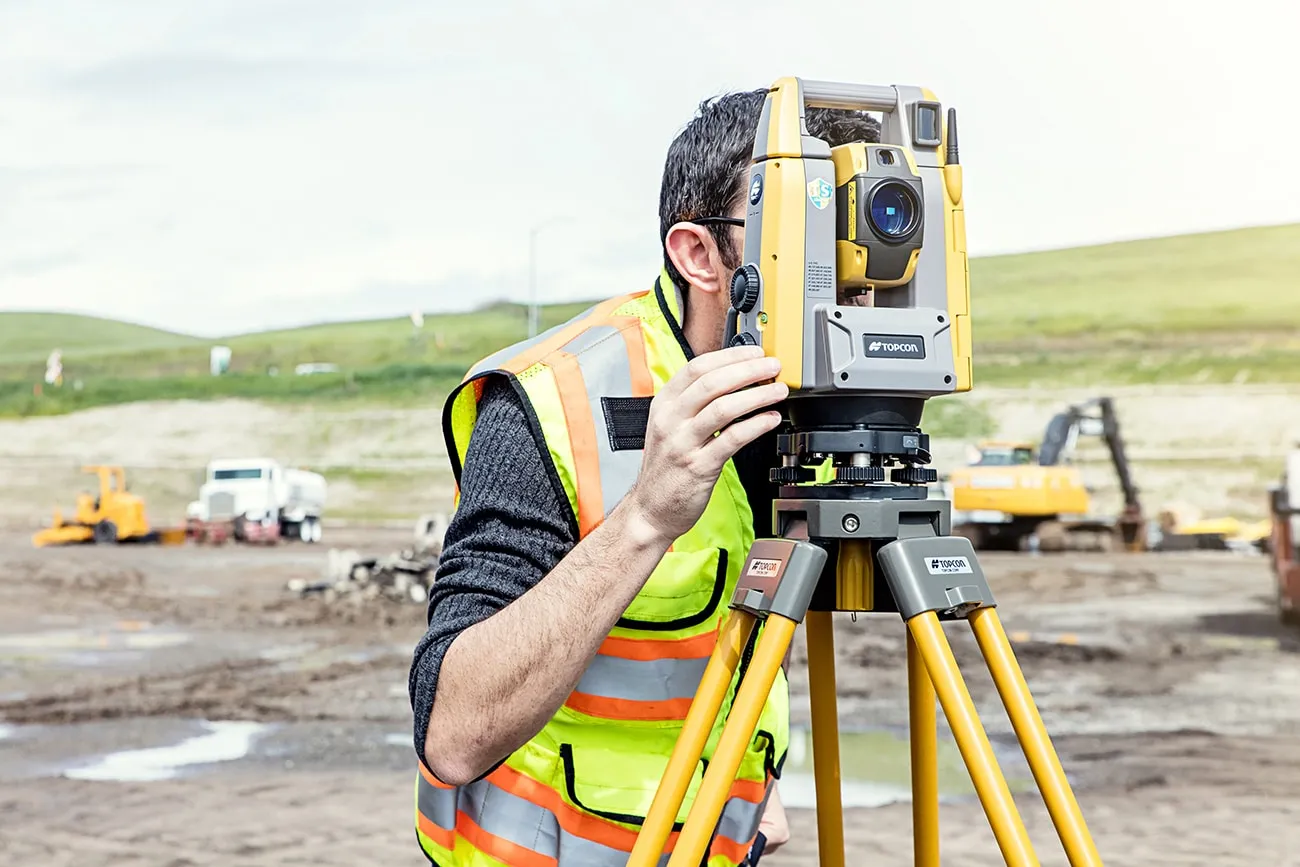
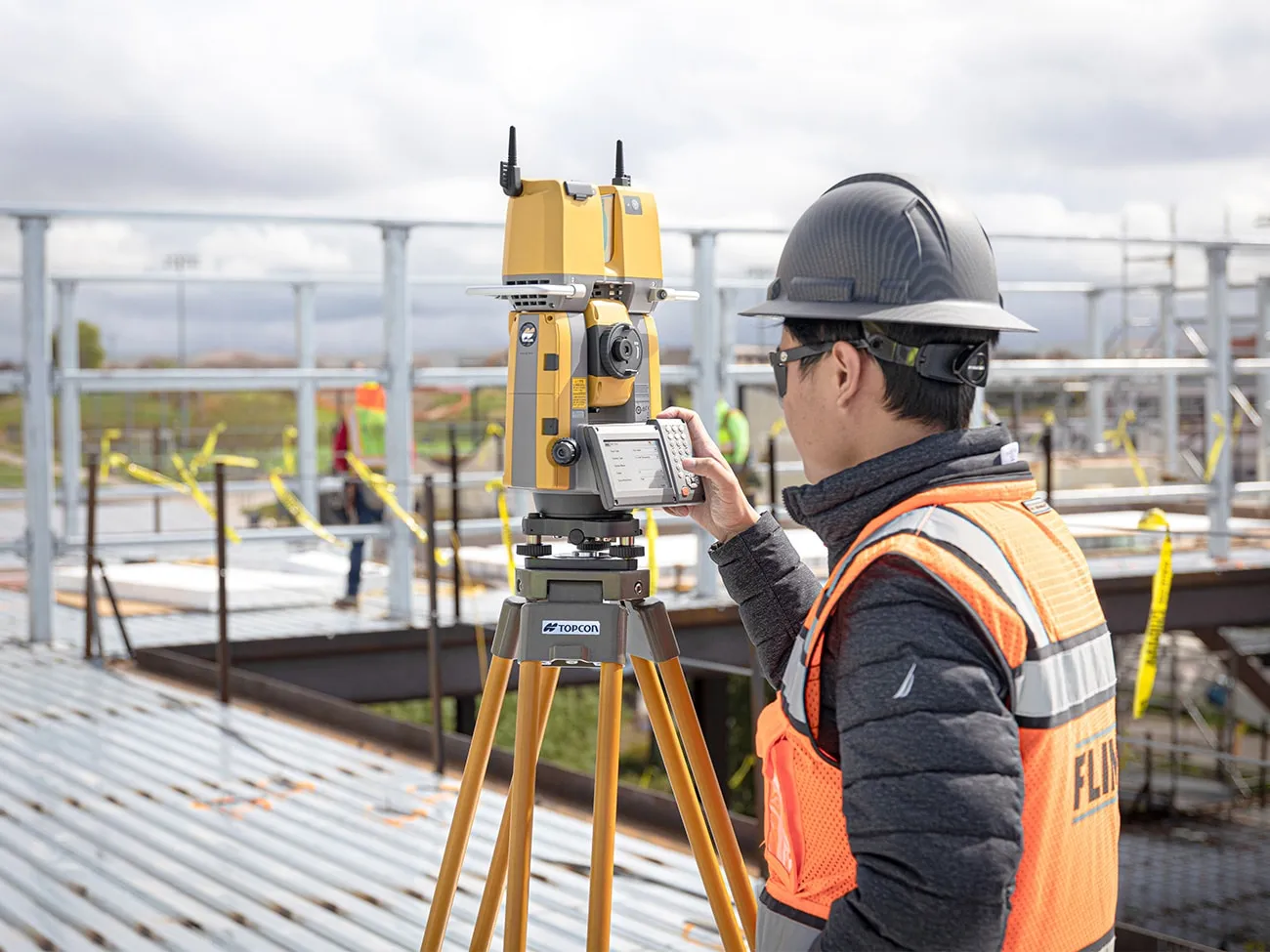
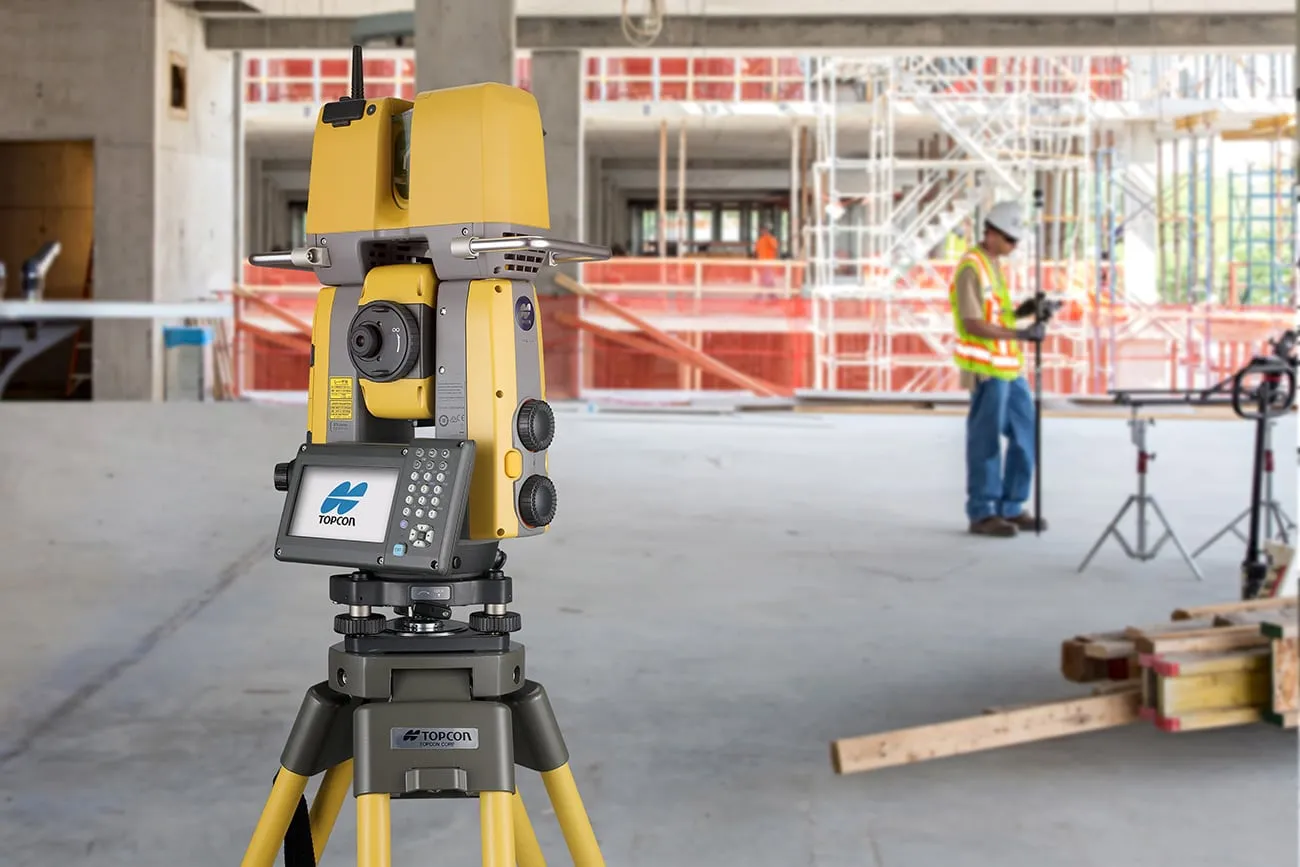
A good practical example is the construction of a new public transport terminal on the Zuidas in Amsterdam, where Heijmans carried out a detailed baseline survey after the contract was awarded. “The design phase starts with checking the data capture drawing produced during the tender submission. It incorporates all the data provided by the client. A data capture coordinator is appointed to bring all disciplines together and ensure that everyone involved supplies the required data. The site and its surroundings are then surveyed using total stations and 3D laser scanners. Sometimes we do this ourselves, and sometimes we subcontract it. We believe it is important for the survey equipment used to be calibrated every year, so we can be confident that the data generated is reliable. We then use the 3D point cloud produced by the scan to create a digital twin, a virtual copy of the construction site. The digital design is based on this digital twin. We then build the project on the construction site.” The baseline survey keeps risks on the Zuidas project manageable. “By checking everything against the scan in advance and incorporating it into the design, you prevent surprises during construction and delays to the build. The costs come before the benefits. After all, prevention is better than cure,” says Van Dueren den Hollander.
Taking an even broader view
Robin Dullens, also a project manager at Heijmans, underlines the importance of a building condition baseline survey. “To embed it in the workflow, it is important to involve new colleagues in the process from the outset. Checking is also a matter of building a habit,” he says, drawing on his experience. And he is not just talking about collecting information for the baseline survey: using it throughout the rest of the project is also crucial. “As well as processes and technology, you have to deal with people,” says Dullens. “The plans and setting-out may be excellent, but if people do not use them properly, they are no use. That means training, communicating clearly and making sure everyone knows what their task is every day. That is why the data capture coordinator remains a key figure during construction.” Dullens also stresses the importance of looking beyond the current building condition baseline survey: “Look at the past and the future too, so that you have all the information about the construction site before you start work.”
The white paper from Topcon explains how to carry out a good building condition baseline survey in practice, what the main contractor and subcontractors are responsible for, and offers useful tips for embedding baseline surveys in the workflow. Download it at: topconpositioning.com/nl/nulmeting-de-bouw.
Een zakelijke vraag aan Topcon Positioning Netherlands? Get in touch
Companies in this story

Keep following this
Get an email when a new story is published. No account needed.
- ThemeDigitalisation from design to construction
- SubjectSurveying & geo-ICT
- CompanyTopcon Positioning Netherlands