









Smart asphalt reinforcement really does contribute to circularity
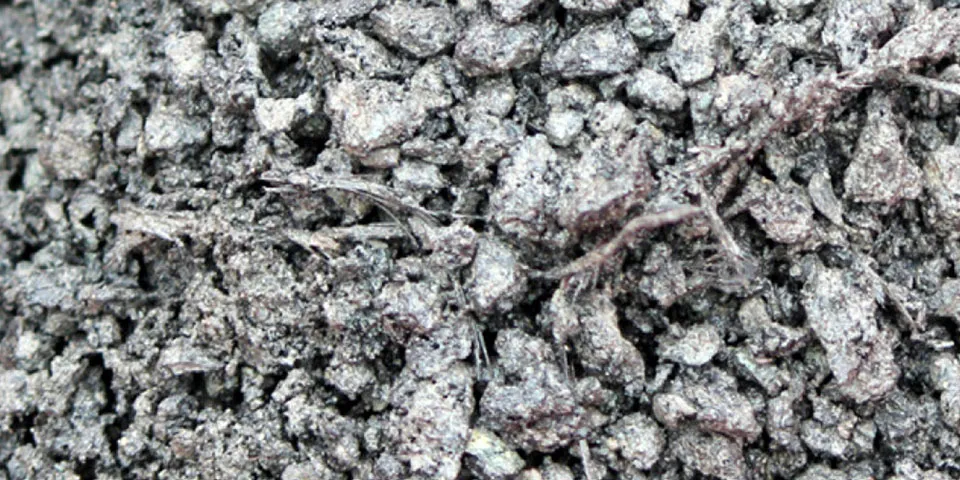
Finding no unwanted materials when recycling asphalt… it sounds too good to be true. After all, the residual stream from asphalt recycling contains a significant proportion of unwanted and problematic remnants of asphalt reinforcement. S&P Clever Reinforcement has a solution. Sven van der Wielen, regional manager at S&P Benelux, tells us more about it.
“Our asphalt reinforcement is made from carbon fibre and/or glass fibre. It can simply be milled along with the asphalt and fed into the shredder with it, without any problems. The fibres come out coated in bitumen and can be blended into new mixes without any restrictions. They do not stick to the milling drum or the mixing blades,” he begins.
Conventional milling is sufficient
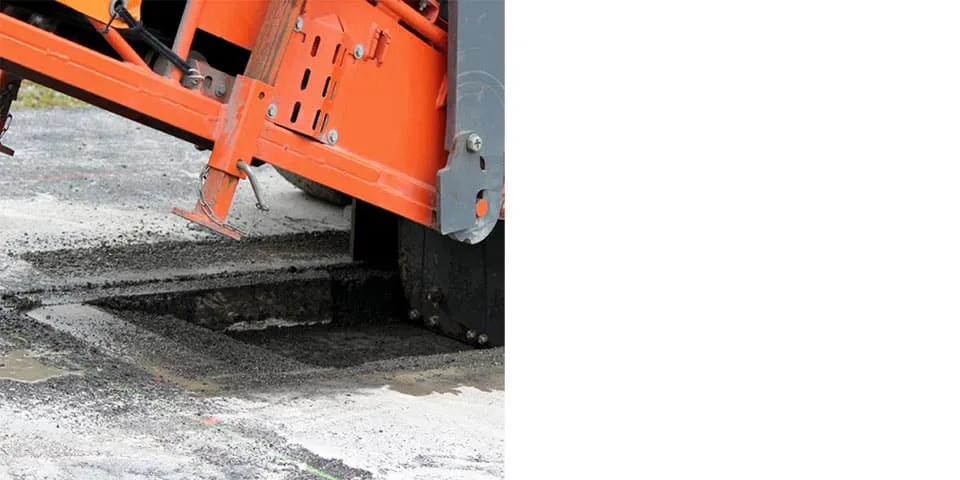
Van der Wielen explains that conventional milling is sufficient when S&P Asphalt Reinforcement is used. “With most non-woven asphalt reinforcement products, you have to mill several centimetres deeper. As well as contaminating the residual stream, this means more asphalt has to be laid afterwards. That is not ideal when it comes to circularity and reducing CO2 emissions. Wouldn’t it be a shame if clients simply accepted contractors’ offers, which promise to meet sustainability and circularity requirements, while in the meantime providing something that will cause us problems in 20 years? That is short-term thinking. That is why we share our knowledge and are transparent. Then no one can say they did not know there was another way.”
In 20 years’ time: will we be laughing or crying?
“Most asphalt reinforcement, if applied correctly, will not be encountered again for 20 years. We want to be circular by 2030, so we MUST take this into account now. The proverb says that good planning is the key to success. Our product is demonstrably suitable for circular use. The requirements for new asphalt mixes are becoming increasingly stringent, and this indirectly applies to residual streams too. Rather than facing a huge problem in 20 years, it is better to ensure the residual stream is suitable for circular use. Will we be laughing or crying? You can make that choice now. What you put in the ground today determines whether the residual stream will be suitable for use in the future,” says Van der Wielen.
A clear conscience now means a clean residual stream later
S&P Clever Reinforcement’s message is clear: quality must improve to put a stop to future contamination of residual streams. “Clients and contractors should ask themselves whether they are really working circularly. Morally speaking, it is not right to choose an economic solution that has negative consequences for the future. The bill will come due, just 20 years from now, bringing additional problems and costs for the future owner of the structure. And yet the alternative could already be on your desk today. Are you merely claiming to be sustainable, or are you actually sustainable? Yes, it takes courage to ask yourself that.”
Making the right choice does not mean making a major investment. Quite the opposite, according to S&P. “Choosing the right reinforcement for a modest investment will save you a lot of money in the future. It is an investment with a high return. What is more, this product enables clients and contractors to add value and deliver on their circularity commitments. That helps raise your profile and improve your organisation’s image. Because let’s be honest: circularity should not be a business model, it should be a mission for us all,” Van der Wielen concludes.
S&P Clever Reinforcement
“S&P Clever Reinforcement develops all its products in-house and supplies them throughout Europe. S&P Glasphalt and S&P Carbophalt help to deliver circular infrastructure and a circular economy!”
Question about this story? Ask your question
Keep following this
Get an email when a new story is published. No account needed.
- ThemeExtending the life of roads and civil engineering structures
- SubjectSpecials







