









‘Scoring with timber in civil engineering’
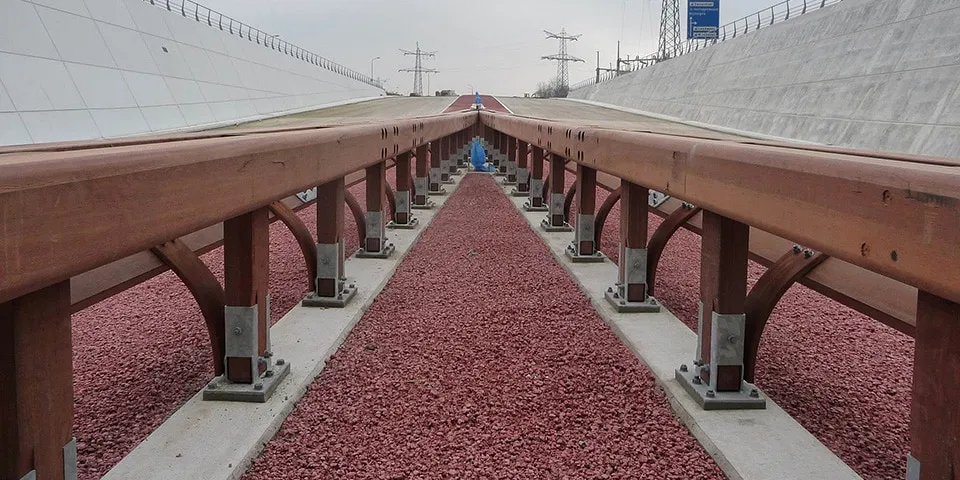
Over the past six months, a study has been carried out as part of the ‘circular economy stimulus programme’ to gain a better understanding of the potential of timber and bio-based products in civil engineering, a sector not traditionally oriented towards timber. The study explored opportunities and barriers, and described the socio-ecological impact of timber applications and their added value compared with materials currently in use. Eric de Munck, environmental and sustainable innovation adviser at Centrum Hout, explains how infrastructure companies can ‘score’ with timber in civil engineering.
Over recent decades, Centrum Hout has regularly reviewed the use of timber in civil engineering together with Rijkswaterstaat. De Munck says this has gathered pace in light of climate targets and government policy. “We will have to handle raw materials differently, which creates opportunities to use renewable resources such as bio-based products and timber. To explore the options, as mentioned, a study was carried out from June 2018 to February 2019. Innovations alongside motorways, including a timber safety barrier and timber road gantries, were assessed on behalf of RWS for their environmental performance (MKI), CO2 reduction, circularity and resource depletion. The results are striking.”
Sustainably produced timber
Rijkswaterstaat has traditionally focused on concrete and steel, says De Munck. “But that is changing. This is confirmed by the fact that on 14 February this year, Tjeerd Rozendaal, HID at Rijkswaterstaat, stressed in a video message to visitors to Infratech2019 that his organisation would specifically focus on timber because of its environmental and climate benefits.” De Munck adds: “Given its renewable nature and product properties, timber makes an important contribution to climate targets and the circular economy. This aligns with the ambition of the national government-wide Circular Economy programme. The production (‘growth’) of timber absorbs CO2, which the tree converts into wood. When timber also replaces other materials, it saves a great deal of CO2.” De Munck says it is a misconception that increased use of timber encourages deforestation. “If timber from sustainably managed forests is chosen deliberately, those forests are actually kept intact. Timber gives the forest value and thereby prevents it from being converted to farmland. Deforestation is therefore a symptom. We can take action against deforestation ourselves, primarily by buying consciously and choosing sustainably produced timber.”
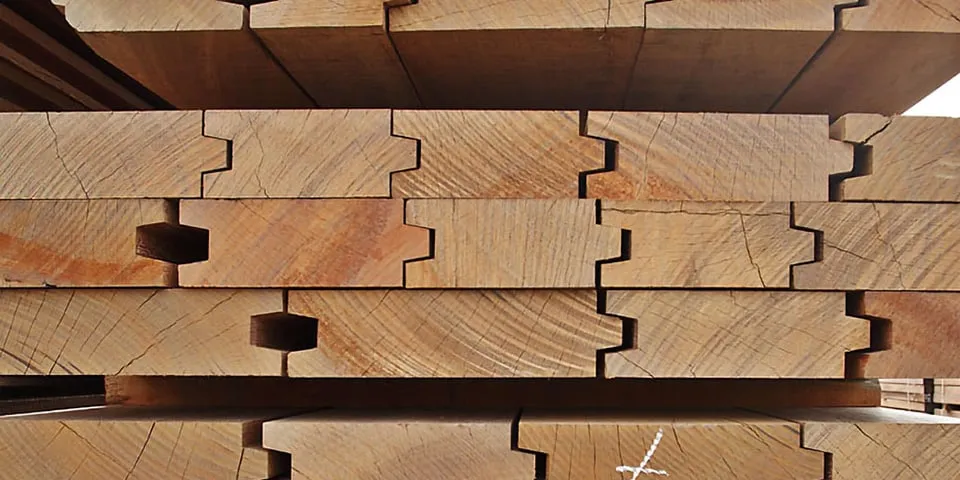
FSC-certified sheet piles ready for dispatch.
Making ambitions visible
Research into the environmental impact of safety barriers, cycle bridges and sheet piles reveals major differences between the materials used, with timber performing best. De Munck: “Sustainable, renewable, bio-based, circular: timber can meet a client’s objectives on all these fronts. Using timber as an alternative to more conventional materials in the infrastructure sector can even earn you extra ‘points’ compared with conventional materials. In addition, innovative timber applications such as safety barriers, chainage marker posts, road gantries, traffic signs and noise barriers offer opportunities to make sustainability ambitions visible. The province of South Holland has done this during the renovation of the N211, where 21 innovations have been used, including a timber safety barrier and road gantries. Proof, then, that it can be done.”
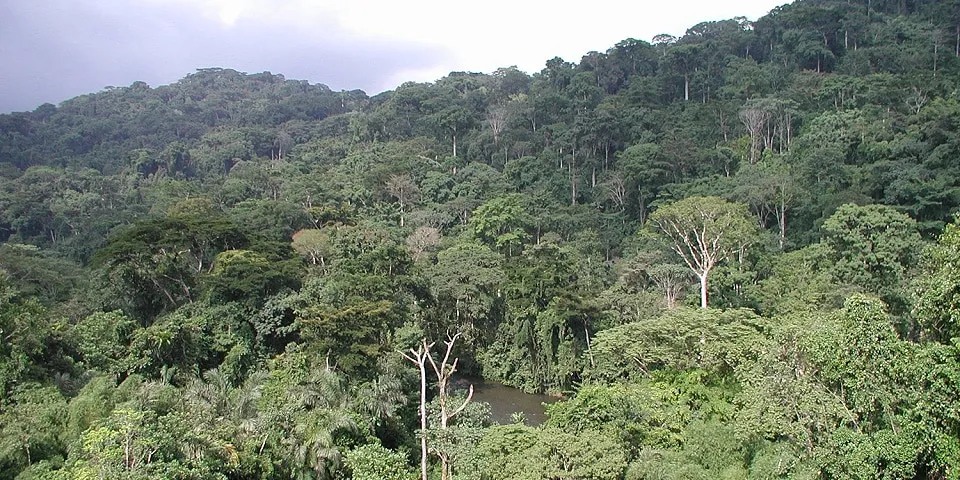
Protect tropical forests by buying sustainable timber: FSC forest in Cameroon.
Positive market developments that could help timber be chosen over other materials in civil engineering include the introduction of Lifecycle Analyses (LCA), Lifecycle Costs (LCC) and Total Cost of Ownership models (TCOs), which take account of the costs and environmental aspects of the entire lifecycle, says De Munck. “Timber is also an interesting option to explore in the ‘wet’ civil engineering sector. And in addition to Rijkswaterstaat, the Government Buildings Agency and ProRail have also expressed interest in using more timber.” If you are a client or contractor interested in using timber in your project, please get in touch. The timber supply chain will be happy to help.
Question about this story? Ask your question
Keep following this
Get an email when a new story is published. No account needed.
- ThemeLower emissions and more reuse
- SubjectSpecials







