Foundations / Site investigation
Keller makes the case for sustainable ground improvement as an alternative to pile foundations
Tekst Susan Peek Beeld MVL Media Groep, IXI Bedrijfsfotografie
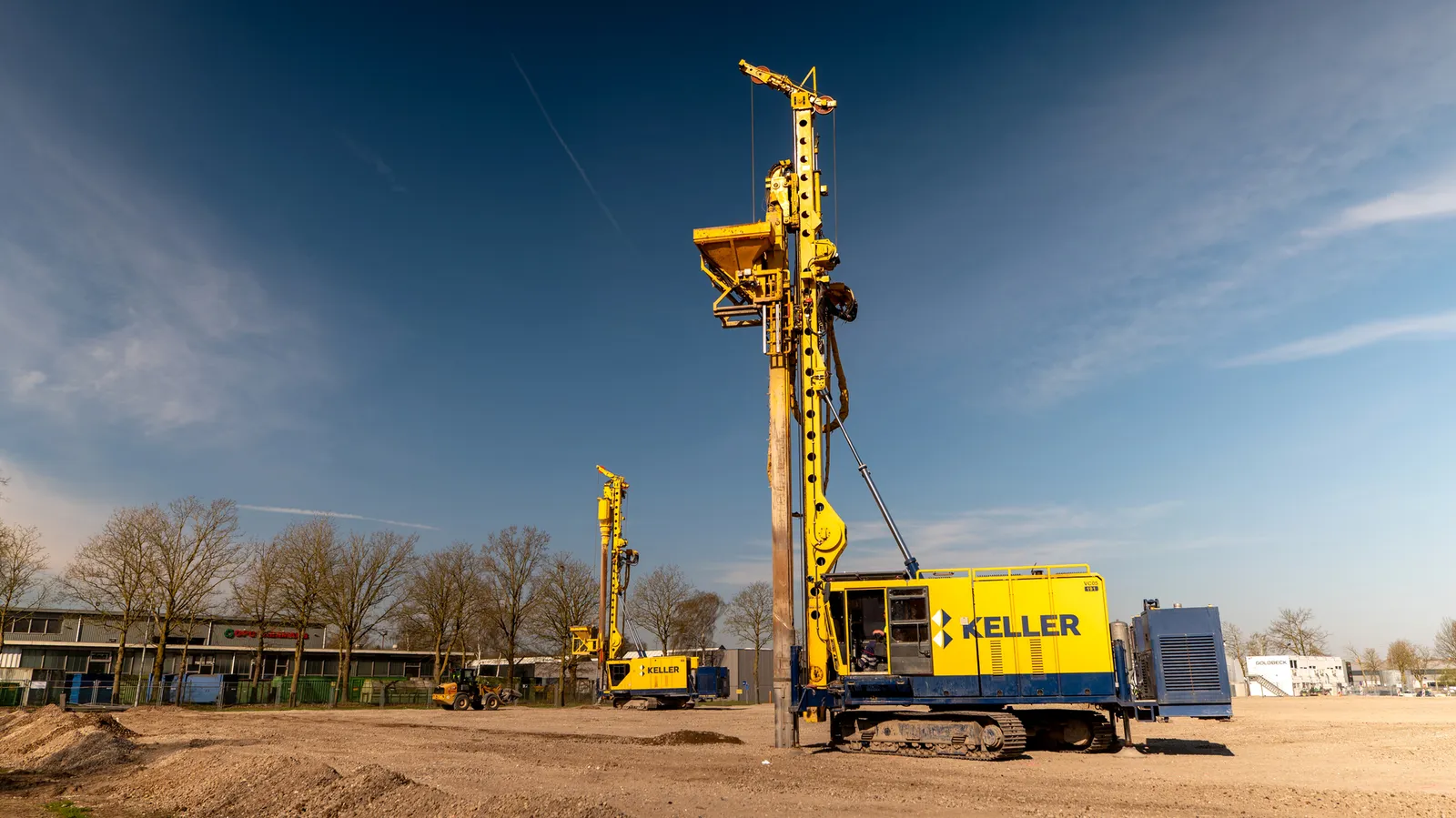
In the Netherlands, pile foundations are still often the first thing that comes to mind when foundation issues arise. This is understandable, given the unstable ground conditions and long building tradition. But according to Marcel Mertens, operations manager at Keller Funderingstechnieken, they are by no means always necessary. “In many cases, you can improve the ground itself so that a structure or paved surface can be founded on it. This offers both technical and sustainability benefits.”
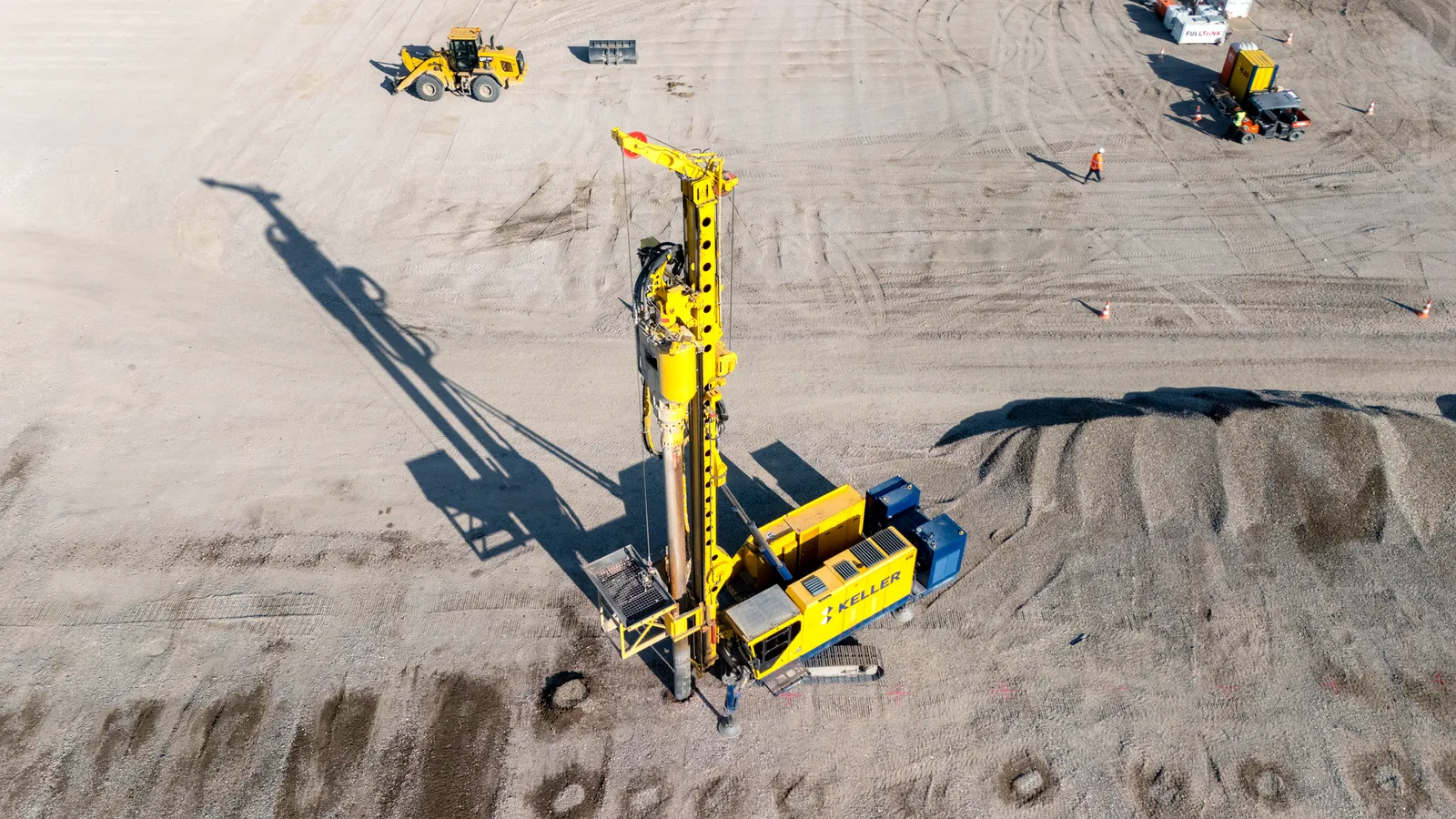
Ground improvement versus pile foundations
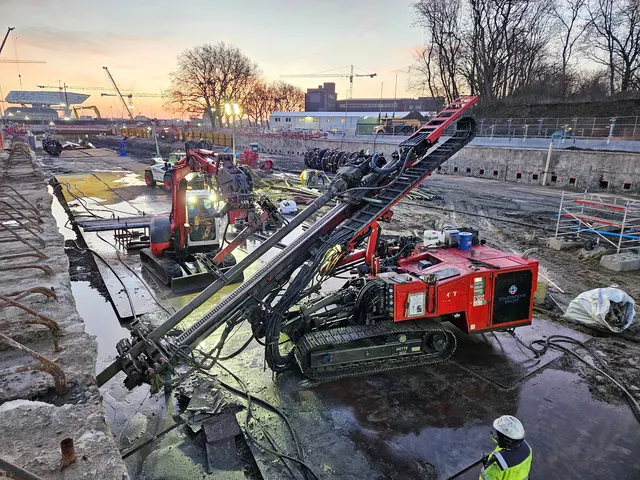
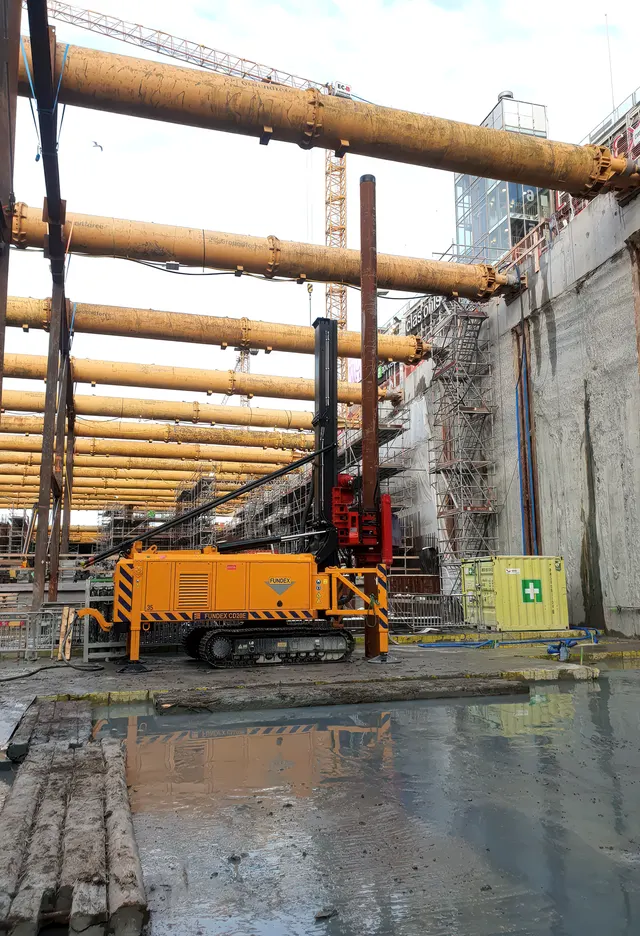
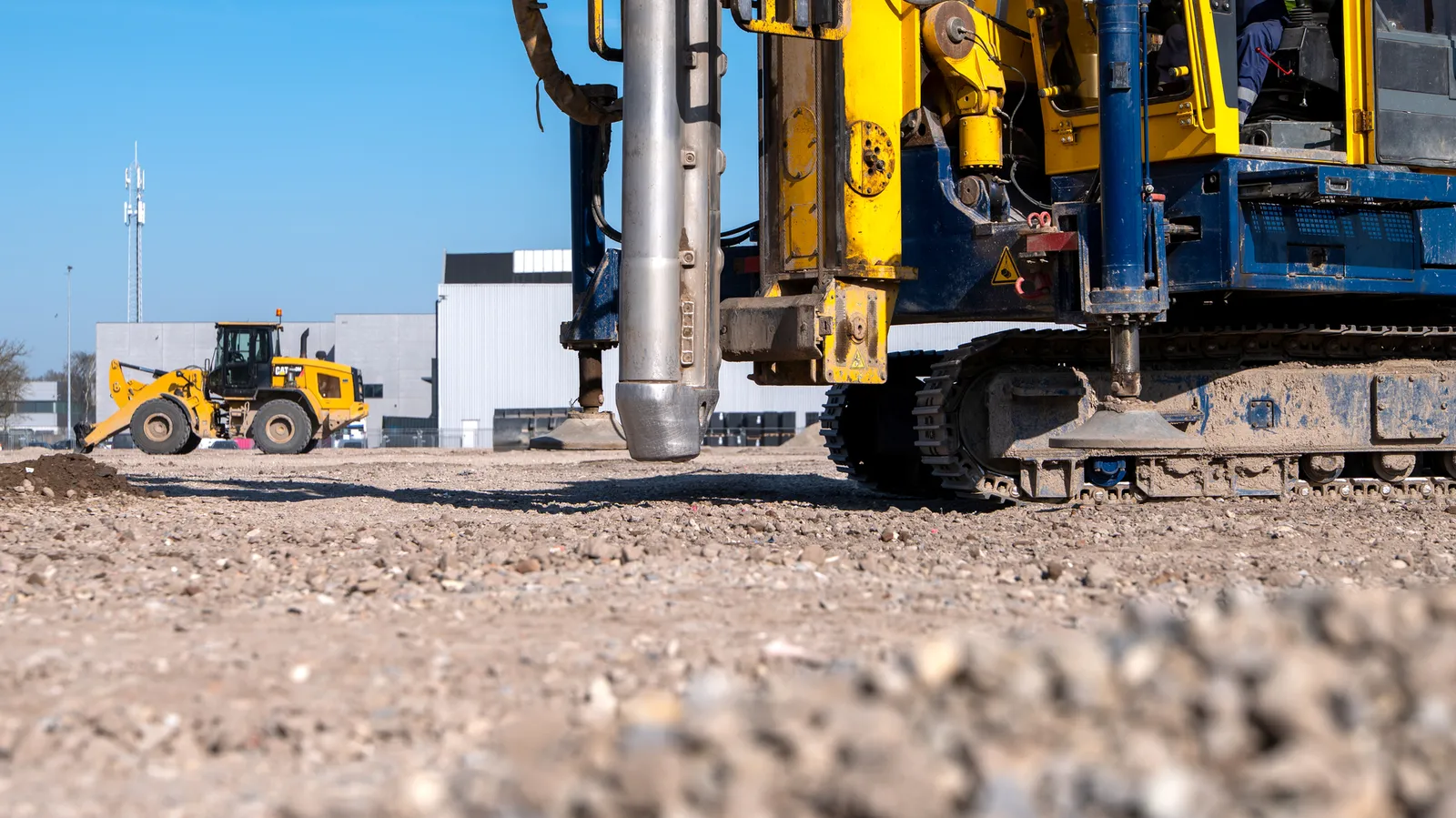
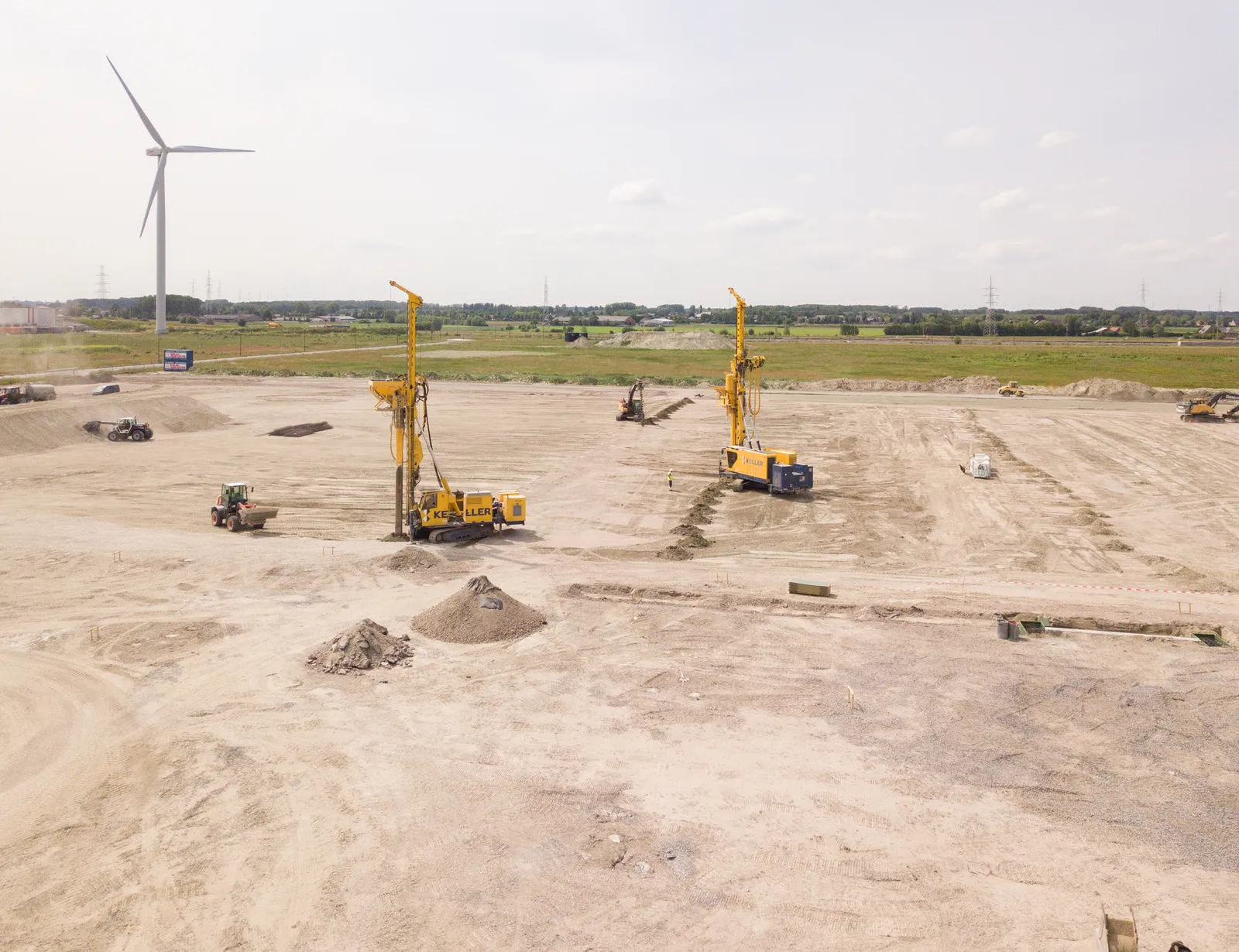
According to Mertens, the biggest challenge is not so much designing foundations as daring to reconsider the underlying assumptions. “If the ground is not strong enough, piles are often the automatic choice. Yet ground improvement, for example using gravel columns, can be a fully viable alternative.” Mertens explains that this technique increases the bearing capacity and stability of the ground by installing columns of gravel or crushed stone in a regular pattern. “We do this with a sluice vibrating probe: quickly, very quietly and with minimal vibration. This distributes the load more effectively and limits settlement. It is an excellent way to make the ground suitable for whatever is built on it.”
Sustainability as a decisive factor
One important reason for choosing this technique is sustainability. Ground improvement using gravel or limestone columns requires neither cement nor steel. “That makes a huge difference to CO2 emissions,” says Mertens. “Compared with traditional pile systems, emissions are ten to twelve times lower.” Environmental benefits are increasingly taken into account, particularly on urban projects and public-sector schemes. “Projects are assessed on their Environmental Cost Indicator (MKI) scores and certifications such as BREEAM. Our solutions demonstrably help reduce environmental costs, which carry increasing weight in tenders.” Keller uses HVO100 fuel as standard and deploys electric equipment wherever possible. Passenger transport and equipment deliveries can also often be emission-free.
Analysing cone penetration test data
According to Mertens, Keller’s strength lies not in any one particular method, but in selecting the right technique at the right time. “That means the design team needs to consider the options more carefully for each project, starting at the design stage. You can replace the ground, improve it or use pile foundations. Ground replacement involves a lot of transport and environmental impact, while piles are familiar but not always necessary. Ground improvement is often more efficient, provided it is properly substantiated.” That case begins with analysing cone penetration test data and ground information. “Our specialists are happy to run the calculations. More often than people think, ground improvement proves technically and economically viable.”
From restoration to new build
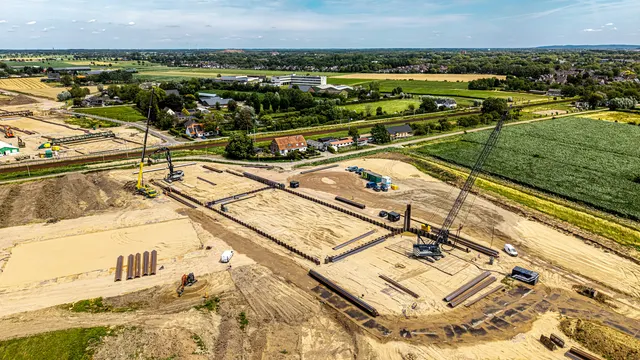
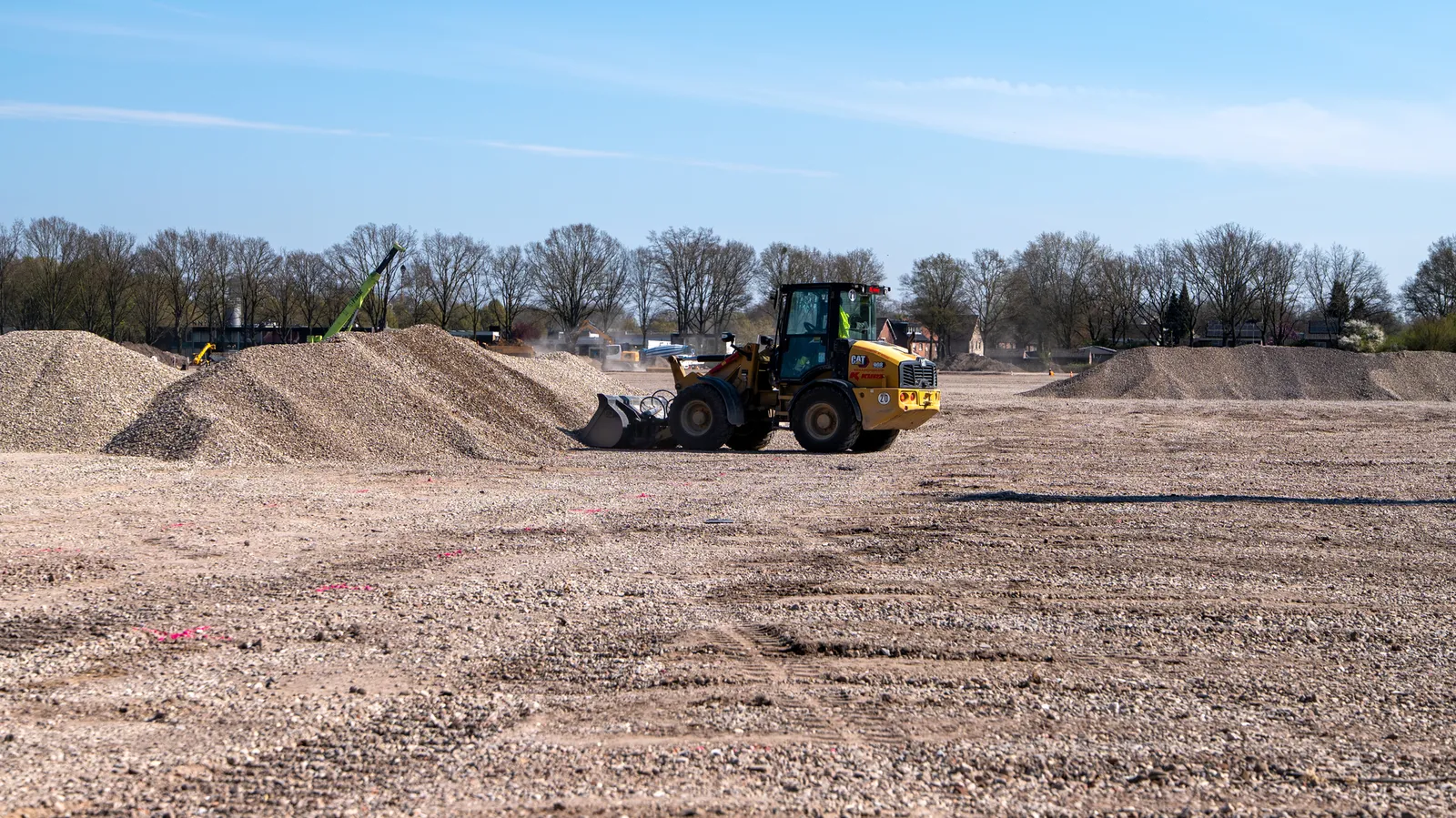
A well-known example is the foundation repair work at the Binnenhof in Den Haag, where Keller worked in an urban setting, with low vibration and zero emissions. Ground improvement is also widely used for large-scale new-build projects. “At the XXL-warehouse EVO Park Weert, we installed gravel columns. The site was immediately ready for the next construction phase.” Two logistics halls with a combined floor area of 90,000 m2 were subsequently built on the improved ground.
Global presence, local focus
Keller Funderingstechnieken is part of a global group, but operates in the Netherlands with short lines of communication. “Global strength and local focus is Keller’s slogan,” says Mertens. “We have access to knowledge and innovations from countries including Germany and England, while being able to respond quickly at a local level.” Looking ahead, he sees the greatest opportunities in getting involved earlier. “If we sit down with the design team sooner, we can show more often that there is another way. Rather than automatically thinking of piles, first consider what the ground itself can do.”
●
Een zakelijke vraag aan Keller Funderingstechnieken B.V.? Neem contact op
Bedrijven in dit verhaal
Blijf dit volgen
Bij een nieuw verhaal krijg je een e-mail. Geen account nodig.
- ThemaUnderground construction
- OnderwerpFoundations / Site investigation
- BedrijfKeller Funderingstechnieken B.V.