Foundations / Site investigation
Foundation solutions that go beyond standard driven piles
Text Suzanne van Gaale Beeld Franki Grondtechnieken
With a clear focus on specialist techniques, a strong international base and an expanding role in collaborative ventures, Franki Grondtechnieken is positioning itself as a major player in the foundations sector. Where standard foundation solutions fall short, the company demonstrates what can be achieved with unusual and technically challenging foundation techniques.
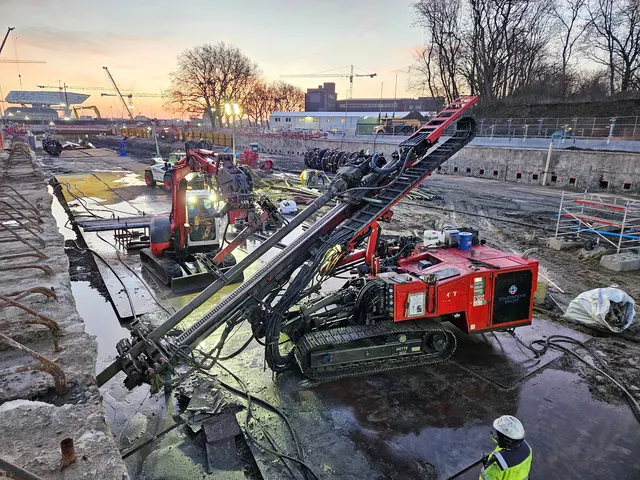
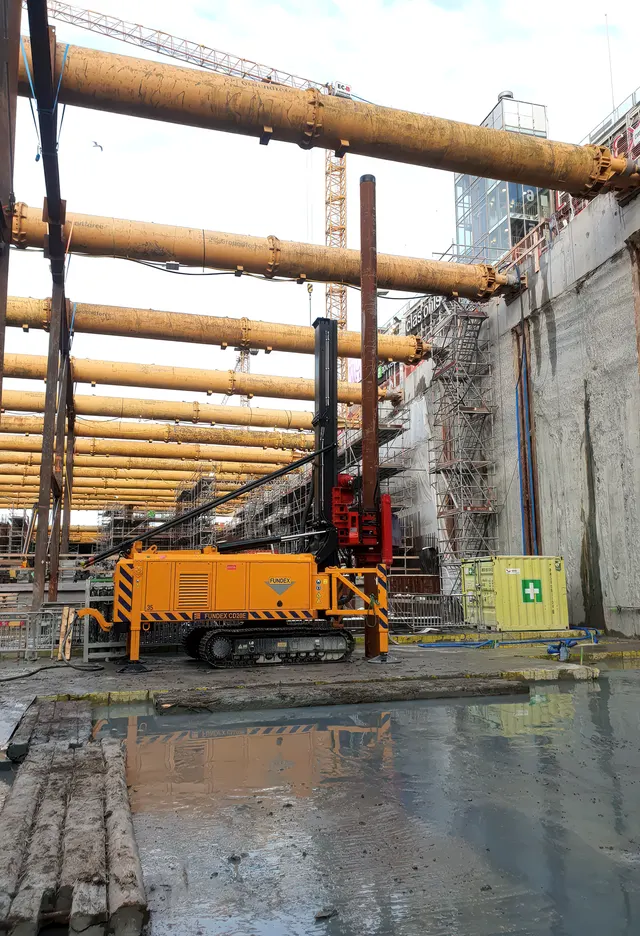
Franki Grondtechnieken is particularly active in complex environments, such as commercial construction, major infrastructure projects and the petrochemical industry. These often require foundation solutions that go beyond standard driven piles. Examples include soil displacement and vibration-free systems, as well as piles with large diameters and considerable lengths.
Large-diameter piles on ViA15
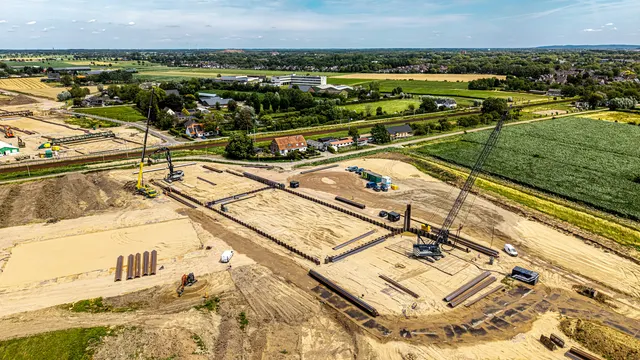
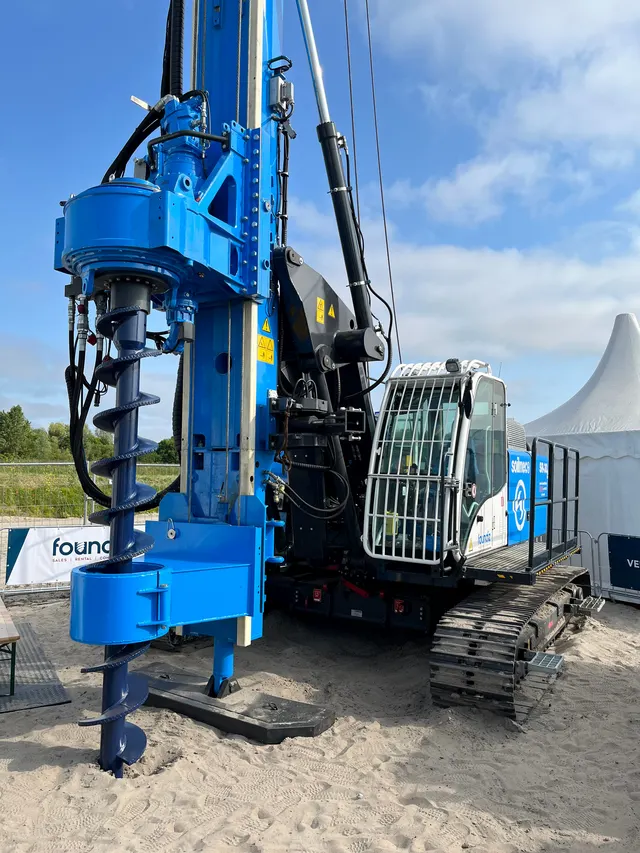
A good example of a project involving large-diameter bored piles is ViA15, where work is being carried out on behalf of Rijkswaterstaat to extend the A15 to the A12. This project forms an important link between the Port of Rotterdam and Germany. “On this project, we are using bored piles with diameters of up to almost two metres and lengths ranging from 20 to 40 metres,” explains Jan-Wim Verhoeff, director of Franki Grondtechnieken. “Height restrictions at the project site made this solution necessary to achieve the required load-bearing capacity. In addition, the work must be carried out without vibration, placing extra demands on the techniques and execution.”
International reach
Franki Grondtechnieken is part of BESIX Group and operates within the Franki Foundations network, which has offices in countries including Belgium and France. In these countries, specialist foundation techniques are often the norm. This international collaboration offers significant benefits. For example, Franki can draw on its own engineering department in Belgium, which helps develop smart, practical solutions from an early stage. It also paves the way for techniques that are still considered ‘unusual’ in the Netherlands to be applied successfully.
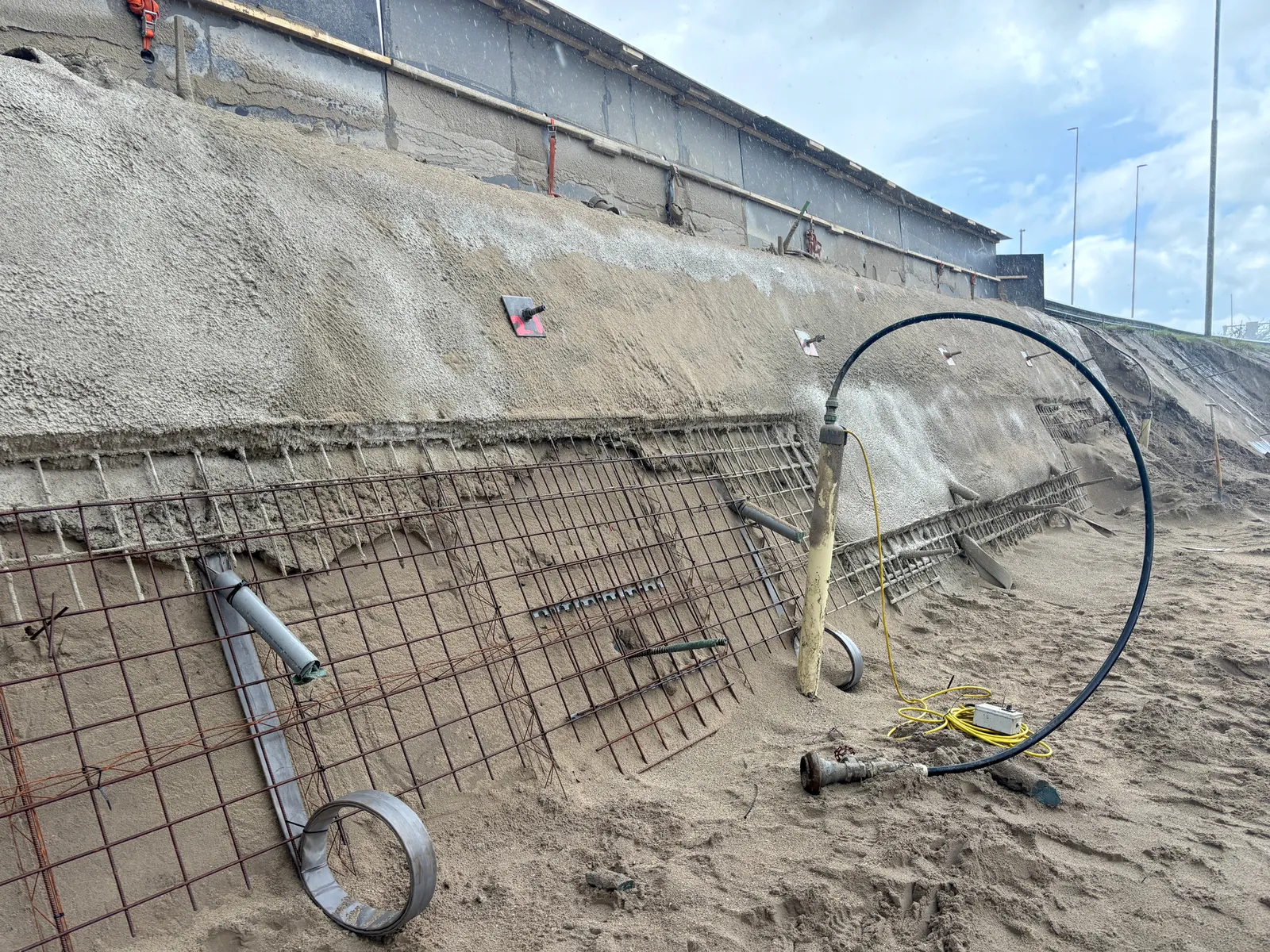
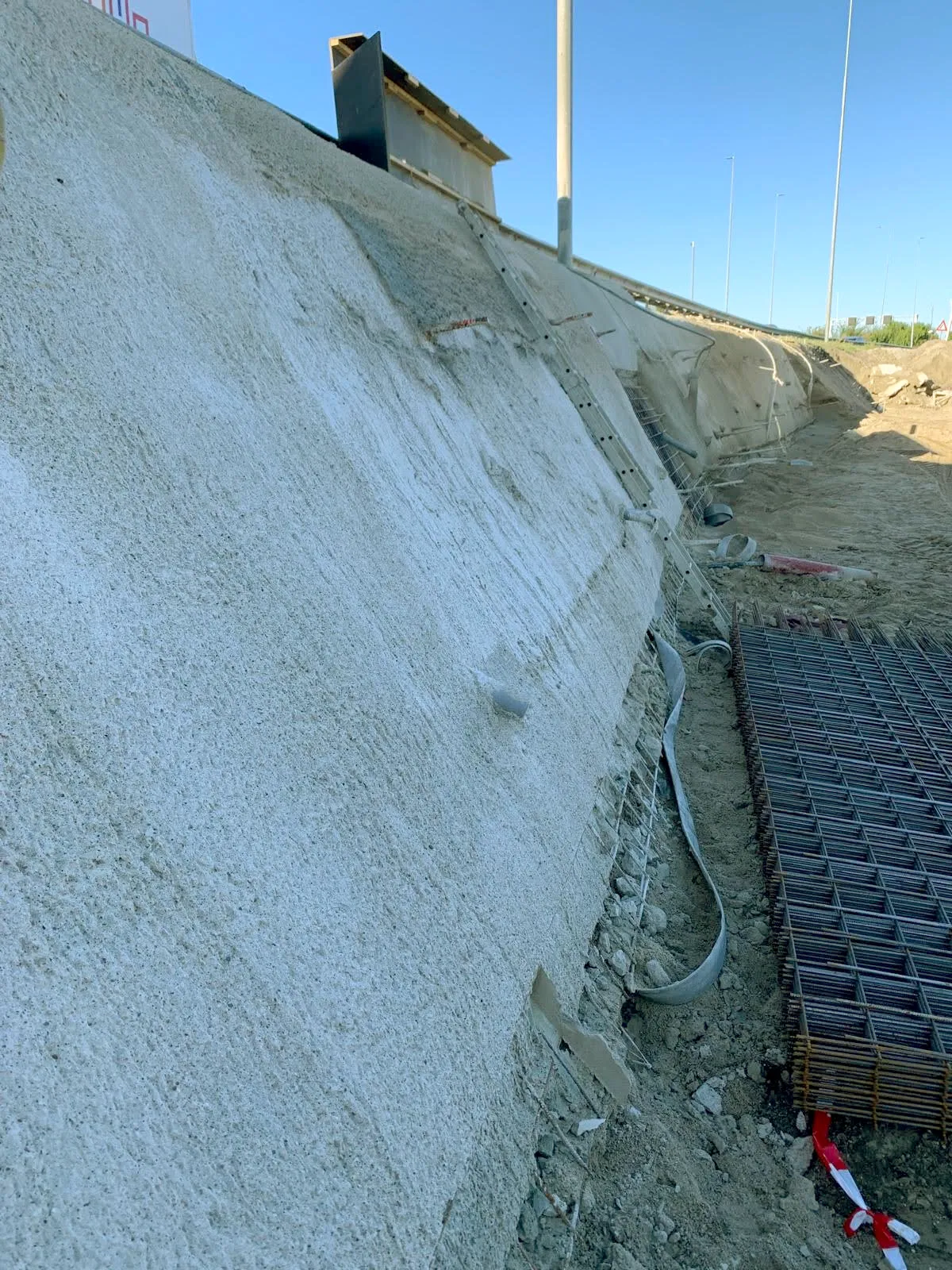
Soil nailing: unusual, but effective
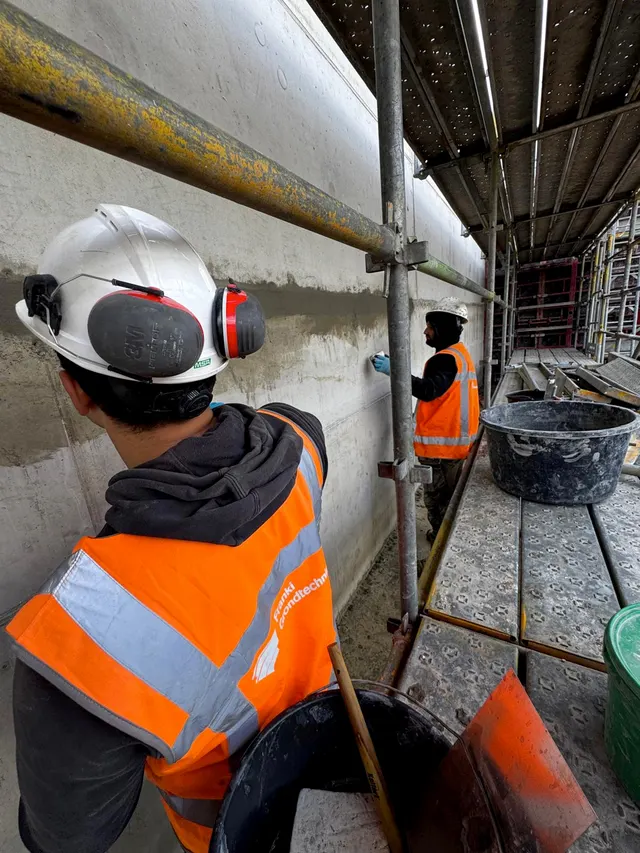
Another example of a specialist foundation technique is the use of soil nailing to widen the A10 near Knooppunt De Nieuwe Meer. This technique is widely used in countries such as Belgium and France, but is less common in the Netherlands, partly because of the high groundwater levels. The challenge on this project was to create a stable foundation immediately alongside the existing motorway, where the embankment slope left no room for conventional solutions such as sheet piling. “We excavated the slope in three stages, each time to a height of approximately 2.5 metres and at a steep angle. At each stage, so-called ‘soil nails’, anchors approximately 10 metres long, were installed. We then placed reinforcing mesh and sprayed on concrete. Together, these elements create a stable, steep and durable slope.”
Collaboration as the key to success
Verhoeff emphasises the growing importance of collaboration. On complex projects, we work with various parties, each bringing their own expertise. “By joining forces with partners and fellow contractors, each company can focus on what it does best. This not only improves the quality of the work, but also makes it possible to deliver large and technically challenging projects successfully.”
Question about this story? Ask your question
Keep following this
Get an email when a new story is published. No account needed.
- ThemeUnderground construction
- SubjectFoundations / Site investigation