Foundations / Site investigation
Foundation specialist Kandt puts its self-developed zero-emission drilling rig to the test
Text Suzanne van Gaale Image Kandt BV
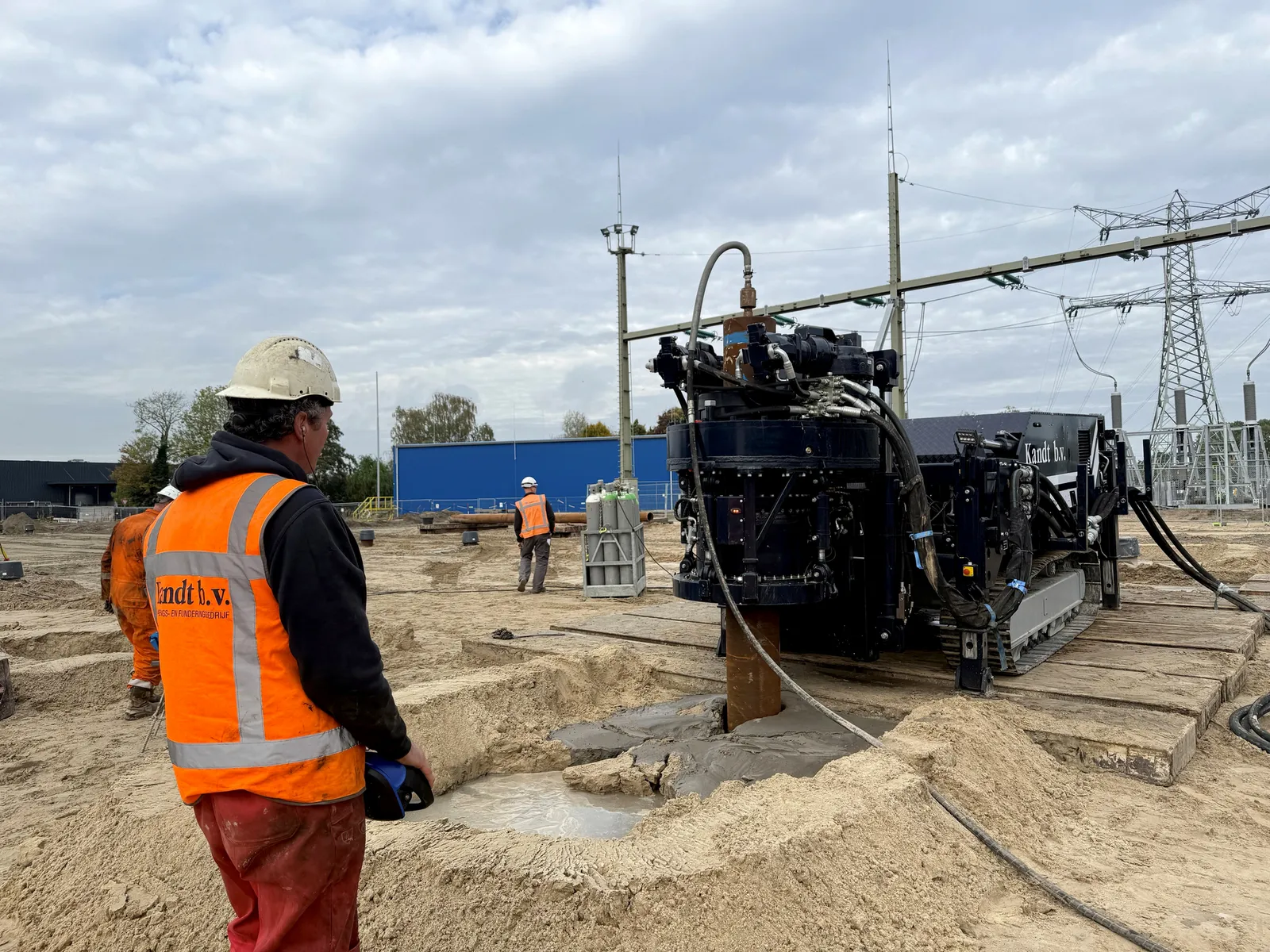
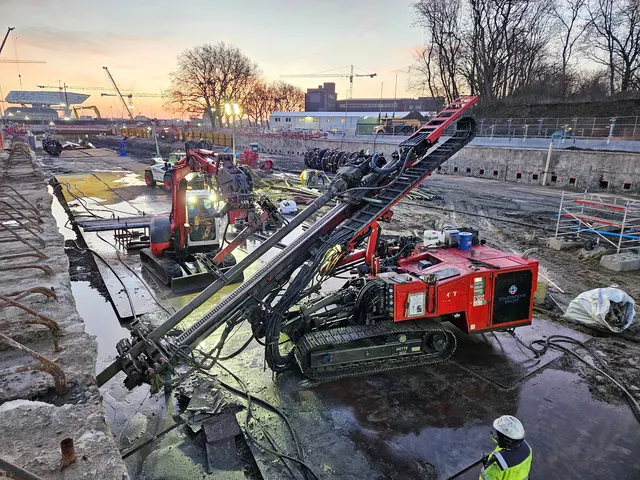
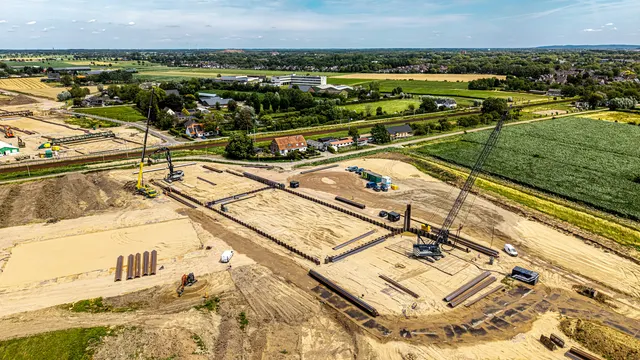
In Breda, TenneT and SC&M, a partnership between Croonwolter&dros and Mobilis, are building a new 150 kV high-voltage substation to replace the existing one. Around 170 LeKa piles are being drilled into the ground for the foundations. The project is especially significant for foundation contractor Kandt BV: its self-developed zero-emission drilling rig is being used for the first time.
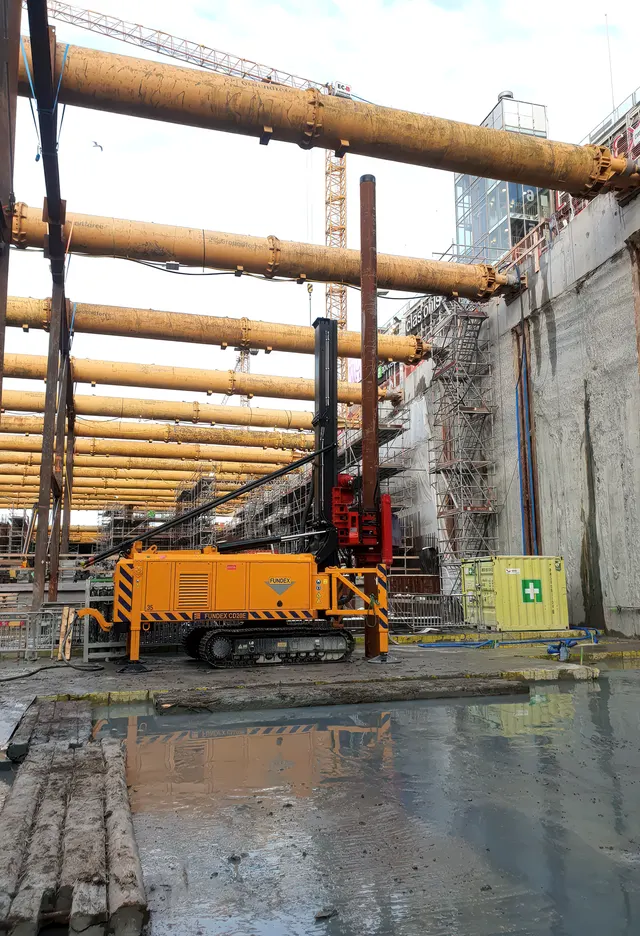
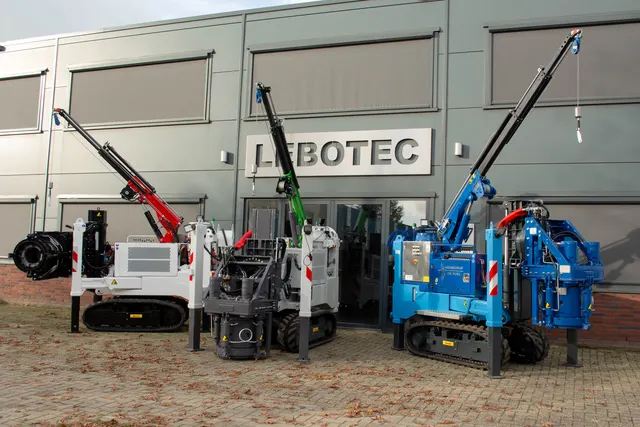
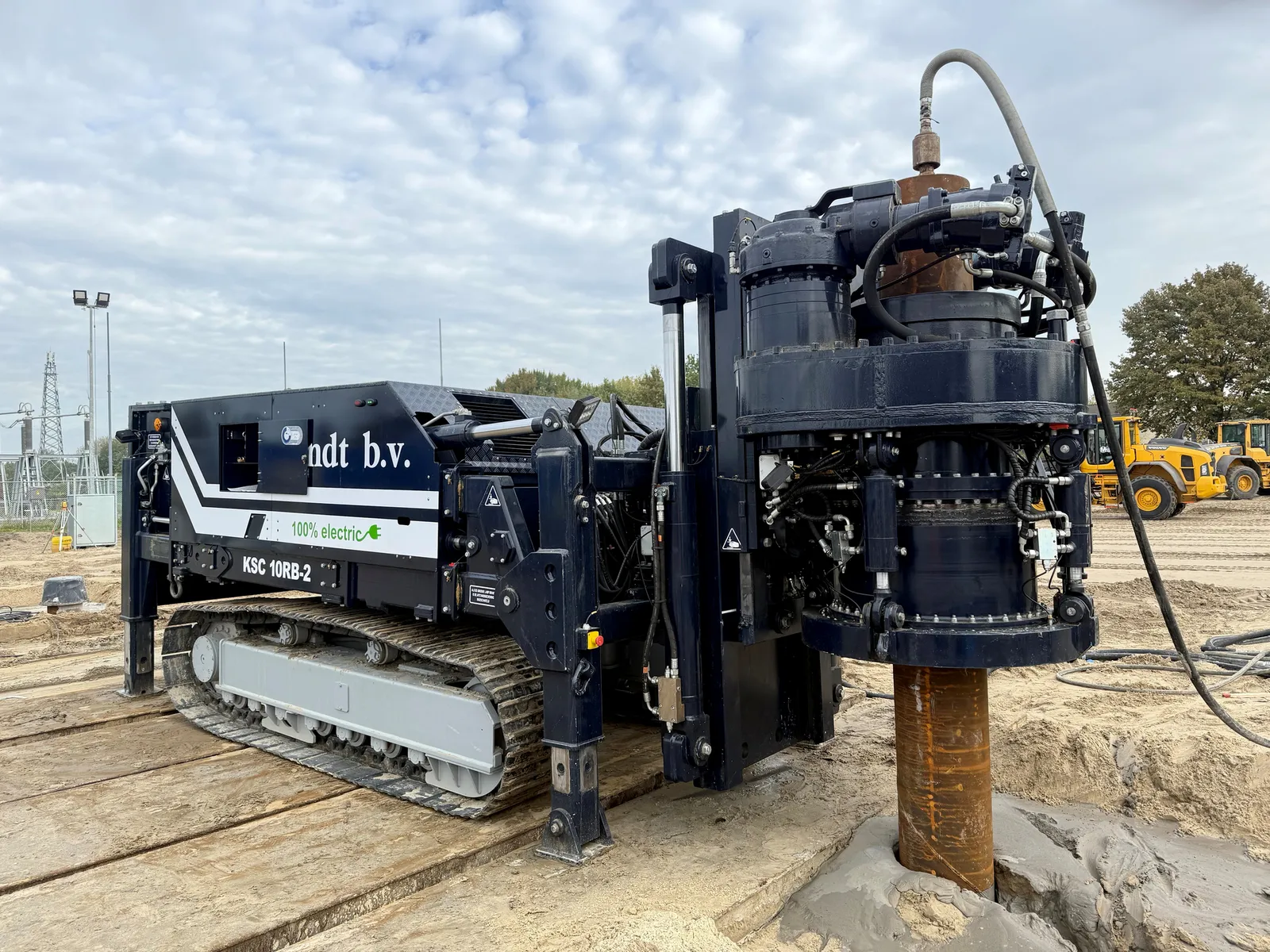
High-voltage substations are being built and expanded across the Netherlands, particularly in Brabant. This is familiar territory for Kandt BV. The family-owned company from Nieuwerkerk aan den IJssel specialises in foundation work, particularly in urban areas and at sites with limited space or height restrictions, such as high-voltage substations. Diesel-powered drilling rigs are normally used for this work. In Breda, however, Kandt is using its new zero-emission drilling rig, the KSC10RB-02, for the first time. A genuine first.
A great story
“The story behind how this zero-emission drilling rig came about is actually a great one,” says Willem de Meijer, director of Kandt BV. “It began as Tom Littel’s graduation project, when he was still an intern. The brief was to develop a compact, zero-emission drilling rig. We then set about building the machine, with Tom Littel managing, directing and overseeing the project himself as part of his employment after his internship. That’s wonderful, isn’t it? Through Kandt Special Crane, we designed and built the machine entirely in-house, from the drawing board to delivery. It fits perfectly with Mobilis and TenneT’s ambition to build emission-free wherever possible.”
Heavy-duty drilling
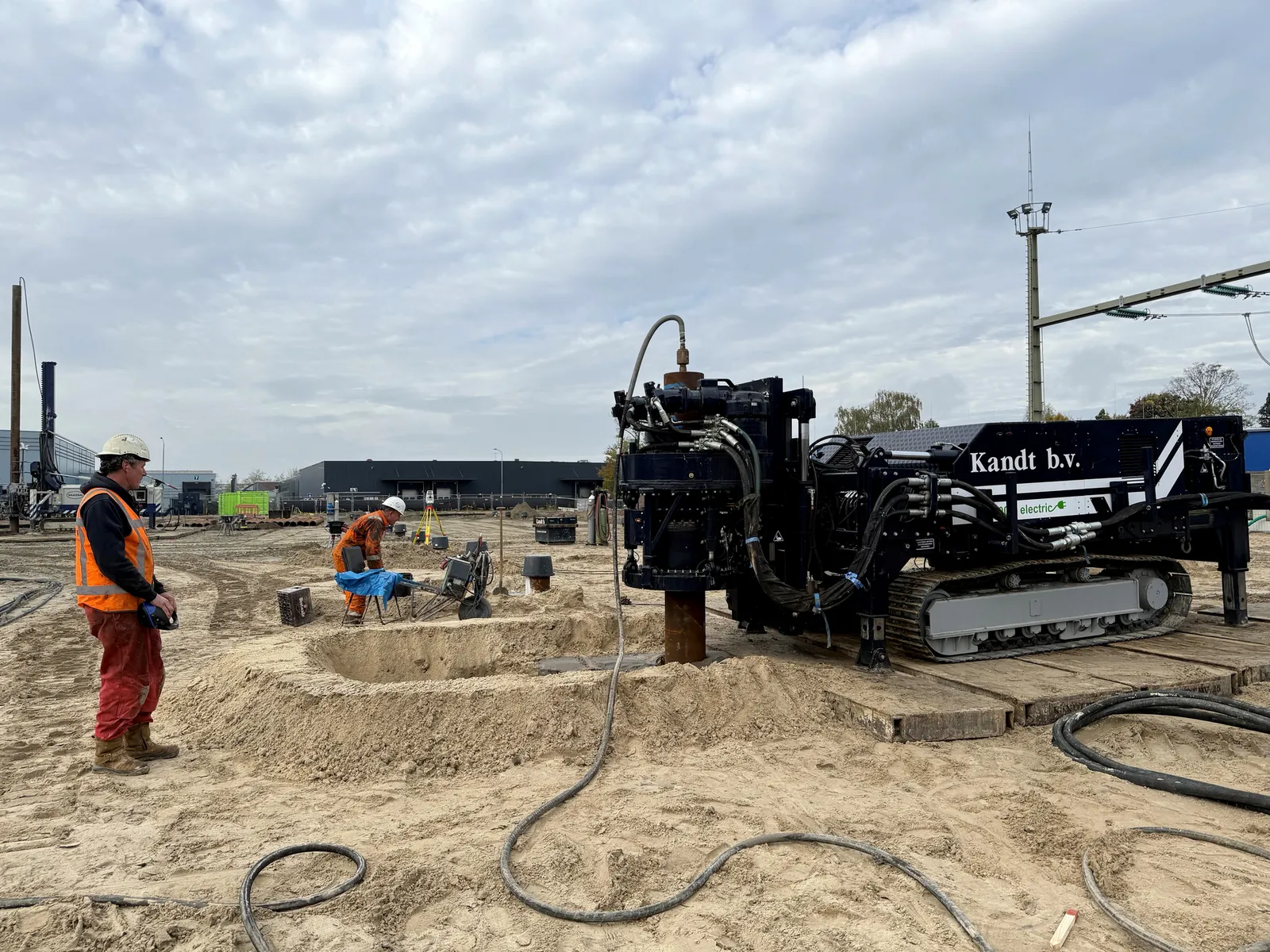
The machine was designed to perform reliably even in demanding conditions. In Breda, LeKa piles up to 21 metres long, with diameters of 273 mm and 355 mm, are being installed in dense soil. “That’s heavy-duty drilling,” says De Meijer. “We’ve installed 170 LeKa piles here without any problems.”
Versatile applications
Thanks to its compact design and zero-emission operation, the drilling rig is particularly well suited to urban projects, work in or near nature reserves, and sites with height restrictions, such as alongside railway lines, near high-voltage cables and along motorways. “Another advantage is that the machine has no leader and has a low centre of gravity. This eliminates the risk of it tipping over, making it the safest option when choosing a pile type at the design stage. That gives it a very wide range of applications. You can’t work more safely than this.”
Ready to get started with emission-free construction De Meijer expects the zero-emission drilling rig to be used more and more often. “By developing and building this machine entirely in-house, we’re showing that we’re leading the way in making our equipment more sustainable and responding to growing market demand.” Alongside its smaller, compact zero-emission drilling rig, Kandt BV has a range of other zero-emission equipment, including a heavier zero-emission drilling crane, the TTD50. “With that, we can install LeKa piles from 219 mm to 711 mm in diameter entirely emission-free. Demand for emission-free construction is growing, including from clients such as TenneT. We’re ready.”
A business enquiry for Kandt Aannemings- en Funderingsbedrijf BV? Get in touch
Companies in this story


Keep following this
Get an email when a new story is published. No account needed.
- ThemeUnderground construction
- SubjectFoundations / Site investigation
- CompanyKandt Aannemings- en Funderingsbedrijf BV
- CompanyMobilis
- CompanyCroonwolter&dros