









Electric construction machinery: a different approach to safety
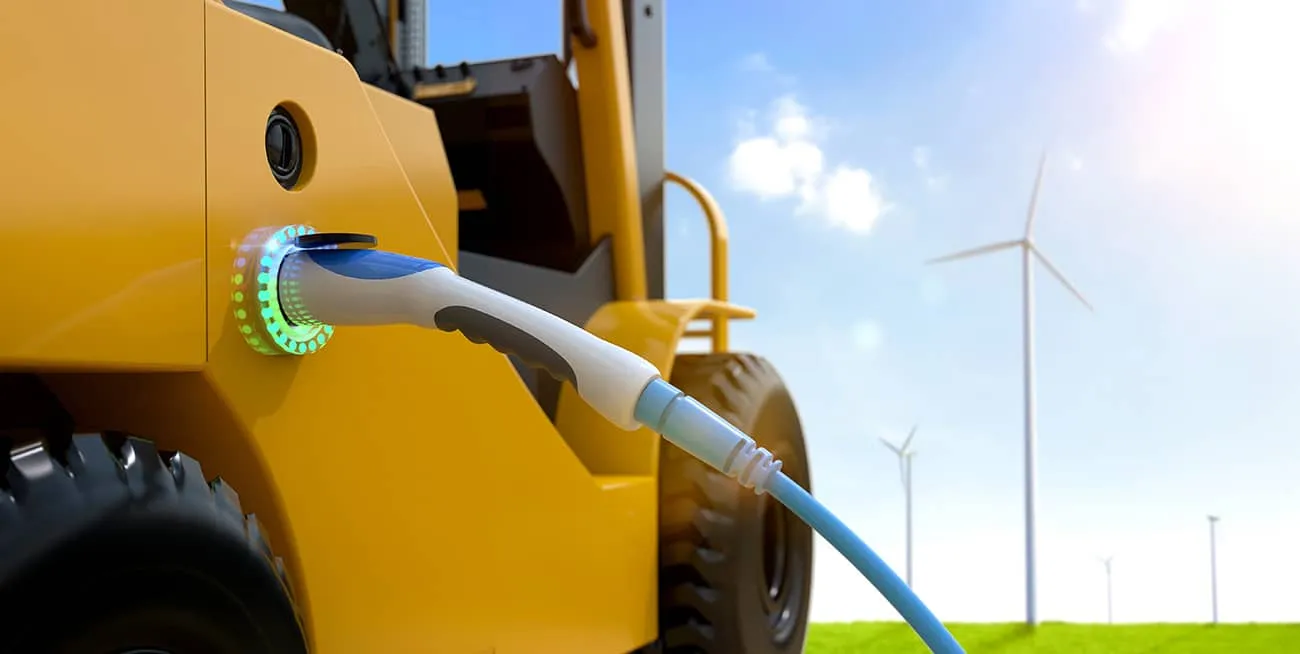
The electrification of construction machinery is a pressing issue, encouraged in part by the government, which has been providing subsidies since this year for the purchase of zero-emission construction equipment and for converting or adapting diesel-powered equipment to run on hydrogen or electricity. Pieter Visser, General Manager at Aboma Advies, considers this an excellent initiative, but it also calls for a different approach to safety that should not be underestimated.
Under strain
There is pressure to make the construction supply chain more sustainable, and the willingness is there, but a number of ‘obstacles’ still need to be removed, Visser believes. “Many ‘traditional’ construction machines have not reached the end of their working lives and are not always suitable for a straightforward switch to a different drive technology. In addition, a power supply needs to be installed on the construction site. For an infrastructure project, that supply will also be temporary, since no power is needed once the project is complete. And if you apply for a new connection in North Holland now, you can join the queue and might get connected in a year and a half. The grid is full. The capacity required is holding back the electrification of construction sites. The grid will groan under the peak loads caused by the use of electric construction machinery and will balance them out. This means you often get less power than you need. It is pretty frustrating if the power cuts out because the contractor next door is driving piles with an electric piling rig.”
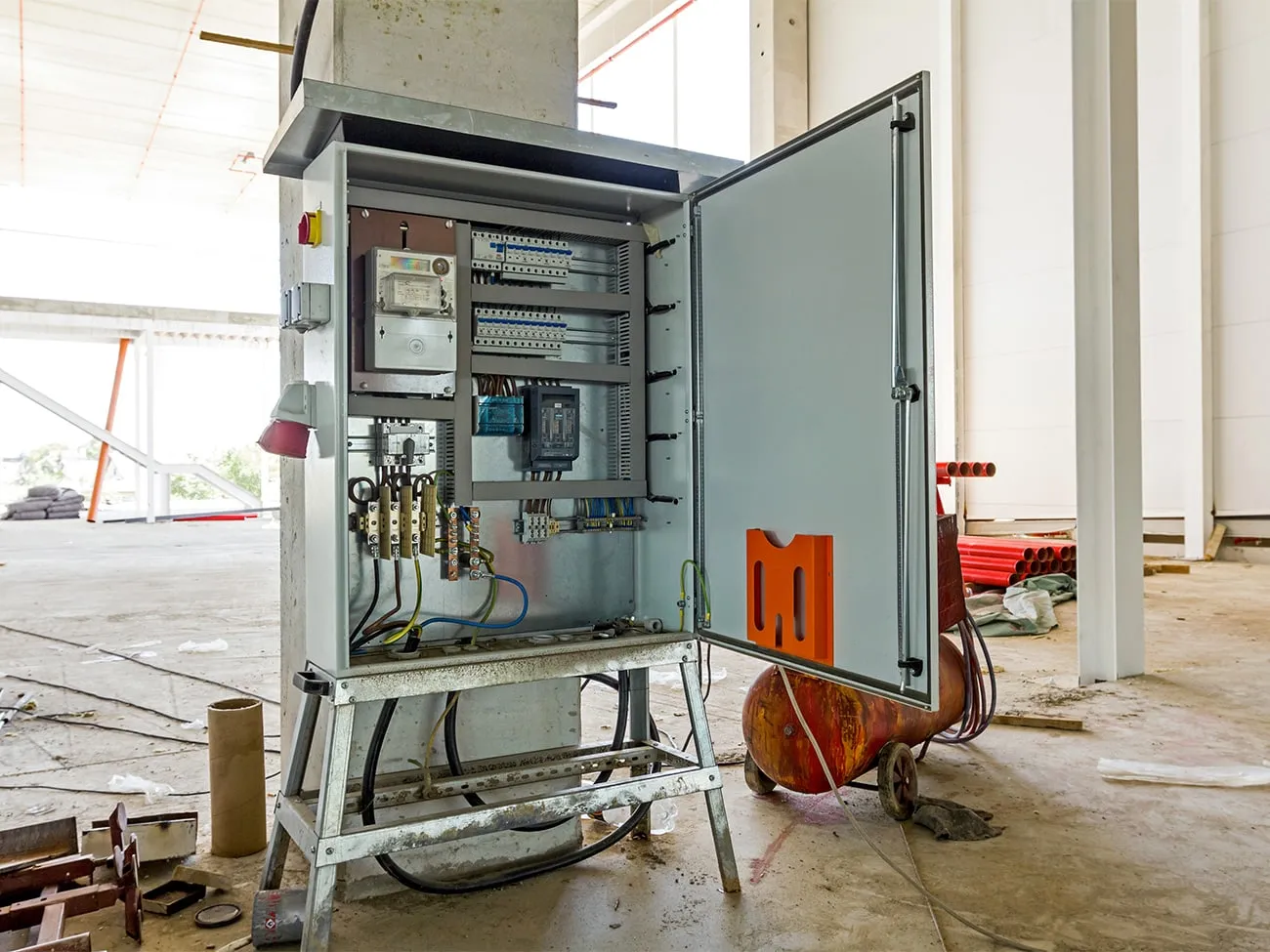
Construction site layout
And that is only the intention to create an electric construction site, Visser continues. “Once you manage to do that, you will need to think carefully about how you use electric construction machinery, and about the environment and conditions in which you operate it. Take a compact mobile excavator, for example. Suppose fuel is spilled while refuelling and the machine catches fire. The operator grabs the ABC fire extinguisher and puts out the flames. How do you put out a fire on an electric machine? When an electric car catches fire, the fire service submerges it in a container. That is not an option with a 55-tonne excavator stuck in the mud. The emergency response arrangements on a construction site will need to be reorganised when you start using electric construction machinery. Noise is another issue. Electric machinery is much quieter. You will therefore need to clearly separate pedestrian routes from vehicle movements, whereas at present they are still fairly mixed. The electrification of a construction site brings many other considerations in its wake, risks that companies need to prepare for and address.”
Simply replacing the diesel engine is not enough, Visser warns. “You will need to carry out a completely new risk assessment and review all the aspects and scenarios, then check them against what was planned in advance. We help companies through this transition to make sure they do not solve one problem only to end up with other risks ‘thrown in for free’.”
Question about this story? Ask your question
Keep following this
Get an email when a new story is published. No account needed.
- ThemeConstruction equipment and transport in motion
- SubjectSpecials







