









Creative solutions for (waste)water
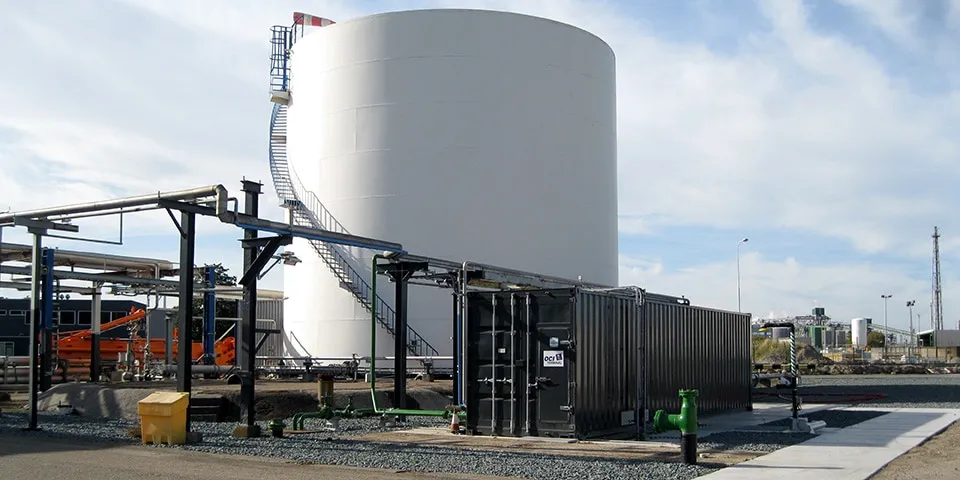
Tighter environmental requirements, sometimes limited water availability and the need to consider technologies such as water reuse mean that Logisticon Water Treatment’s mobile and modular water treatment plants are being used in an increasing number of sectors. The plants are also proving their value in the infrastructure sector. In fact, that is where it all began thirty years ago.
According to Business Developer Pieter van Staveren, Logisticon invented modular and mobile water treatment. “Our mobile and modular plants have traditionally been used for excavations and soil remediation. In many cases, groundwater that is pumped out cannot be discharged directly into surface water because it contains substances not naturally present in the soil. Our plants filter these substances out of the water, making it suitable for discharge. In this way, for example, we made a significant contribution to the construction of the Utrecht metro system, where groundwater was treated at a capacity of 300 m3/hour.”
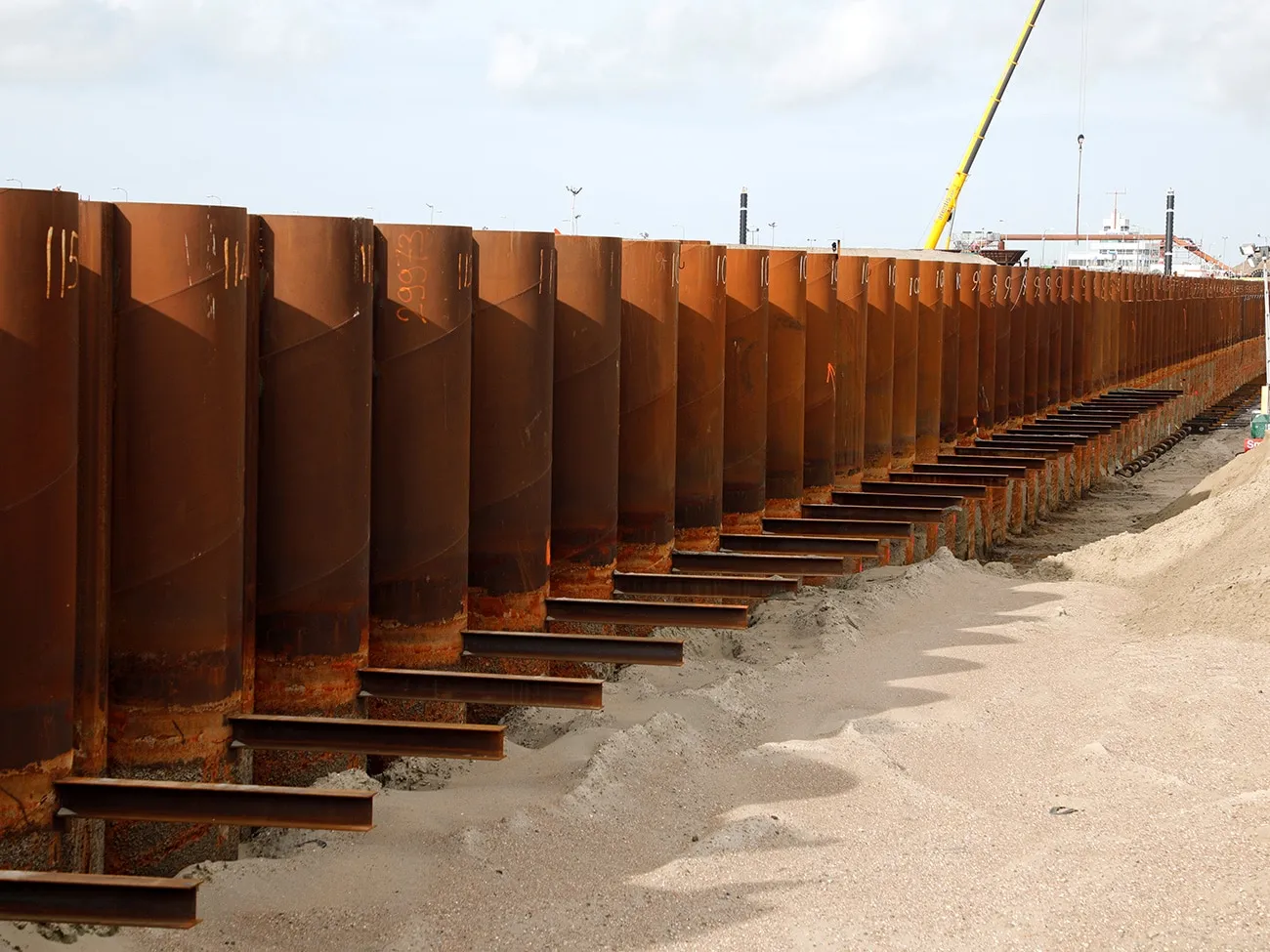
Modular membrane bioreactor (MBR) plant.
Availability
Industry is also increasingly benefiting from modular and mobile plants, says Van Staveren. “Utilities are also changing in response to tighter environmental requirements and growth or contraction in certain markets. Our modular plants for process water, drinking water and wastewater provide the right solution in every case, as we have demonstrated over the past thirty years. We are also seeing that water availability can no longer be taken for granted, for example as a result of drought. This is especially true when water authorities prohibit the abstraction of surface water or groundwater for a certain period. Finally, European and national legislation requires companies to demonstrate which substances are present in their wastewater and how they are treated. This also applies in the event of emergencies.”
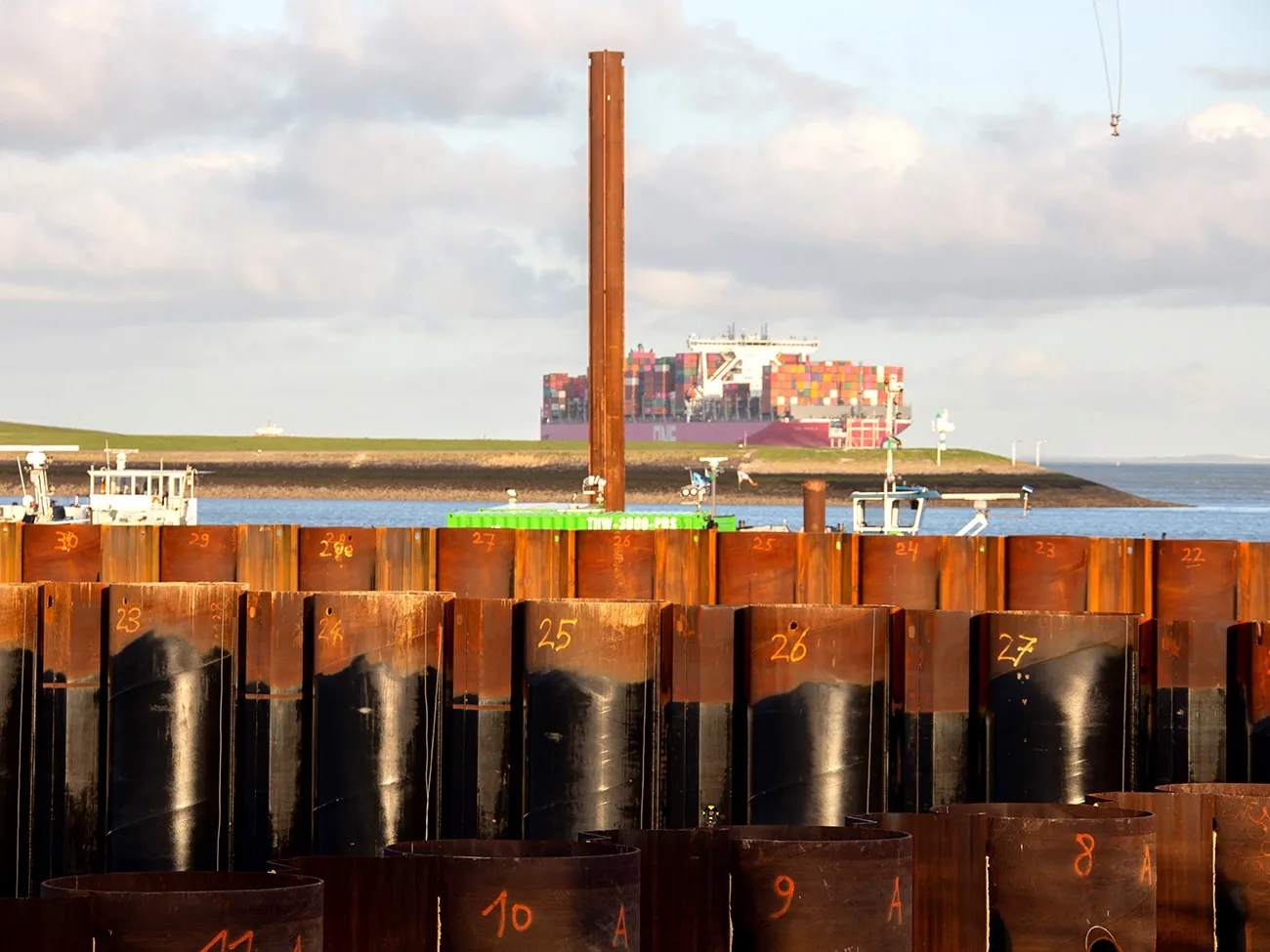
Smink membrane bioreactor (MBR) plant.
Licence to operate
Logisticon has demonstrated that it can respond quickly in the event of an emergency. Van Staveren: “Sometimes we can install a water treatment plant within 24 hours, preventing a company’s ‘licence to operate’ from being jeopardised. We also provide solutions in emergencies. For example, while the fire at Chemiepack in Moerdijk was still burning, we installed water treatment plants in record time to prevent further environmental pollution.”
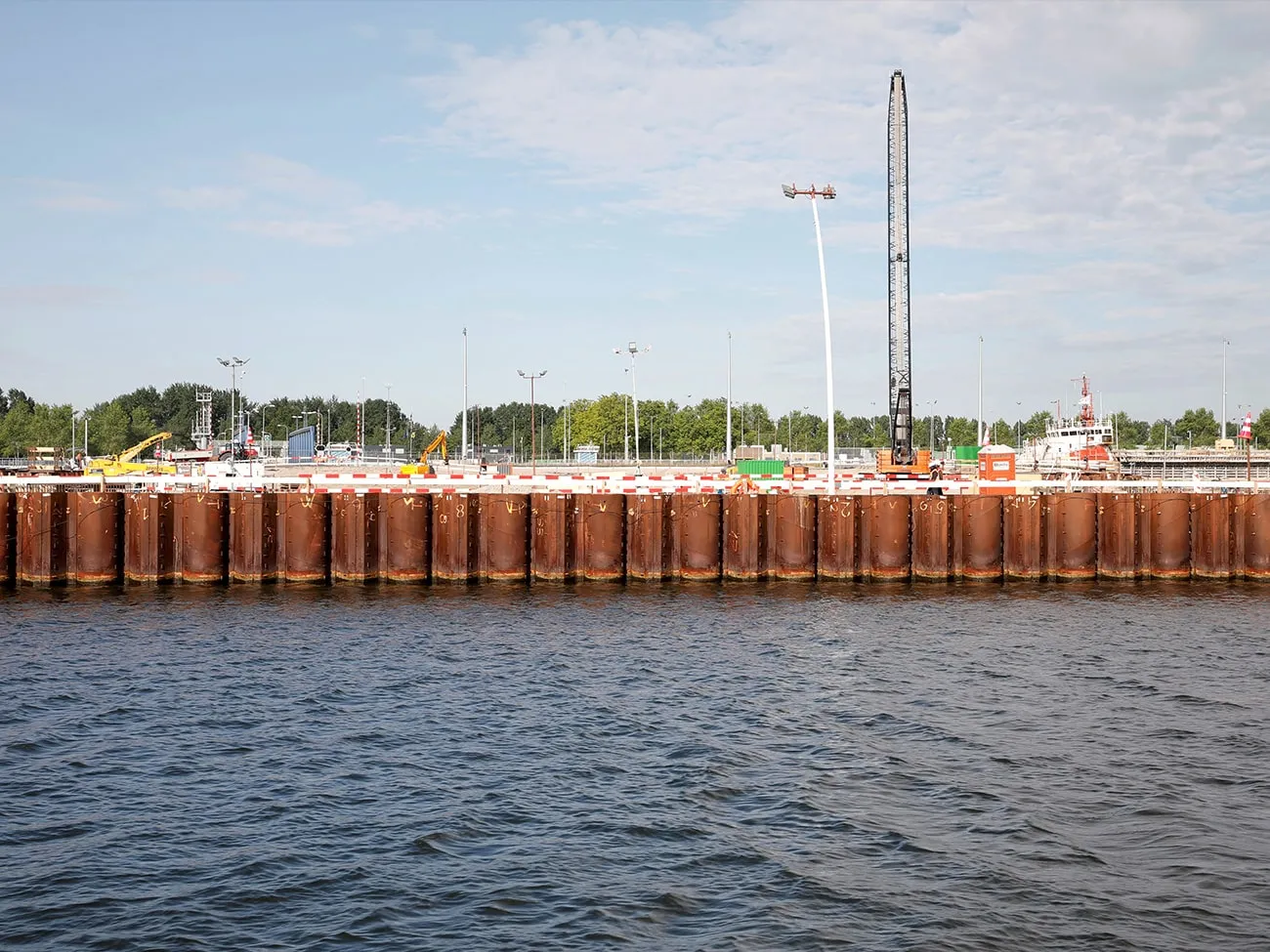
Process water treatment at Vynova in Geleen.
Win-win
Discharging wastewater is still often seen as the most cost-effective option. “That is certainly not always the case,” Van Staveren says from experience. “We can show that companies can make considerable savings by reusing (waste)water. They pay less in discharge charges, meet the latest environmental requirements and need to abstract less drinking water or surface water. By taking a close, smart and creative look at processes, it may be possible, for example, to capture water halfway through a process and reuse it elsewhere in another process. A win-win.”
Technologies
Alongside traditional technologies, Logisticon has also relied on membrane technology for several decades. “Together with membrane suppliers, technology providers and our customers, we have carried out extensive research into this technology. We have continued to refine it to enable a wider range of applications while reducing the use of chemicals, energy and so on. The great thing about our plants is that we can tailor them to the specific situation. This also allows us to respond very quickly to changing demand or an emergency. Our plants may often be mobile and modular, but in many cases, especially in industry, they are permanently installed,” concludes Van Staveren.
Question about this story? Ask your question
Keep following this
Get an email when a new story is published. No account needed.
- ThemeLower emissions and more reuse
- SubjectSpecials







