









Tailor-made bio-based binders for optimum sustainability
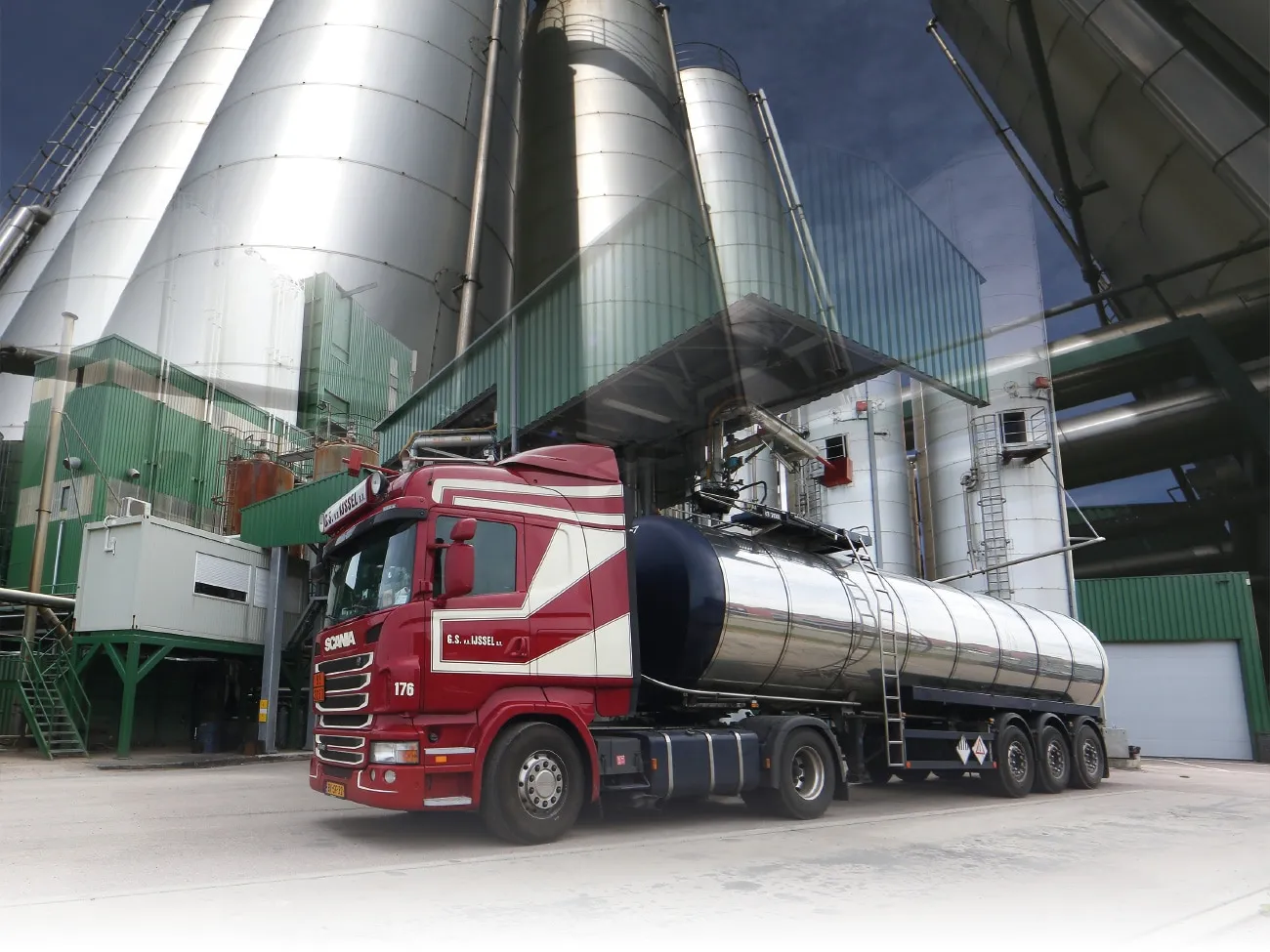
Reusing polymer-modified asphalt? Sustainability at its best
Following the high residual value of Sealoflex modified asphalt 20 years after laying, a new Sealoflex polymer-modified binder has been developed in close collaboration with AsfaltNu to enable the reuse of old polymer-modified asphalt. As a result, a PR mix meeting the highest quality requirements was used on the Polderbaan and Aalsmeerbaan at Schiphol Airport.
This concept can also be applied to public roads. Horizontal recycling of porous asphalt and SMA planings can make a significant contribution to road authorities’ sustainability targets across their own networks, without compromising quality.
In standard asphalt concrete mixes, porous asphalt and SMA planings are used only occasionally and in small quantities. However, large quantities of porous asphalt and SMA planings cannot currently be used, despite comprising high-quality crushed stone, filler and bitumen-rich mastic. This means that using porous asphalt and SMA planings in new porous asphalt and SMA surface courses offers many benefits. Using more reclaimed asphalt pavement (RAP) is beneficial in terms of the circular economy, cost savings and a lower environmental cost indicator (MKI).
Optimising the screening process is expected to minimise material loss. One option is to screen all porous asphalt RAP to 3 mm. The best screening method depends on the facilities available at the asphalt plant. A central asphalt storage facility could provide a solution for ensuring the availability of suitable porous asphalt and SMA RAP. By fractionating and screening the material appropriately, it is possible to produce porous asphalt and SMA surface courses with at least 60% PR.
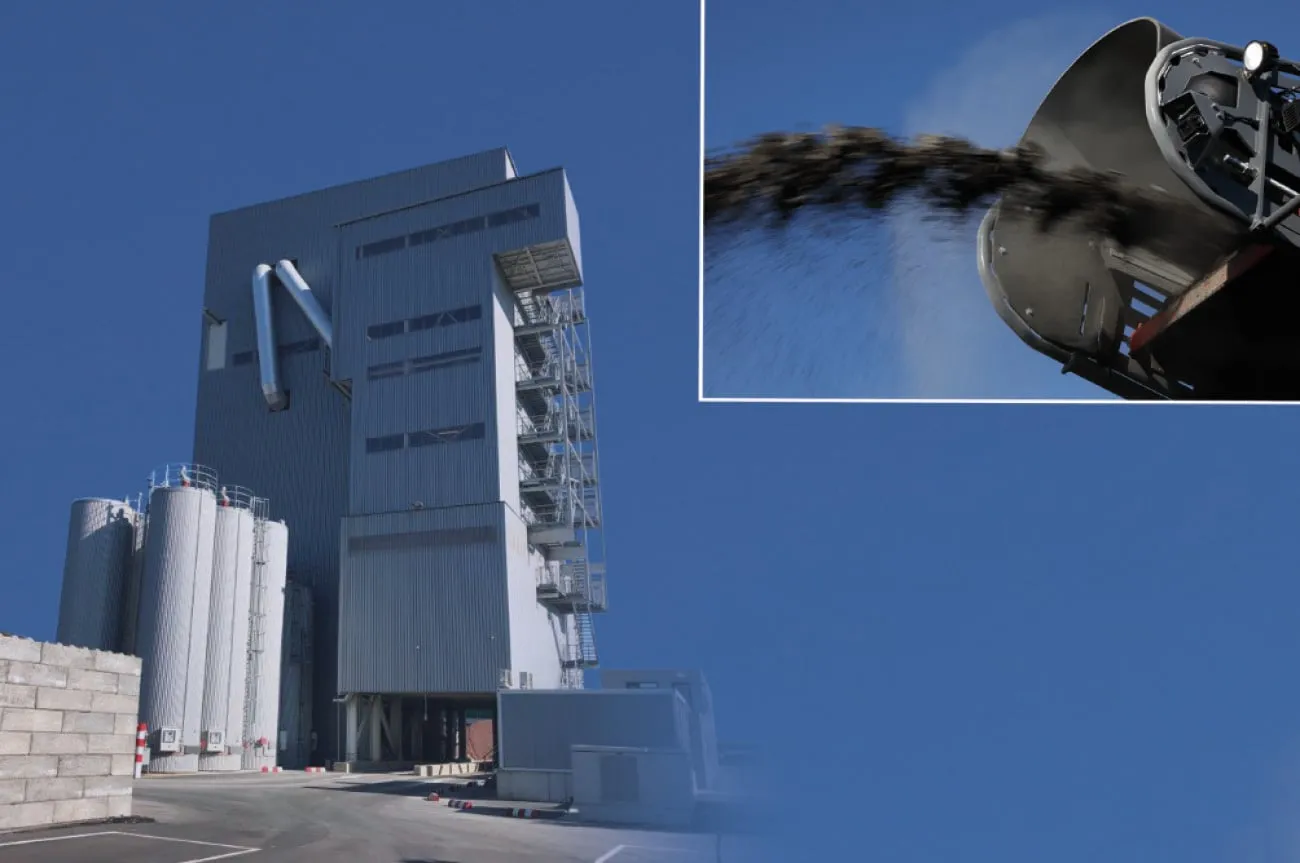
Binder quality is particularly important in a surface course with a high PR content. Poor-quality binder will result in porous asphalt or SMA that starts ravelling well before its expected service life. This is caused by the often extreme ageing of porous asphalt and SMA RAP. The new binder must therefore have a rejuvenating effect. Choosing a polymer-modified binder also ensures a long service life. With a tailored approach across the entire supply chain, reuse is possible while maintaining very high quality.
Bio-based
Sealoflex® Bio-Recycling (BR) is a product range developed specifically for this tailored approach. The bio-based rejuvenating additive is made from biological raw materials sourced from residual biomass, without displacing crops grown for food. This captures CO2 without adversely affecting food supplies. These binders combine a bio-based rejuvenating additive with an SBS polymer. The polymer modification ensures a long service life, while the rejuvenating additive improves the properties of the old bitumen in the PR and also improves adhesion between the old and newly added bitumen. Combined with a low-temperature (LT) additive, the asphalt can also be produced and laid at temperatures up to 30 °C lower. These developments will ultimately lead to 100% bio-based binders.
Question about this story? Ask your question
Keep following this
Get an email when a new story is published. No account needed.
- ThemeExtending the life of roads and civil engineering structures
- SubjectRoad construction







