









Sustainability is in its DNA
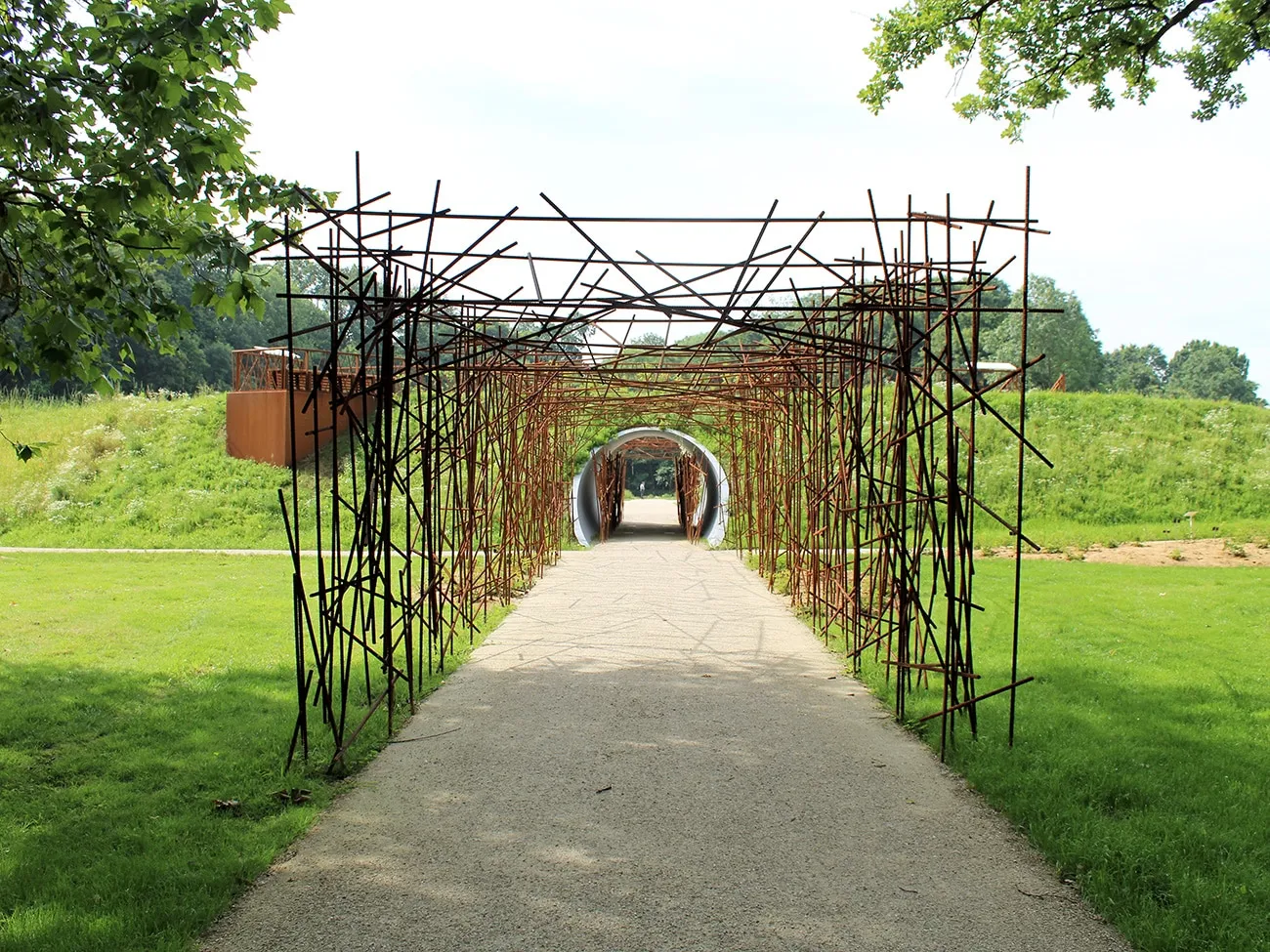
When it comes to circular and sustainable road construction, Koers from Hoogersmilde is an obvious name to look to. The company’s very origins lie in this field. More than a century after it was founded, Koersmix unbound surfacing is making a significant contribution to making public spaces more sustainable.
Unbound surfacing makes a significant contribution to sustainability
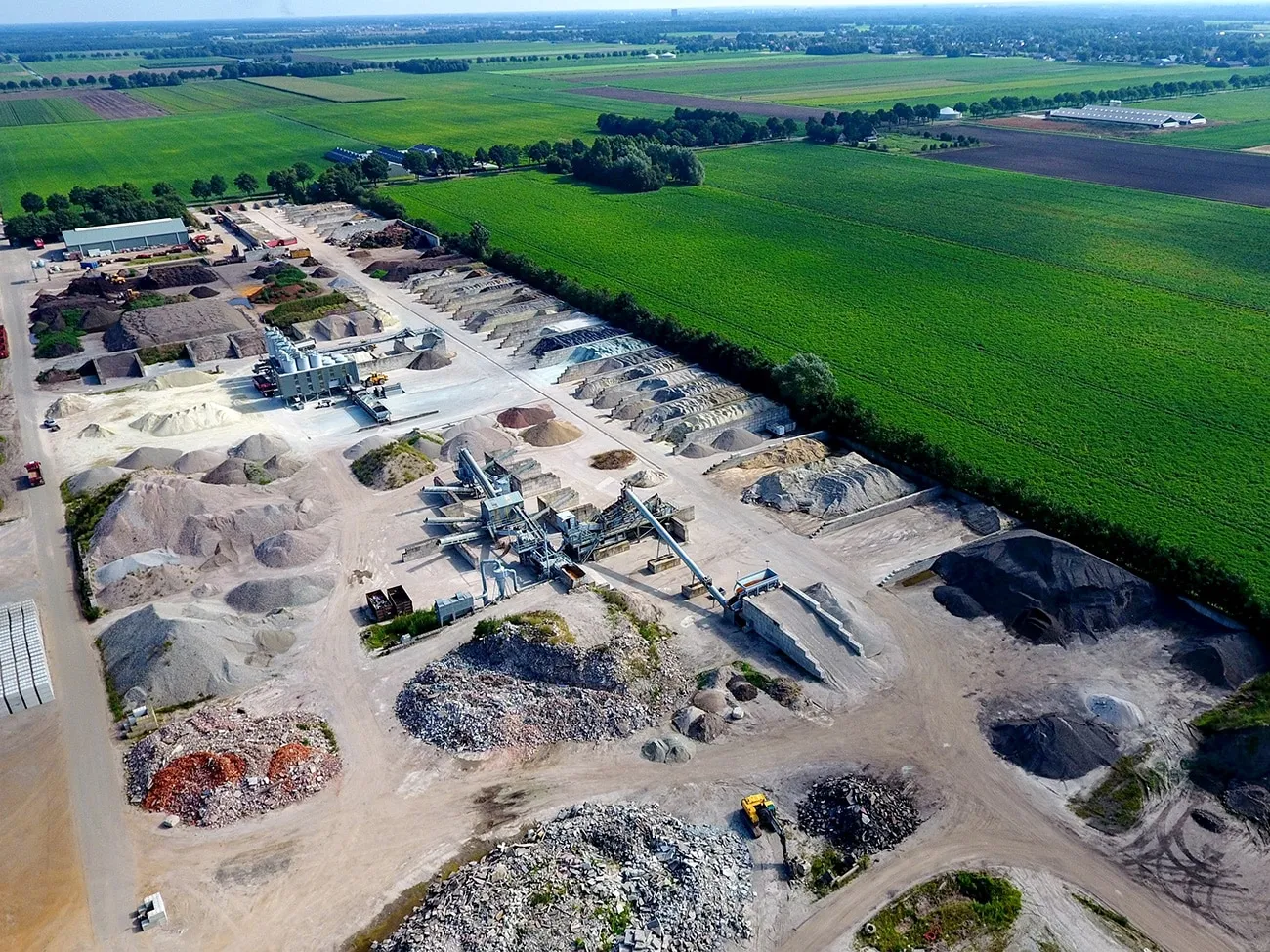
The roots of circular construction go back to the previous generation, when brothers Frits Koers and Joop Koers bought a second-hand rubble crusher to turn crushed rubble into a hardstanding for a farmyard. Even then, they were thinking about how to reuse materials and find a useful application for them. Since that time, developments in circularity and, in particular, sustainability have always guided the company in the further development of its products.
A change of generation
Sustainability came into sharper focus during the generational changeover in the 1990s. Stricter environmental requirements and the purchase of an in-house screening plant brought the origin and composition of the products increasingly under scrutiny. “We focused on reuse and product development. We began to see waste as a raw material: we bring it in, process it into new products and sell them. We didn’t use the word sustainability back then, but in practice we were already working towards it,” says Klaas Koers, reflecting on the early years of the search for the most sustainable production process possible.
Laboratory
In 1997, drawing on its experience to date, the company built its first in-house mixing plant. Quality control had become increasingly important, so the company set up its own laboratory during this period. Klaas Koers says: “We soon realised that materials expertise was at the heart of everything we did.” Since then, Koers has greatly expanded its knowledge and experience in sustainable unbound surfacing and has grown into a specialist in this field.
Koersmix unbound surfacing, which can be used for cycle and walking paths, car parks and roads, is still made largely from recycled material that is crushed, washed and screened beforehand. Each Koersmix product is then made to a unique specification to produce a homogeneous material distinguished by its high self-healing capacity, strong erosion resistance and good load-bearing capacity.
Water permeability
Thanks to the water permeability of Koersmix, which allows trees and plants to receive sufficient water, and the water-storage capacity of Koersmix unbound surfacing, Koersmix products make a significant contribution to the sustainable design of public spaces. They also help to combat heat stress, as Koersmix gets much less hot than materials such as asphalt. An added benefit is that using Koersmix on cycle and walking paths in nature reserves helps to protect the lives of many amphibians and snakes.
In addition to the benefits mentioned above, Koersmix products require little maintenance, are wheelchair-friendly, do not crack under the influence of factors such as tree roots, and are less prone to weed growth. This means that the use of herbicides can be reduced drastically, which in turn benefits the environment.
Solar panels
At Koers, the search for improvements and further ways to make the company and its products more sustainable is ongoing. A few years ago, this led to the launch of the BIO variant. This Koersmix variant uses a plant-based binder, making it stronger and more stable than the other Koersmix products. As a result, it can be used in locations where load-bearing capacity and loading requirements are demanding.
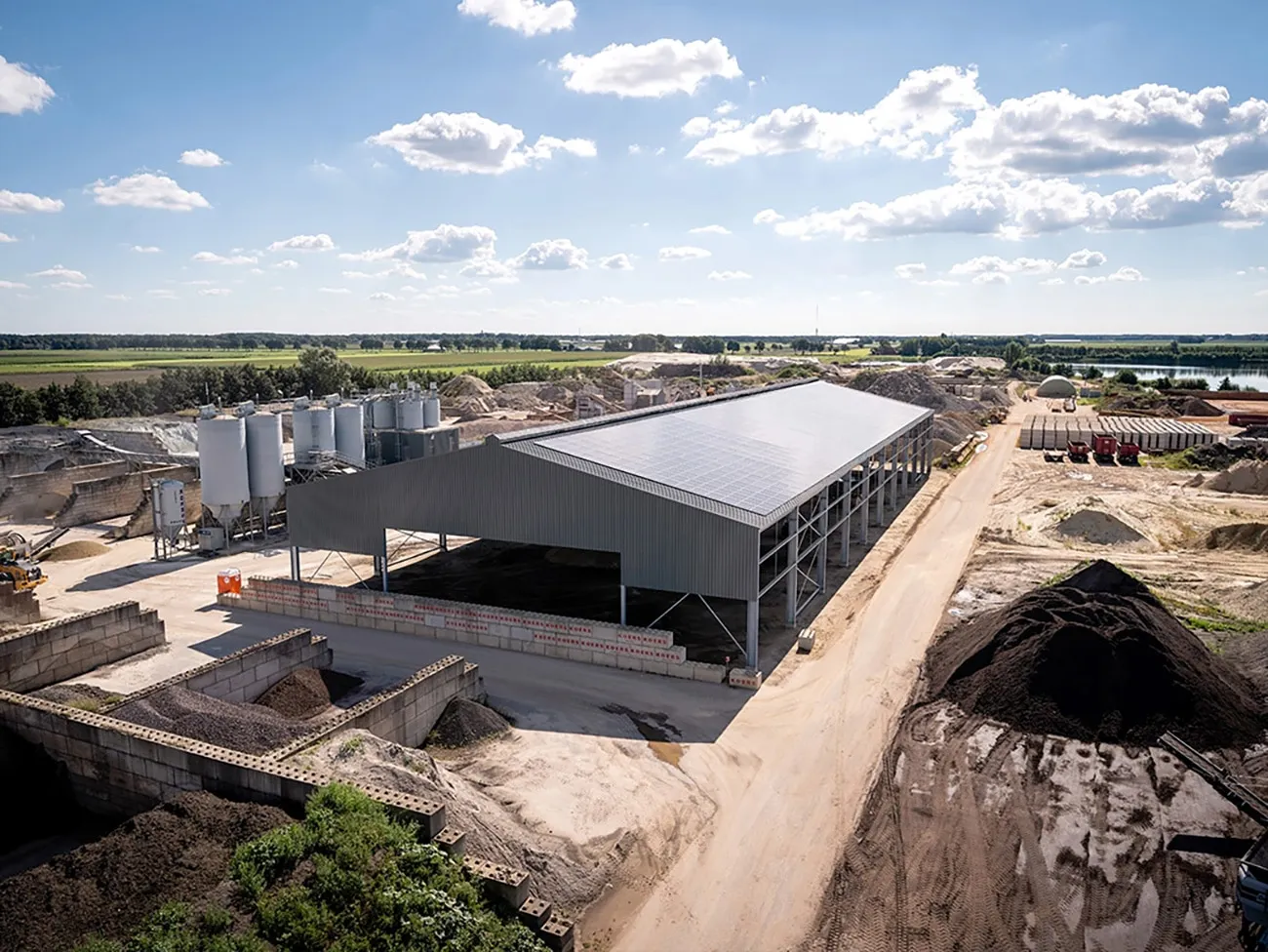
Koers’s most recent investment in sustainability was the installation of 1,600 solar panels on the drying shed at its production site in Bovensmilde. The site includes a washing plant, rubble-crushing facility and computer-controlled mixing plant, all of which are now fully self-sufficient thanks to the solar panels and therefore completely CO2-neutral. Thanks to Koers’s sustainable production process, the Koersmix unbound surfacing produced by the company has an exceptionally low Environmental Cost Indicator (MKI), averaging 1.44. Koersmix KoMex Naturel has an MKI value of just 0.9.
Question about this story? Ask your question
Keep following this
Get an email when a new story is published. No account needed.
- ThemeLower emissions and more reuse
- SubjectRoad construction







