









Rejuvenator for asphalt mixes
Text Chris Elbers Beeld Latexfalt
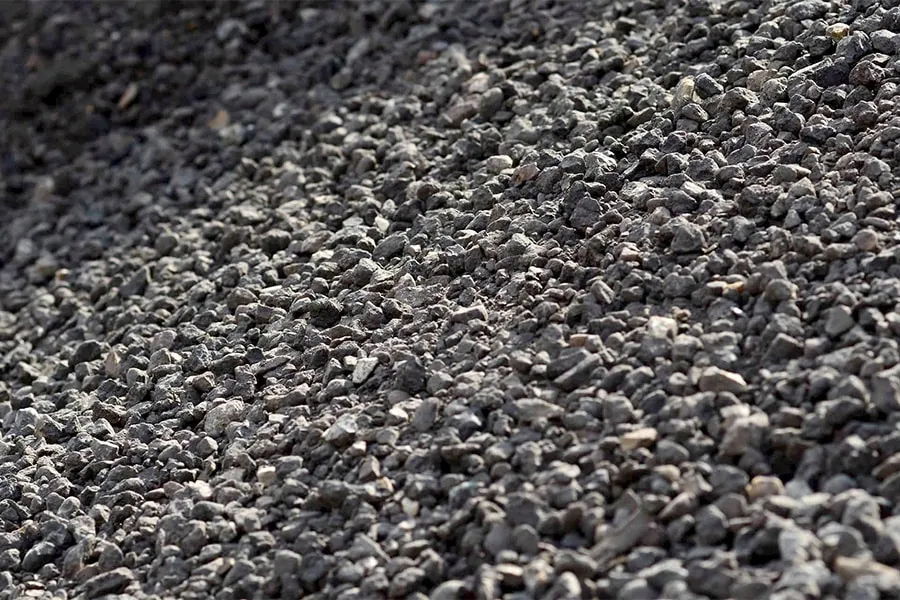
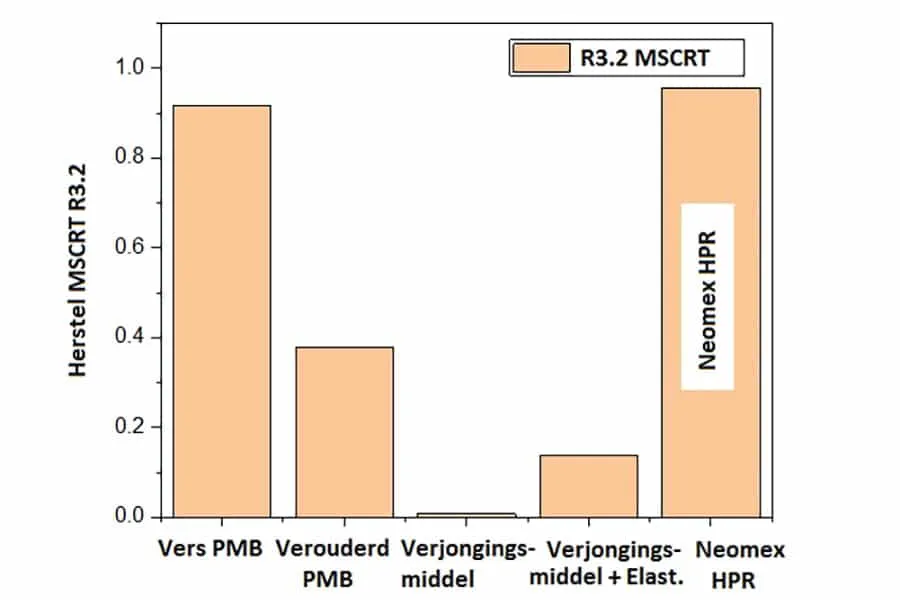
Polymer-modified bitumen has been used for many years to cope with increasingly heavy traffic flows. Such reclaimed asphalt is not only a valued solution for heavily trafficked road structures, it is also indispensable in (porous) thin noise-reducing surface courses, thanks to its wide range of applications and accepted service life. Latexfalt is adding even greater value to these benefits. With Neomex® HPR, the company has developed a bio-based rejuvenator that fully restores, among other things, the original properties of polymer-modified bitumen (PmB) during recycling.
Asphalt is increasingly being reused in the Netherlands through partial recycling. This includes old polymer-modified asphalt (PmA), which contains PmB. “It is an excellent raw material from an environmental perspective,” says Anthon Tolboom, managing director of Latexfalt. “Research has shown that emissions from old PmA reclaimed asphalt are the same as those from unmodified reclaimed asphalt. The chemical structure of the polymers used is comparable to that of the bitumen components. Old PmA still contains active polymer, making it highly suitable for use in new asphalt mixes. Using the bio-based rejuvenator Neomex® HPR now also makes it possible to rejuvenate the bitumen, restore the polymer network and retain the full value of the reclaimed asphalt.”
A new standard
That is not all. Because the base bitumen gains thermal stability when PmB is processed at high temperatures, the material also changes less than unmodified bitumen when reused. “Thanks to our new rejuvenation technology, horizontal recycling of PmA can become standard practice,” Anthon continues. “At the same time, this high-quality reclaimed asphalt is used fully and very effectively.”
Two components
The amount of Neomex® HPR required depends both on the percentage of reclaimed asphalt used and on how much the recycled asphalt has aged. The two components of the rejuvenator must also be dosed in a strict sequence. “We recommend briefly homogenising both components separately before use,” says Anthon. “Our advisers will be happy to tell you more.”
Question about this story? Ask your question
Keep following this
Get an email when a new story is published. No account needed.
- ThemeExtending the life of roads and civil engineering structures
- SubjectRoad construction







