









On the road to sustainable asphalt
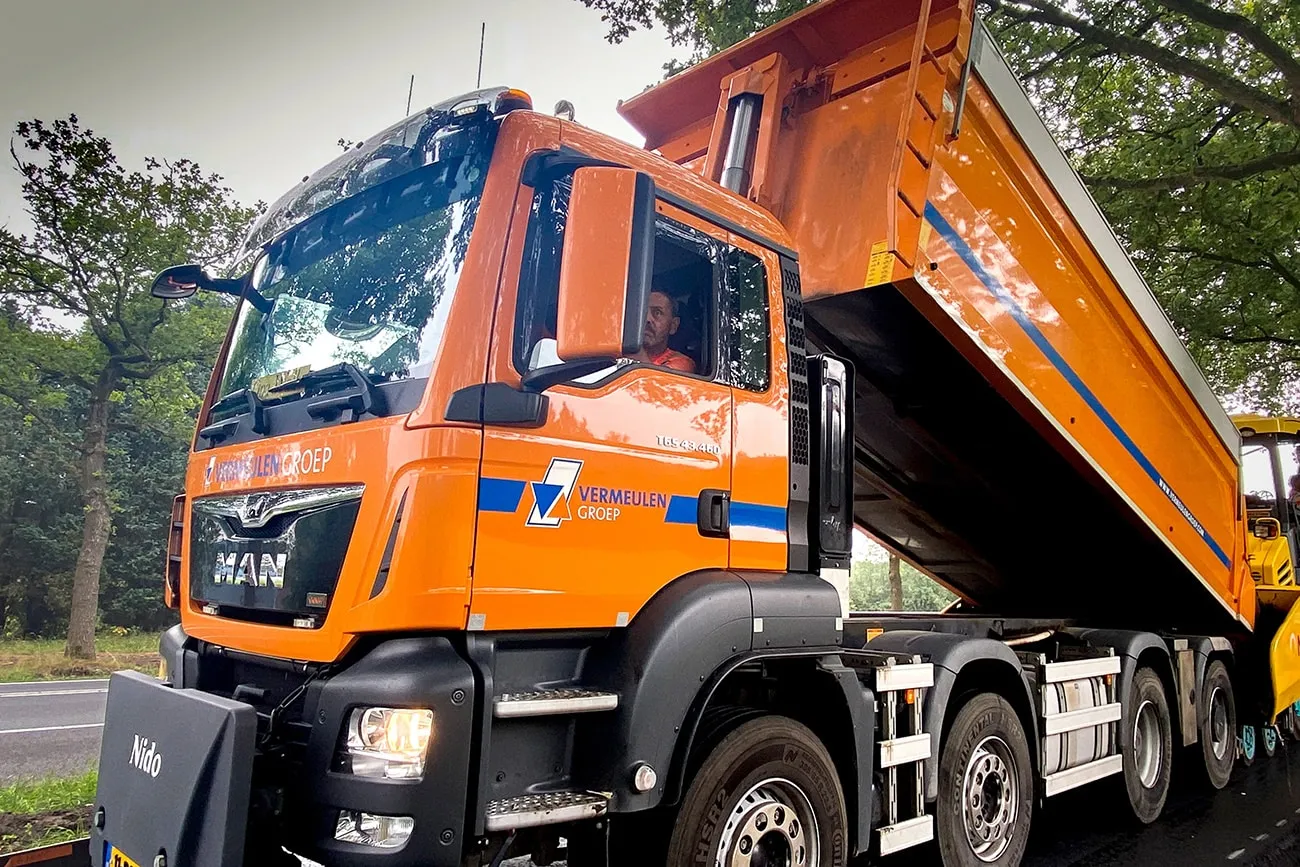
In almost five decades, Vermeulen Groep has grown into the leading integrated specialist in the construction, management and sustainable maintenance of infrastructure in the public realm. This includes maintaining the road network. Sustainability is the common thread running through Vermeulen Groep’s operations. Asphalt is one material where there is still plenty of scope for progress. That is why Vermeulen Groep is working with partners to develop sustainable alternatives, such as Harsfalt, Grasfalt and Lynpave.
Vermeulen Groep has been a trusted partner of Rijkswaterstaat, provinces, municipalities and water authorities for many years. “We are a maintenance contractor specialising in road markings, green spaces, safety barriers, traffic technology, incident management, noise barriers, winter maintenance, asphalt and asset management, among other things,” says commercial director Sophia van Bakel. “We take responsibility and invest in sustainable solutions so that by 2030 we can work on Dutch roads in a climate-neutral way. Making asphalt more sustainable is a key part of this.”
Harsfalt
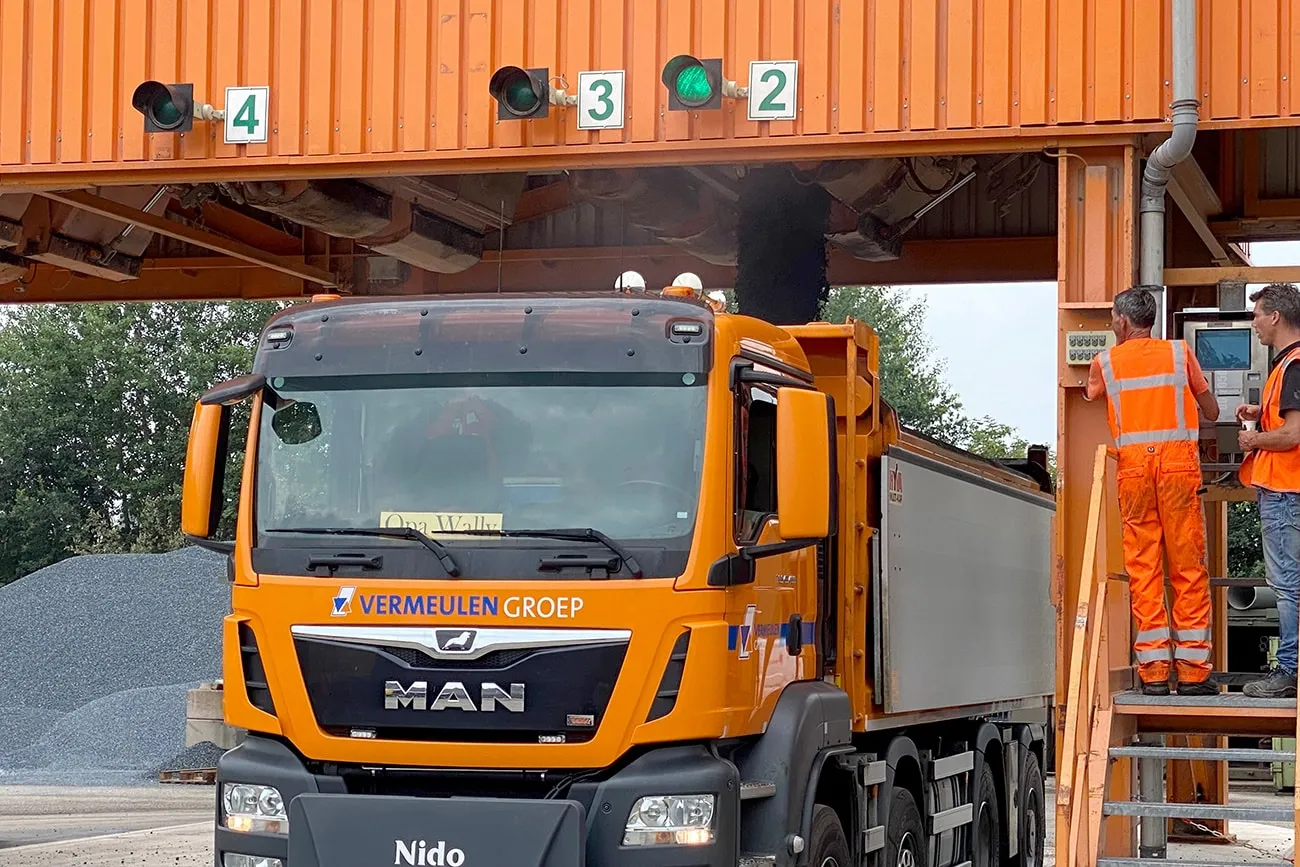
Harsfalt is one of the latest developments in sustainable asphalt, helping to reduce the use of fossil raw materials. “In this type of asphalt, the bitumen derived from crude oil is replaced 100% by a bio-based binder,” Van Bakel explains. “The binder contains a blend of bio-based oils, resin and lignin from elephant grass.” Vermeulen Groep developed Harsfalt together with Mourik Infra, NTP, Versluys Groep and ReintenInfra. Esha and Miscancell supply the raw materials. “We are working with these parties through Asfalt Kennis Centrum, which conducts the research and monitoring. In August 2022, we laid the first two Harsfalt trial sections in the municipalities of Assen and Oude IJsselstreek. These sections will be monitored for four years, including for changes in their properties as they age.”
Grasfalt
Alongside Harsfalt, there is another type of sustainable asphalt called Grasfalt. “This too was developed jointly with parties affiliated with Asfalt Kennis Centrum, including Miscancell and NTP,” says Van Bakel. “In Grasfalt, 50% of the fossil-based bitumen is replaced by lignin from elephant grass. The result is a sustainable, noise-reducing surface course. It is sustainable because the elephant grass absorbs CO2 and the asphalt is produced at a lower temperature. We have also laid a trial section of this material, on Abram van Rijckevorselweg in the municipality of Capelle aan den IJssel. Asfalt Kennis Centrum will once again monitor it over the coming years.”
Lynpave
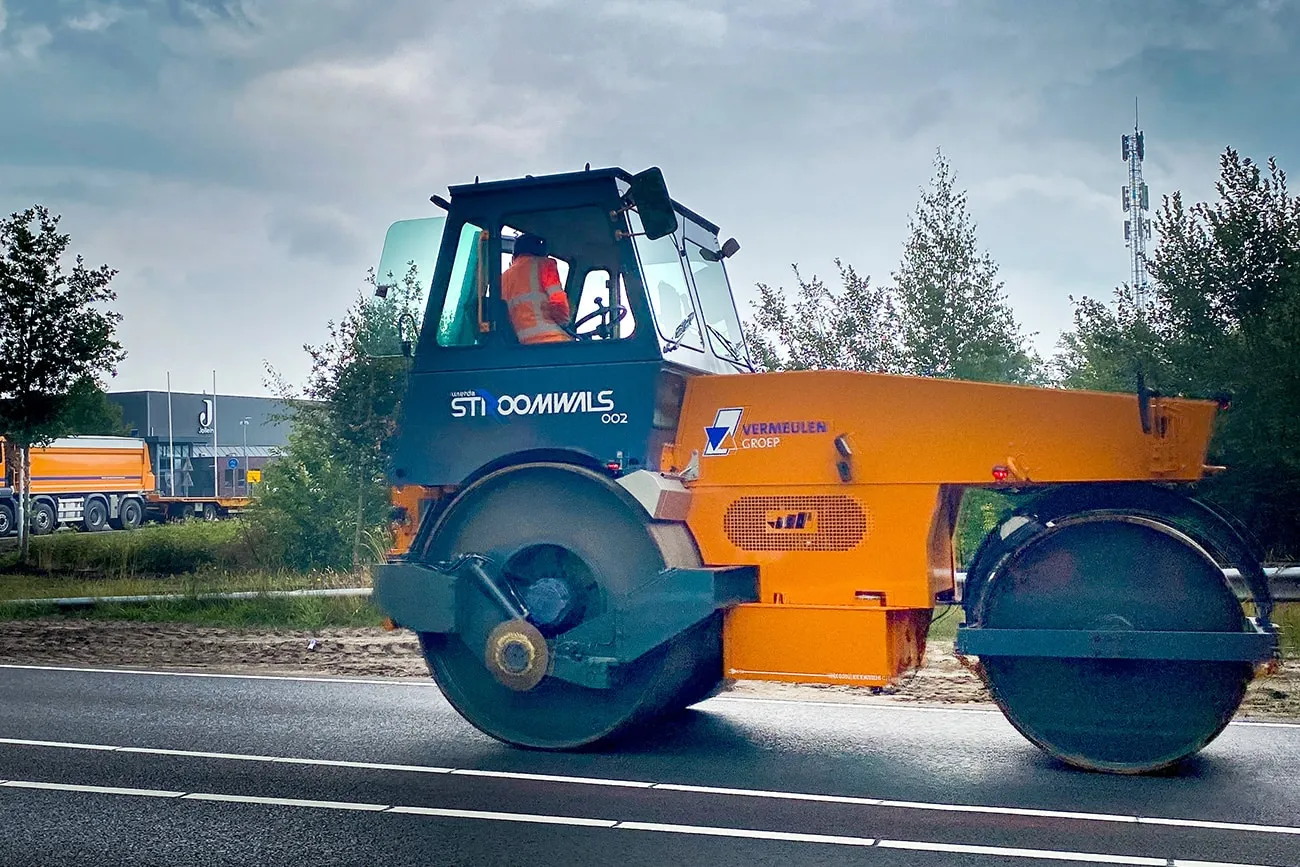
Besides eliminating fossil-based bitumen, there is also significant environmental benefit to be gained by lowering the temperature at which asphalt is mixed. Vermeulen Groep is working on this too. Van Bakel says: “Together with AKC, we developed Lynpave, an additive for asphalt mix that allows it to be produced at a lower temperature. This results in a substantial reduction in CO2 emissions. Vermeulen Groep was commissioned by Provincie Zuid-Holland to take a sustainable approach to major maintenance on the N207C Gouda-Boskoop provincial road. A total of 4,000 tonnes of Lynpave® asphalt was laid. The road is in excellent condition so far, but will of course be closely monitored over the coming years.”
Different properties
Vermeulen Groep’s focus on developing several types of sustainable asphalt is all down to their different properties. “You can’t use just one type of asphalt for every situation,” Van Bakel acknowledges. “The Dutch road network already comprises many different variants. Depending on the location, conditions and traffic volume, properties such as noise reduction, water permeability or a particular type of aggregate may be required.”
“With sustainable asphalt types and additives, we can significantly reduce the environmental impact of asphalt,” Van Bakel sums up. “The initial results are very promising. We are also prioritising sustainability and circularity in our other areas of expertise. For example, we are currently working on the further development of the Groene Hart Waterstof project, a machine that turns roadside grass and pruning waste into electricity, biochar (a soil improver) and, ultimately, hydrogen. We are also investing heavily in electrifying our fleet of vehicles and machinery. Sustainability is therefore at the top of the agenda across the board.”
Have a business enquiry for Vermeulen Groep? Get in touch
Companies in this story
Keep following this
Get an email when a new story is published. No account needed.
- ThemeExtending the life of roads and civil engineering structures
- SubjectRoad construction
- CompanyVermeulen Groep
- CompanyMourik







