









How road maintenance can be faster, cheaper and better
Text Susan PeekImage Topcon
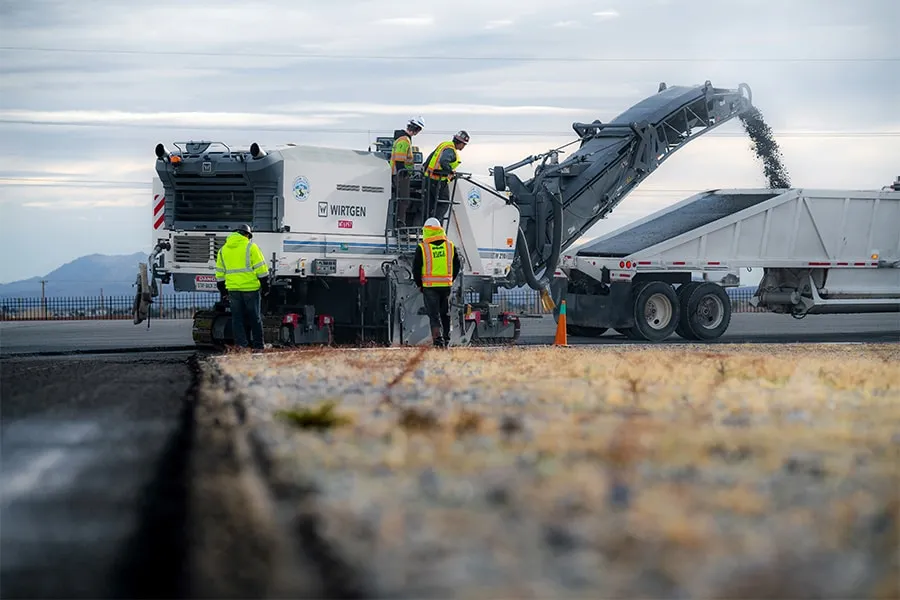
Road maintenance in the Netherlands has been done in the same way for decades. Craftsmanship plays an important role, but the sector now faces ever greater challenges. Tighter deadlines, a shortage of skilled workers and stricter CO2 restrictions make it essential to embrace new technologies. They help contractors tackle these challenges more effectively.
Any contractor knows the road maintenance process by heart: survey the road using cross-sections, prepare a design showing how much of the road needs to be milled, spray those figures onto the road, then set the milling machine operator to work, often relying on experience, before laying and rolling the asphalt. It sounds like a well-oiled process, but it does not always produce a smooth, comfortable road surface for traffic. There may, for instance, be a gap between the cross-sections, or the weather may be poor during milling, making it difficult for the operator to see the marked figures.
A people-driven process
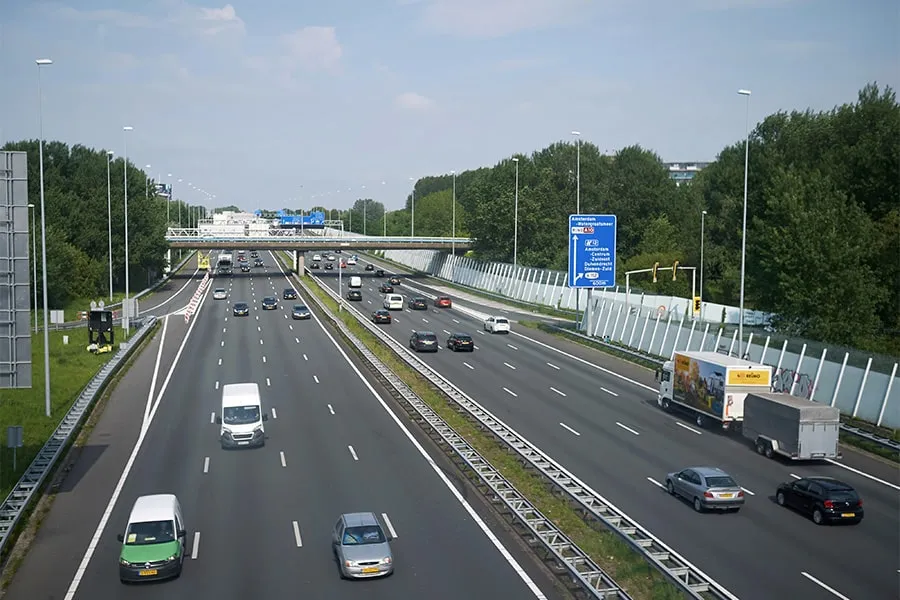
Road maintenance remains a people-driven process, and contractors face further challenges. “Qualified staff are scarce, and few young people are entering the sector. The average age of an asphalt paving crew is around 50,” says Jan Mennink, senior product manager, Paving, at Topcon. “Deadlines are also getting tighter, and road maintenance inevitably disrupts traffic,” says Sjoerd Stoové, team manager, 3D Paving, at Topcon. “The shorter the road closure, the better. Major maintenance projects therefore often have to be carried out at night and at weekends, when the contractor’s regular qualified staff are unavailable. This means hiring in workers, which can result in teams that are less used to working together. Cost control is another important consideration, helping to avoid unexpected surprises during the work.”
Digital control of design and milling
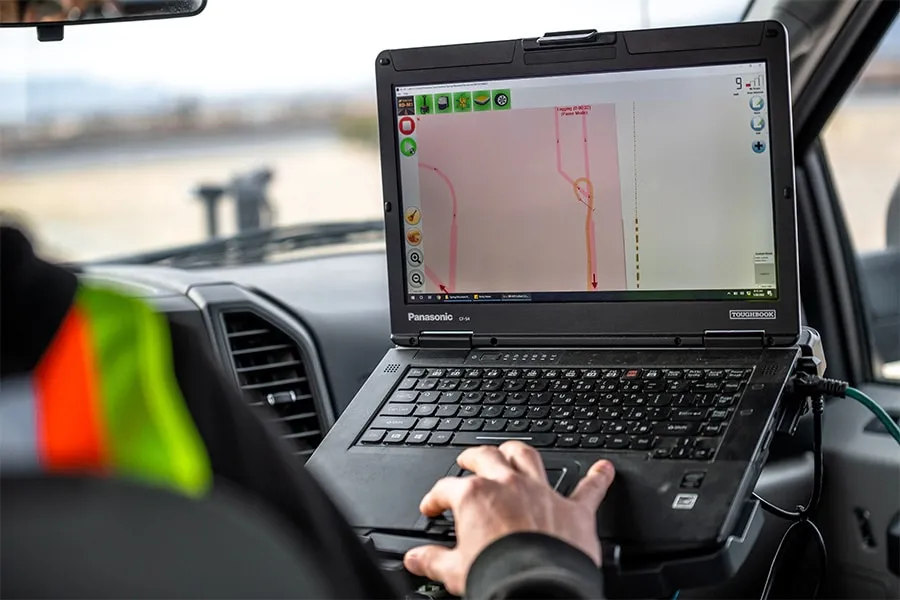
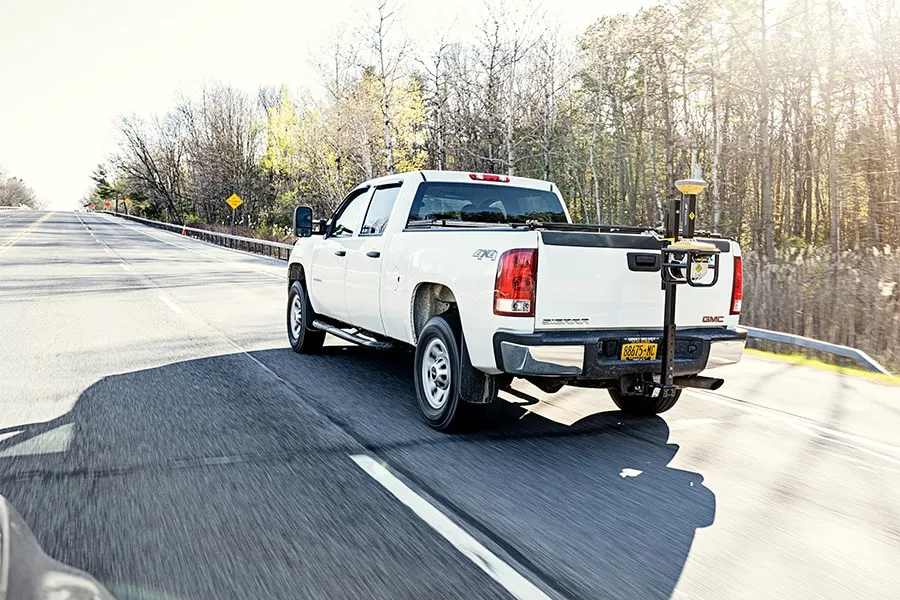
As in many other sectors, technology can have a huge impact on road construction. Topcon’s Smoothride offers solutions to the challenges outlined above and brings further benefits. “Smoothride makes it possible to survey the entire road quickly and accurately. Just one pass along a lane gives you a point cloud containing millions of points,” says Sjoerd. “Designing the new road is then easy, as is milling. The process is controlled entirely digitally. Smoothride compares the scan of the existing situation with the design and calculates exactly how many millimetres of the asphalt layer need to be milled off,” Sjoerd explains. “It is fully automated, so the operator only has to drive. Smoothride takes a lot of work off people’s hands, so you need fewer qualified staff and the whole process is faster.”
Predictability in road maintenance
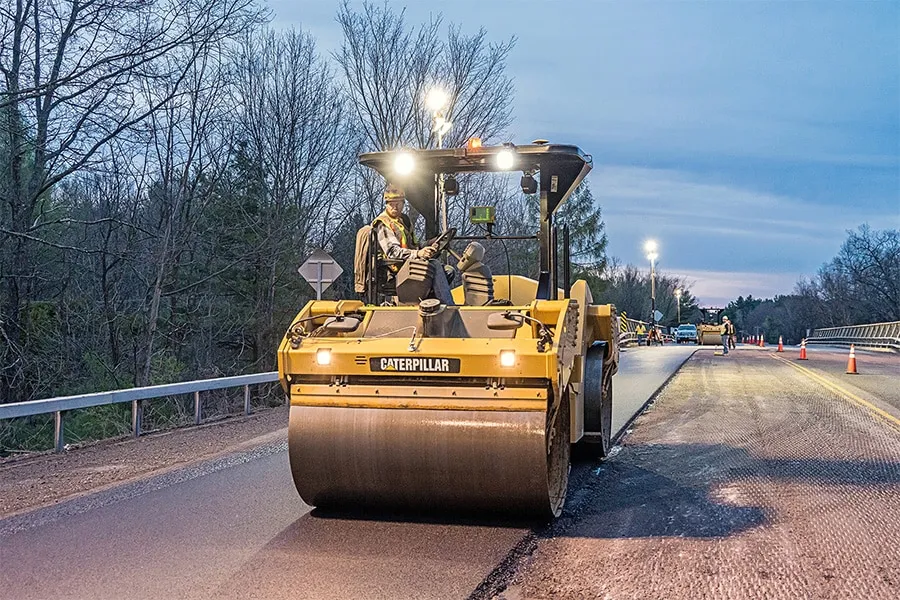
The result after milling is a completely flat road surface, the perfect base for a single, uniform layer of asphalt that is flat and evenly thick after rolling. “In the Netherlands, a new asphalt layer must meet a specified minimum thickness after rolling,” says Jan. “To avoid laying too thin a layer over uneven areas, contractors allow a generous margin. With Smoothride, the milling can be so even that the layer thickness can be predicted very precisely, allowing for a smaller margin. On a large surface such as a road, this can save tens of thousands of euros in asphalt.” Smoothride makes road maintenance more predictable by calculating with great accuracy how many tonnes of asphalt need to be milled off and how many tonnes of new asphalt are needed. Sjoerd says: “This predictability is very useful for contractors.”
Innovation: skipping the design stage
Topcon recently introduced a new feature for Smoothride: Virtual Ski. The road scan is loaded directly into the milling machine. Sjoerd says: “We effectively skip the design stage, as the design is created live on the milling machine. Virtual Ski’s virtual sensors ensure highly accurate milling. The machine also ‘looks through the bend’.” Jan adds: “A conventional ski cannot do that. It looks ahead, so it looks beyond the bend. But because Smoothride gives us the road alignment, Virtual Ski knows it too.”
Even without this feature, however, contractors can work much faster with Smoothride: it speeds up road maintenance, improves road quality and cuts costs. Sjoerd explains: “You can survey the road in the morning, have the design ready by the afternoon and start the work that night. By the following morning, the road has a new surface.”
Een zakelijke vraag aan Topcon Positioning Netherlands? Get in touch
Companies in this story

Keep following this
Get an email when a new story is published. No account needed.
- ThemeExtending the life of roads and civil engineering structures
- SubjectRoad construction
- CompanyTopcon Positioning Netherlands







