









Extensive geotechnical investigation ahead of N50 widening
Widening the N50 trunk road between Kampen and Kampen Zuid is a long-term undertaking. Eight years ago, budget cuts put the project on hold.
Now that the region is paying half the cost itself, the project may finally go ahead. Van Dijk geo- en milieutechniek has already carried out geotechnical investigations and installed monitoring wells with data loggers to monitor the current groundwater level 24/7 for a year. This will provide the basis for the new road design.
At present, traffic jams regularly occur during peak periods on the Kampen–Kampen Zuid section of road. The main reason is that there is only one lane in each direction. There is also no physical separation between the carriageways, increasing the risk of head-on collisions. As business activity in and around Kampen grows, traffic on the road is expected to increase in the coming years. This is why the road is to be widened to a dual carriageway with 2×2 lanes. The road will have a physical separation between the carriageways and a speed limit of 100 km/h between the Kampen and Kampen Zuid junctions.
All disciplines under one roof
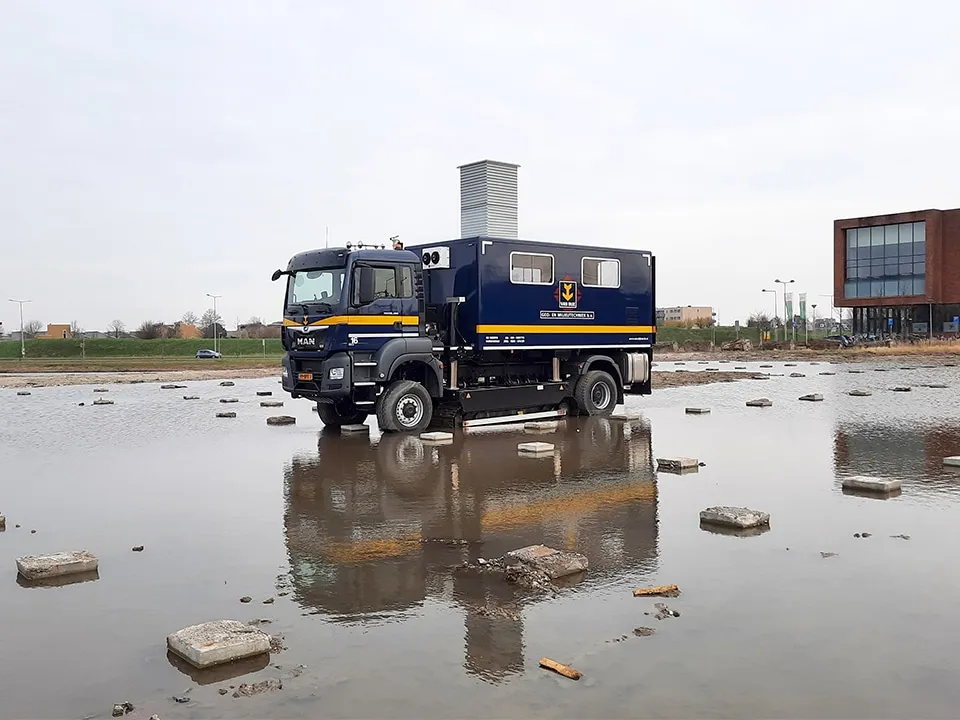
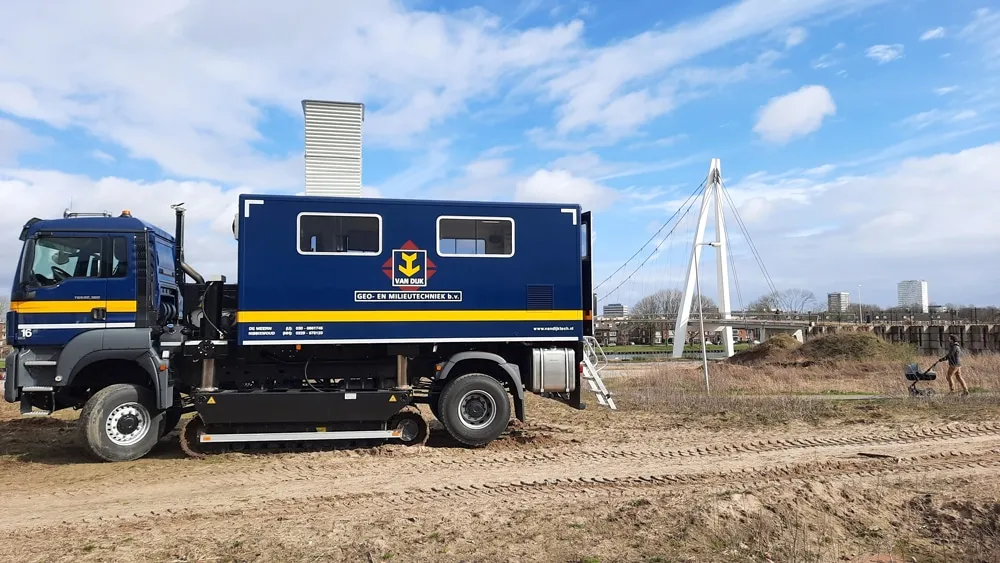
Although construction is still some way off, with the N50 widening scheduled for 2023, a number of preparations have already been made, including by Van Dijk geo- en milieutechniek. In mid-2020, the company carried out geotechnical investigations, including cone penetration tests, testing the existing asphalt for tar content (for possible reuse) and installing monitoring wells. One advantage is that Van Dijk brings together almost every discipline in geotechnical and environmental engineering under one roof. This means clients have just one point of contact. Carrying out the required work safely on this project called for careful preparation, particularly as Van Dijk staff were sometimes working close to the road, making traffic management measures necessary. Securing all the necessary permits takes a great deal of time. For this reason, some of the work was carried out under the permits for mowing the verges and washing the hectometre markers, during the evening and night between 21:00 and 03:30.
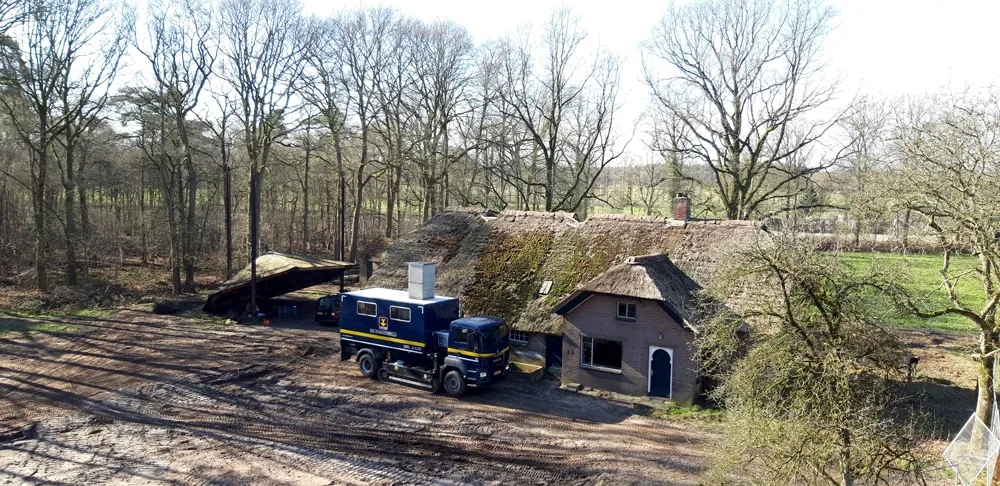
Van Dijk geo- en milieutechniek ultimately planned and coordinated all the work within 10 metres of the carriageway so that it could be completed over two nights. It was a very busy operation, with surveyors, cone penetration test rigs, drilling rigs for asphalt core sampling and for installing the monitoring wells, among other equipment. Everything had to be cleared away by 03:30, leaving the road spotless. The monitoring wells with data loggers are at eight locations along a stretch of several kilometres. The aim is to gather as much information as possible over the course of a year on the phreatic groundwater level and the pore water pressure in deeper confined sand layers, to inform the future road design. The current level is measured every minute and stored on a server. Van Dijk prepares a report on the data every two weeks and sends it to the client.
Question about this story? Ask your question
Who worked on N50
- geotechnical investigationVan Dijk geo- en milieutechniekIn this story
- Environmental and road safety impacts
 TauwMentioned in An integrated design that fits the surroundings
Keep following this
Get an email when a new story is published. No account needed.
- ProjectN50
- SubjectRoad construction
- CompanyVan Dijk geo- en milieutechniek







