









Asphalt industry on track to meet climate targets
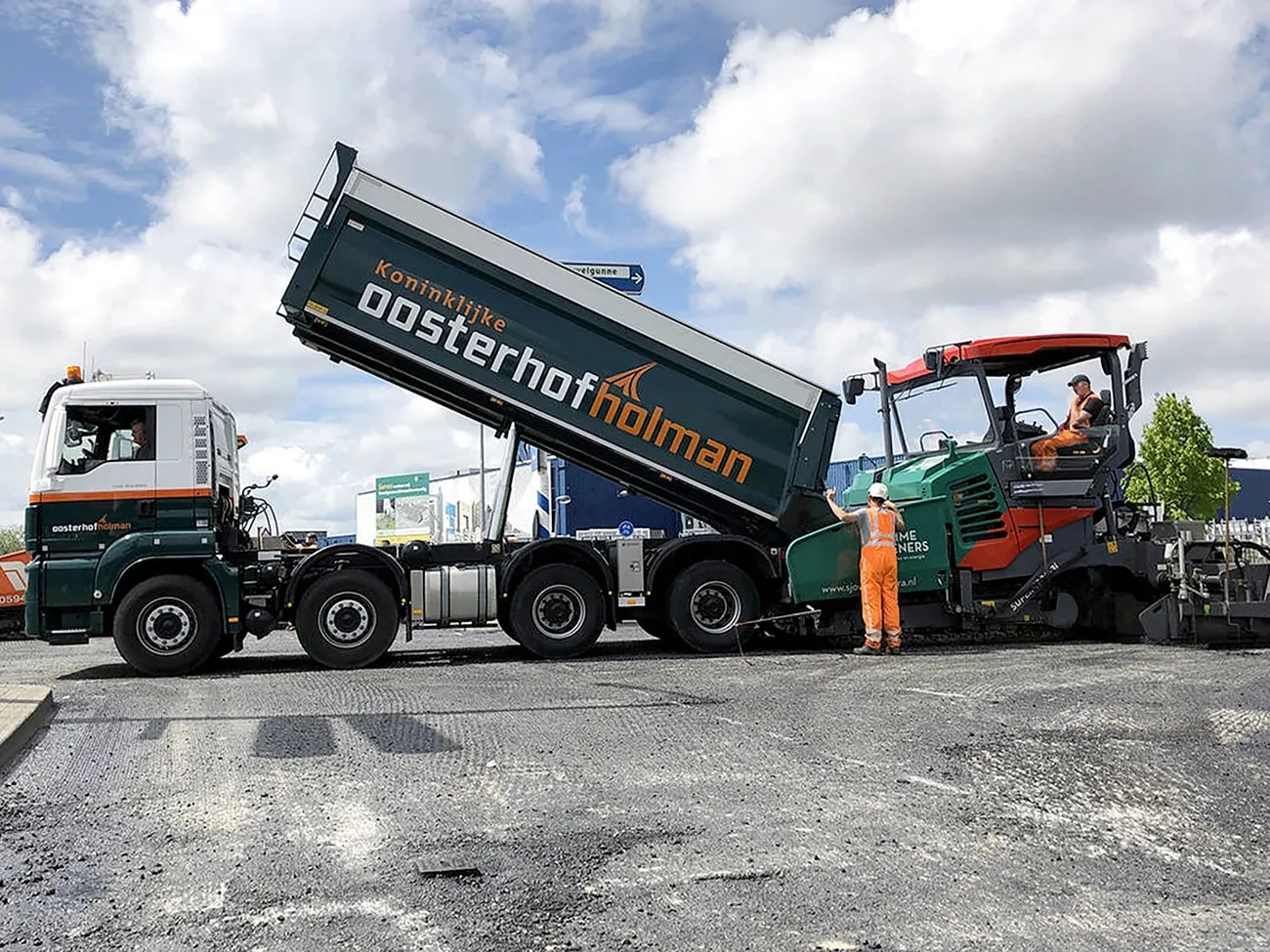
The Asfalt Kennis Centrum (AKC) has had a new director since 1 March. Ralph Venema made his name in the bitumen industry, so he knows the challenges facing the asphalt sector. “We are an extremely polluting industry and addicted to fossil raw materials. Under the Paris climate agreement, we have to meet our first climate targets by 2030. I am convinced we will succeed. There are plenty of biological alternatives.”
New AKC director Ralph Venema
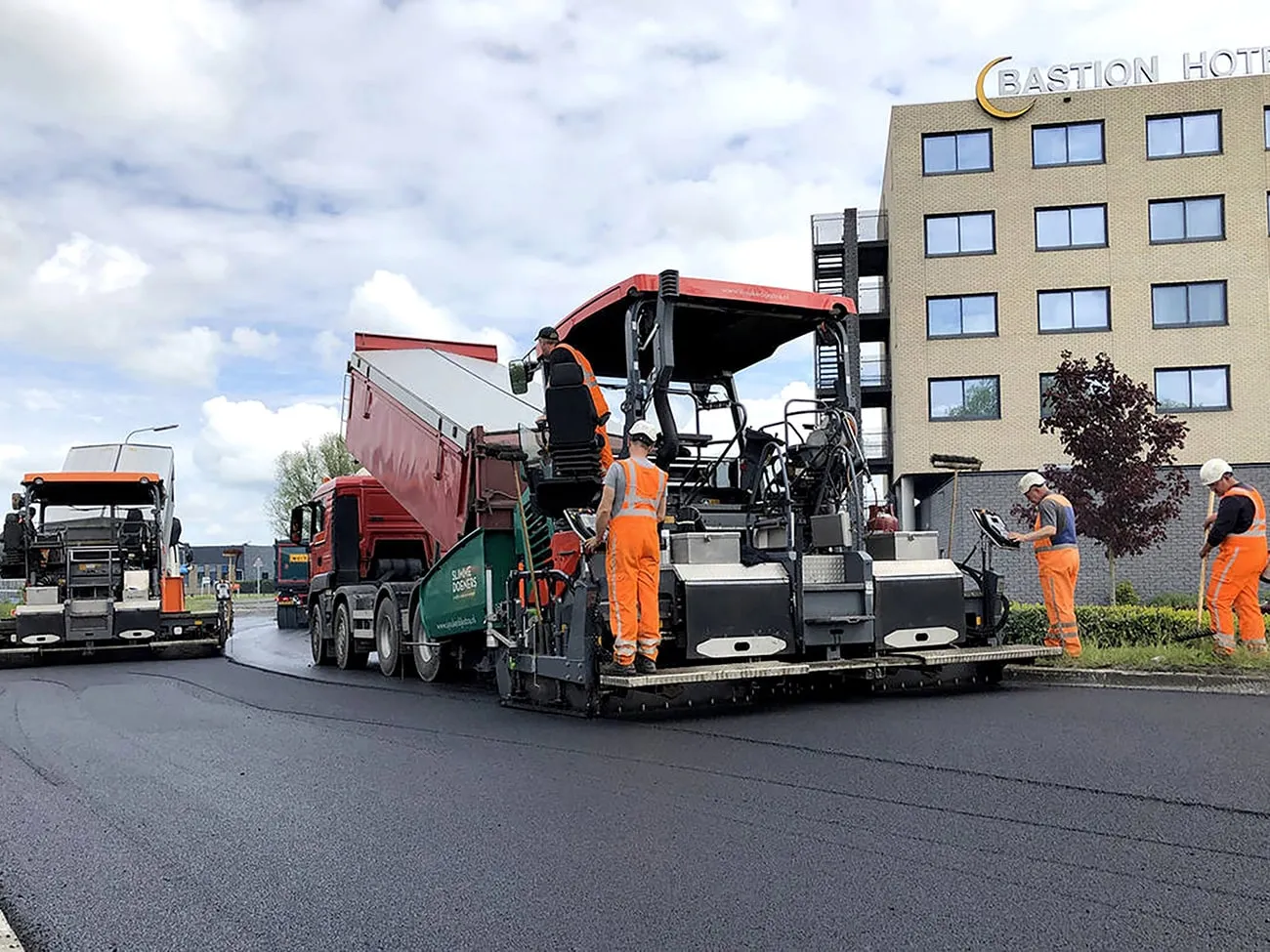
The Asfalt Kennis Centrum (AKC) is a partnership of SME asphalt producers. It comprises twelve companies, each with its own asphalt production sites spread across the Netherlands. The organisation’s aim is to make knowledge accessible to its members. Large contractors have their own research capabilities, which smaller companies lack. The Asfalt Kennis Centrum ensures that knowledge can be shared and that smaller companies have more opportunities to carry out research. And the AKC is making good progress. Venema says: “The asphalt industry is like a supertanker. Changing course to meet climate targets takes years. Since the AKC was founded, we have worked, together with research institutes such as Wageningen University and Utrecht University, as well as TNO, to find alternatives to fossil raw materials. And they exist. In a previous job, I was already looking for ways to rejuvenate asphalt back in 1996. Our research dovetails perfectly with the ambitions set out in the climate agreement.”
Alternatives
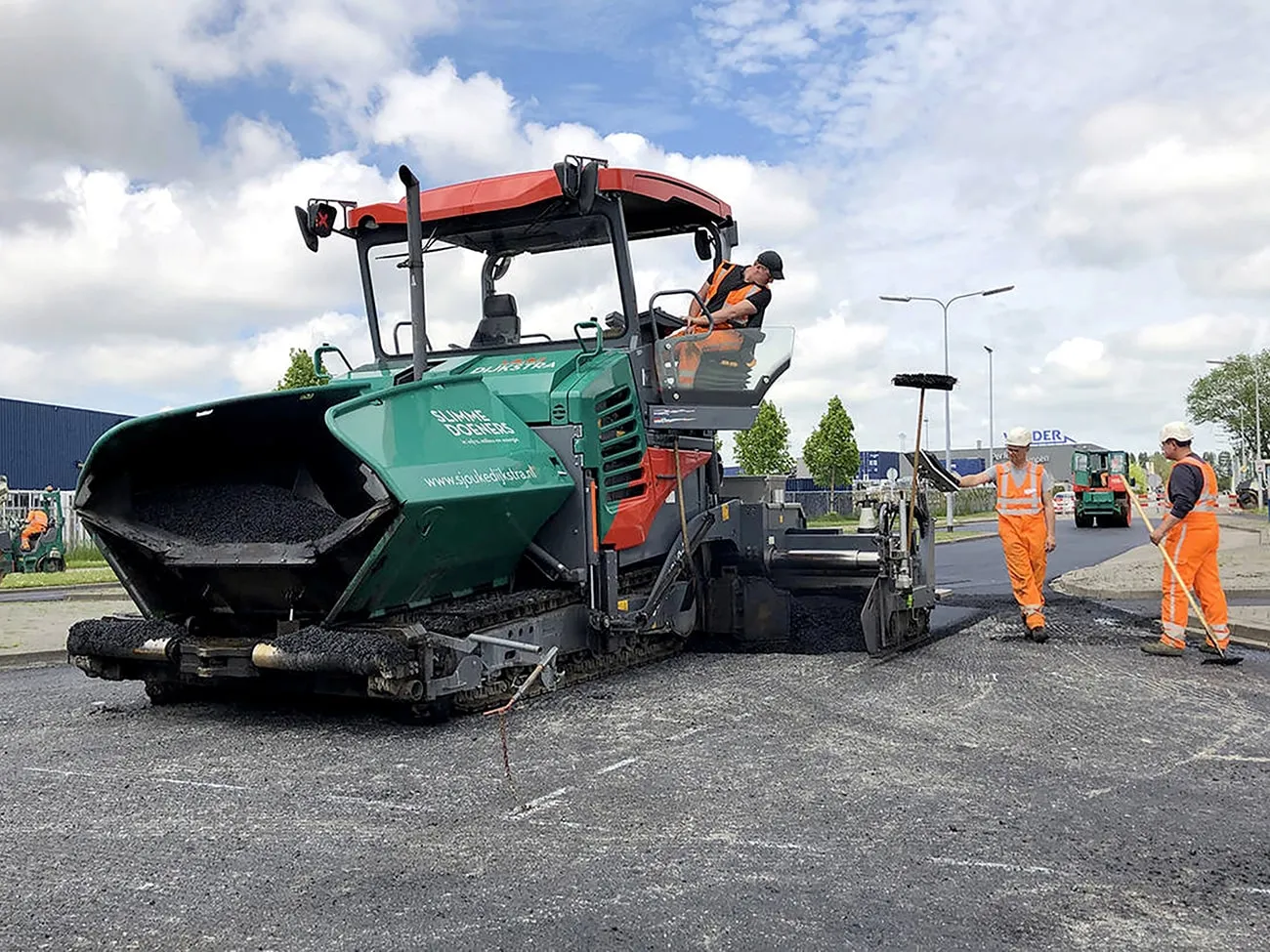
The alternatives are there for the taking, says the new AKC director, who will take over from Paul Landa, due to retire in three years. “You just have to want to see them. And I do. Pioneering and experimenting are perhaps what I enjoy most about my work. Society expects us to change, and that role suits me well.”
Bitumen, the most widely used binder in asphalt, is made from crude oil. “And crude oil is essentially nothing more than compressed plant matter,” says Venema. “So surely it must be possible to produce a binder with a similar composition?”
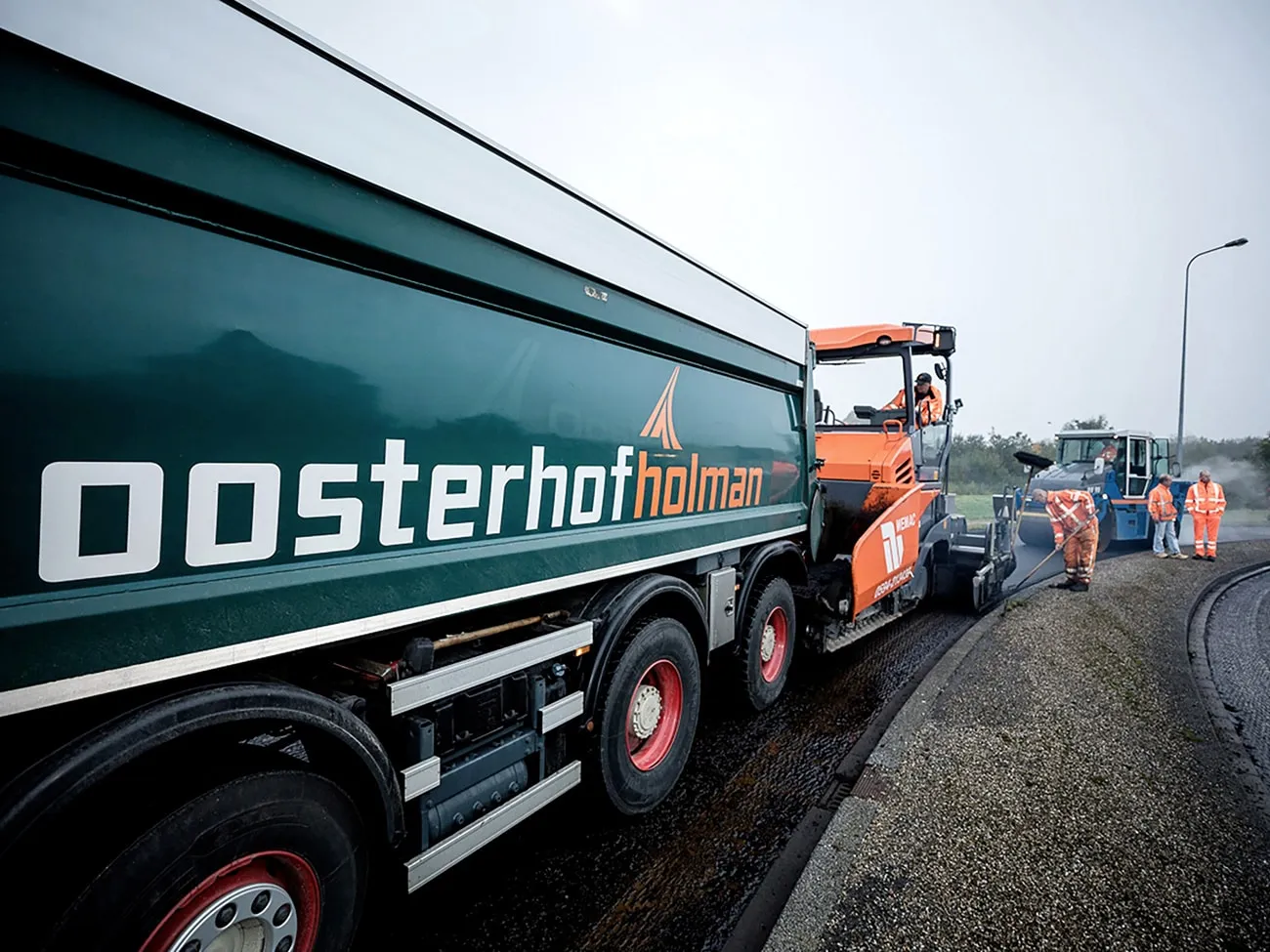
That is why the AKC, its shareholders and its partner research institutes have been experimenting with lignin for several years. Venema says: “It is the ‘glue’ in everything that stands upright in nature. It is a natural organic compound, more specifically a biopolymer, found in the cell walls of various plant cells, including wood cells. We have already completed many trial projects across the Netherlands using asphalt with lignin as a binder.”
The product, used by AKC shareholders under the name Lynpave, is produced at a temperature 30-40 degrees Celsius lower than that used to produce conventional asphalt. Venema says: “That means one asphalt plant burns 230 cubic metres less gas. And we save as much as 500 tonnes of CO2 emissions. In total, we have already laid 500,000 tonnes of Lynpave on provincial roads.”
Venema is therefore convinced that the asphalt industry will meet its climate targets. “At my previous employer, we used a new biological binder. We started with a 26% addition, later increased it to 45%, and I know they are now using 100%. So bio-based asphalt is already a reality. It looks perfect and meets all the requirements.”
Question about this story? Ask your question
Keep following this
Get an email when a new story is published. No account needed.
- ThemeExtending the life of roads and civil engineering structures
- SubjectRoad construction







