Traditional procurement is slowing the Netherlands’ renovation programme
Most of the Netherlands’ infrastructure was built between the 1950s and 1970s, during the mass motorisation era. Many bridges, tunnels and locks were built in the years that followed. Some of this infrastructure has now reached the end of its service life. It is also used far more intensively than before. As the number of vehicles has grown, so has the load on roads, beyond what was originally envisaged. Although the Netherlands is known for its good infrastructure, substantial investment and skilled labour will be needed in the coming years to maintain it.
Martin Wijnen, Director-General of Rijkswaterstaat, recently put it this way: “We must do everything we can to increase our output.” But as infrastructure ages and usage intensifies, the availability of skilled workers is falling sharply. Add a complex geopolitical situation, with prices rising as a result, and you have a Gordian knot on your hands. Output must increase, but how?
Putting a European tender to market for a medium-sized, multidisciplinary project takes years of contract preparation. Surveys have to be carried out, contracts drawn up, tenders issued, bids prepared, and so on. By the time the first spade goes into the ground or a mechanic is standing ready with a screwdriver, five years can easily have passed, assuming there are enough bidders and sufficient budget. Clearly, this does nothing to increase output.
In recent years, clients have been experimenting with new contract models, including the two-phase model and the contractual portfolio approach. Working groups from government and industry are also considering ways to commission work more easily and in batches, under the motto “simplify, connect and deliver”. Rijkswaterstaat is also working to ensure a reliable deal flow.
Until now, the two-phase model has largely been an experiment, and opinions are divided. But a recent independent study by AT Osbourne into this approach shows that it works: the two-phase approach leads to better control of complex projects and improved collaboration with industry. The next step is to embed and standardise this way of working, including pricing and contract management.
There is no denying that a great deal of work is being done to drive change. But the question is whether it is happening quickly enough. Meanwhile, many market players are locked in a costly bidding war, preparing tenders, while clients invest time and money in lengthy procedures. We should now ask ourselves: is it time to take a much more fundamental step? Is it time to overhaul the very concept of ‘procurement’?
The Netherlands’ renovation programme calls for speed and collaboration, not legalistic certainty and time-consuming procedures. We can no longer afford to waste valuable capacity propping up a system that is no longer fit for today’s challenges. If we are serious about increasing output, it is time to reinvent procurement: make it simpler and faster, and base it on trust and collaboration. That is what it really means to build infrastructure that is fit for the future.
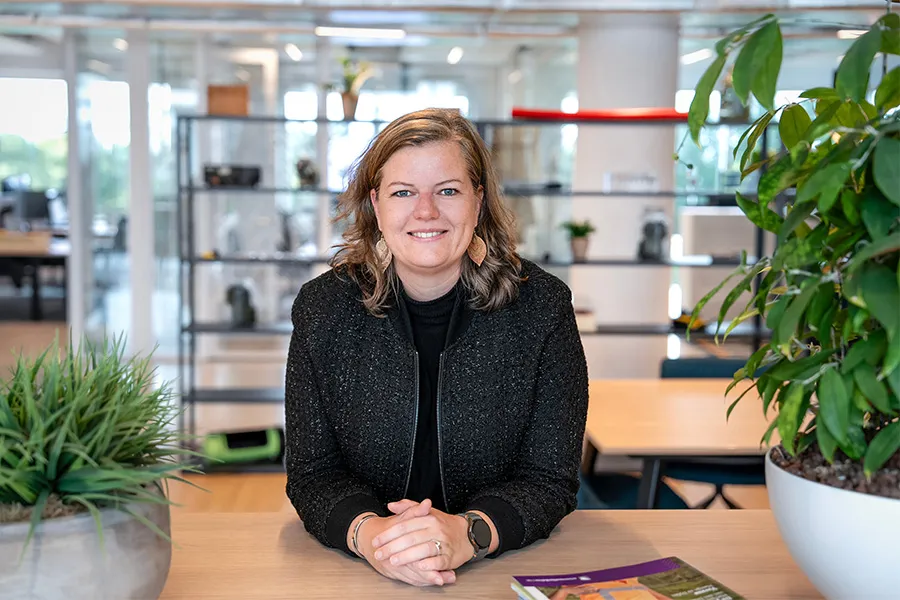
The Pen, Annemarie Rutgers, Manager of Tendering and Commercial Affairs at Croonwolter&dros
Question about this story? Ask your question
Companies in this story

Keep following this
Get an email when a new story is published. No account needed.
- ThemeViable projects and strong collaboration
- SubjectThe pen
- CompanyCroonwolter&dros