









Zwaagstra Beton slabs even more sustainable with ECO raw materials
Zwaagstra Beton produces 1,500 top-quality concrete slabs every day. The Hoogeveen-based company is increasingly using secondary raw materials such as ECO aggregate, sand and filler.
Recycling Kombinatie REKO in Rotterdam supplies these materials. “They are high-quality products, production is continuous and there is no need to extract any new raw materials: it is all upside.”
Zwaagstra Beton and Recycling Kombinatie REKO from Rotterdam, known as REKO for short, have been working together for several years. “We initially bought around 20,000 tonnes of raw materials from REKO each year, but that has since risen several times over,” says André Veerkamp, external sales representative at Zwaagstra Beton. “The ratio of conventional gravel to ECO gravel in our concrete slabs is now 50:50.”
As well as ECO aggregate, Zwaagstra Beton also buys ECO sand and ECO filler from REKO. Veerkamp says: “They are excellent, high-quality products and are always available. What is more, reusing raw materials means less new sand and gravel needs to be extracted. It is a perfect example of the circular economy, and helps us contribute to a more sustainable world.”
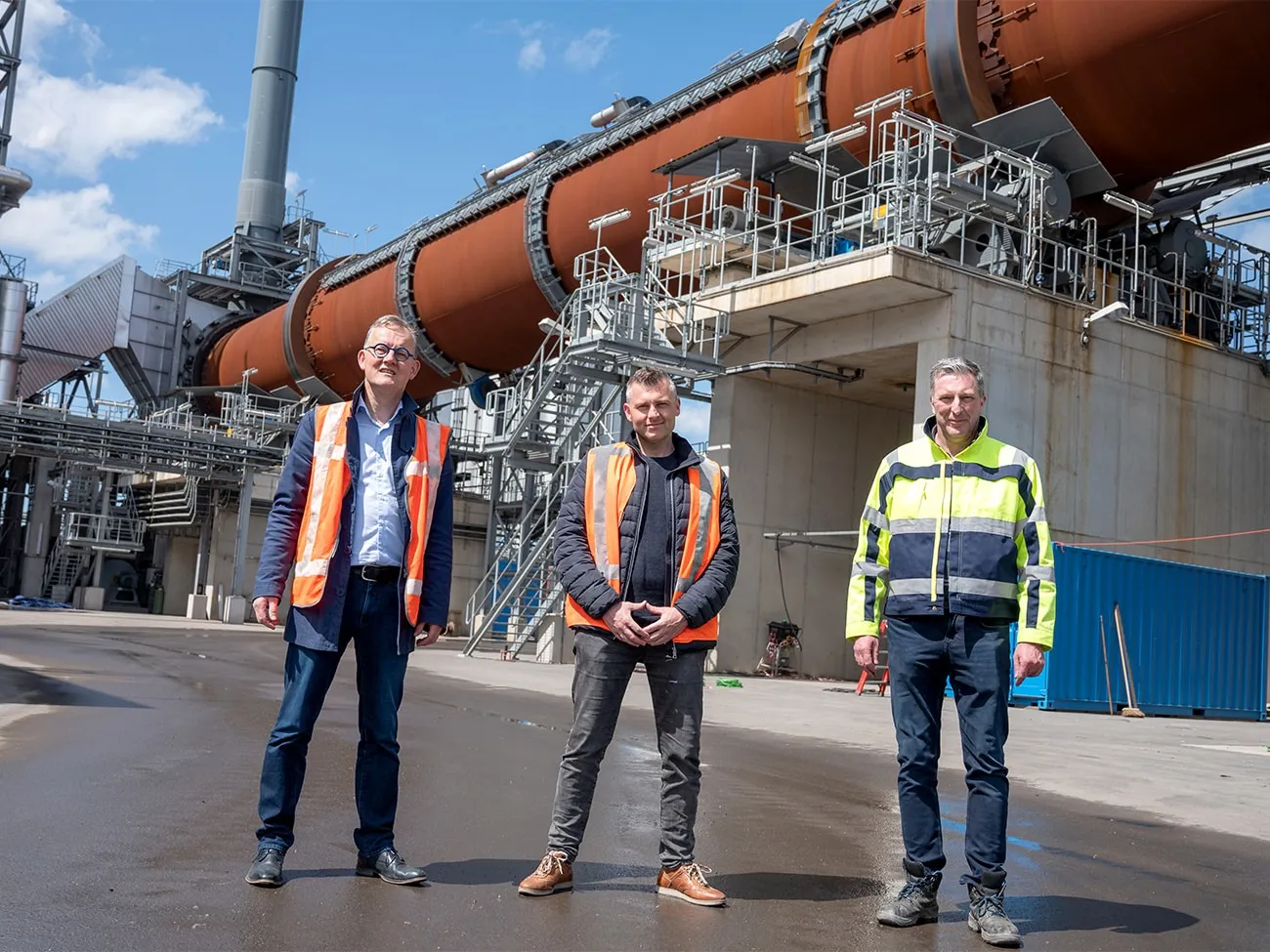
Rotary kiln
ECO aggregate, sand and filler are secondary products that REKO produces by cleaning tar-containing asphalt. “Tar used to be used as a binder in asphalt, but this has not been permitted since 1997,” says Jan Hoeflaken, deputy director of the Rotterdam-based recycling specialist. But banning tar did not make tar-containing asphalt disappear. “That is one of our objectives, alongside producing quality raw materials and recovering energy.”
REKO processes all the material it receives through thermal cleaning to produce high-quality raw materials. Hoeflaken says: “The tar-containing asphalt granulate is fed into a huge rotary kiln. The temperature inside rises to almost 1,000 degrees Celsius, burning off all the tar. The other components, the original raw materials in the asphalt, are preserved. This means those materials can be reused again and again. We use the heat released during the process to generate electricity or supply heat to a district heating network. Our plants therefore produce a net energy surplus.”
Transport by ship
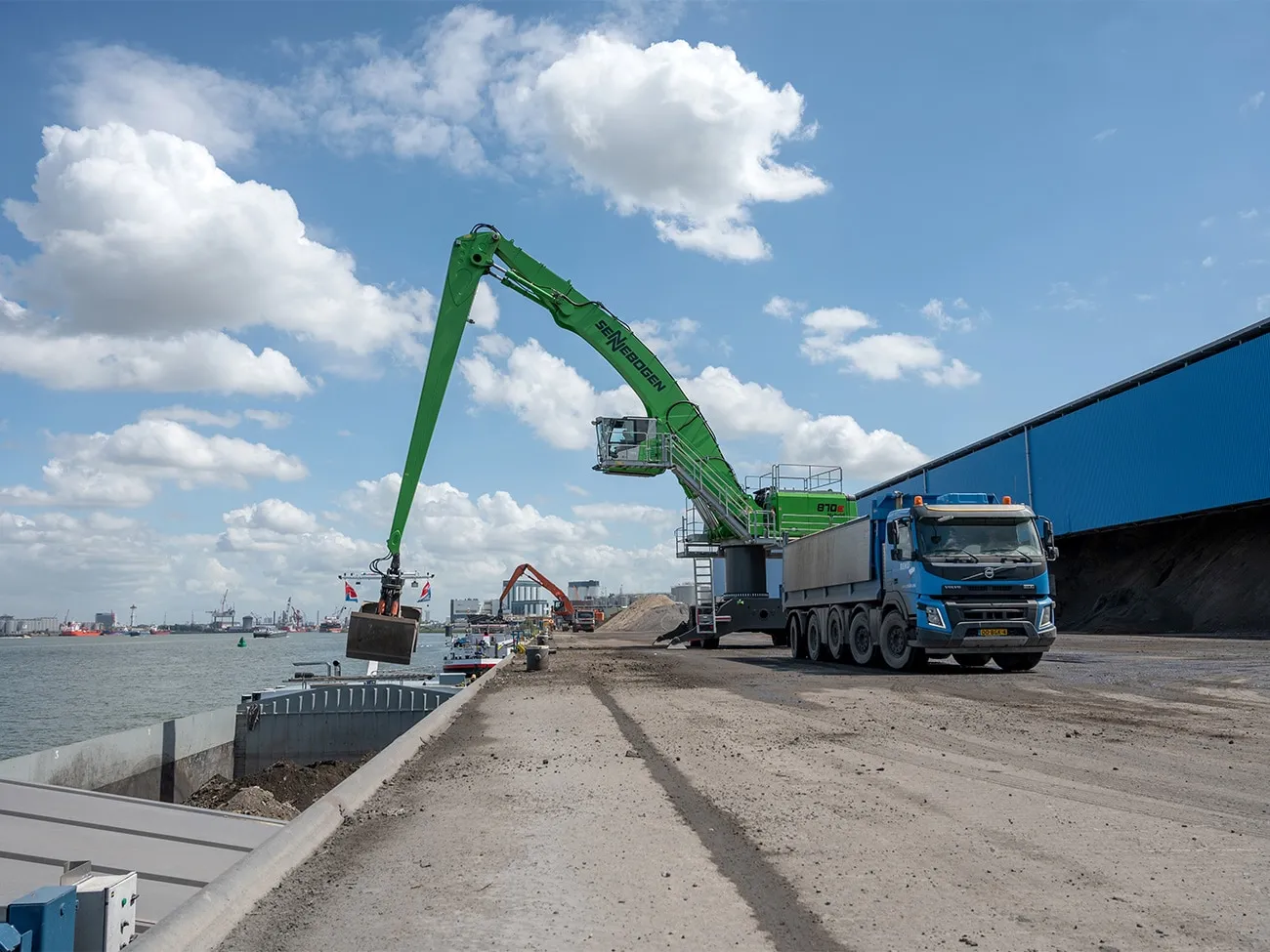
REKO is based in the port of Rotterdam. From there, the raw materials for Zwaagstra Beton are transported by ship to Meppel, then delivered by lorry to the factory in Hoogeveen. “Lorries are constantly travelling between Meppel and Hoogeveen. They need to, because we produce 1,000 to 1,500 concrete slabs a day,” says André Veerkamp. “Working with REKO is very pleasant. That is because we share the same mindset. At both our company and REKO, a commitment is a commitment: get to work and keep going.”
Have a business enquiry for Zwaagstra Beton BV? Get in touch
Companies in this story
Keep following this
Get an email when a new story is published. No account needed.
- ThemeMaterials and techniques for infrastructure
- SubjectSpecials
- CompanyZwaagstra Beton BV







