









Start 2025 well prepared, with digitalisation as the driving force
Text Susan Peek Image VanMeijel Automatisering
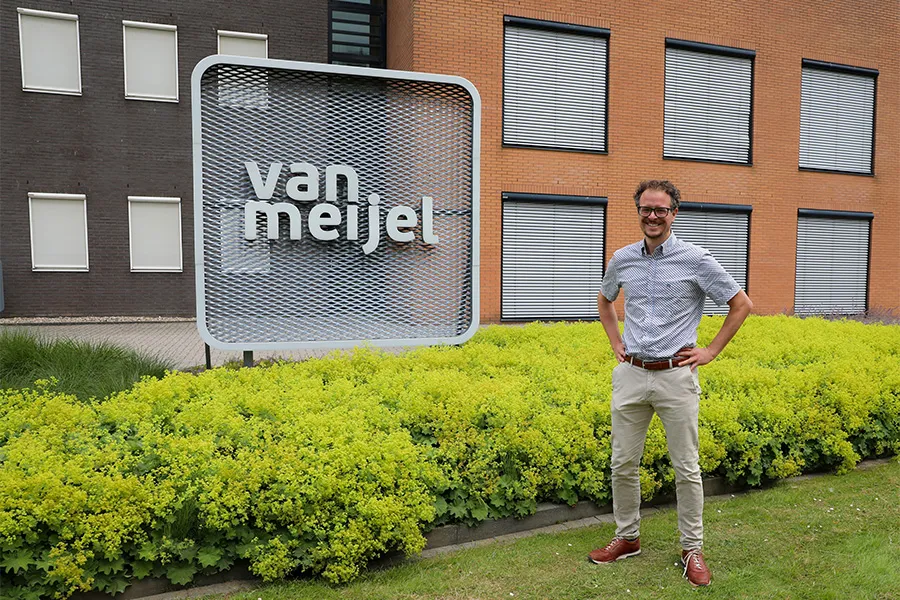
The construction sector faces a number of major challenges and changes. Digitalisation, sustainability and safety will shape the agenda in the coming years. At the same time, the sector is grappling with increasingly complex projects, stricter legislation and regulation, and a tight labour market. “Companies need to work smarter, collaborate more effectively and respond to these trends to remain competitive,” says Peter Winkeler, Commercial Director at VanMeijel Automatisering.
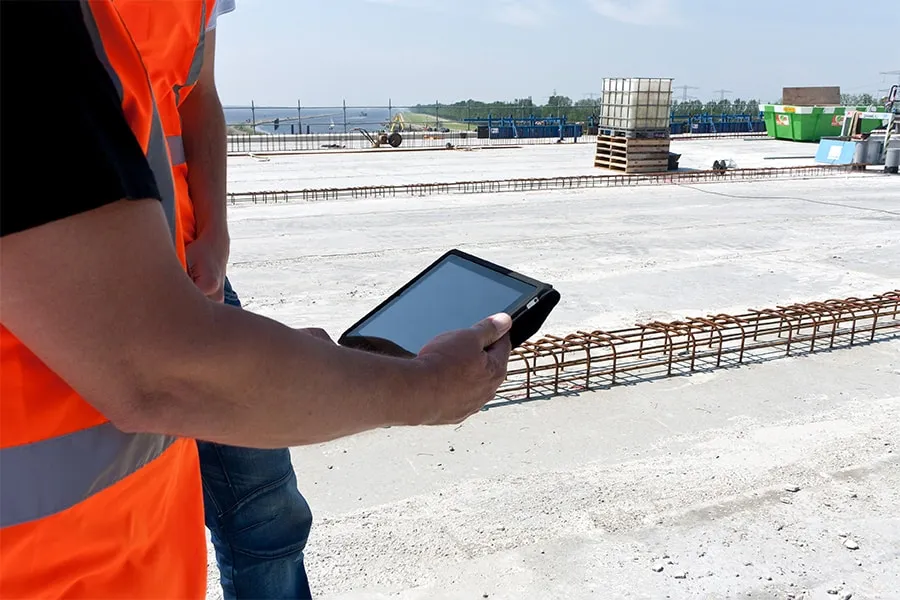
VanMeijel Automatisering has specialised in digitalising a wide range of challenges in the infrastructure sector for almost 40 years. With 15 years’ experience at the intersection of construction and IT, Peter has a clear view of the sector’s digital trends and challenges. “Many companies in the infrastructure sector have already made significant progress in digitalisation,” he says. “In 2025, it’s time to tackle the issues that are shaping the sector’s agenda now and in the future.”
Tight labour market calls for a different way of working
One of the biggest challenges is the tight labour market. Peter says: “Finding the right skilled people is becoming increasingly difficult. It’s therefore worth actively developing policies to retain staff, while also organising employees’ work more efficiently so they can focus even more on their core tasks. Digitalisation can play a major role in this by reducing the administrative burden. This enables employees to enjoy their work more and reduces the risk of losing good staff.”

Working smarter and more sustainably
Peter believes the future of construction lies in smart automation. “Many companies generate valuable data, but are not yet making the most of it. Smart algorithms and clear dashboards can turn data into valuable insights, making it easier to take the right decisions and reducing the administrative burden.”
Sustainability is also playing an increasingly important role, partly driven by regulation. “Companies that manage to distinguish themselves in this area have an advantage,” Peter says. “For example, smart calculations can be used to present clients with different options: a traditional solution with higher CO2 emissions alongside a more sustainable proposal that may cost more but has a lower footprint. This helps them make better choices in terms of costs, returns and reducing their ecological footprint.”
Ongoing innovation and supply chain collaboration
According to Peter, continuous innovation in software systems is essential for companies that want to remain future-proof. “Implementing an ERP system and then ignoring it is counterproductive. You need to keep investing in your systems so they can grow with your business and adapt to changing legislation and regulation. Companies that keep their systems up to date work more efficiently and save on IT costs.” His experience shows that small adjustments are often all it takes to achieve major improvements.
He also highlights the importance and potential of digital collaboration across the supply chain. “Digitalisation is no longer just about internal processes. It is essential that all supply chain partners can work together seamlessly. An important next step is to optimise collaboration and information exchange throughout the entire chain, from client to supplier. This is where significant gains can be made for the future.”
Working safely in the cloud
While digitalisation offers many benefits, it also brings risks. “Working digitally makes companies more vulnerable to cyber incidents,” Peter warns. “Good IT security is essential to protect your business processes from unwanted intruders. If you have not yet given this much attention, start taking steps over the coming year to better protect your systems and information. Moving to the cloud is generally also a safer way of working.”
Future-proofing through small steps
For companies looking to innovate, Peter recommends taking a step-by-step approach. “Change doesn’t happen overnight. Start with small steps and make sure you have a clear goal and strategy. Involve both management and staff in the process. This helps build support and puts you in a strong position for 2025.”
With digitalisation as the driving force, companies in the construction sector can strengthen their competitive position and be prepared for the future. “It’s an evolution,” Peter concludes. “But those who start investing in technology and innovation now will reap the benefits in the years to come.”
Een zakelijke vraag aan Van Meijel Automatisering BV? Get in touch
Companies in this story
Keep following this
Get an email when a new story is published. No account needed.
- ThemeDigitalisation from design to construction
- SubjectYearbook
- CompanyVan Meijel Automatisering BV







