









Will bioconcrete become the building material of the future?
Text Jerry HelmersImage Bioclear Earth
It is time for The Next Step
Successful innovations almost always emerge from collaboration between science and industry. Bioconcrete is no exception. According to Dick Specht of Groningen-based innovation and consultancy firm Bioclear earth, the key is to create value together by harnessing the power of nature.
“Since 2016, we have been actively searching for an alternative building material to concrete, because the construction industry needs to become more sustainable if we are to meet our climate targets. Our current research is based on three pillars: commercial viability, sustainability and technical potential. But now it is time to connect with the market, which is why we are working with Strukton Civiel start-up & innovation centre. It is time for The Next Step.”
The government recognises the urgency and is supporting the research with a Topsector Energy grant from the Ministry of Economic Affairs and Climate Policy.
1. First of all, what exactly is bioconcrete?
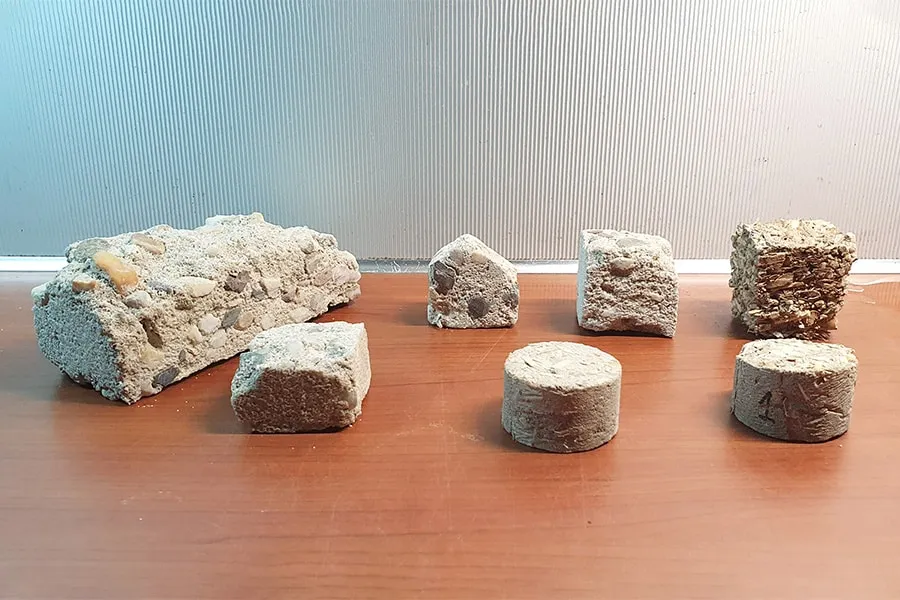
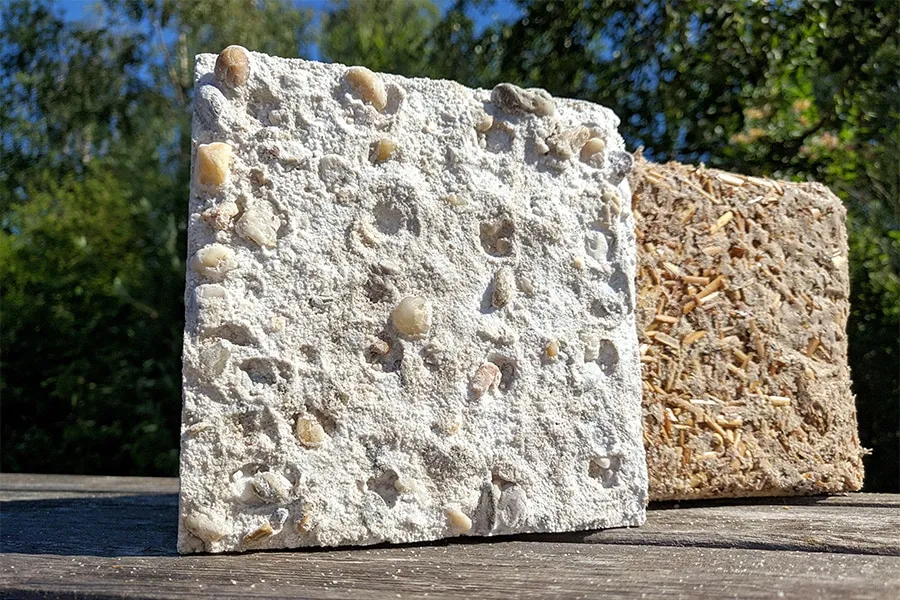
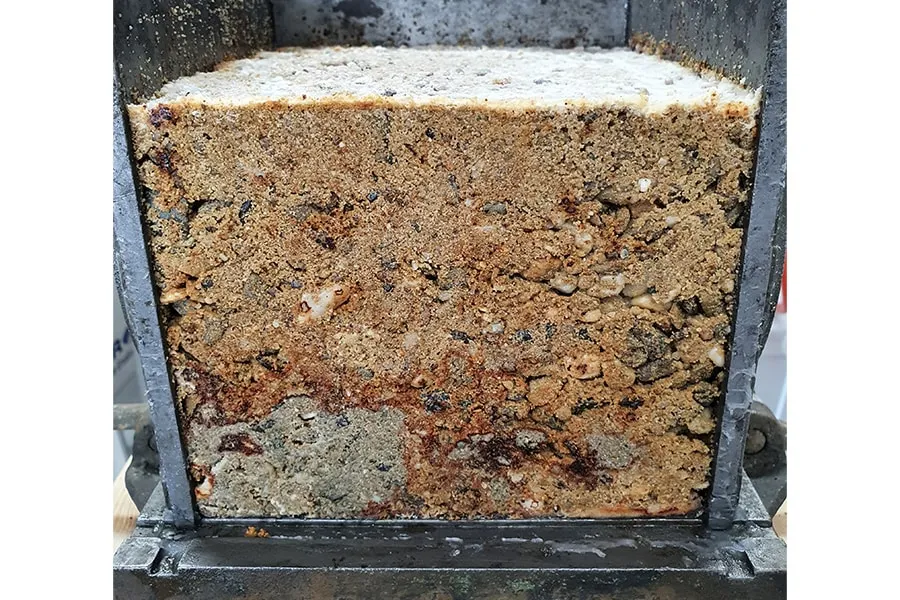
“We replace traditional cement with bacteria that produce calcite crystals, allowing sand and gravel to bind together. In the future, this biocementation could become the alternative to conventional cement concrete. If successful, it would be a major step forward, because conventional cement production is currently responsible for more than 8% of global CO2 emissions. In effect, we are putting the power of nature to work. And helping the climate.”
2. How important is bioconcrete?
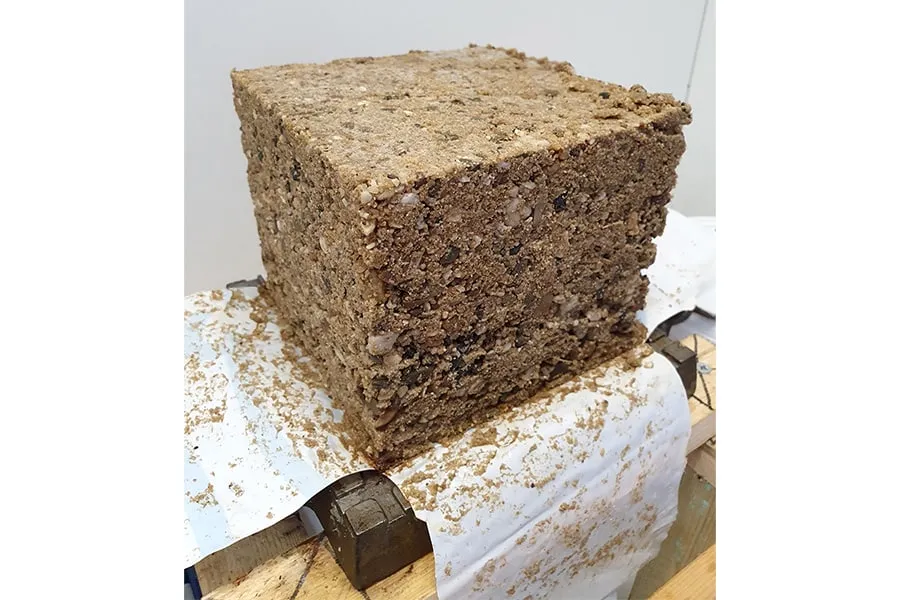
“As things stand in 2023, that is still a difficult question to answer. When I approach industry players to raise awareness of the ‘bioconcrete’ process, I always get three valid questions. They want to know: how strong is it? What does it cost? And what is its service life? The ‘difficulty’ is that I cannot give precise answers to those questions yet. That is because we are still in the middle of the development and innovation process. For now, we are mainly looking to bridge the gap between the lab and real-world practice so that we can test, further develop the material and learn from the results.”
“The essence of my message is that I am appealing not only to all the construction companies in the Netherlands, but also to clients. For example, they could include requirements in their tenders asking the market to experiment with alternatives such as bioconcrete. Even if, to begin with, it were only used to build, say, a cycle path or footpath, a few metres of bioconcrete would be enough. That would satisfy us. We could then test in practice how well the bioconcrete holds up.”
“I also believe the government could do more to commit to the bioconcrete process and its potential. After all, we receive government funding to innovate. That is great, and we are pleased about it. But the same government is also a client in the civil engineering sector. So give the results of all those bioconcrete innovation projects a chance to prove themselves in practice.”
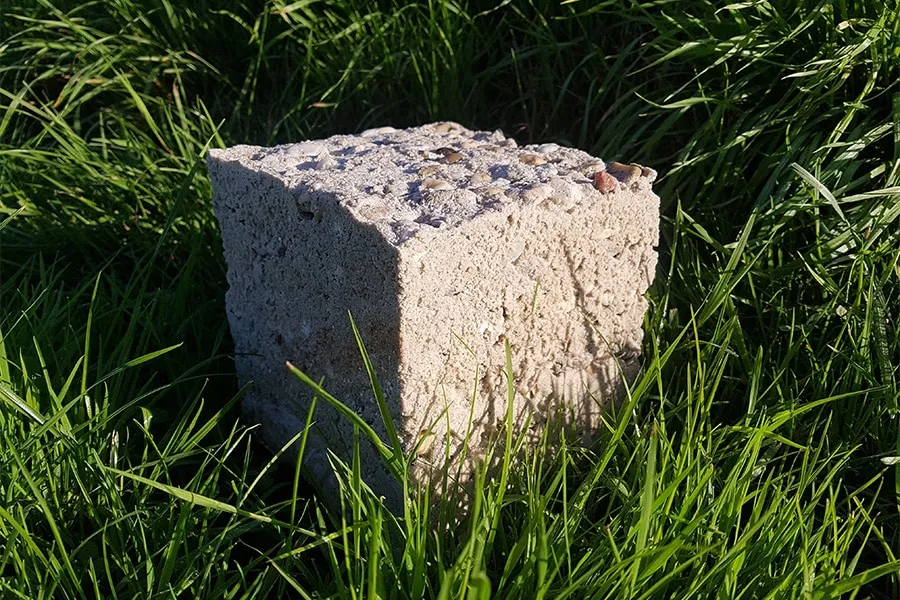
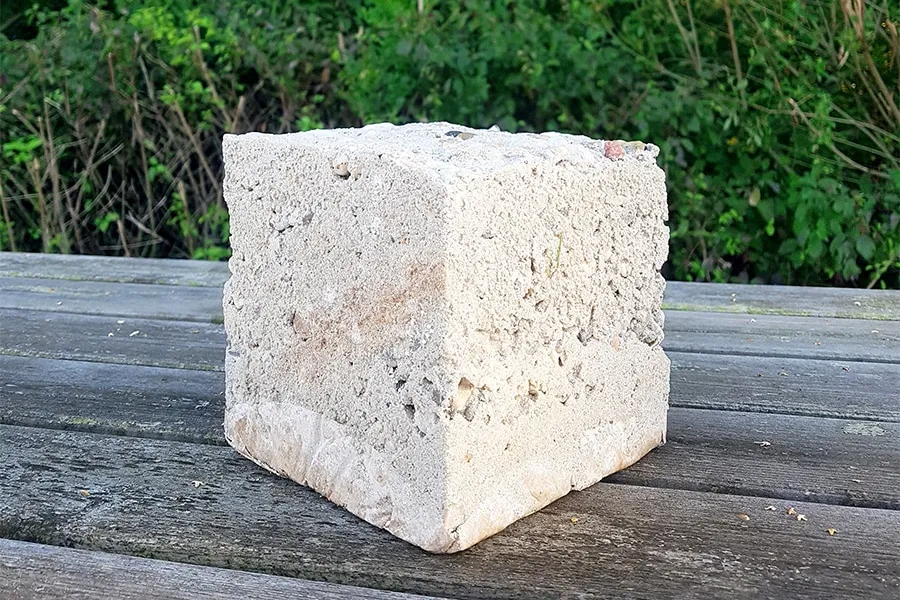
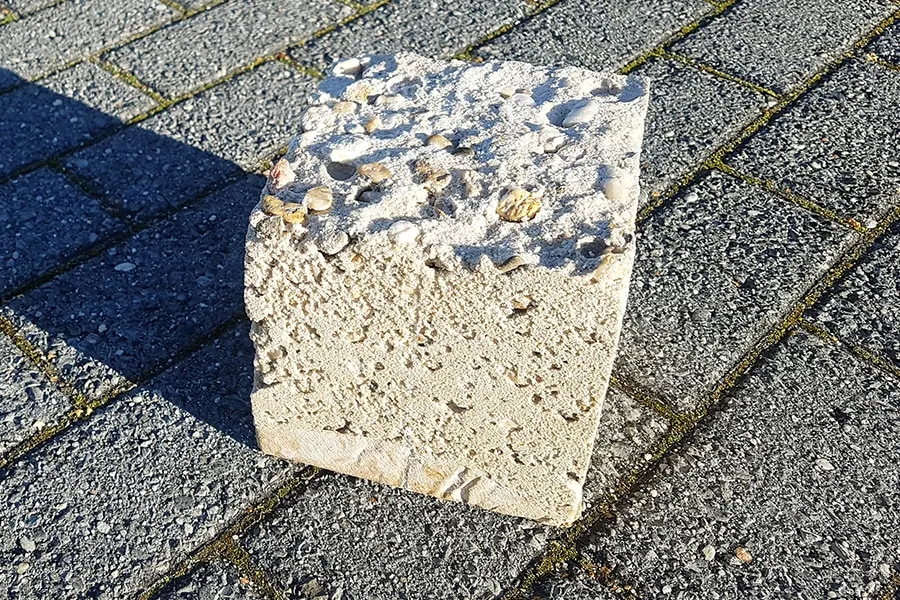
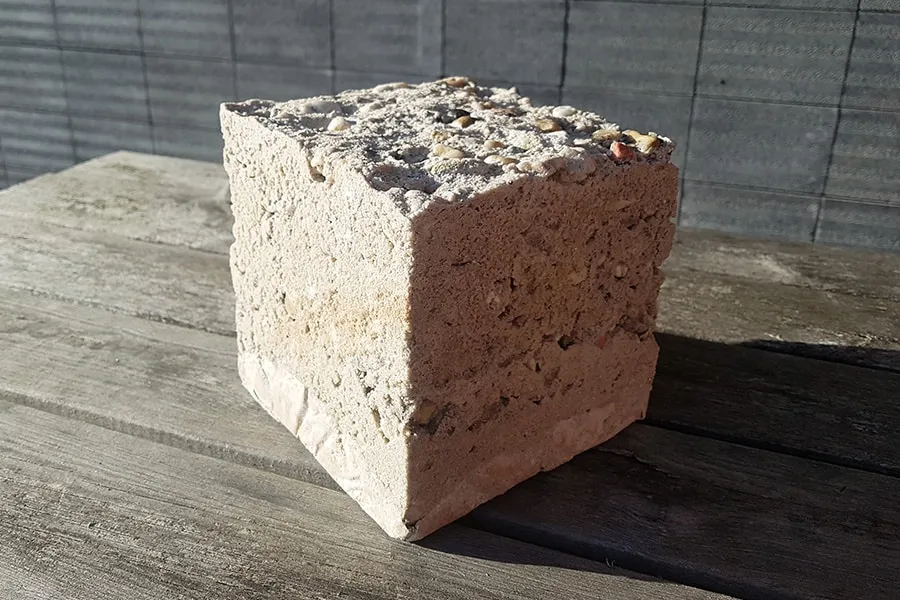
3. Will bioconcrete ever become the standard?
“No one can predict the future, but for now we are focusing mainly on non-structural building materials. However, in my view, it is inevitable that an alternative building material such as bioconcrete could become standard in a few years’ time. That is not an unreasonable thought, because whichever way you look at it, a lot of building needs to be done, and we all want to meet those climate targets, don’t we?”
A business enquiry for Strukton Civiel? Get in touch
Companies in this story
Keep following this
Get an email when a new story is published. No account needed.
- SubjectSpecials
- CompanyStrukton Civiel







