









Water authority takes major step with unified OT system
Text Roel van Gils Image WSHD
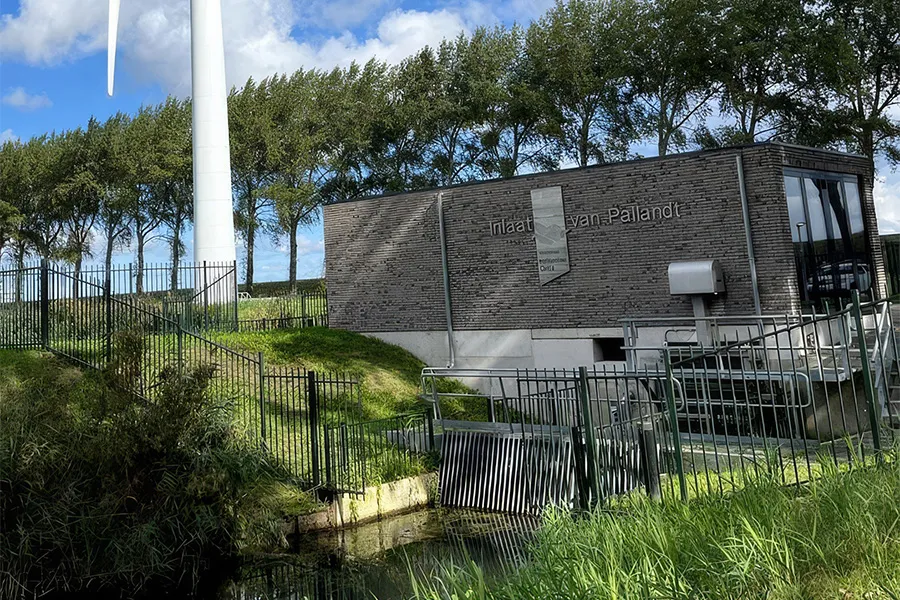
Development, supply and 15 years of maintenance by a single provider
After years of fragmented technology and a maintenance backlog, waterschap Hollandse Delta has taken a major step towards the future. Its extensive programme to replace and standardise Operational Technology systems is nearing completion. The project, which formally began in 2019, marks a new phase in the control and management of the water infrastructure serving more than 700 structures across its area.
The project was prompted by ageing systems, fragmented information and technical differences between structures in the water authority’s area. “There was also a substantial maintenance backlog and a range of different control platforms, inherited from the former water authorities that merged to form the organisation and, in some cases, from municipalities. The existing control systems still clearly reflected the situation before the 2005 merger,” says Robert Doetsch, programme manager at waterschap Hollandse Delta. “We were working with six different systems, different cultures and different ways of operating them. That was not future-proof, especially given the challenges posed by climate change.”
European tender
In 2019, the water authority opted for a European tender, with technology, quality and approach the main deciding factors. ICT Group came out on top, partly thanks to its experience in the water sector. “The main criteria on which the contract was awarded to ICT Group included technology, quality and process, in other words, the way they approach the project,” says Doetsch. “The contract covers not only the development and supply of the system, but also its management for the next 15 years, subject to the same quality requirements.”
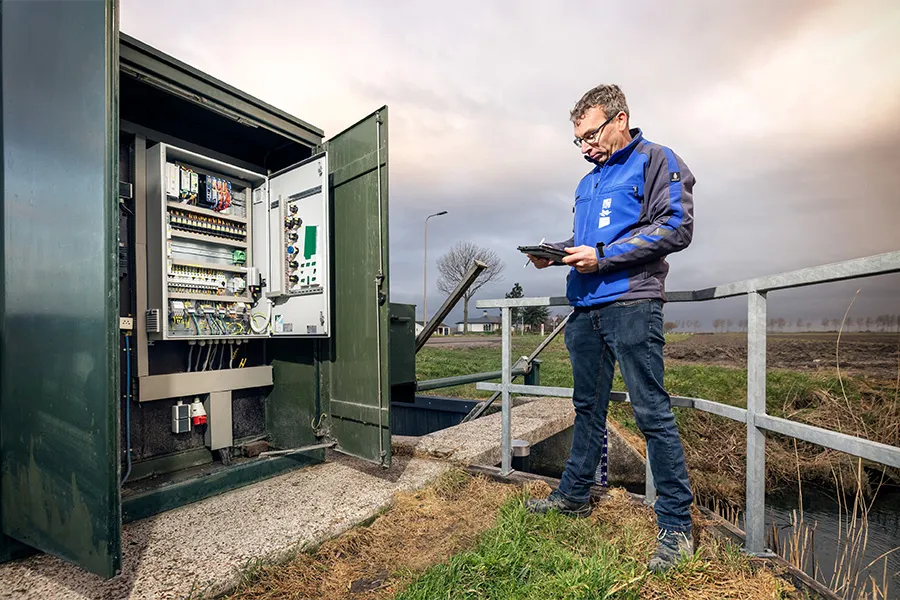
Standardisation and modularity
The programme began in 2018, following approval by the board. It initially covered 530 structures, but that number has since risen to more than 700. The project was set up in phases, with a central SCADA environment and standardised software modules for both simple and complex structures, from weirs and pumps to large pumping stations with vacuum installations and fish passes. “From the outset, we focused on as much standardisation and modularity as possible,” says Bart Boerman, project manager at ICT Group. “New structures need to be easy to add. That also meant learning and making adjustments along the way. Information was often incomplete or out of date, so the approach had to remain flexible.”
Flexibility and trust
That flexibility proved to be one of the project’s success factors. Rather than taking the traditional approach of ‘build it once and never touch it again’, the team has opted for a system that can be updated twice a year. According to Doetsch, this makes it possible to respond quickly to new requirements, for example in cybersecurity or functionality. The partnership between the water authority and ICT Group is one of the main pillars of the project’s success. “ICT Group is a partner that acts as an extension of our own organisation,” says Doetsch. “A party we can trust, and that can turn our requirements into practical solutions. We used to deliver projects like this ourselves, but we have deliberately chosen to outsource management and future modifications to a single provider. Our water authority is too small to retain all the necessary expertise in-house, which is why ICT Group is an essential extension of our ICT department.”
Ready for the future
Most of the project will be completed by the end of this year. The management phase will then begin, with further development remaining an important part of the work. One of the final milestones is the conversion of pumping station Pallandt, planned for the first quarter of 2026. “That pumping station brings together all the functionality we have developed over the past few years,” says Boerman. “It is not the largest, but it is the most complex. The new OT system puts the water authority in a better position to anticipate changing weather conditions and face the future with confidence,” Doetsch concludes.
Question about this story? Ask your question
Keep following this
Get an email when a new story is published. No account needed.
- SubjectSpecials







