









Viewing KLIC data digitally becomes mandatory from 1 April 2021
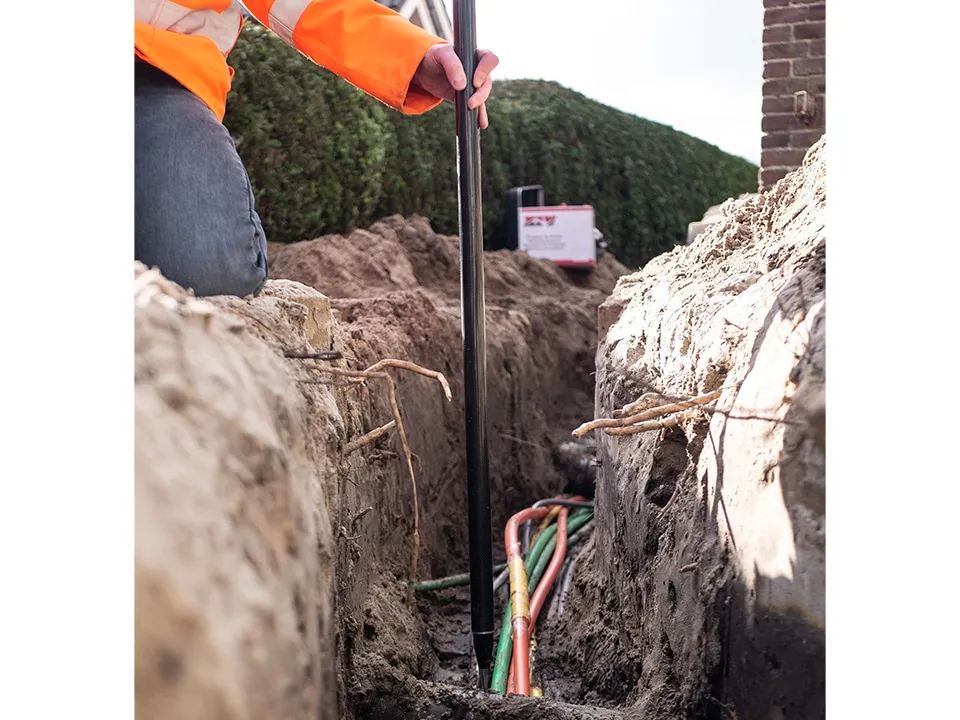
From tomorrow, 1 April, it will be mandatory to be able to view every KLIC notification in full digitally at excavation sites using a so-called ‘KLIC viewer’.
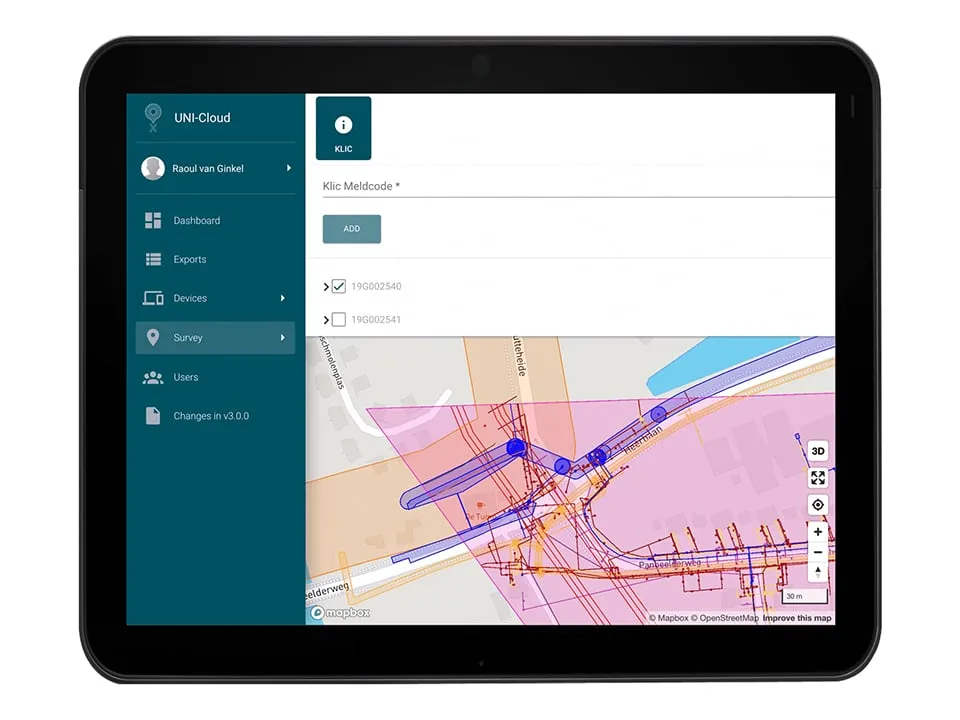
Netherlands-based marXact, known for its UNI-GR1 GNSS receiver, which enables anyone to carry out digital surveys using GPS, offers users this capability. This means it helps them not only with surveying, but also with complying with statutory requirements.
About KLIC notifications
Contractors, utility companies and other excavators are required to submit a KLIC notification before digging in public spaces. Notifications are submitted online to the Land Registry, which includes the Cable and Pipeline Information Centre. The Land Registry then requests information from the network operator about the location of cables and pipelines, before sending the applicant a download link to a ZIP file containing the cable and pipeline information.
Preventing excavation damage
The information received must be available digitally at the excavation site while work is under way, and must be used to prevent damage to underground utilities and dangerous situations. When excavators know where previously installed cables and pipelines are located, they can take this into account when breaking up the ground.
A step towards digitalisation
Tommy van der Heijden, co-founder of marXact: “It is a good thing that KLIC information must be carried digitally on site. We have developed our own KLIC viewer specifically for our Dutch users and added it to our surveying software free of charge, making it easy to view the required information. Before the requirement came into force, there were differences in how excavators requested and supplied data, because not all parties followed the same procedures. With this new requirement in the sector, all parties know where they stand and can do much more with the data, before, during and after excavation work. Requiring KLIC data to be carried digitally is a step in the digitalisation process that I wish would come more quickly. The next step is to survey new cables and pipelines digitally to centimetre accuracy, so that this information is also available for future KLIC notifications. This will ensure excavation damage is prevented on an ongoing basis, now and in the future.”
Question about this story? Ask your question
Keep following this
Get an email when a new story is published. No account needed.
- SubjectSpecials







