









The Environment and Planning Act and BRL SIKB certification
Text Chris Elbers Images Normec Certification

The Environment and Planning Act and the Decree on Activities in the Living Environment (Bal) came into force on 1 January 2024, as did the Soil Quality Regulation 2022 (Rbk 2022). The Environment and Planning Act governs everything relating to the space in which we all live and work: our living environment. The new law, which aims to simplify and consolidate existing legislation and regulations on nature, the environment, building and housing, applies to all residents, organisations and businesses in the Netherlands. That includes the civil engineering sector, where the new rules and requirements may bring about changes to everyday practice.
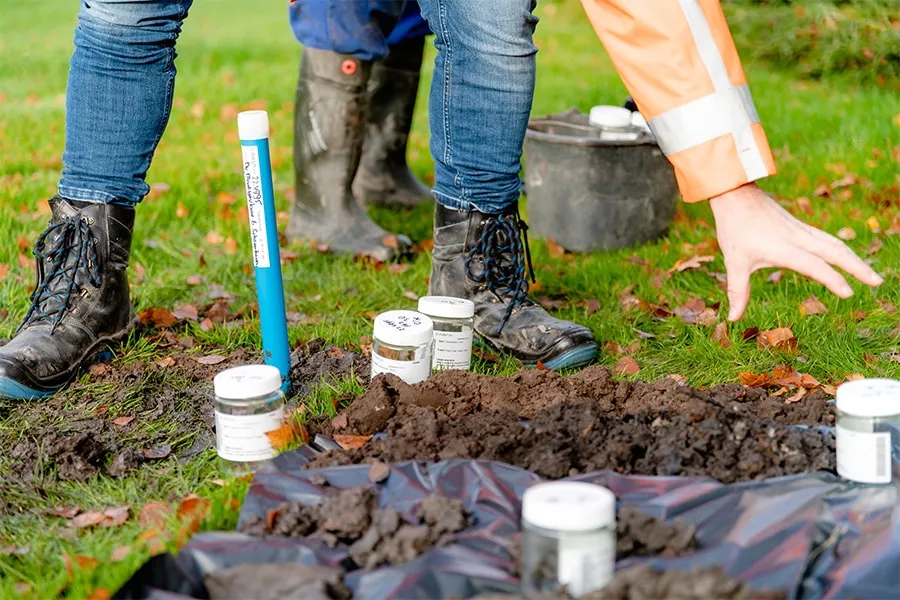
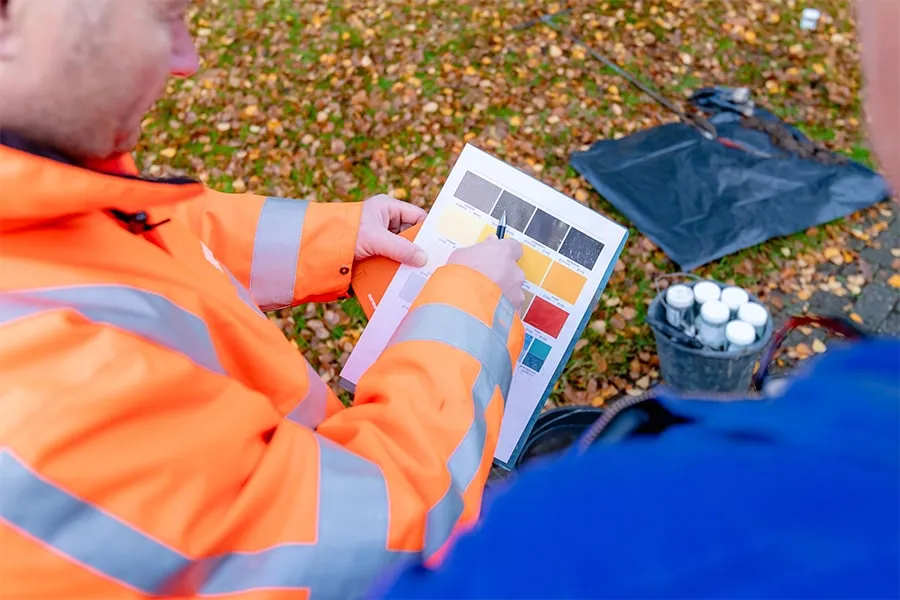
One of the key aims is to make rules and procedures more consistent. This could lead to the simplification or adjustment of specific requirements and processes relating to certification under BRL SIKB (Assessment Guideline of the Soil Management Infrastructure Quality Assurance Foundation). “The basic principles and objectives of the new Environment and Planning Act may be crystal clear, but its precise impact, particularly on businesses in the Netherlands, remains to be seen in the near and more distant future,” says Peter Koomen, lead auditor and team leader for BRL SIKB schemes at Normec Certification, the largest certification body in the Netherlands for quality, environmental and safety matters. “The aim of the Act is to provide an integrated approach to the physical living environment, bringing together the concepts of spatial planning, construction, the environment and nature. Exactly how this will develop over time is not yet clear. What we do know is that, although the Environment and Planning Act does not specifically address BRL SIKB certificates, it may indirectly bring about changes that affect how soil quality and soil remediation are regulated and certified.”
Impact
The changes Peter refers to could be brought about, among other things, by greater consistency in regulations, one of the new Act’s key priorities. “With this in mind, changes have already been made to the requirements that BRL SIKB operators must meet, to bring them into closer alignment with the general regulations for the physical living environment,” he explains.
A second possible change concerns digitalisation and the provision of information. “The Environment and Planning Act introduces the Digital System for the Environment and Planning Act (DSO, ed.), a digital platform providing access to all information on the physical living environment,” says Peter. “This could affect how information on soil quality and soil remediation is shared and managed. That, in turn, could affect processes relating to BRL SIKB schemes.”
Another possible development is linked to participation and collaboration, two aspects that the Environment and Planning Act strongly encourages among the various stakeholders involved in spatial developments. “This could mean greater emphasis on involving residents, businesses and other parties in soil remediation projects and in developing standards and certifications. That, in turn, could affect BRL SIKB certificates,” says Peter. He also stresses that the precise impact of the Environment and Planning Act on BRL SIKB certificates will depend on the specific implementing regulations, interpretations and practical experience that emerge as the Act is introduced. “I therefore strongly advise contractors to keep a close eye on the relevant legislation and regulations, as well as any additional information provided by the authorities concerned.” In the meantime, a transitional arrangement remains in place for a number of BRL schemes, including BRL 6000 and BRL 7000, until 1 January 2026. The old versions will then expire. In addition, all works reported and authorised before 31 December 2023 remain subject to the old scheme. New remediation projects must be reported via the Environment and Planning Portal (DSO).

Extensive certification expertise
Normec Certification, based in Geldermalsen and part of Normec, is committed to continuous improvement and anticipates changes in legislation and regulations. The company has extensive certification expertise, including in the various soil-related BRL SIKB schemes most affected by the Environment and Planning Act. “Our experience and accreditation enable us to support our clients in meeting new standards and requirements arising from the Environment and Planning Act,” says Peter, highlighting one of the organisation’s key strengths. “We also place a strong emphasis on customer-focused service, working closely with our clients to understand their needs and provide tailored solutions.”
Have a business enquiry for Normec Certification? Get in touch
Companies in this story
Keep following this
Get an email when a new story is published. No account needed.
- SubjectSpecials
- CompanyNormec Certification







