









TBS-SVA develops climate-adaptive above-ground solutions for storing water or discharging it at a controlled rate and allowing it to infiltrate
Text Susan Peek Image TBS-SVA Groep
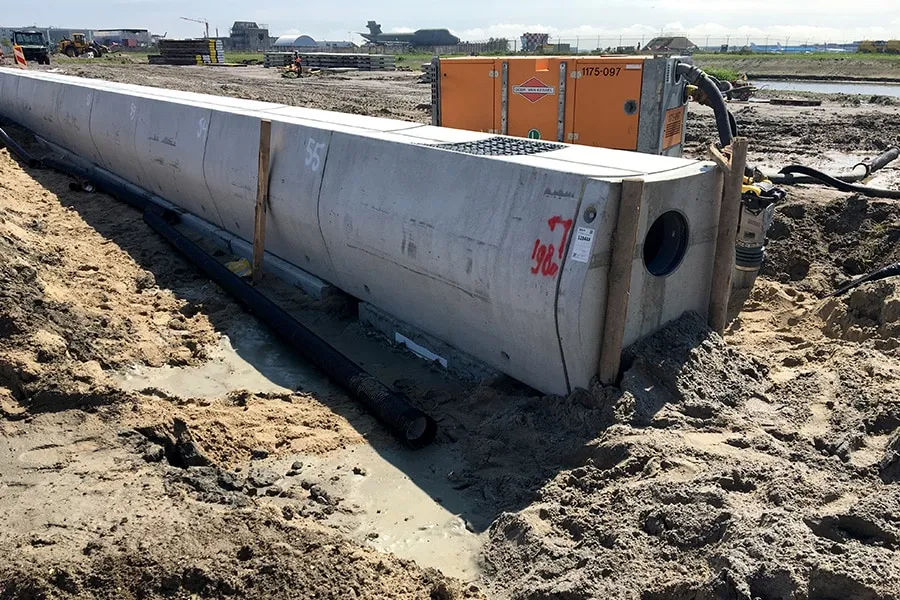
Climate change means the Netherlands is increasingly experiencing extreme weather. Prolonged periods of drought are interspersed with periods of heavy rainfall. To prevent the sewer system from being overloaded at these times, we have been using wadi infiltration systems (Water Discharge Through Infiltration) since the 1990s. Almost every municipality in the Netherlands now has anywhere from one to hundreds of wadi systems. But how can the risk of pollution be reduced? At TBS-SVA they have an answer.
Most people know that a wadi is generally a green swale in an urban area. It stores rainwater and ensures it is discharged at a controlled rate or infiltrates into the ground, helping to prevent flooding. In the civil engineering and infrastructure sector, TBS-SVA is known as the market leader in drainage. The company also offers a range of climate-adaptive products for wadi systems. “We believe it is extremely important for the water entering wadi systems to be as clean as possible,” says Willy Bruckers, commercial director of TBS-SVA Groep.
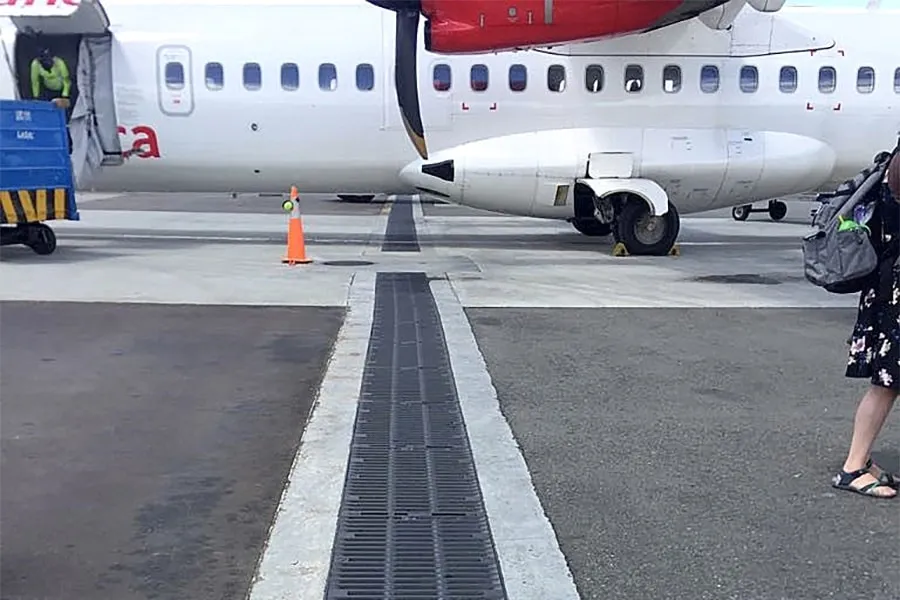
Overflow inlet prevents wadi flooding
“For example, we have an overflow inlet that can be used in wadi systems. When installed in a wadi, all water above a set maximum level flows into the inlet. From there, it is discharged into the sewer or a lower-lying section of the subsoil.” Willy believes it is very important to consider this when building wadi systems. “Not only to prevent a wadi from flooding, but above all because our products also prevent polluted water from entering the groundwater. Water running off heavily trafficked roads or car parks near a wadi carries a lot of pollution with it. You would be shocked to know how many carcinogenic substances flow into a wadi!”
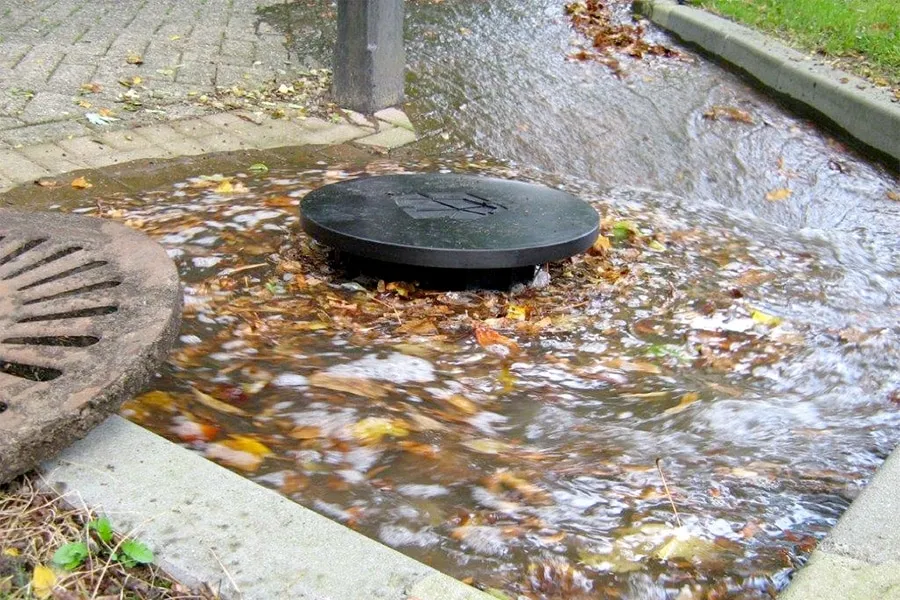
The wadi silt-trap inlet
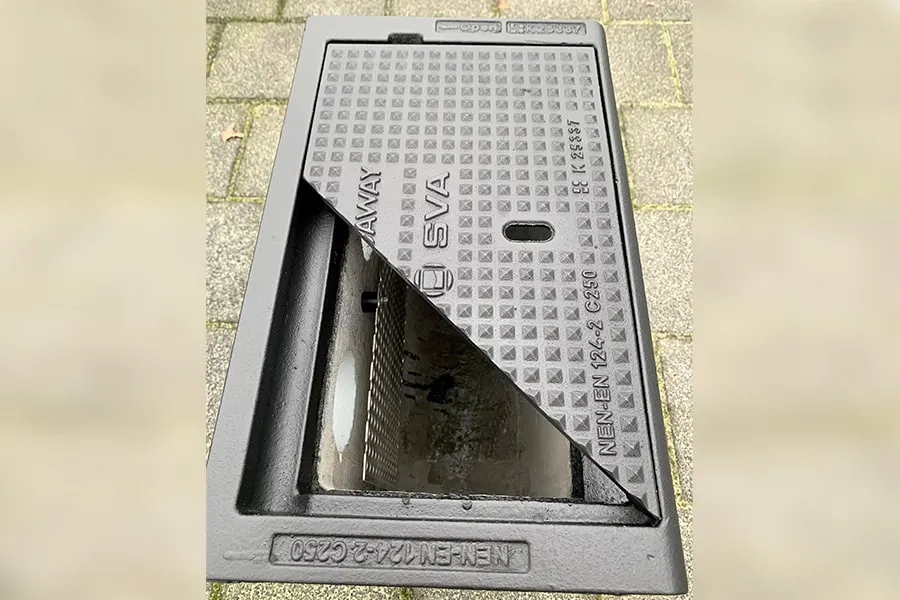
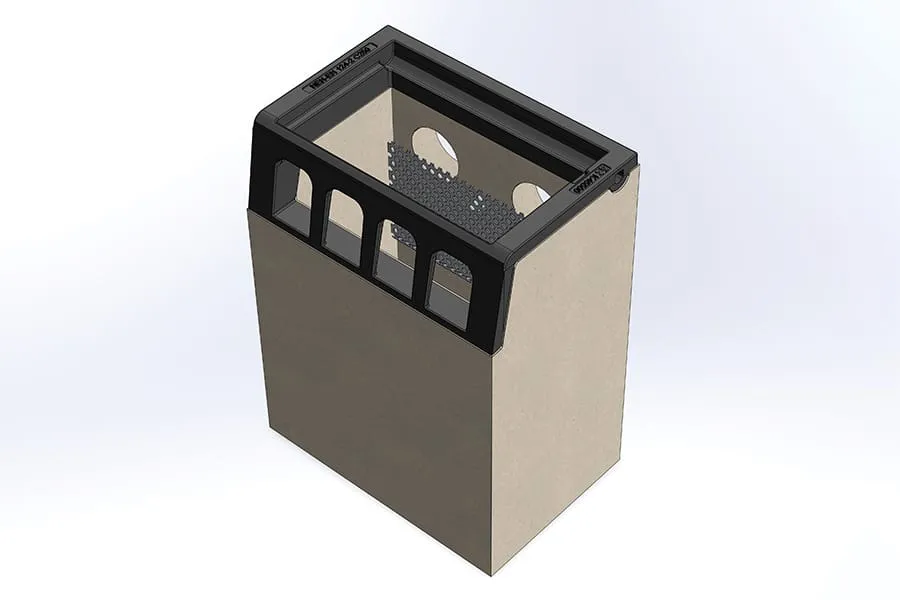
“That is precisely why we developed a wadi silt-trap inlet,” Willy continues. “It is a special compact inlet for wadi systems, with a large sand trap inside. It is designed to capture a large amount of debris, and we have also fitted it with a mesh screen that traps even more. This means considerably cleaner water flows into the wadi.” Willy explains that the pipe connection on a standard gully is too deep. “Municipalities run into this problem when building wadi systems. That is why we developed this product.” Willy says the silt trap is also easy and relatively inexpensive to clean. “Every municipality has thousands of gullies, which are cleaned once or twice a year using a gully emptier. These silt-trap inlets at wadi systems can easily be included in routine gully maintenance. I would also like to point out that of the 8 to 10 kilograms of debris sent to the cleaning company, around 6 to 7 kilograms is clean sand, which we reuse in the manufacture of our gullies. So, for anyone doing the maths, that also means keeping 2 to 3 kilograms of heavy chemical pollution per gully out of the environment.”
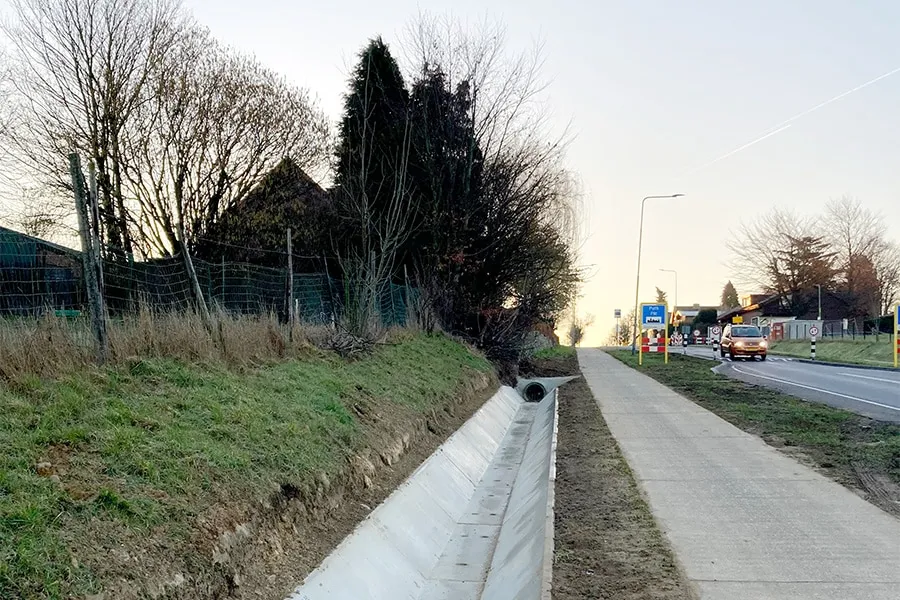
Channel elements alongside roads or (industrial) sites
For storing water and discharging it at a controlled rate or allowing it to infiltrate alongside roads or (industrial) sites, TBS-SVA offers AQUAWAY® concrete channel elements. Willy is seeing growing demand for channel elements at industrial sites, around buildings with large roof areas that shed a lot of water during rainfall, and alongside roads and other sites. “Solutions for this often cost a lot. Our channel elements provide a highly cost-effective way to manage water, and can also be used to create attractive wadi systems, with or without boulders or planting.” Their V-shape makes the elements ideal for creating an attractive channel around a site. The downpipes from the roof can discharge into it. The municipality can then be consulted to agree how much water may be discharged into the sewer, and therefore how much needs to be stored. Depending on the volume of water to be discharged, for example, you could agree to release 1 litre per second from the elements into the sewer. When the rain stops, the remaining stored water can be discharged gradually. This prevents the sewer from filling too quickly and becoming overloaded. The channel elements can be fitted with end plates or overflow plates to regulate the flow.” Willy adds that the channel elements are also available with infiltration slots. “This means you not only store the water, but also allow it to infiltrate slowly into the ground. Flow can still be slowed and excess water discharged, although this naturally depends on the soil type. A channel element can also be combined with an overflow.”
Grating storage channels for areas accessible to traffic
Finally, Willy mentions TBS-SVA’s brand-new grating storage channels. “We have developed two larger grating channels for slopes, roads, exits and other locations where water often needs to drain away quickly to minimise disruption to traffic from flooding. The cast-iron channels, measuring 60×40 cm or 60×60 cm, are suitable for traffic loads. Their wider grating allows them to collect, swallow and store a large volume of water. They can also be fitted with flow-restricting plates.” Alongside the attractive climate-adaptive products developed by TBS-SVA, which are usually out of sight, these products are part of its range of attractive above-ground solutions.
A business enquiry for TBS-SVA GROEP? Get in touch
Companies in this story

Keep following this
Get an email when a new story is published. No account needed.
- SubjectSpecials
- CompanyTBS-SVA GROEP







