









Rice husk traffic signs along Dutch motorways
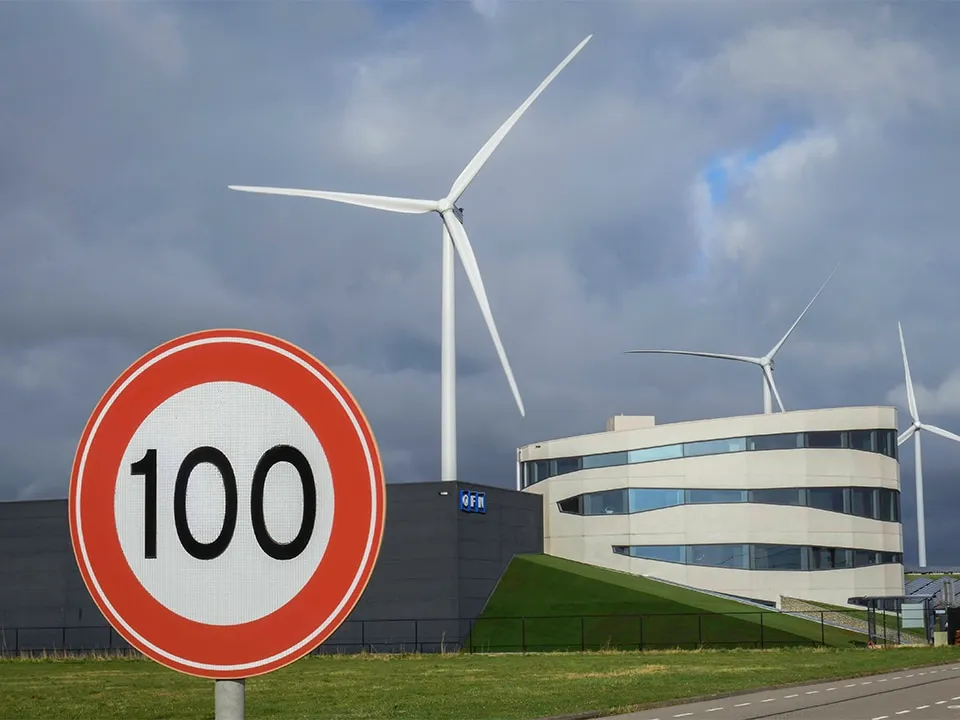
When you see a traffic sign, there is a good chance you look mainly at the image and not at the material it is made from. Yet a great deal is happening in this area.
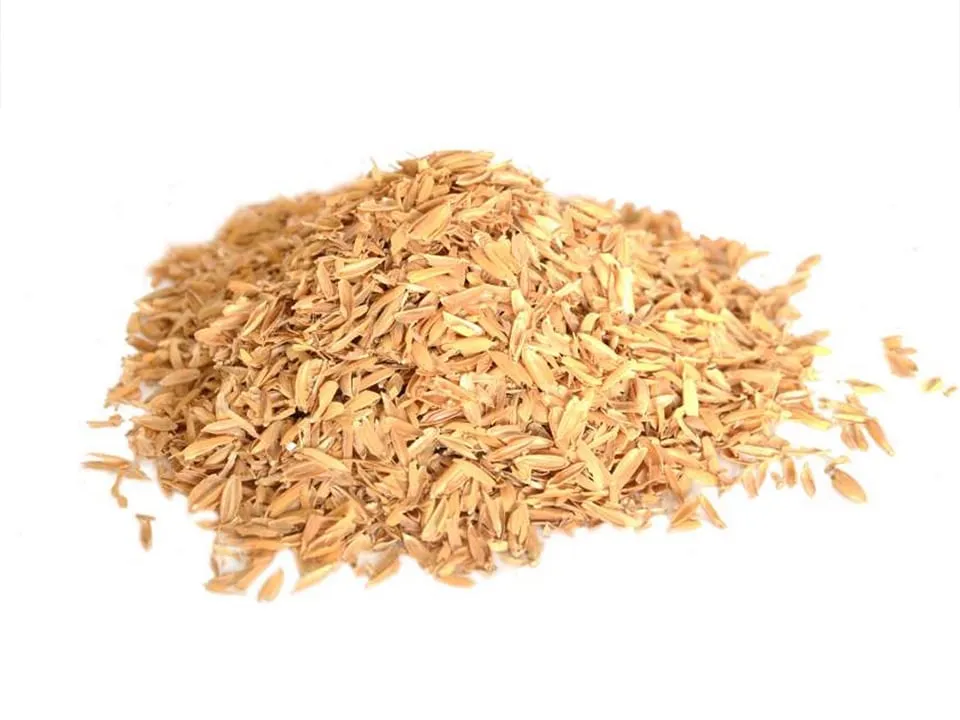
Until recently, almost all traffic signs were made of aluminium. Now they are also made from Resysta. This material consists of 60% rice husks, 22% rock salt and 18% mineral oils. This composition is a perfect fit for the circular economy.
The rice husk traffic sign is just one of OFN’s products. It is part of an extensive range designed to make spending time in public spaces, particularly while travelling, more pleasant. All the products are developed and manufactured with a mission in mind. Bus shelters, cycle shelters, (noise) barriers, bins, information signs and benches are produced with the smallest possible impact on the world.
Developing a vision and changing the culture
OFN was founded in 2001 and operated like many start-ups: ‘You ask, we deliver’. But in 2012, things took a turn. OFN was certified under the CO2 Performance Ladder, setting the company on a path that would transform it completely. “We began actively working with business partners who also wanted to develop products with the smallest possible footprint,” says Hetty Lemmen of OFN. “A group of employees who wanted to embrace this vision soon followed.”
Environmentally conscious products
This clear vision led to an endless stream of new products. The traditional steel, glass and plastic bus shelter became a shelter with supports made of 70% recycled aluminium, a wooden bench and a sedum roof. Concrete noise barriers gave way to sustainably sourced timber walls clad with solar panels. Concrete car parks took on a natural look with panels made of wood and bamboo.
100% circular
“The rice husk traffic sign fits seamlessly into this range,” says Lemmen. “Resysta is a fantastic material. It is made from waste materials from the food chain. The material looks like wood, is moisture-resistant, lightweight and has a service life at least as long as that of aluminium. If the traffic sign is no longer needed, it can be shredded, after which the material can be reused 100% without any additions. Research by Sweco has shown that the OFN traffic sign has a significantly lower footprint and is 100% circular at product level.”
The first 250 signs
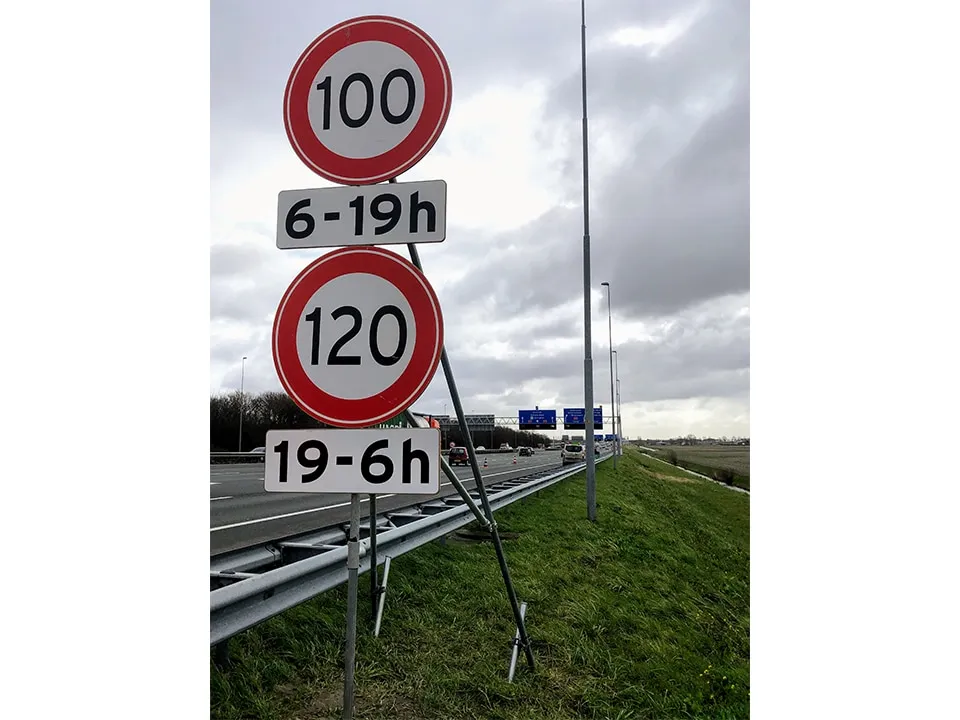
Lemmen is still pleased with RWS’s ambitious approach. “When the Netherlands switched to a maximum speed of 100 km, which would of course require thousands of traffic signs, RWS gave us the opportunity to supply the first signs. The product had been tested in every respect, but had not yet been certified to EN 12899, the standard for fixed traffic signs. Following discussions, test results and our assurance that we would take the signs back if certification was not achieved, we were allowed to supply the first 250 signs. Certification has now been secured, and the OFN rice husk traffic sign has been approved for use throughout the Netherlands.”
Question about this story? Ask your question
Keep following this
Get an email when a new story is published. No account needed.
- SubjectSpecials







