









New version of InfraCAD Map focuses on KLIC-WIN
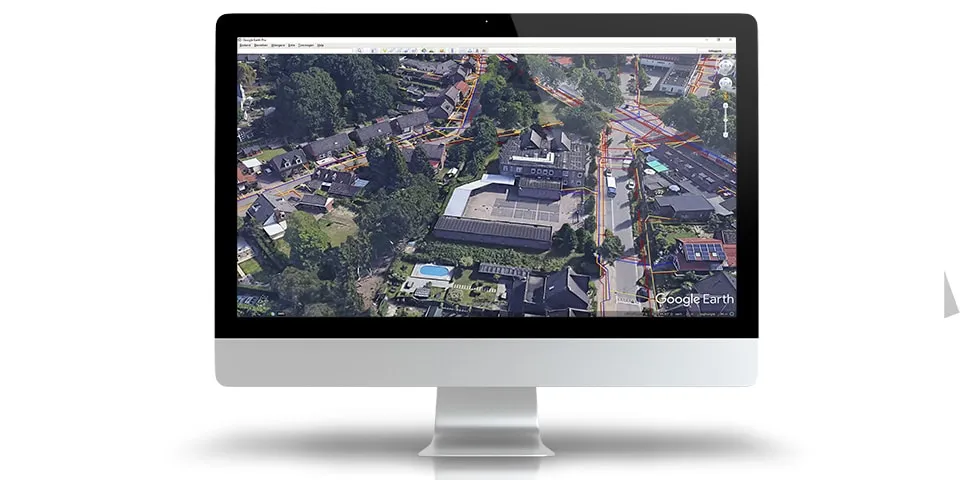
KLIC-WIN is a programme run by the Dutch Land Registry that is modernising the exchange of cable and pipe information with an eye to the future. In January, CAD Accent launched InfraCAD Map 6.8, which is entirely focused on KLIC-WIN. InfraCAD Map 6.8 includes a completely new module for importing KLIC-WIN notifications into AutoCAD. This article takes a closer look at how it works.
From raster to vector
The main change is that the new Klic notifications are based on vector data (GML). This means higher quality, faster processing and more information. InfraCAD Map was developed to import geospatial information (GML data), such as BGT and cadastral maps, into AutoCAD, and includes a powerful GML engine. For this reason, a completely new KLIC module has been developed in InfraCAD Map. This means that the existing KLIC module in InfraCAD, which is based on raster information, will eventually be phased out.
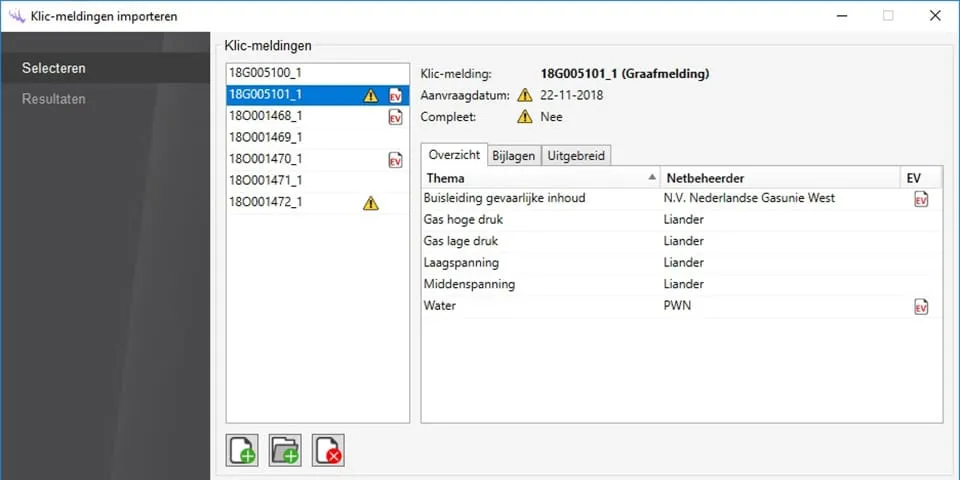
The KLIC module shows at a glance which Klic notifications contain points of attention or a Requirement for Precautionary Measures (EV). For each Klic notification, you can see which network operators and themes it includes, and where the Requirement for Precautionary Measures applies. All attachments are grouped under the second tab and can be opened directly. The ‘Extended’ tab provides the full information for the Klic notification in a clear tree structure.
KLIC-WIN and INSPIRE
KLIC-WIN represents a huge improvement in data quality. The days of translating cable routes, ducts and symbols from groups of pixels into a ‘tangle of lines’ are over. Cables now run neatly in parallel, ducts are clean polylines, and symbols are now genuine AutoCAD blocks.
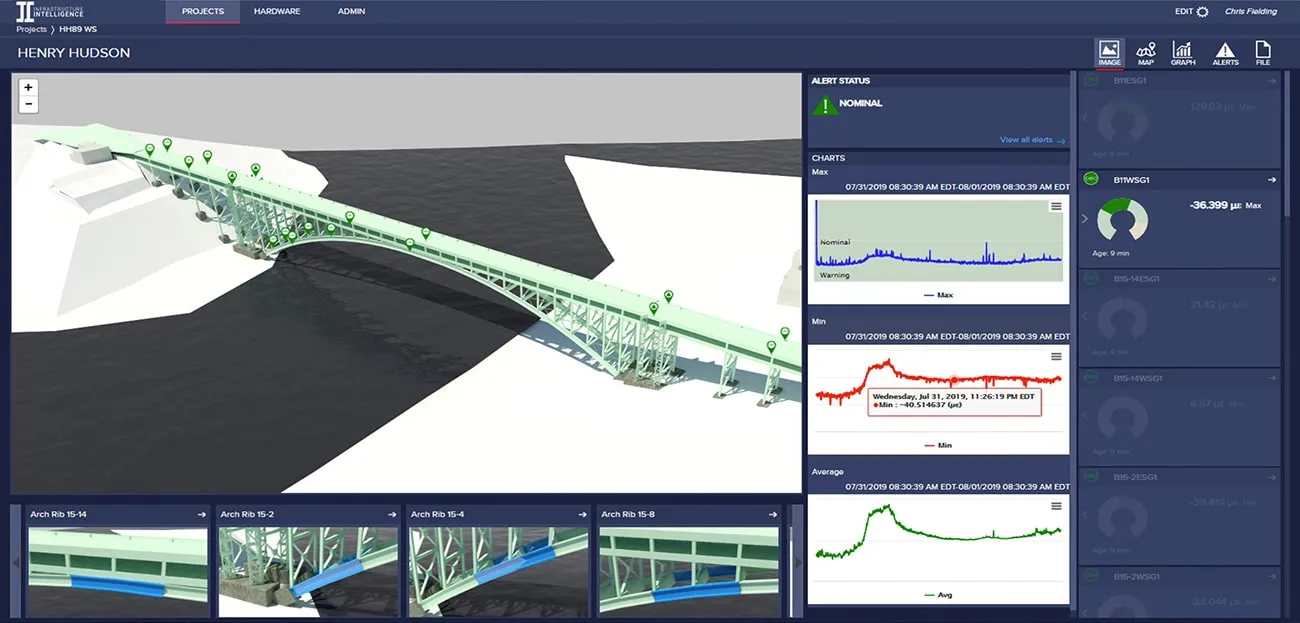
Thanks to the European INSPIRE Directive, the new Klic notifications contain much more information about cables and pipes. This includes, for example, diameter, pipe type, voltage or pressure. With InfraCAD Map, this information is available directly via a tooltip, as shown in the example below.
Information in a Klic notification is presented clearly.
Batch processing Klic notifications in accordance with NLCS
If you have received several Klic notifications, for example following a route notification, you can process them all at once. Because the new vector data uses far less computer memory, KLIC-WIN also makes it possible to batch process multiple Klic notifications.
Klic notifications imported individually or in a batch produce a drawing built entirely in accordance with NLCS. Klic notification numbers are no longer included in layer names, keeping the number of layers limited and easy to navigate.
Example of additional information for a gas pipe.
Requirement for Precautionary Measures
Where a Requirement for Precautionary Measures applies, it is shown as a hatched area in the drawing. Relevant information is linked to it and can be accessed directly from the drawing. It is simple and intuitive to use.
Topographic basemap
The new Klic notifications include an extract from the BGT as a raster file for orientation. In InfraCAD Map, you can choose whether to insert it into AutoCAD during import. If you also want the topographic basemap in your drawing as vector data, InfraCAD Map lets you import it from PDOK. You can choose from sources such as the BGT, the cadastral map and TOP10 vector. It is also possible to import an aerial photograph (2018).
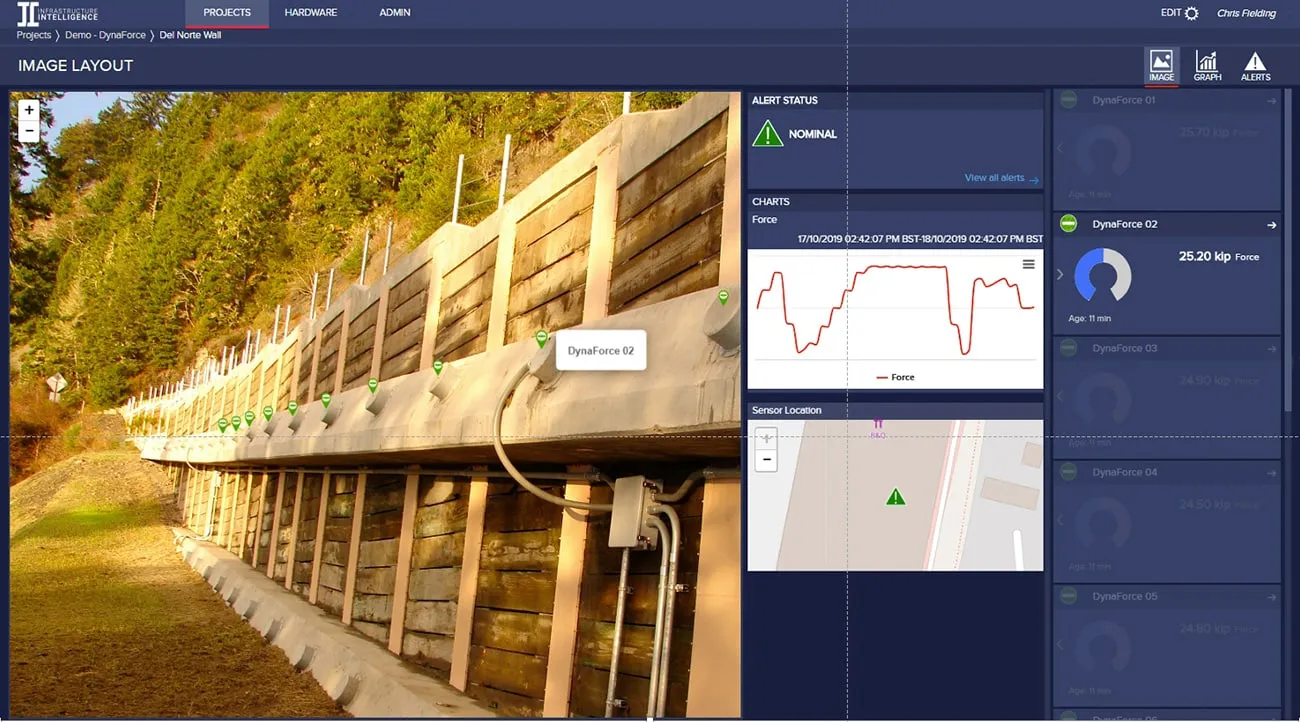
Requirements for Precautionary Measures can be viewed directly from the drawing.
Google Earth
Finally, the KLIC module in InfraCAD Map lets you export cable and pipe information to Google Earth.
Question about this story? Ask your question
Keep following this
Get an email when a new story is published. No account needed.
- SubjectSpecials







