









Improving safety, both on and off the road

Whether it is protecting vulnerable road users or preventing accidents involving your employees, raising safety standards must always be the top priority for those operating large vehicles and heavy machinery. Huib Slijkhuis, a vehicle safety expert at Brigade Electronics BV, discusses why improving safety on the road and at work sites is essential to preventing fatal accidents.
According to the World Health Organization, road traffic accidents are now the seventh leading cause of death worldwide, claiming more than 1.35 million lives and causing around 50 million injuries each year. The WHO also reports that working in the construction, agriculture and mining sectors, where moving vehicles and machinery cause many injuries and fatalities, is among the highest-risk occupations worldwide. Yet all incidents are preventable.
Appropriate vehicle and machinery safety measures are crucial to tackling risks on the road and at work sites. Taking reasonable precautions is clearly important. But to ensure they remain effective, it is essential to integrate them properly into company safety policies and communicate them to drivers, operators and other employees.

Training helps embed safety principles
Thorough training is a fundamental first step in maintaining safety on the road and at work sites, and in ensuring that safety policies are understood throughout the company. These policies should be consistent and clear. Effective training helps employees familiarise themselves with potential hazards, teaches them how to respond when something unexpected happens, and how to carry out thorough risk assessments before starting potentially hazardous projects or working in difficult conditions.
Specialist courses, comprehensive group training and regular refresher courses give employees practical learning experiences and provide them with essential information to maintain the highest safety standards and prevent avoidable incidents.
Vehicle technology
Because of blind spots, vehicles manoeuvring at low speeds are among the most common causes of fatal accidents and injuries involving pedestrians and other vulnerable road users. Similarly, staff working in noisy environments and difficult conditions, often with limited visibility, face an extremely high risk of being struck by moving vehicles and machinery.
The introduction of safety systems for commercial vehicles has not only helped improve road safety, but has also contributed to improving safety in a range of sectors, including construction, agriculture, mining, quarrying, shipping and aviation.
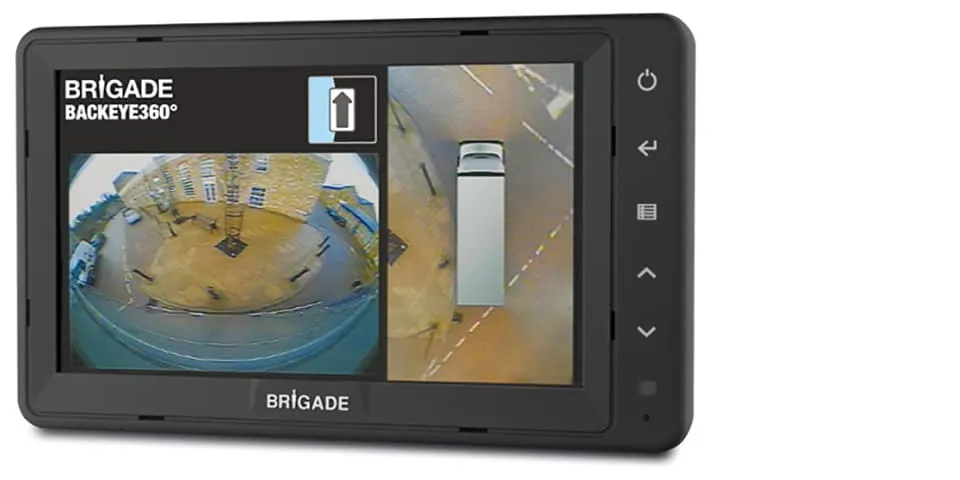
A range of technological solutions can be installed to improve safety, depending on the vehicle type and its use. For example, vehicle-mounted 360-degree camera systems such as Brigade’s Backeye360® give drivers a constant panoramic view of what is happening around the vehicle, which they can monitor on a screen installed in the cab. The ultra-wide-angle lenses on these systems’ cameras provide a comprehensive view of the area around the vehicle, unmatched even by large mirrors, eliminating blind spots altogether.
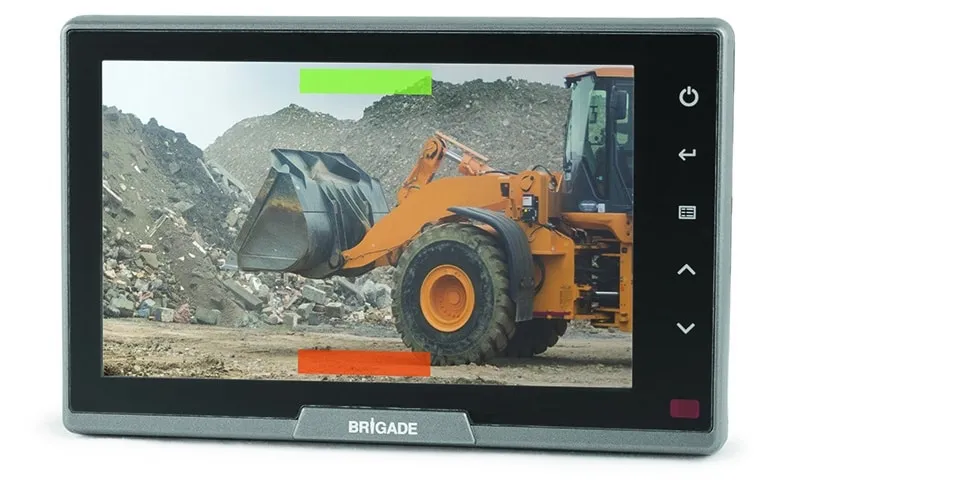
Radar-based obstacle detection uses continuous-wave radar technology to detect moving and stationary objects around the vehicle, alerting drivers with audible and visual signals so they can respond appropriately.
These are just two examples of how technology can make vehicles and machinery safer. There are many options to choose from, and specialists such as Brigade Electronics can advise on the best and safest equipment to meet every need.
Practical solutions to improve safety
Alongside training and vehicle technology, making practical changes to the working environment can also reduce the risk of accidents. Changing the time at which particularly hazardous work is carried out, for example by doing it only in daylight, or limiting the number of people in areas where vehicles are operating, are just a couple of ways to prevent collisions and raise awareness.
Safety first
A safety culture starts at the top. It is therefore essential to instil clear and consistent safety messages. This is key to creating a workplace culture that puts safety first and ensuring that everyone, both on the road and at work sites, is fully aware of the policies and procedures for best practice, carried out safely.
A business enquiry for Brigade Electronics? Get in touch
Companies in this story

Keep following this
Get an email when a new story is published. No account needed.
- ThemeSafe working and skilled professionals
- SubjectSpecials
- CompanyBrigade Electronics







