Foundations / Site investigation
The foundations sector is a dynamic industry
Text Roel van Gils Image NVAF
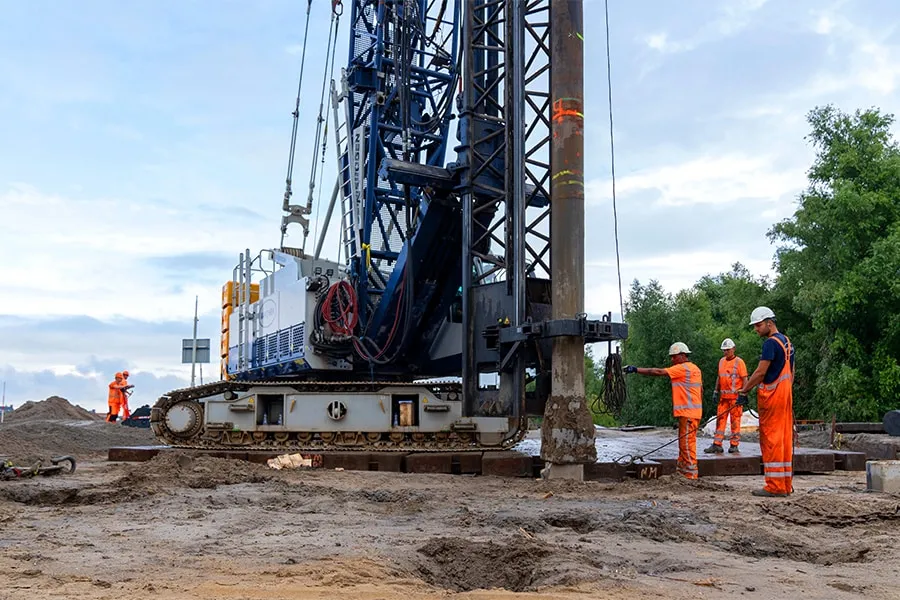
Plenty of challenges and developments
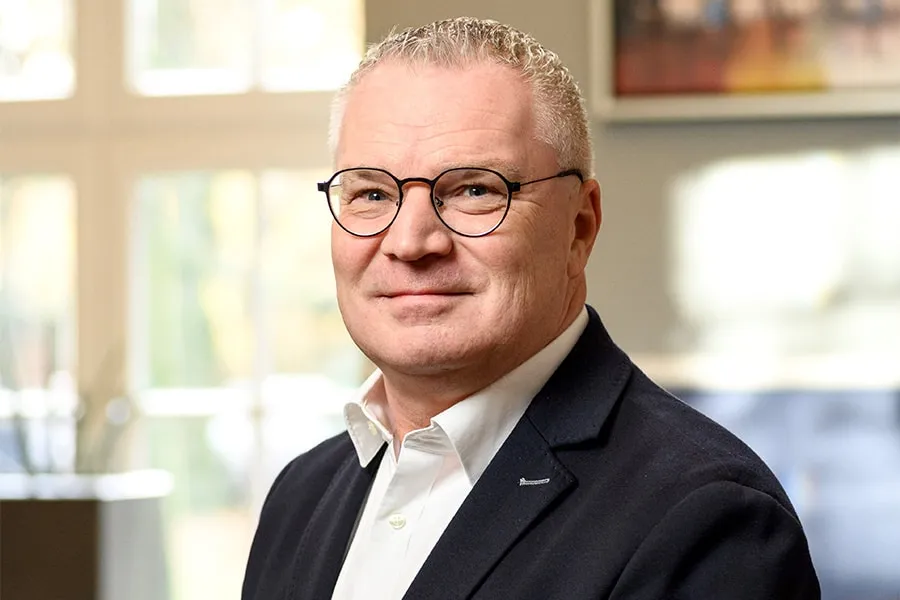
There is a great deal happening in the world of foundation engineering. According to Jaap Estié, director of the NVAF, it is a dynamic industry with plenty of challenges and developments. He is more than happy to share his thoughts. GWW Magazine spoke to the passionate industry leader.
Foundation contractors all work with the unknown. After all, they work below ground. “You can investigate a great deal in advance through geotechnical and hydrogeological surveys, but not everything can be predicted. In the end, it is largely a matter of working on the basis of assumptions and estimates,” Jaap acknowledges. “However, we are increasingly seeing a trend for clients to try to place those risks with foundation contractors, on the assumption that we are supposed to know everything. Of course, we are specialists, but we cannot assess every risk and take responsibility for it. Fortunately, this is well covered by the NVAF’s general terms and conditions and is also properly addressed in UAV and UAV-gc contracts. But now that the market is more competitive and the volume of work has fallen somewhat, clients sometimes try to pass ground risks on to foundation contractors. We must be careful not to let this trend continue.”
A difficult balancing act
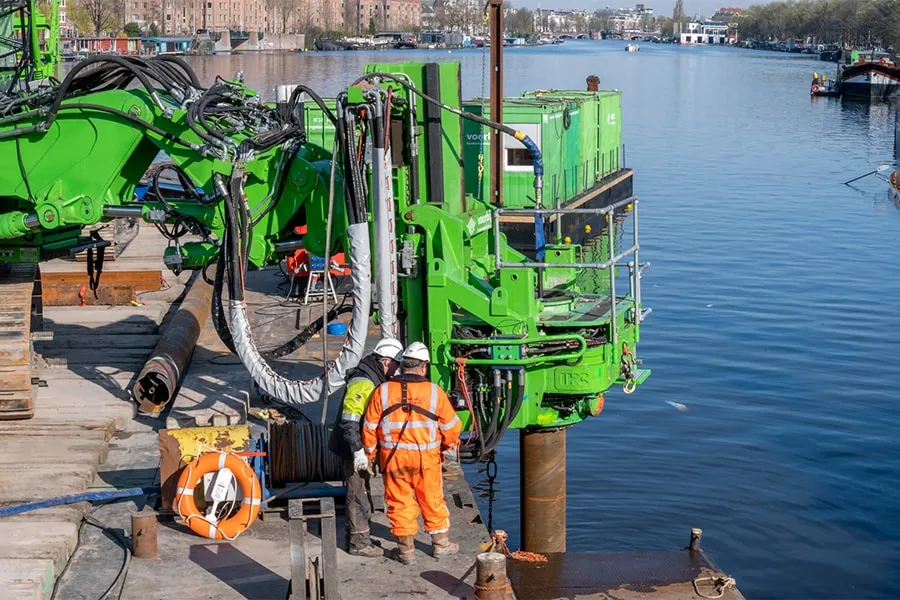
Jaap notes that projects are increasingly being put out to tender with sustainability requirements. “More requirements are being placed on the materials we use and the machinery we work with, preferably with zero emissions. This presents a number of challenges, because it has to be feasible and affordable. Securing enough electricity for construction is already a challenge in some places, and companies need to earn enough to finance the more expensive zero-emission machines. That is the difficult balancing act we are currently facing.” According to Jaap, electric equipment also presents challenges in the maintenance workshop. “A Tesla maintenance workshop is very different from one for foundation equipment. It brings different risks, including on the construction site itself. It is important to take that into account.”
Trade handbook
The NVAF is an active association, with representatives from member companies involved in a range of project groups. “For example, we recently set up a new project group to translate the effects of the Quality Assurance Act for Building into practical guidance for our industry,” Jaap explains. “We are also looking at the change to the statutory standard concerning soil. Foundation work is a construction activity, not a remediation activity. Some authorities, however, take a different view, which can lead to discussions. We also continue to work on our safety guidelines. We are currently revising the Safe Foundation Work trade handbook to reflect the latest developments, including the role of electrification. The handbook explains how to work safely, healthily and in an environmentally responsible way in the foundations sector. The fourth edition will be published later this year.”
BTC and CSRD
Another issue on the NVAF’s agenda is foundation repair. “There is a huge amount of work to be done in this area in the Netherlands,” Jaap believes. “Together with another project group, we are looking at how best to tackle this by pooling and sharing knowledge and expertise. That way, we can avoid being faced with all kinds of requirements and questions that may make sense in theory but are not practical to implement.” The NVAF is also revising the guideline for the construction site certificate (BTC), as part of the Guideline on the Accessibility of Construction Sites. It is working closely with international knowledge institutes on this. “We have also set up a project group to provide direction on the CSRD, a European directive on sustainability reporting. This directive requires companies to report on their sustainability performance using a range of sustainability criteria. Larger companies are already required to do this, but smaller companies will also be affected. It may seem like a distant concern, but in practice it is much closer than you think,” Jaap stresses.
The Funderingsvakschool started up again this year, and a new training round is due to begin soon. “Last year, we successfully trained participants and broadened their knowledge and skills. We urge companies to enrol their staff on one of the three courses.”
Question about this story? Ask your question
Keep following this
Get an email when a new story is published. No account needed.
- ThemeUnderground construction
- SubjectFoundations / Site investigation