Foundations / Site investigation
Machine data logging for foundation works
Text Chris Elbers Images Inpieq
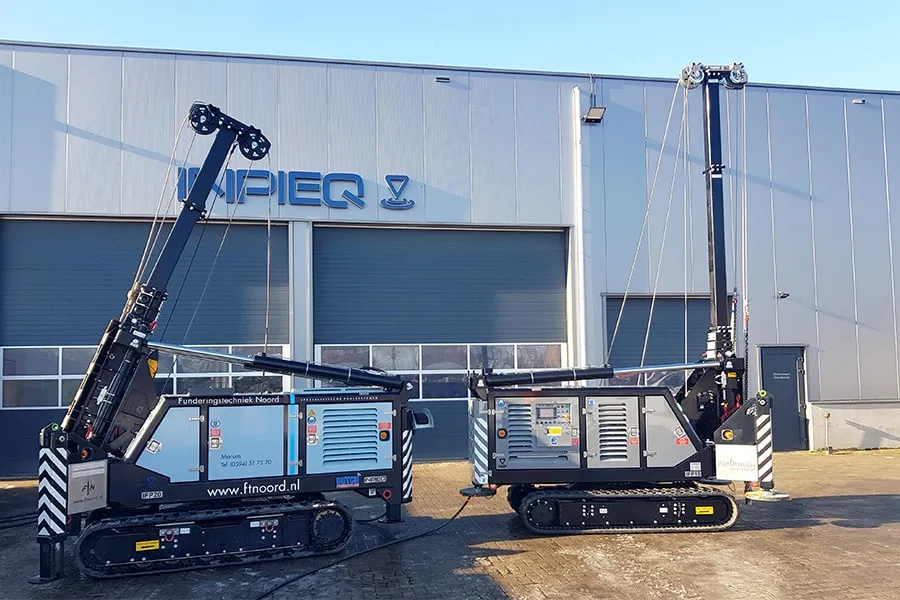
Logging machine parameters is becoming increasingly important, including in foundation works. This is due in part to increasingly stringent legislation, but users also want an accurate picture of their fleet’s facts and figures as part of their sustainability efforts. Inpieq, a specialist in foundation equipment, understands this well. This is reflected, among other things, in the recent launch of a brand-new platform that, in addition to logging pile data, can accurately collect a wide range of engine and machine data.
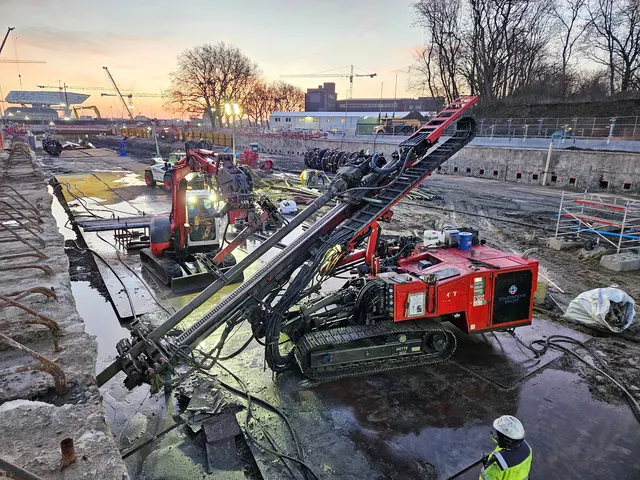
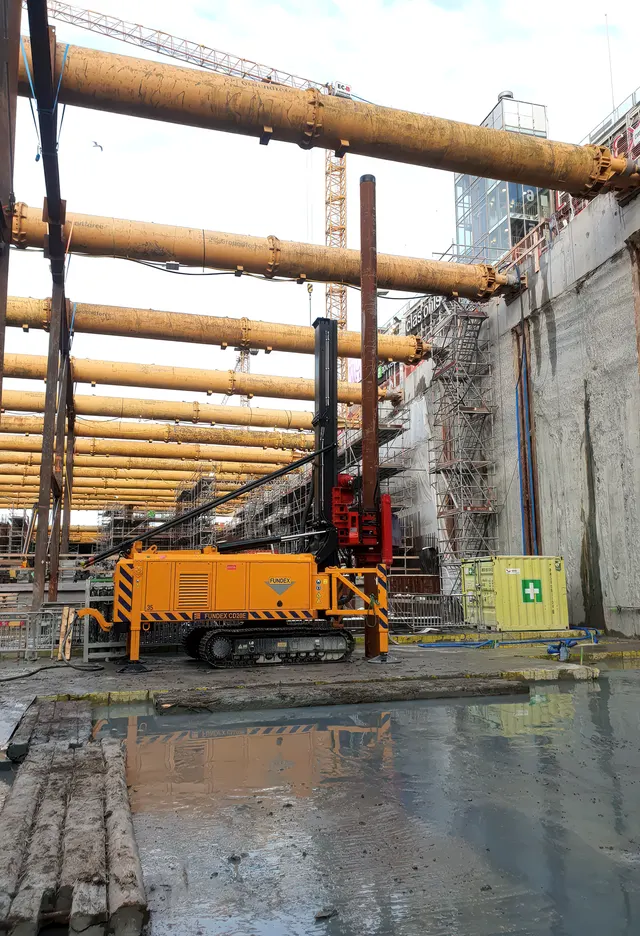
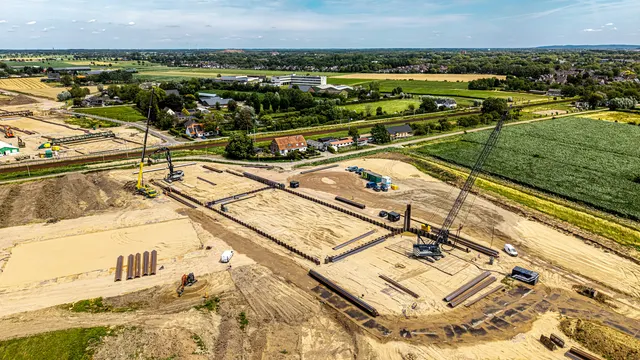
Since its establishment in 2008, Inpieq has become an indispensable link in the foundation industry. The Steenbergen-based company not only supplies a wide range of custom-designed and manufactured foundation machines. For years, it has also been making a difference with the Inpieq Data Logging System (DLS), the solution for automatically logging foundation piles. This applies whether the work involves impact piling, drilling, vibrating, jet grouting or pressing. “By further developing the software, we have recently made it possible to generate various types of machine and engine data fully automatically,” says managing director and owner Frank van Deursen. “The result is a comprehensive, extensively tested platform that gives users an up-to-date overview of all the pile data and equipment information they need. This can even be broken down by machine or project.”
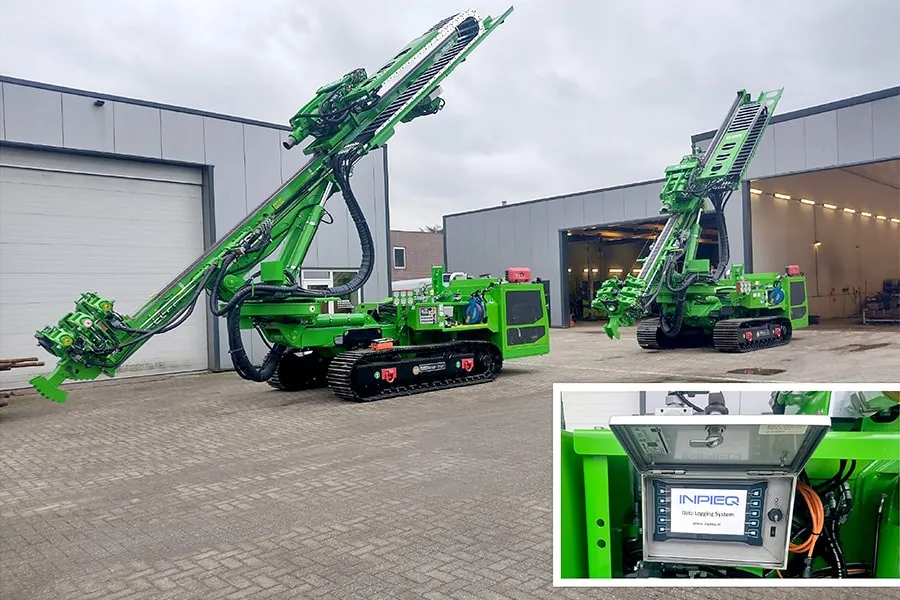
Mapping the entire route
Using Inpieq DLS delivers maximum efficiency on foundation projects. As well as a clear overview of the foundation piles installed, the tool can generate significant cost savings by providing an up-to-date overview of, for example, concrete and grout consumption. The user-friendly system also gives both crane operators and office staff all the information they need to carry out the work to the best possible standard. With the recently added machine logging module, it is now also possible to map the machine’s entire route. “We can collect a range of engine and hydraulic system parameters,” says Frank. “These include fuel consumption, start and stop times, data for technical maintenance and, of course, CO2 emissions. Users want their fleets to be as efficient and effective as possible. At the same time, they want to leave the smallest possible emissions footprint. This system, which is suitable for any machine you can think of, makes it possible to demonstrate that clearly. As well as supplying the system, we also take care of all the infrastructure, including connecting it to the piling rig and installing the necessary GPS equipment. Here too, we offer a complete solution.”
Question about this story? Ask your question
Keep following this
Get an email when a new story is published. No account needed.
- ThemeUnderground construction
- SubjectFoundations / Site investigation