Foundations / Site investigation
Lebotec responds to growing demand for urban foundation work
Text Susan Peek Images Lebotec BV
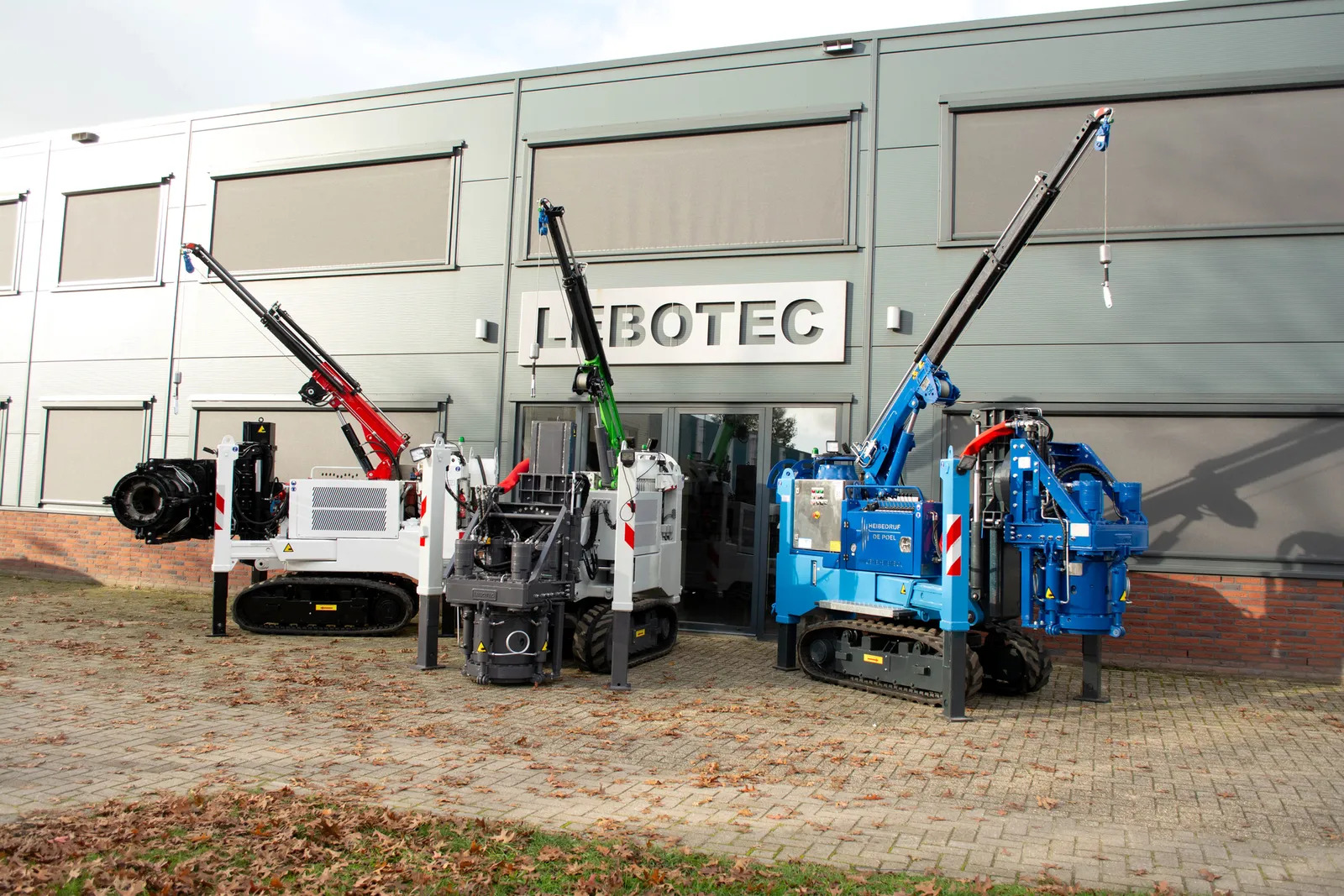
Compact, versatile solutions for renovation and urban projects
Foundation work in urban areas calls for different choices than it did ten years ago. Projects are becoming more complex due to tighter spaces, stricter emissions requirements and restrictions on transport weight. At the same time, demand for reliable foundation solutions remains high, particularly for renovation, redevelopment and extensions to existing buildings. Machine builder Lebotec is responding with compact drilling rigs and a practical interim solution for zero-emission working.
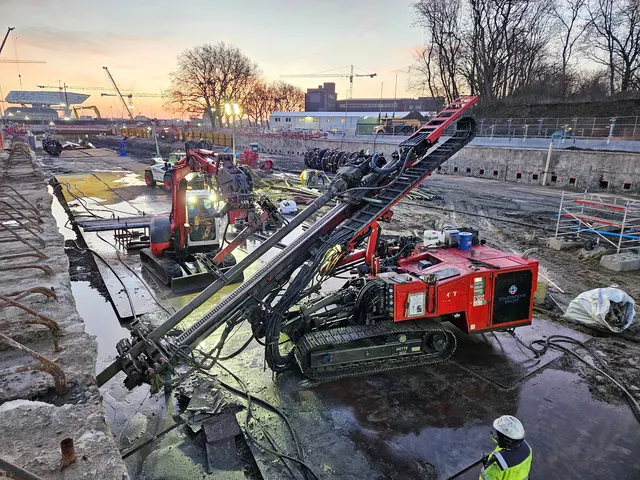
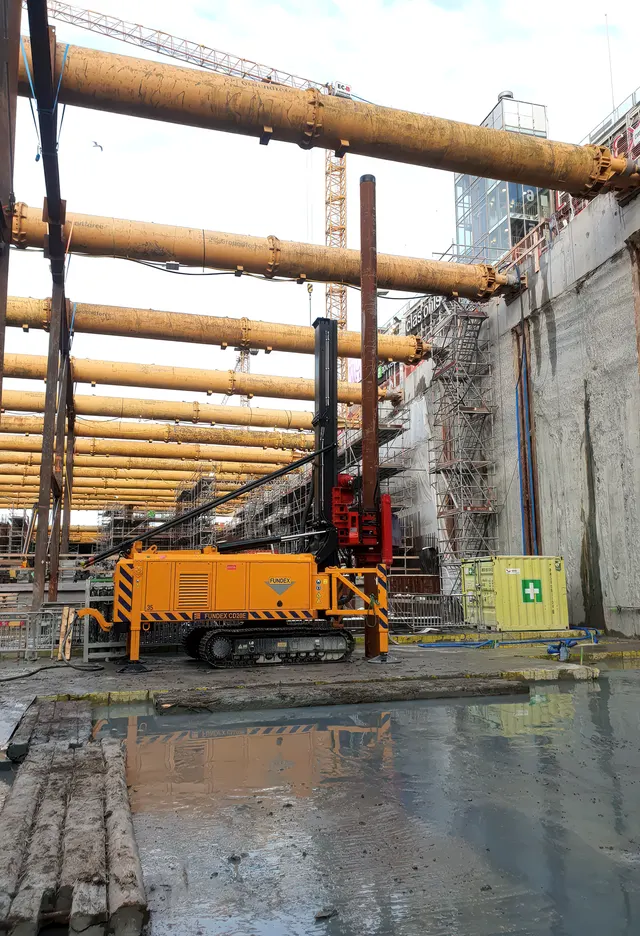
According to Van Oostwaard, the tension between practical execution and environmental requirements has a direct impact on the equipment used on site. “The nature of foundation specialists’ work is clearly shifting,” he says. “The focus is increasingly on small, tightly packed projects in urban areas. You work in confined spaces, often among existing buildings, and need to be able to adapt quickly.” This shift is directly reflected in the CD machines Lebotec has developed in recent years.
Expanding range of machines
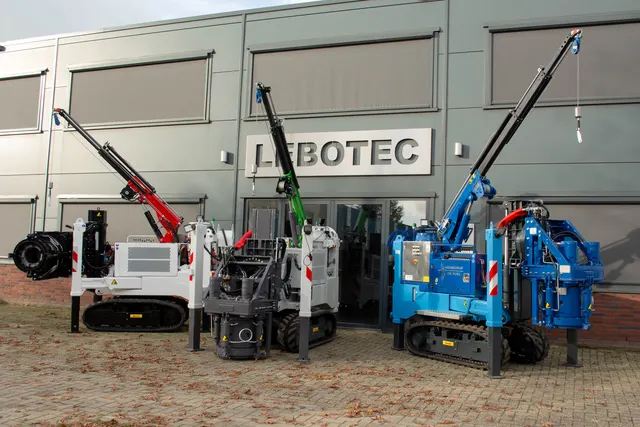
The mini and midi segments in particular are growing rapidly. Large cranes and heavy foundation rigs are increasingly difficult to use in city centres, while work still needs to go ahead. “You need machines that are compact and manoeuvrable, but also powerful enough to carry out the work properly and in a controlled manner,” says Van Oostwaard. “So you have to use technology differently to make more efficient use of power.” What began with the CD65 has gradually grown into a whole CD family, with the CD45 as its smallest member. Heavier models are also planned for the future. The machines are ideally suited to screw injection and other piling systems in urban settings, where space and logistics are decisive factors. “We are also planning to add the 80 and the 100, with drilling torques of eight and ten tonne-metres respectively.”
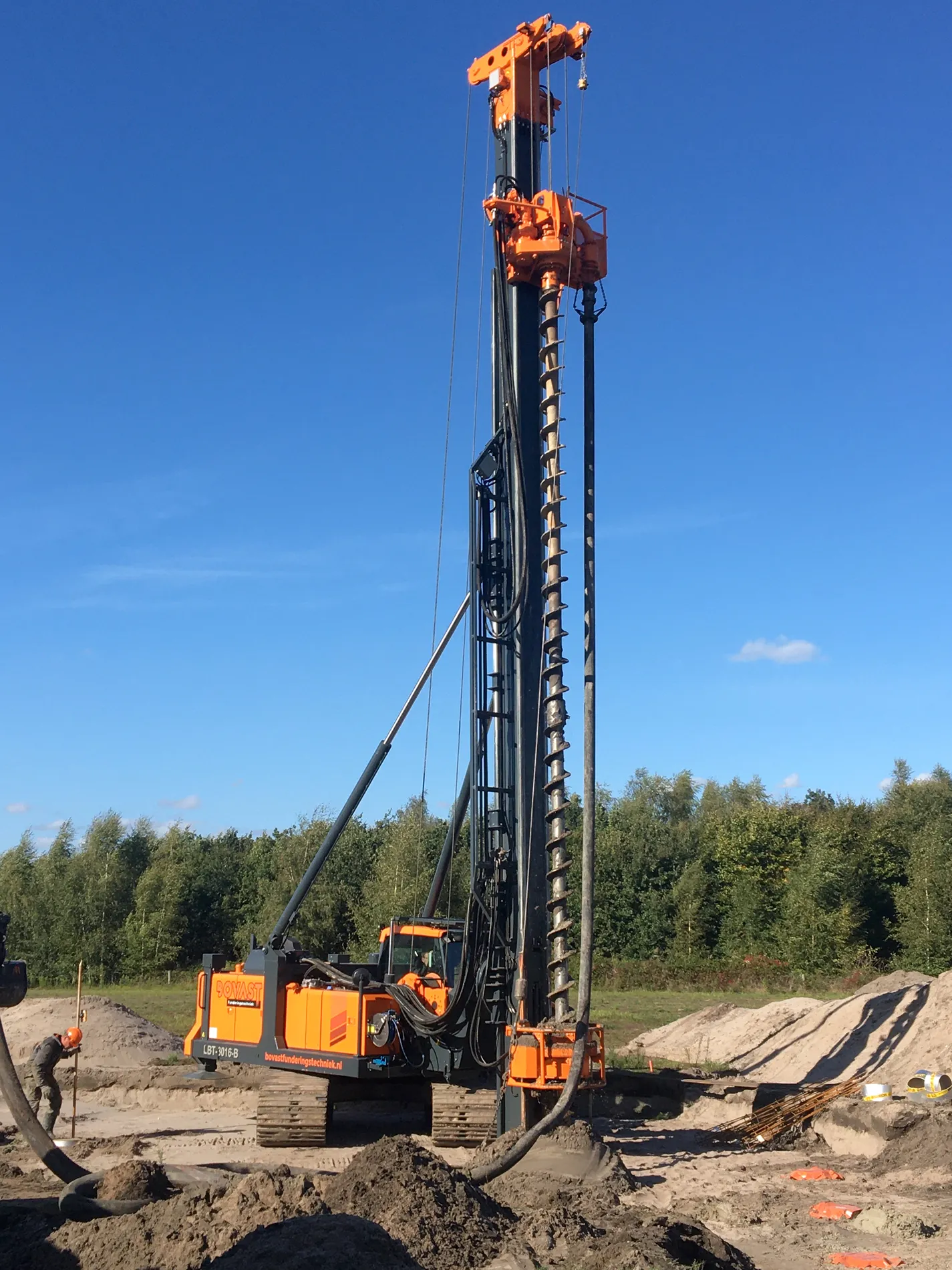
Zero-emission working
Zero-emission working is a recurring theme, but according to Van Oostwaard, the reality is challenging. “At higher power levels, foundation work requires an enormous amount of energy in a short time. You can’t simply draw that from the grid.” Fully electric solutions are possible, but they involve substantial investment and logistical challenges. “Battery packs are heavy, require charging infrastructure and also need to be transported. That makes the transition more complex than it might seem on paper.”
Battery as an interim solution
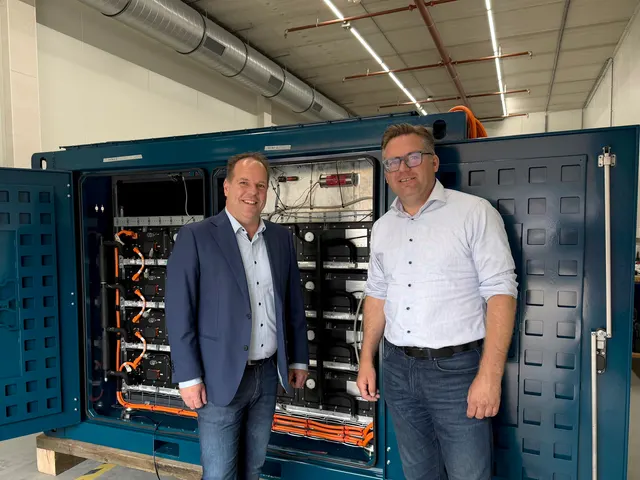
For this reason, Lebotec is developing an external electric power pack that can drive machines using a battery pack, including those originally powered by diesel. “You can switch between options for each project,” explains Van Oostwaard. “If you need to work with zero emissions in a city centre, the power pack temporarily takes over the drive.” The system is expressly intended as an interim solution. “That way, contractors don’t have to replace their entire machine fleet at once, but can work with zero emissions wherever required.”
Developed in response to practical needs
This pragmatic approach is in keeping with the way Lebotec works. New machines and modifications rarely originate solely at the drawing board, but almost always stem from practical requests. Van Oostwaard says: “If a solution saves time in a confined space, it has immediate value. And if several customers ask for it, you know the need is more widespread.” With further additions in preparation, he is looking ahead with confidence. “Tomorrow’s foundations require not only power, but also smart ways to apply it where it is needed.”
Question about this story? Ask your question
Keep following this
Get an email when a new story is published. No account needed.
- ThemeUnderground construction
- SubjectFoundations / Site investigation