Foundations / Site investigation
Huge potential for the Dutch foundation industry
Text Roel van Gils Image NVAF
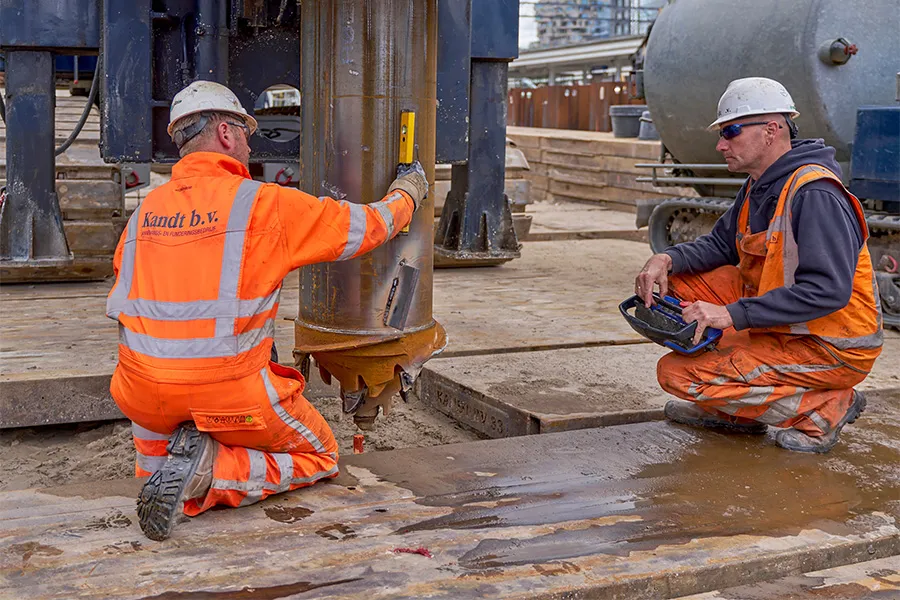
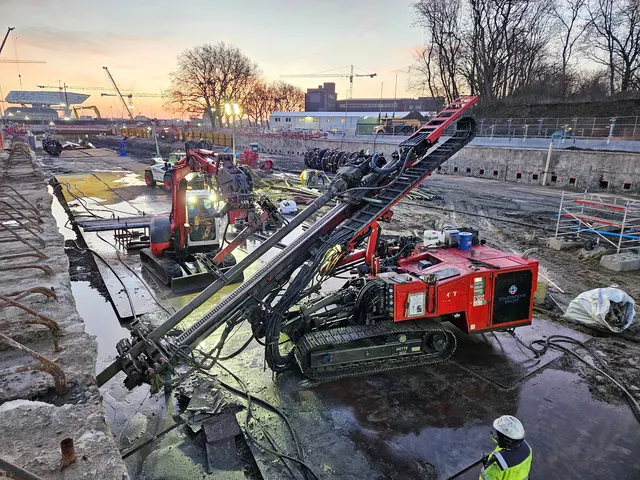
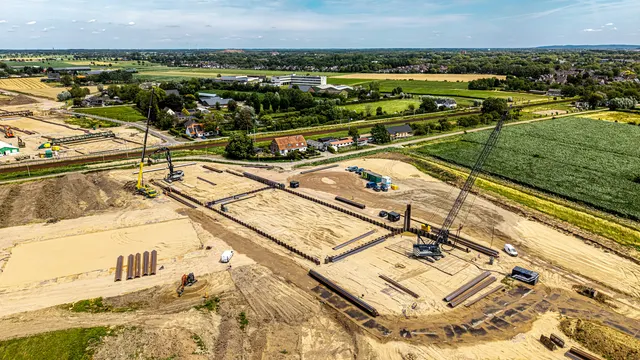
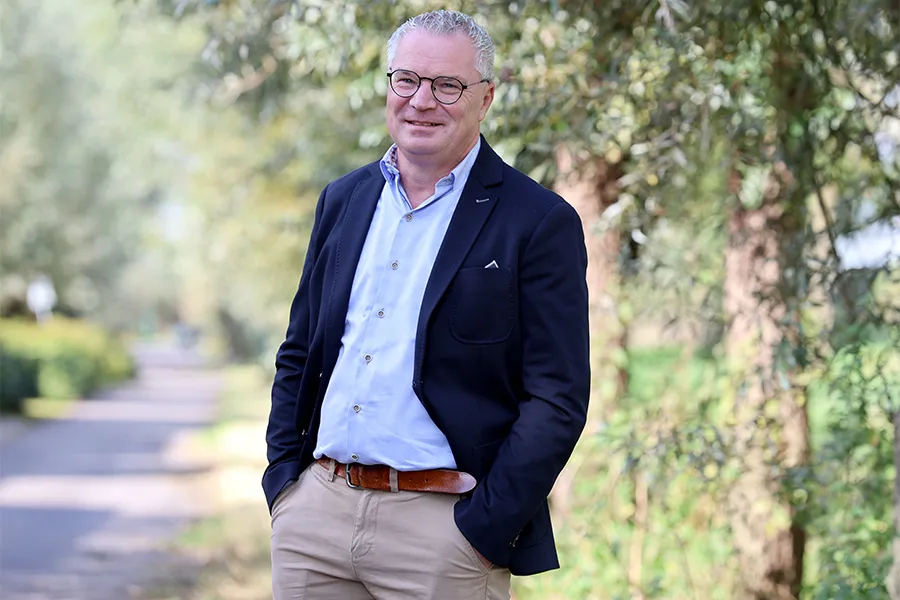
There is a huge amount to be done in the Netherlands in a range of areas, including housebuilding, foundation repair, dike reinforcement and all projects related to climate adaptation. So says Jaap Estié, director of the Dutch Association of Foundation Contractors (NVAF), who is optimistic about the potential of the foundation industry. At the same time, he also points to some caveats.
There is plenty of potential, then, but there are challenges too. “We are facing a number of constraints,” Jaap rightly points out. “These include the ruling on nitrogen emissions, which is casting a shadow over the future. Another challenge, of course, is the labour market. We need not only to recruit new talent, but also, and crucially, to retain existing skilled workers in the industry. We are doing everything we can to show the market that ours is an attractive industry to work in.”
CO2 calculator
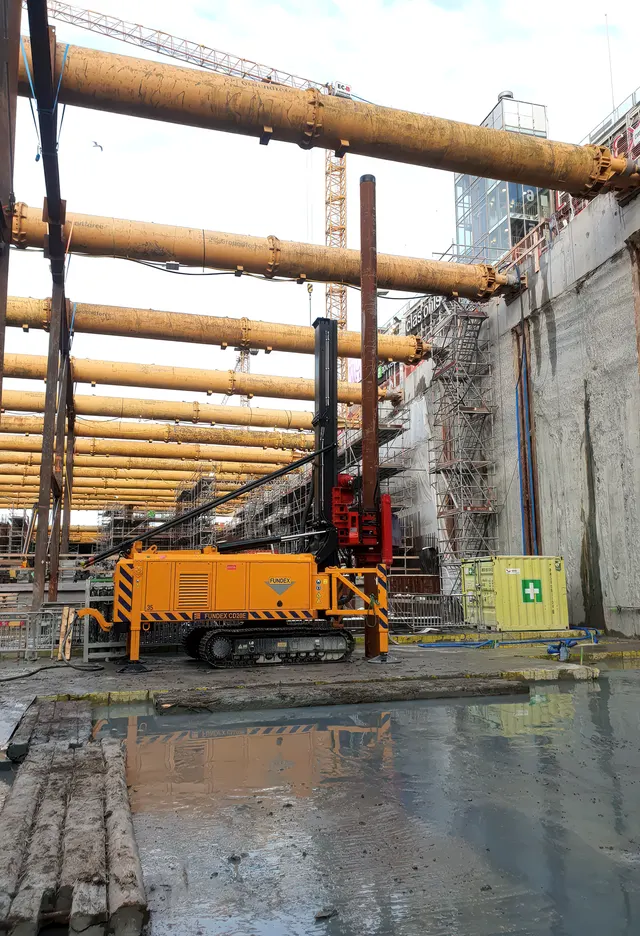
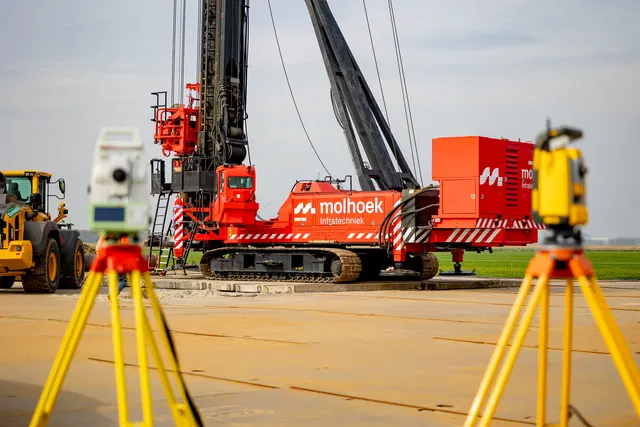
Sustainability is, of course, also an important issue for the foundation industry. “We look beyond materials and equipment,” says Jaap. “We are working towards methods that make foundation work more circular and reduce CO2 emissions. The CO2 calculator developed by the European Federation of Foundation Contractors (EFFC) is a useful tool for this. It can be used to calculate the CO2 impact of the different design choices for a foundation project. This covers raw materials, what goes into the ground and the equipment used. So it is not just about foundation rigs, but also, and above all, transport. The foundation rig alone accounts for only a small proportion of a foundation project’s total CO2 emissions. On average, it is just a few per cent, while the delivery of raw materials, concrete and steel is responsible for as much as 90% of total CO2 emissions. This is not yet sufficiently understood, as the focus is often mainly on emissions from the foundation rig.”
A distinct role in the supply chain
Foundation contractors have a very distinct place in the supply chain, according to Jaap. “What we do is highly specialised. Even though the ground is surveyed before we start work, we often encounter unforeseen circumstances. Cone penetration testing gives you an idea of the geotechnical conditions, but in some parts of the Netherlands they can be completely different just 10 metres away. We also sometimes encounter obstacles underground, such as an old tree, a glacial erratic or a historic structure that is not recorded anywhere. No two projects are the same; nothing is standard. On the one hand, that makes the work incredibly challenging, but sometimes people outside the industry could show a little more understanding. There can be no building without foundations. Our work is the basis for everything that is built and developed in the Netherlands.”
Foundation training school
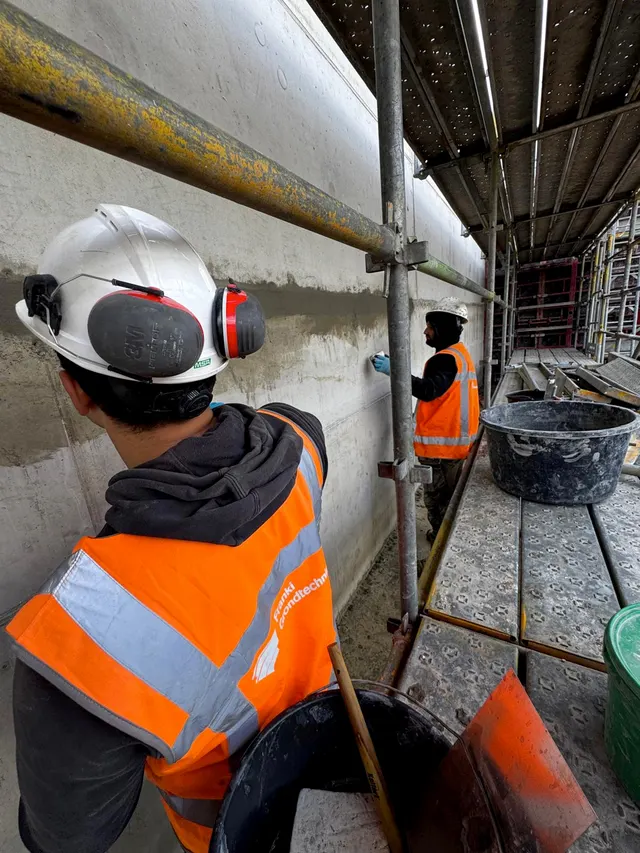
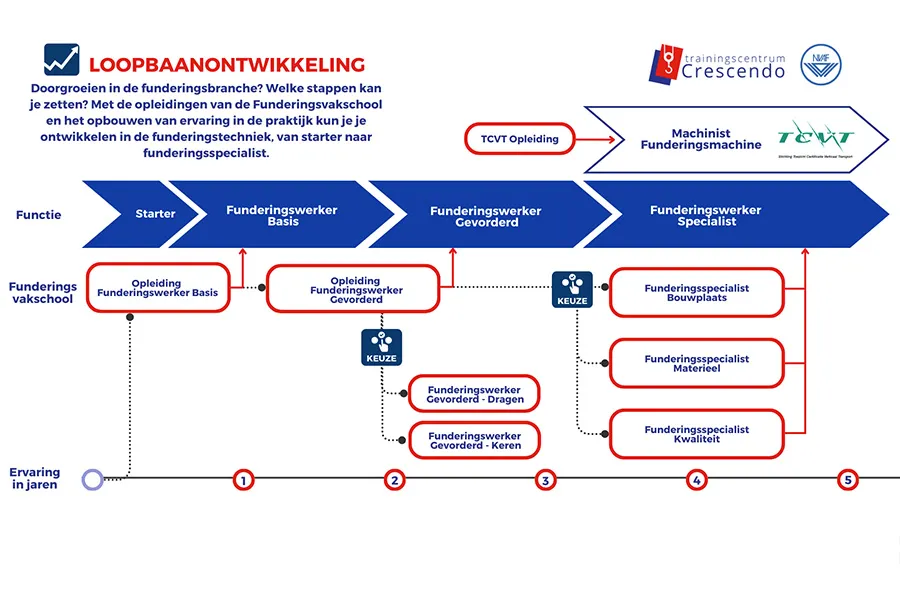
This spring, the NVAF, in partnership with Trainingscentrum Crescendo, is launching a revamped Funderingsvakschool. This practical training programme has been specially developed to train employees in the foundation industry and help them progress. Its modular structure enables employers and employees to choose the knowledge and skills they need to strengthen their expertise and ensure safety on site. “The Funderingsvakschool offers a structured pathway through which employees can develop from beginners into specialists,” says Jaap. “This helps companies not only train their employees, but also retain them and support their further development. Together, we are building a safer, more professional foundation industry.”
Question about this story? Ask your question
Keep following this
Get an email when a new story is published. No account needed.
- ThemeUnderground construction
- SubjectFoundations / Site investigation