Foundations / Site investigation
Durable anchoring systems
Text Remco van der Voorden Image ANP-Systems
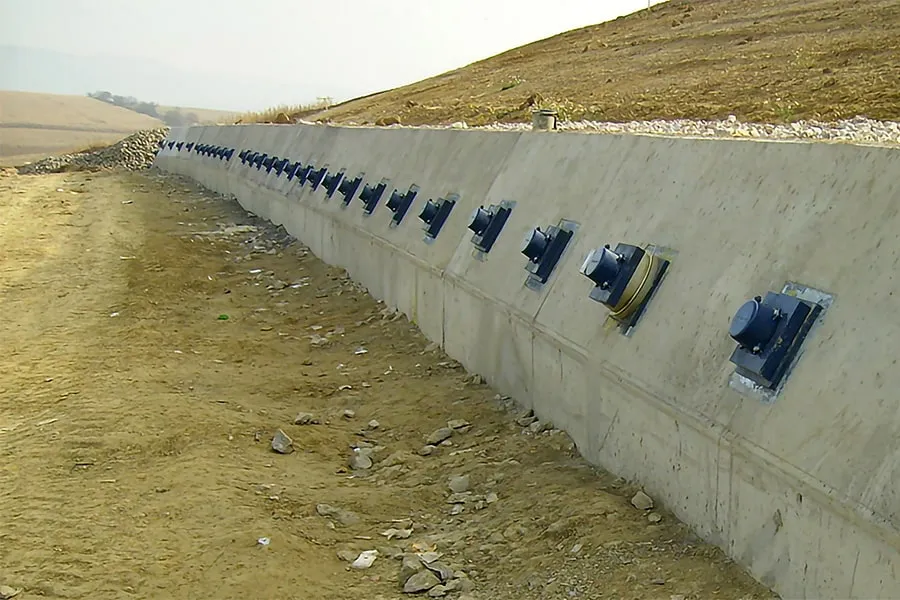
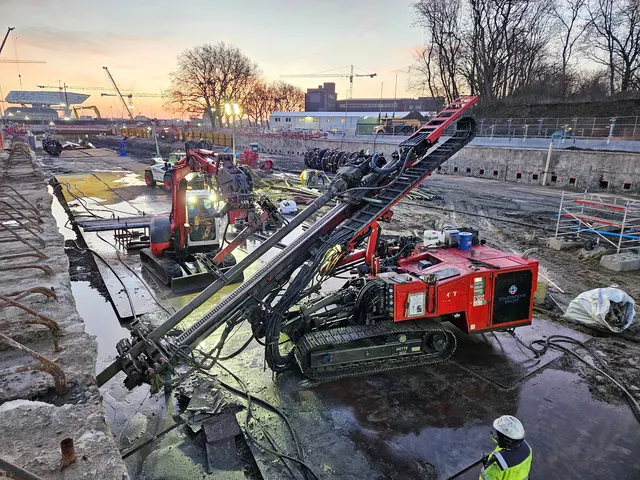
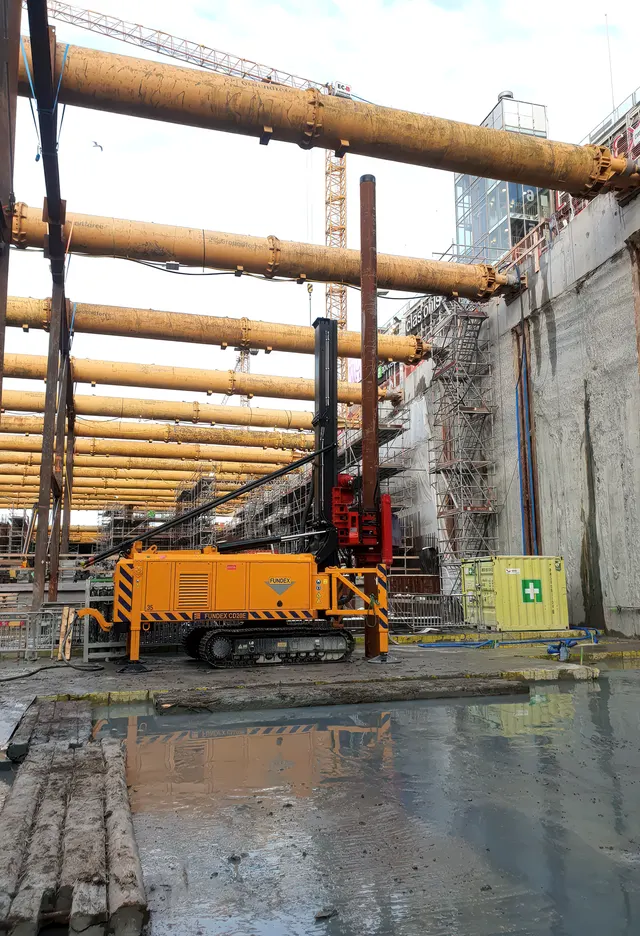
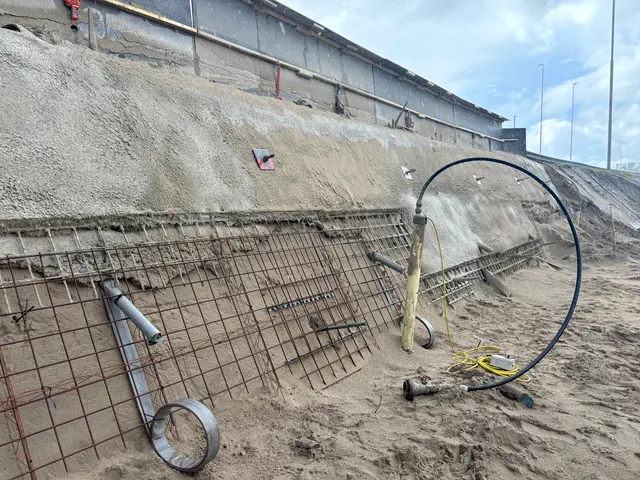
Anchors are widely used in foundation engineering to stabilise retaining wall structures, basement and tunnel floors, or as micropiles. The systems are normally installed using vibration-free drilling techniques, allowing them to be used close to existing infrastructure. When used as active, prestressed anchors, they offer significant benefits by reducing the size and weight of structural components, which reduces the use of primary raw materials. For permanent anchors with a service life of at least 100 years, durability in the form of corrosion protection is crucial. In current practice, the application of the correct corrosion protection is also often a misunderstood principle.
Protection class under the standards-based approach
European execution standards clearly distinguish between active systems (prestressed elements) and passive systems. As a general rule, double corrosion protection is recommended for all systems used permanently. Double corrosion protection combines a cement grout filling, applied under controlled conditions, with one or more plastic sheaths.
Under EN-1537 (ground anchors), applying corrosion protection by allowing for theoretical corrosion loss is not acceptable for active systems. This is because there is no reliable method for determining the risk of corrosion with sufficient accuracy or predicting the corrosion rate in the ground.
In the Netherlands, the NEN 6766:2023 standard has recently become available, providing guidance on calculating theoretical corrosion loss in steel elements in the ground). Allowing for theoretical corrosion loss is applicable to passive anchoring systems under EN-14199 (micropiles) and EN14490 (soil nails). These applications often involve lower-risk situations and redundant elements.
Zinc coatings, whether or not combined with epoxy coatings, are not considered full corrosion protection. This is because they are essentially sacrificial systems, often with different creep behaviour from the anchor elements, and there is a high risk of damage during installation on site. Service life is variable and depends heavily on the aggressiveness of the ground conditions. In addition, localised damage during installation increases the
risk of corrosion.
Anchor head design and finish
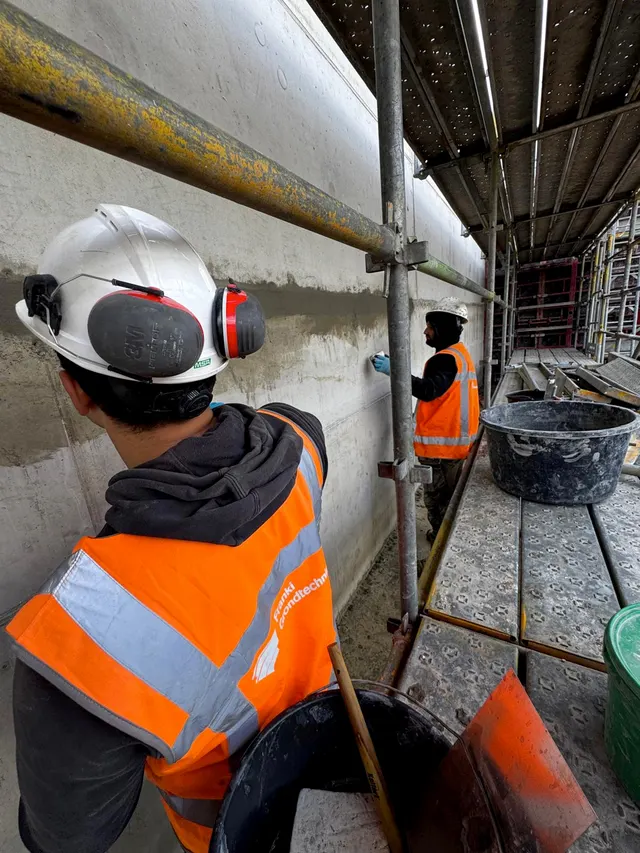
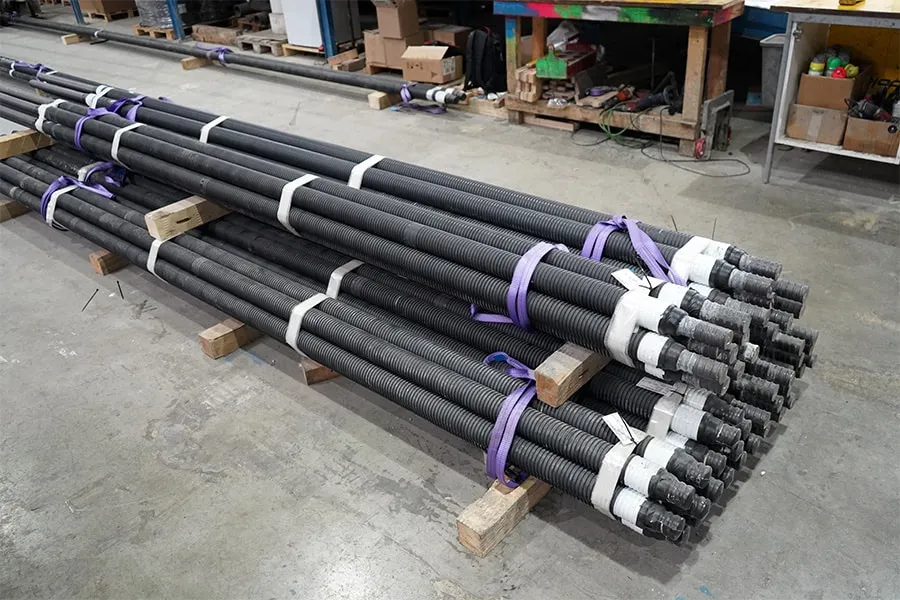
Experience in practice shows that long-term damage is, in most cases, attributable to the use of an unsuitable permanent anchor head or micropile head, or to its finish. Anchor heads are often assembled based on local judgement, with crucial components and connection details frequently overlooked. ANP-Systems offers complete designs for permanent applications. These are consistent and included in the construction technical approval documents held by ANP-Systems.
Experience backed by reliable availability
ANP-Systems has extensive experience in applying corrosion protection to anchoring systems. As the holder of numerous construction technical approvals in several European countries, it meets the highest standards of safety and reliability for the anchoring systems it manufactures.
ANP-Systems’ involvement in major infrastructure projects, such as the restoration of the Prinses Margriettunnel, Sluis Terneuzen, Europaterminal Antwerpen and the A9 Badhoevedorp-Holendrecht, is clear. ANP-Systems can supply anchoring systems throughout the Benelux directly from its production facilities in Austria and Germany, which maintain ample stock. Reliable availability is therefore guaranteed.
Question about this story? Ask your question
Keep following this
Get an email when a new story is published. No account needed.
- ThemeUnderground construction
- SubjectFoundations / Site investigation