









Ductile iron pipes will outlast us all
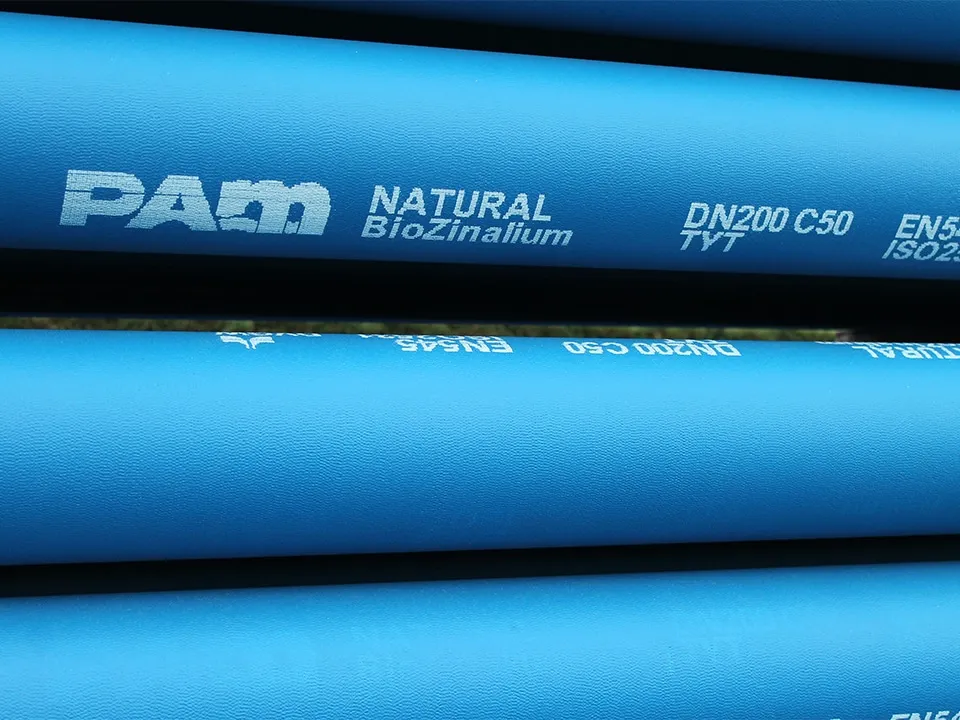
“We are no longer talking just about sustainability, but about generations”
If anyone asks whether ductile iron pipes are the new, sustainable alternative in the pipeline sector, we can confidently say that ductile iron pipes are the original. Ever since iron casting was invented centuries ago, water pipes have been made from cast iron. Pipes that are still functioning today. One of the key themes in sustainability is extending service life. So, with the virtually endless service life of cast iron pipes, we are talking about sustainability avant la lettre.
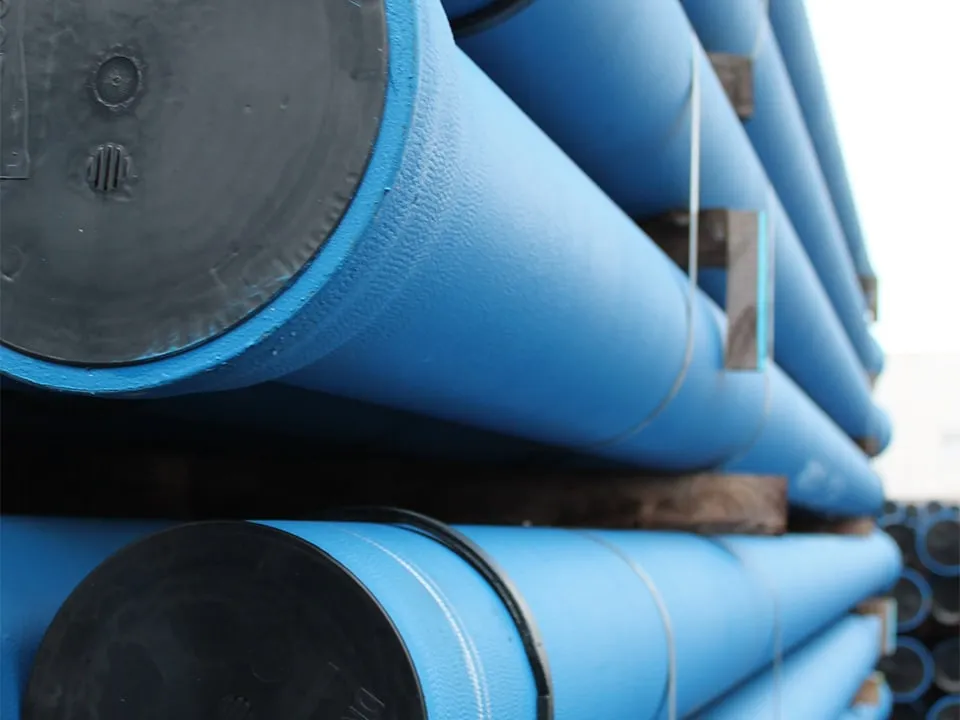
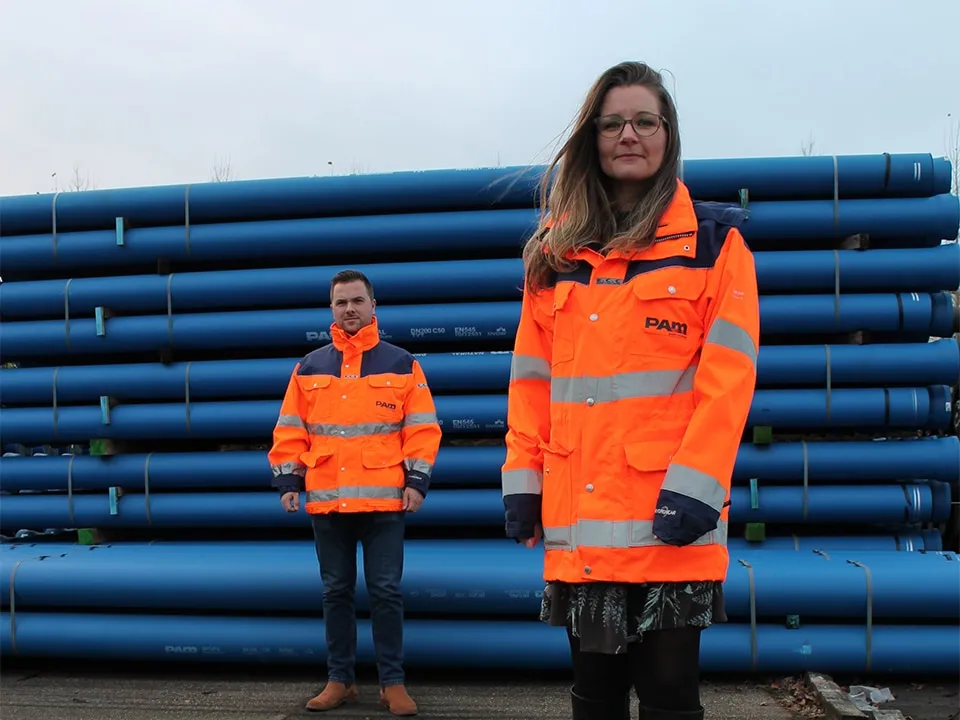
Today, ductile iron is used for these pipes. The result is a product that not only lasts an exceptionally long time, but can also be recycled indefinitely. Cradle to cradle at its best. We are at the offices of PAM Saint-Gobain in Almere, a manufacturer of ductile iron pipes. We are speaking with Edwin Porssius, project and account manager, and Esther Lindeman, sales and marketing manager.
Water supply for the fountains of the ‘Sun King’
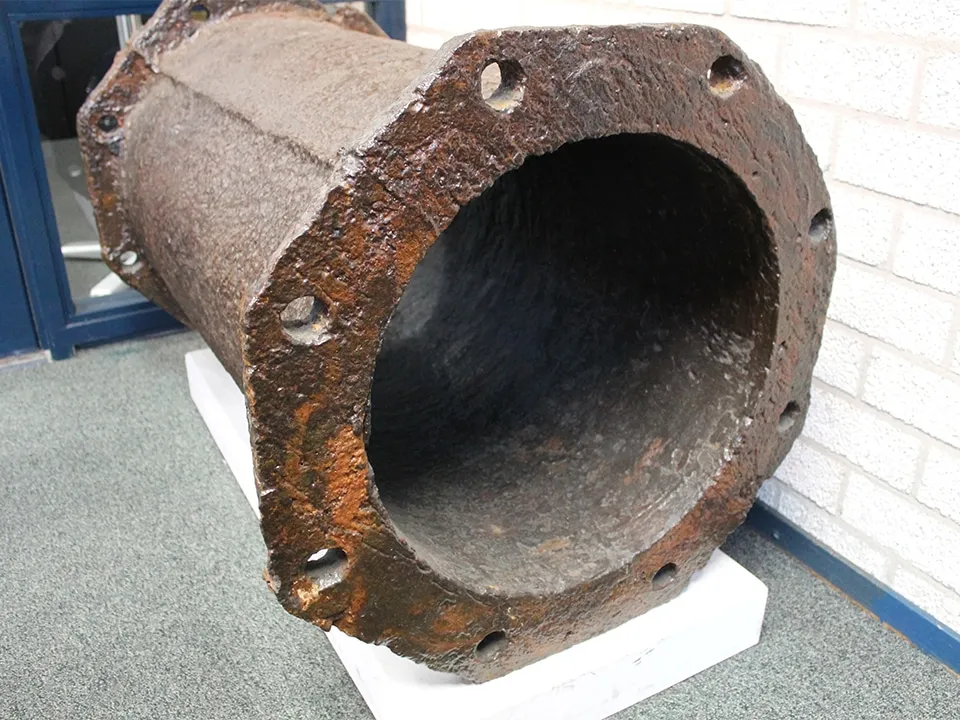
Our first question is about an impressive section of cast iron pipe in the building’s entrance. “This is a cast iron pipe that formed part of the water supply to the Palace of Versailles. In 1683, King Louis XIV (the Sun King, 1638-1715) ordered a water pipeline to carry water from the Seine to the gardens and fountains of his famous palace. Pont-a-Mousson (PAM) supplied this pipeline in 1683, made from grey cast iron. After more than 300 years of faithful service, the pipework was replaced by recycling the old pipes and casting new ones, this time in ductile iron,” Esther explains.
“Ductile iron is extremely strong, tough and flexible,” Edwin adds. “Our pipes are made from iron ore, a natural material that can be recycled indefinitely. When a pipe is no longer needed, it can be melted down and made into a new pipe with exactly the same ring stiffness and flexibility. Ductile iron retains all its original properties, even after recycling.”
The Netherlands is full of cast iron pipes
We turn to the use of cast iron pipes in the Netherlands and discover that there is a very good chance that the water you and I drink has been supplied through a cast iron pipeline. “Looking at the Netherlands, we see that the first water transmission pipeline dates back to 1853. It runs beneath Haarlemmerweg and supplies one third of Amsterdam with drinking water. This cast iron pipe was manufactured in England at the time. It was not replaced until 2018, when roadworks were carried out. Several other historic cast iron pipelines are still widely used in our country today,” Esther explains.
When durability matters, choose cast iron
Edwin continues: “Almost all the major drinking water companies are our customers. Our product range is therefore focused mainly on ductile iron pipes for drinking water transmission. Take any major project and you will find our pipes there, as recently on the RijnlandRoute and De Entree, where the contractor is using our pipes. Cast iron pipes are generally preferred for projects in public spaces, especially at De Entree, where you want to avoid digging more often than necessary. Because they do not break. It is as simple as that.”
A short-term outlook will only cost more in the long run
To conclude, Esther says: “Choosing ductile iron pipes for drinking water supply is evidence of a long-term outlook. As Edwin has already explained, their exceptional durability means you no longer have to worry about the pipes. That saves money. Our pipes have such a long service life and are so recyclable that they far exceed all the requirements and standards on the sustainability ladder. So we are no longer talking just about sustainability, but about generations. With ductile iron pipes, you can be sure that your children, grandchildren and great-grandchildren will also enjoy clean drinking water.”
Question about this story? Ask your question
Keep following this
Get an email when a new story is published. No account needed.
- SubjectSpecials







