









Widening the A2 in Limburg: investing in accessibility, safety and nature
Text Roel van Gils Image Rijkswaterstaat
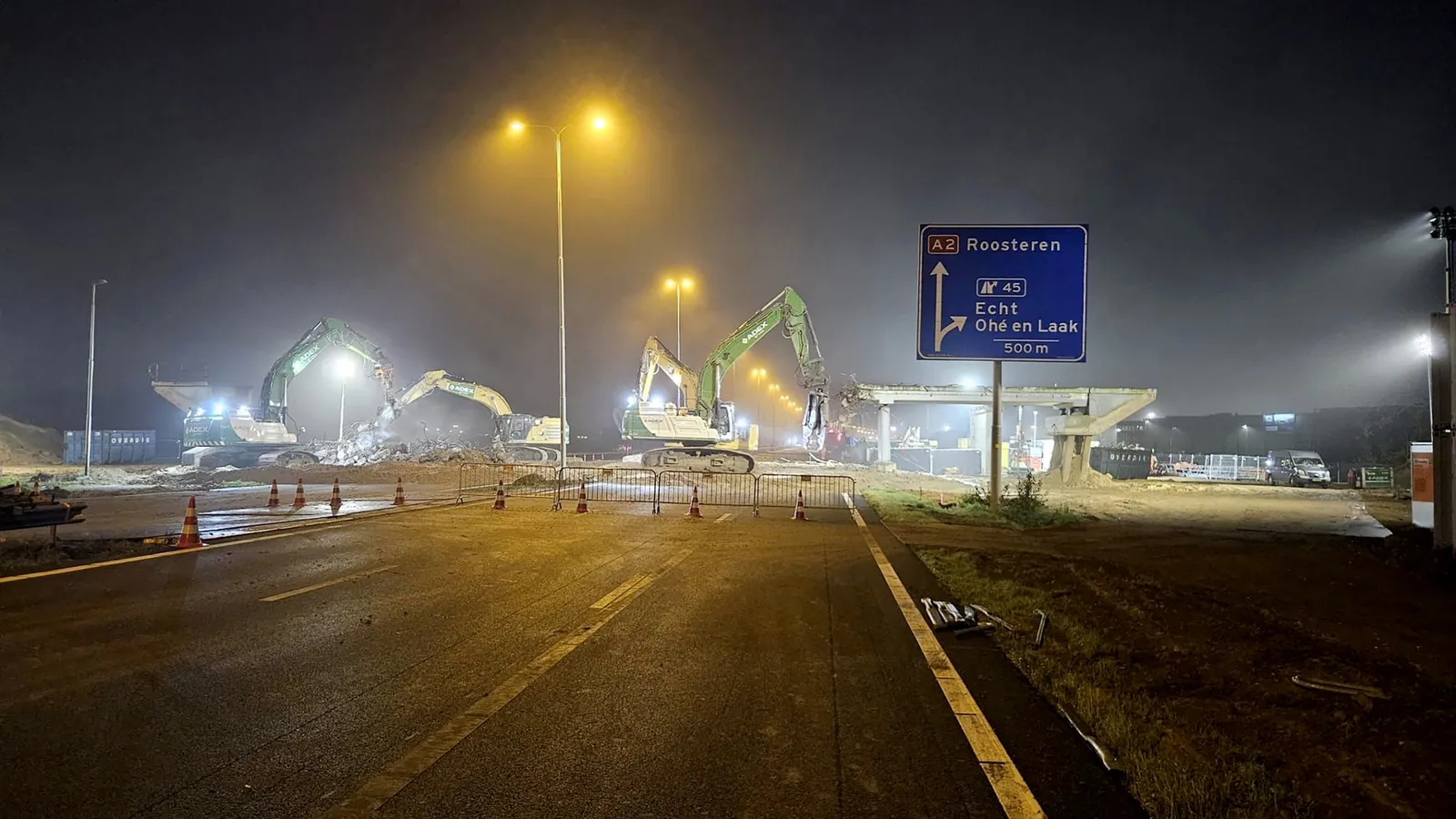
What do Stone Age hunters, badgers, the greater mouse-eared bat and the motorway at the narrowest point in the Netherlands have in common? They all come together on the A2 between the Het Vonderen and Kerensheide interchanges. Rijkswaterstaat is carrying out a permanent widening of this 18-kilometre stretch. An extra lane and a full-width hard shoulder will be added in each direction. The work is needed to improve traffic flow, accessibility and road safety on one of Limburg’s busiest motorway sections. Environmental manager Eric Eussen brings us up to date.
The widening has been under discussion for many years, Eussen begins. “Studies showed 20 years ago that traffic volumes on this section of the A2 were consistently too high for the existing road profile. A peak-hour lane was introduced as a temporary measure, but it does not offer a lasting solution. With no good alternatives available, every traffic jam or accident also leads to large volumes of rat-running through surrounding villages and towns, causing unsafe situations and considerable disruption. That is why a robust, future-proof widening of the motorway was chosen.”
From badgers to bats
After years of preparation, research and consultation, the route decision was adopted in 2019. “The project moved into construction in 2025,” says Eussen. “Work began with the relocation of a huge amount of cables and pipelines, as well as the necessary archaeological and ground investigations at the locations where the widening is being carried out. These uncovered some remarkable finds, including remains from the Iron Age and Roman period, and even a Late Stone Age settlement dating to around 3,500 BC. We also face a number of ecological challenges, involving badgers and bats, among other things. Together with further archaeological research, various soil remediation works and the control of invasive plant species, these have added considerably to the scope and extended the construction period by two years. Artificial setts have now been built to encourage badgers to relocate, and mitigation measures are being implemented to protect the strictly protected bat species, including wider wildlife passages and green crossing facilities. These measures must be fully in place before the actual widening can begin.”
Seven weekend closures
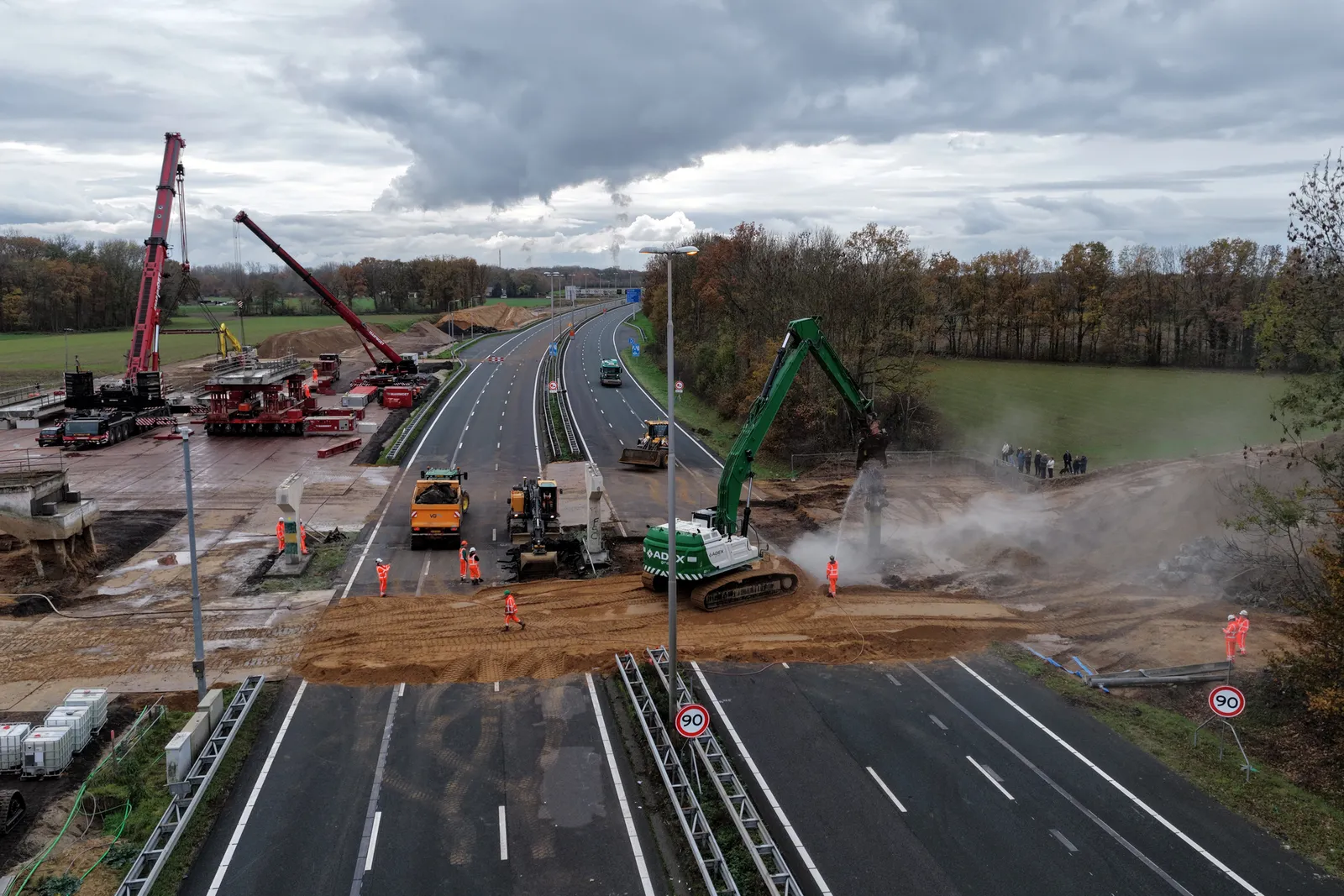
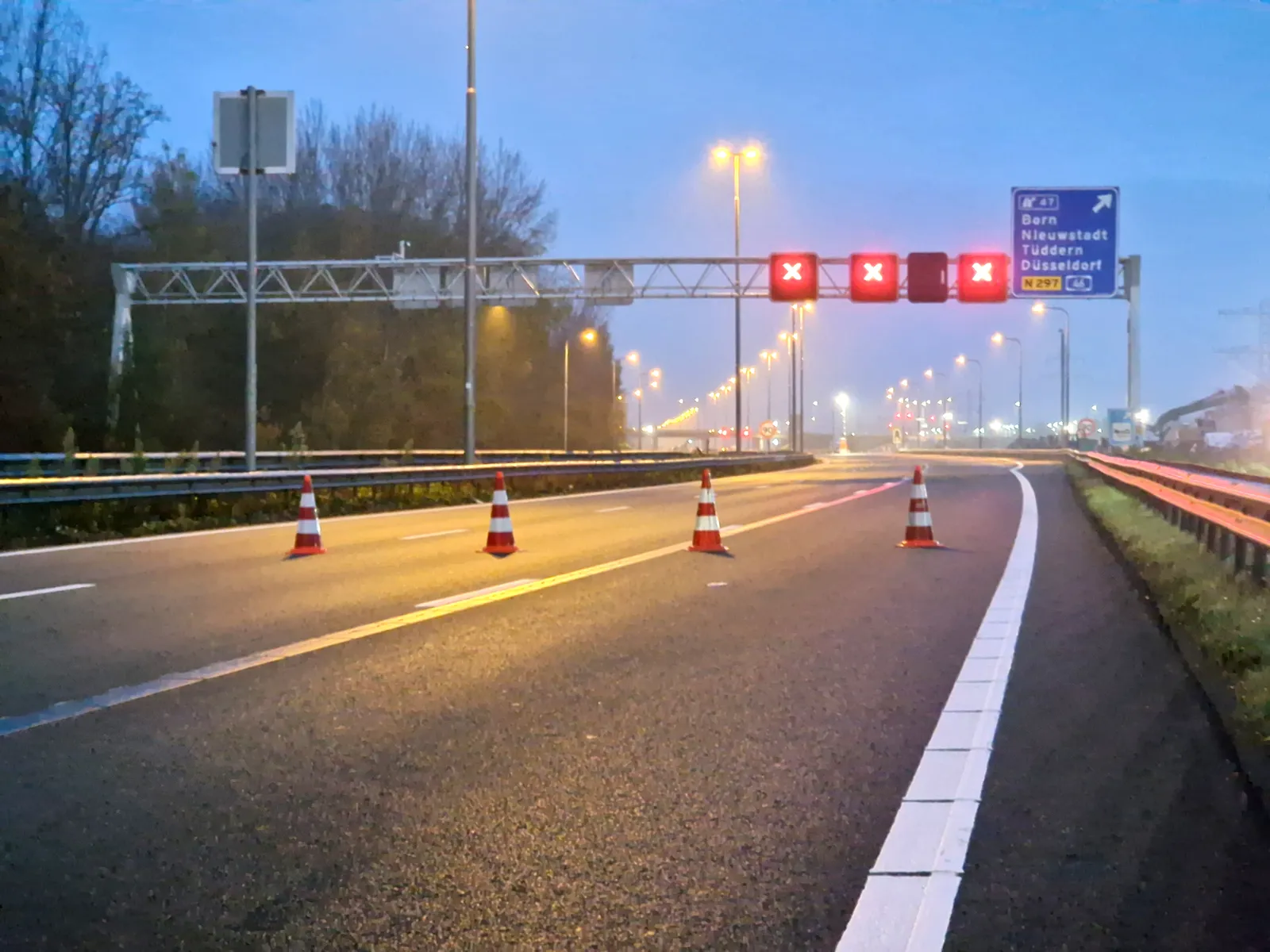
There are 17 structures along the route. “Of these, 13 will be demolished and 11 rebuilt, and a further four wildlife passages will be constructed,” Eussen explains. “The first major weekend closure took place in November 2025. Among other works, two overpasses were demolished, large cable ducts were installed beneath the A2, and the foundations were laid for new crossings and overpasses. This marked the visible start of construction. The contractor, Boskalis, has developed a phasing plan designed to minimise disruption to traffic. A total of seven large-scale weekend closures of this kind are planned, with the next scheduled for October 2026. Thanks to intensive communications, traffic marshals, more than 1,000 temporary traffic signs and close coordination with the local community, authorities and emergency services, the first weekend closure was a great success. Traffic on the motorway was up to 75 per cent lower. From a traffic-management perspective, the closure caused no problems at all. Our challenge is to repeat that over the next six weekend closures.”
The design of the widening gives particular attention to the surrounding area. “The new cross-section includes both a clear zone and a parkway. The parkway is 15 metres wide and the clear zone 13 metres, in locations without a noise barrier or bund,” says Eussen. “We are also focusing on flood management and nature development, with ecological connections beneath the A2 and additional water drainage for the Geleenbeek.” The A2 widening is expected to be completed in 2029. The route will then be ready for the future: safer, more accessible and carefully integrated into its surroundings.
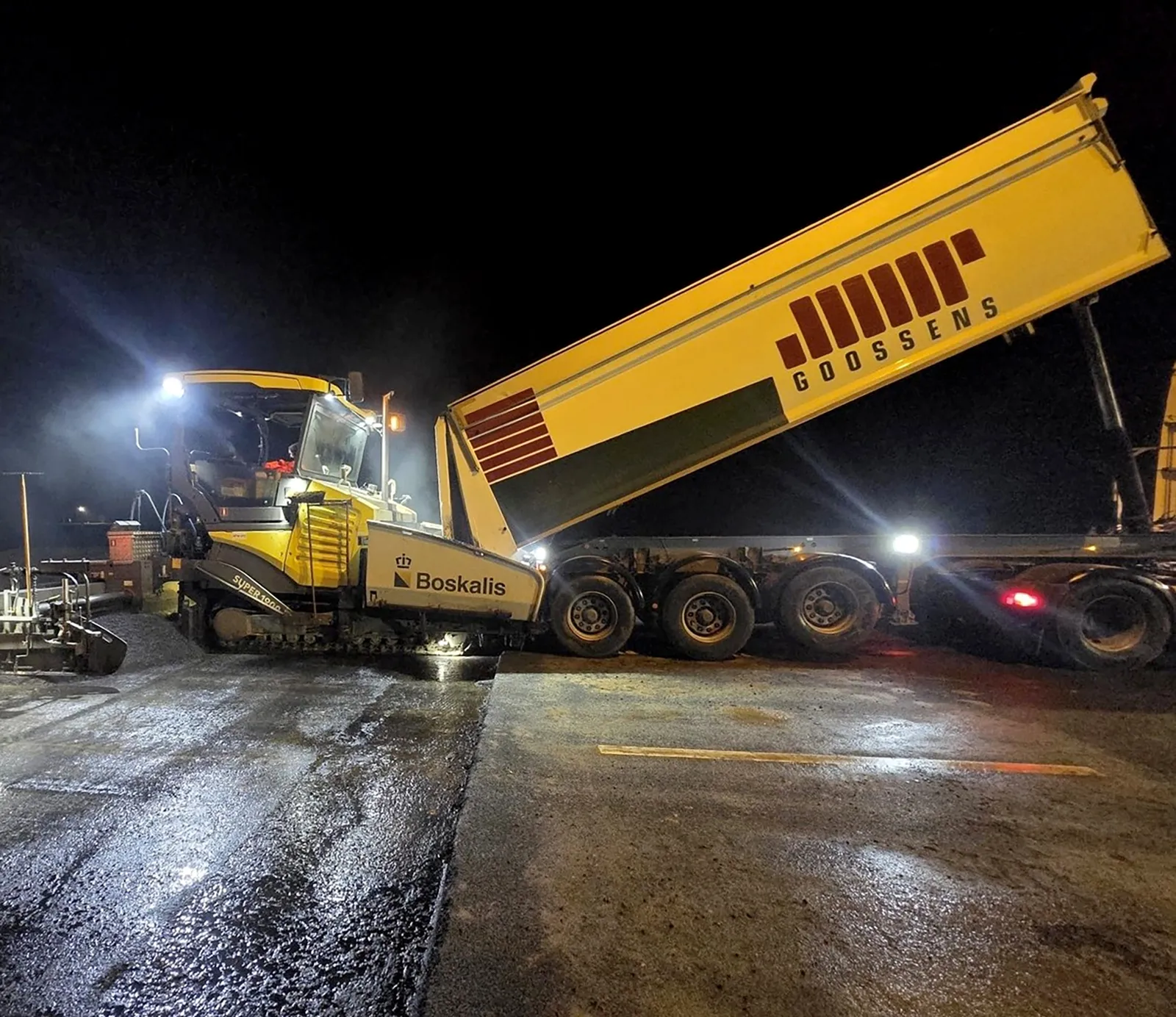
Have a business enquiry for Boskalis Nederland? Get in touch
Who worked on Verbreding A2 Limburg
Keep following this
Get an email when a new story is published. No account needed.
- ProjectA2 widening in Limburg
- SubjectRoad construction
- CompanyBoskalis Nederland







