









When will that promised future finally begin?
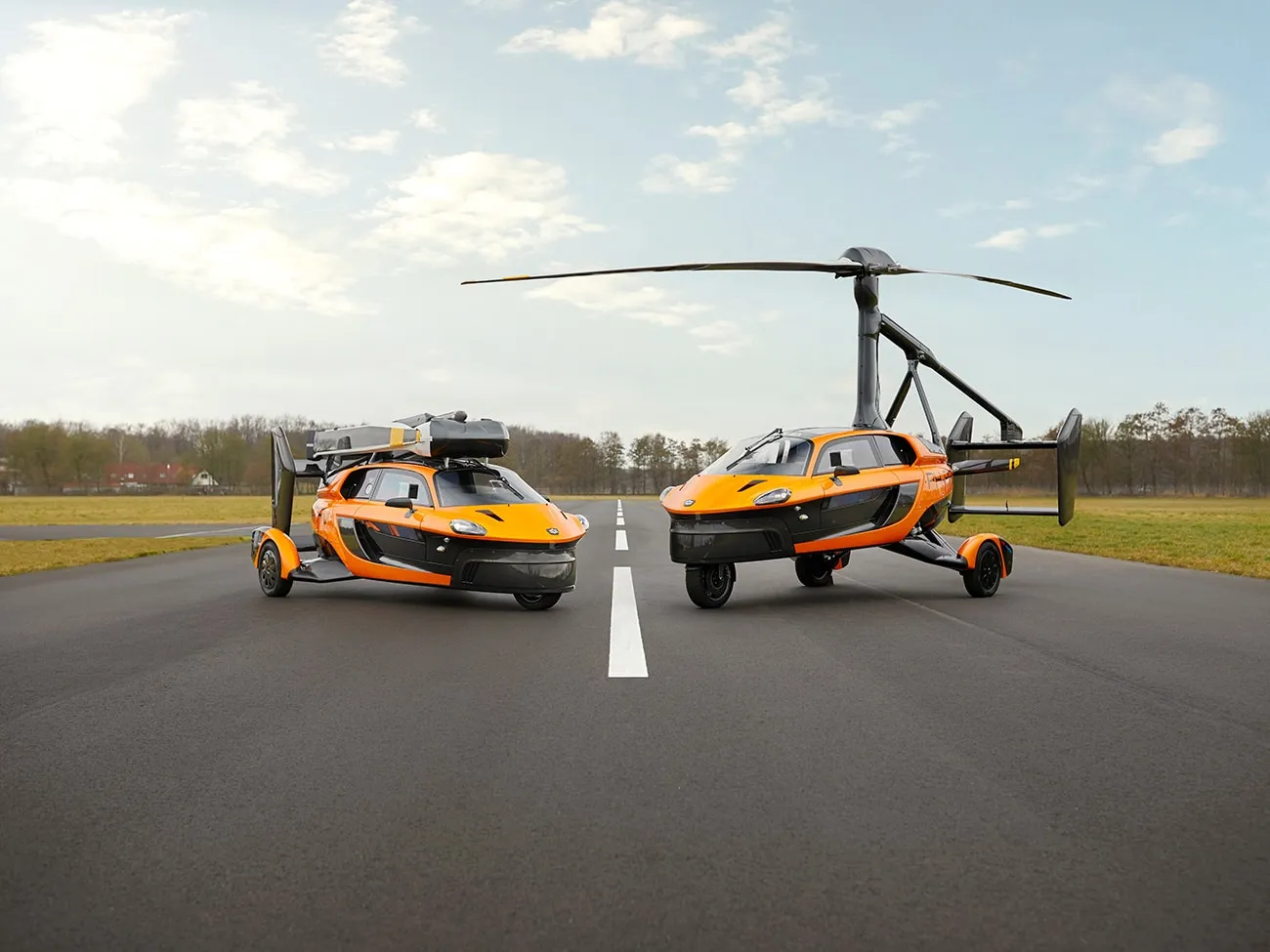
In the previous road construction special in this magazine, I wrote about building road infrastructure on the planet Mars. Not far-fetched, but still a very long way off. The article pictured how the road builder of the future would work far from home, on the red planet. Another idea that always seemed a long way off was the flying car.
Good news: the long wait is over
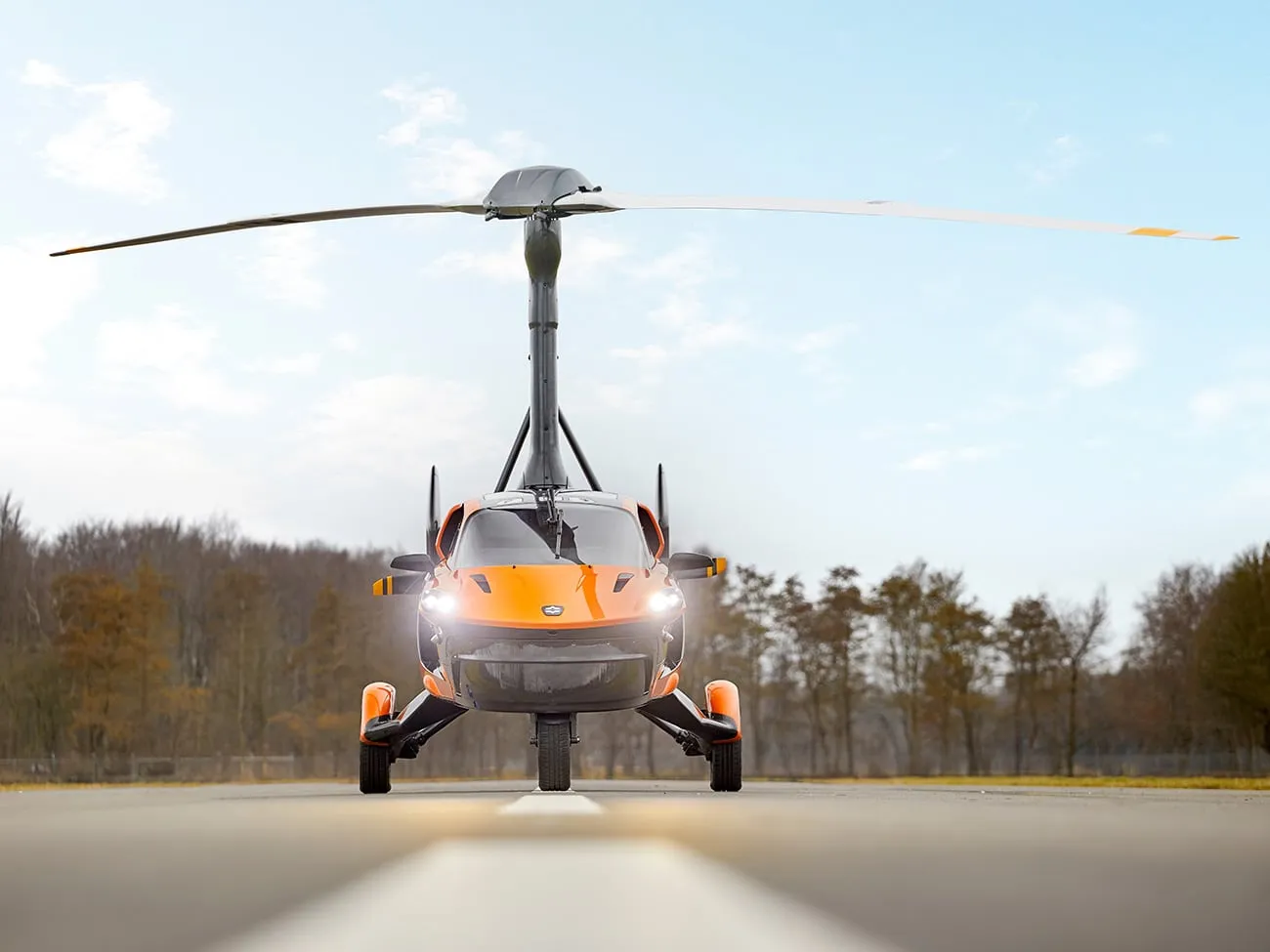
In 1990, I attended a seminar at the World Science Fiction Convention in The Hague, also known as ConFiction. The seminar centred on the question, ‘When will that promised future finally begin?’. Science fiction films and comic strips of the past invariably depicted the year 2000 as a time when people would travel not only by car, but also in their own flying machines. In 1990, everyone was convinced that such a thing would never happen, because of laws and regulations. One man refused to accept that.
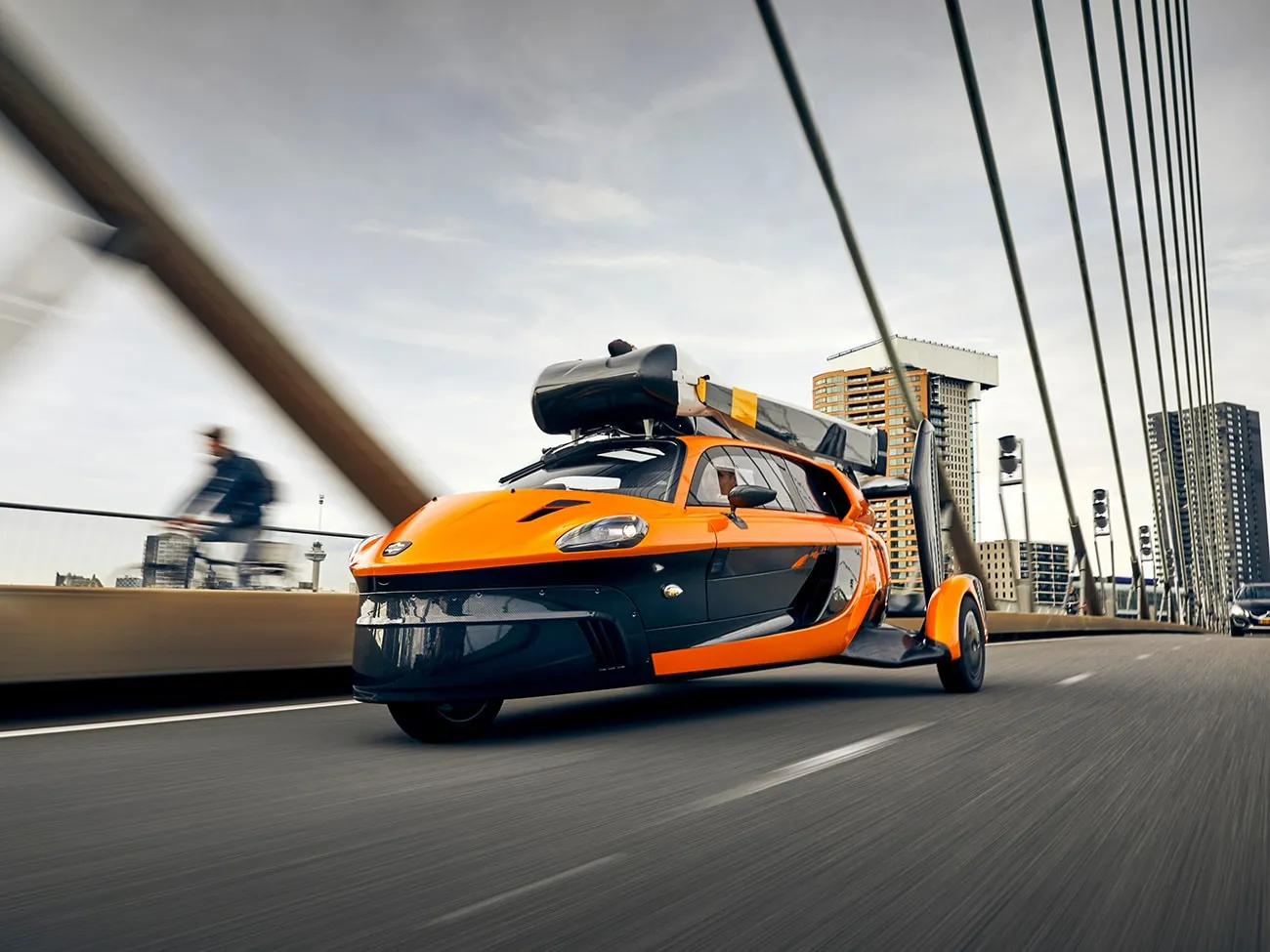
Drive and fly from door to door
We are speaking to Ir. Robert Dingemanse MBA. He is founder and CEO of PAL-V, the company currently working flat out to produce the flying car developed by him and his team. You read that right. “My dream was to develop a vehicle that you could drive from your front door to an ‘airstrip’, then fly to an ‘airstrip’ close to your final destination, land there and drive right up to the door of your destination,” explains Dingemanse. “We have developed the technology. The final hurdle was getting the flying car approved for use in road and air traffic. We are almost there.”
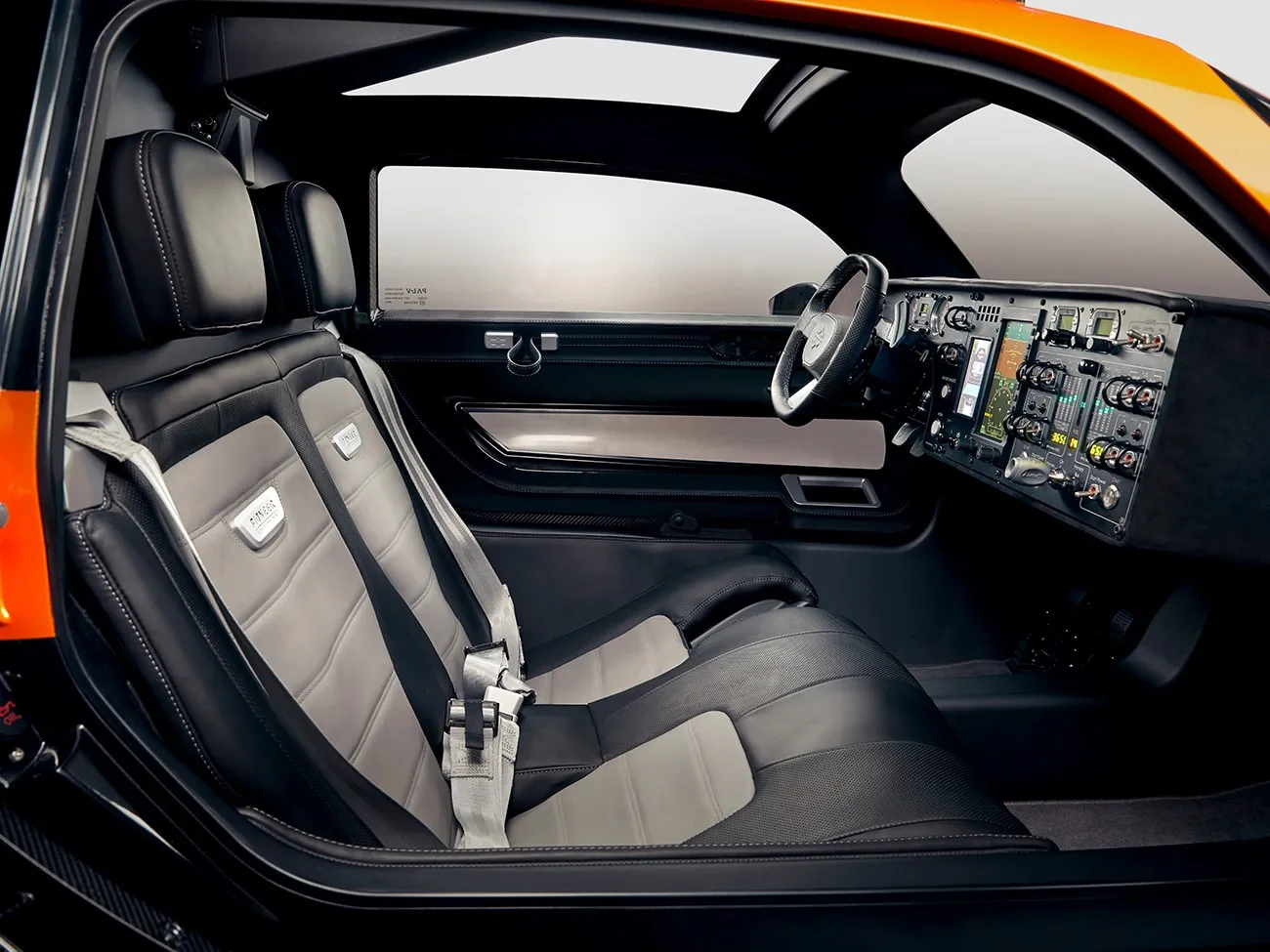
We have Dingemanse’s perseverance, combined with the confidence he received from investors and the government, to thank for the fact that PAL-Vs are going to be produced. What PAL-V has achieved is unique. “We have investors behind us who had confidence that the PAL-V could be accommodated within existing road and aviation legislation in Europe. The fact that we already have so many customers in the Netherlands is remarkable, given the quality of the road infrastructure. But if it works here, it can work anywhere,” says Dingemanse.
More than 70 vehicles reserved
The PAL-V is a so-called ‘gyroplane’, more aircraft than helicopter. “A gyroplane is easier and safer to fly than a conventional aeroplane or helicopter. We have already sold 70 units in the Netherlands on a reservation basis, with deliveries starting in 2024. Flight training for future owners began in April this year at our FlyDrive Academy. It is based at Breda International Airport. The course trains mobility pilots, not hobby pilots.”
Build an airstrip
What is needed for the PAL-V to take off and land? Dingemanse: “A tarmac airstrip or a patch of reinforced turf, complete with a barrier and a check-in and check-out system. In any case, a designated area of land specifically for this purpose.” It looks as though tomorrow’s road builder will have an extra task: building small ‘airfields’ at strategic locations, connected to the existing infrastructure. “A good example is the mobility hub being developed near Utrecht. A PAL-V Port will be built there, alongside the A27, as an ‘on-ramp’ to the sky.”
What will the future look like? Dingemanse gives a firm answer: “This development cannot be reversed. The ‘uncontrolled airspace’ used by PAL-V will become increasingly busy. One of the next developments we are working on is automated air traffic control, and perhaps autonomous flying cars. But first, we will enjoy the kick-off.”
Question about this story? Ask your question
Keep following this
Get an email when a new story is published. No account needed.
- SubjectRoad construction







