









The importance of inspection certification, including in road and rail tunnels
Since the 2012 Building Decree, all fire protection systems, including smoke control systems (RBS), have been required to hold a valid inspection certificate issued under the CCV Inspection Scheme for Smoke Control Systems. In practice, however, meeting this requirement is not always straightforward. Information about the rationale behind existing RBS systems is often lacking. Design documents and assumptions may also be unavailable, the technology may be outdated, or the use or layout of the asset may no longer match the original assumptions.
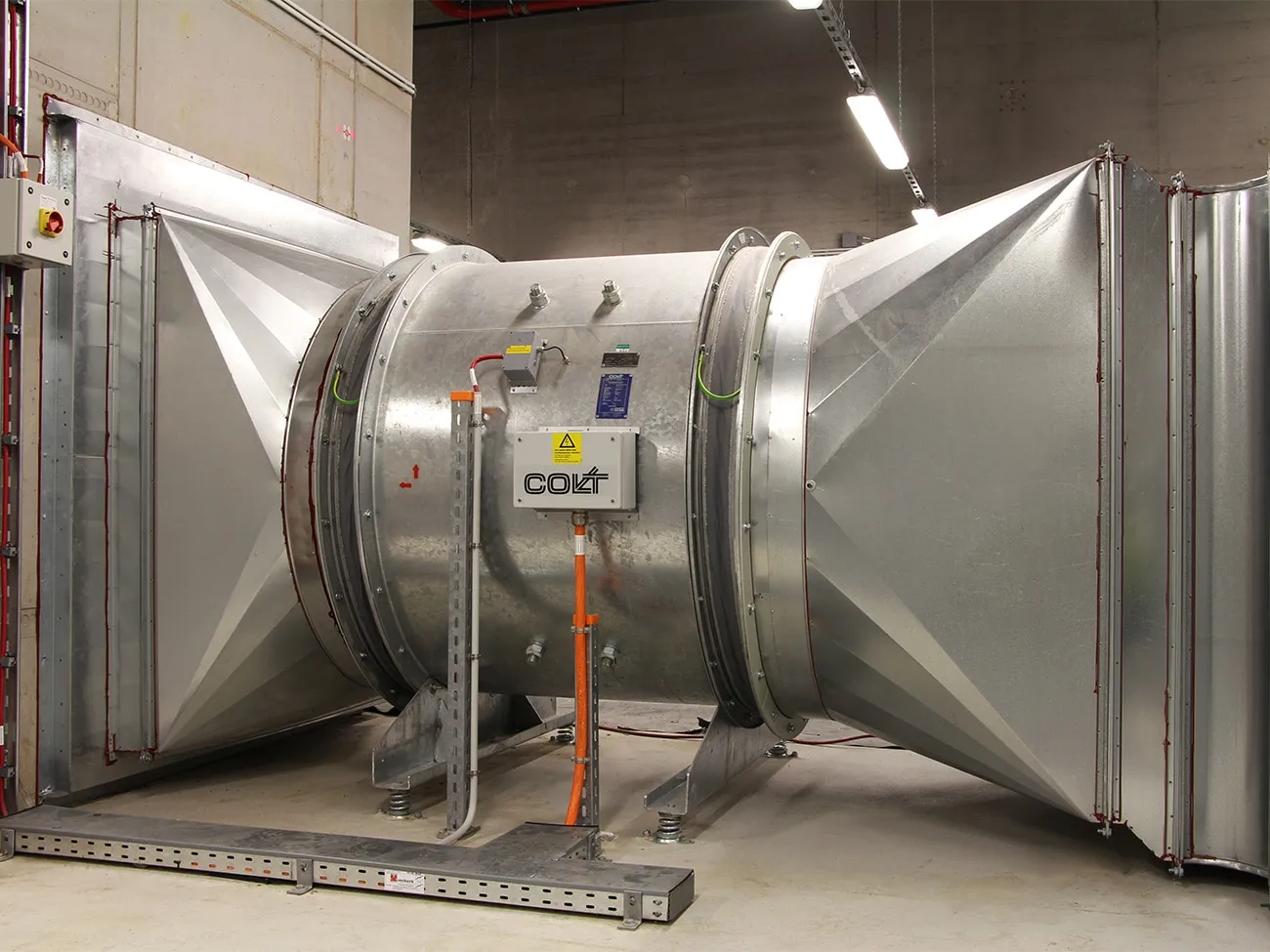
In addition to ensuring that the assumptions are clearly and systematically documented and that the purpose of the system is explicitly described, certification must be carried out by an inspection body (II) accredited to ISO/IEC 17020 as a type A body. “As well as an inspection of the assumptions, an initial inspection of the system must also be carried out,” says Stan Veldpaus, project adviser for smoke control systems at Colt. “This certification requirement often also applies to fire protection systems installed in infrastructure, such as a tunnel. Once the system has been certified, the certificate is valid for one year. Appropriate management and maintenance must be carried out during that year. For smoke control systems, this must be done in accordance with NEN 2654-3.”
Involve the inspector early
Under the CCV scheme, the inspection body (II) must assess the system as a whole for effectiveness. A certificate is issued only if the system is effective. “The inspection body may challenge any departures from the standard or assumptions about the fire scenario to be expected,” Veldpaus explains. “That is why it is important to involve the II as early as possible in the process.”
Achieving the goal
Many parties tend to regard an inspection body as ‘difficult’. Veldpaus says this is unfair. “Inspection bodies also strive to deliver safe and effective fire protection systems. Drawing on their expertise, they will do everything they can to achieve this goal with all the parties involved. Even in existing situations, and where a justified departure from current standards has been made for any reason, an inspection body is often willing to explore, within the limits of the CCV scheme, ways to issue the certificate after all.”
A complete tunnel ventilation concept
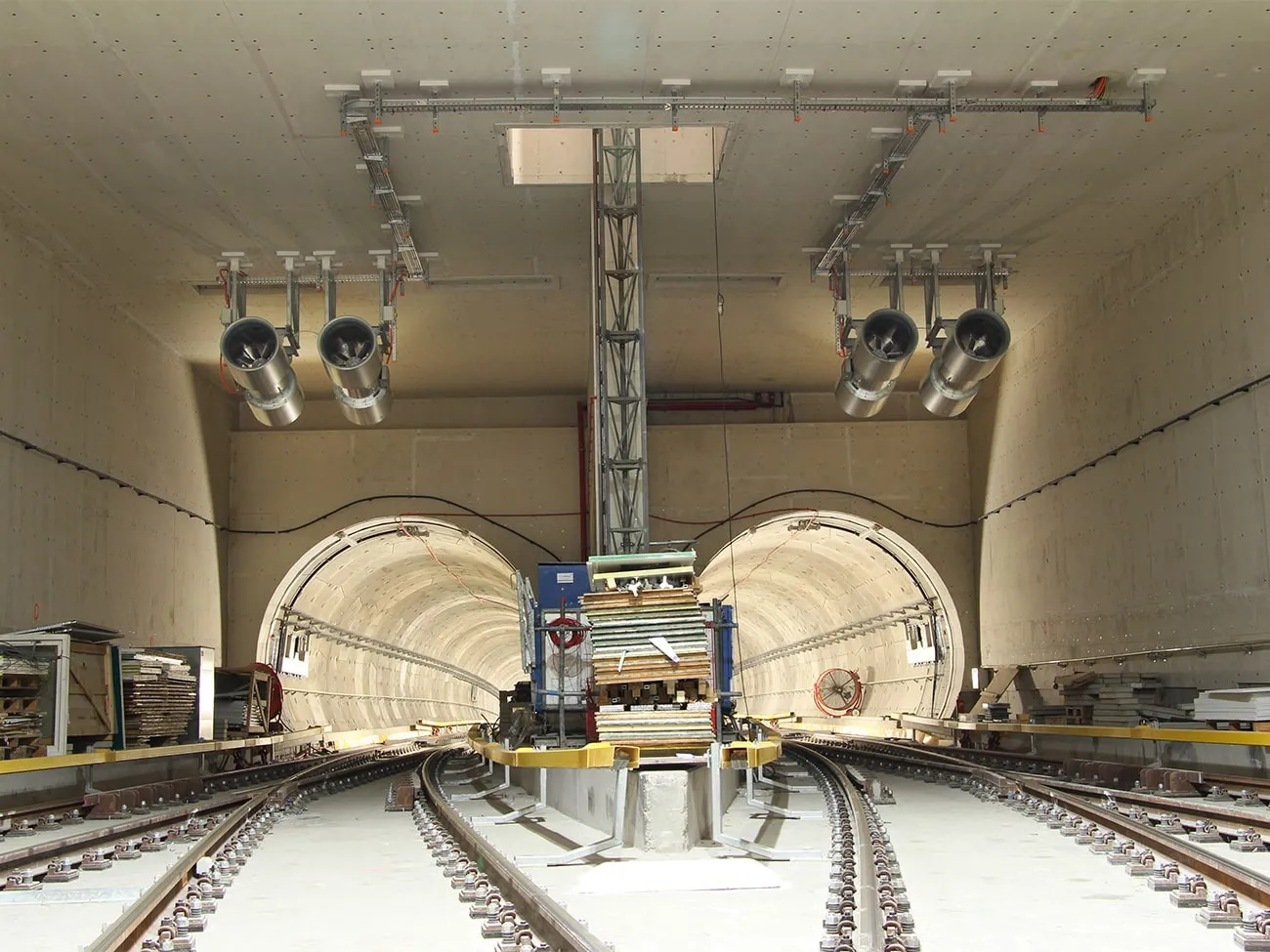
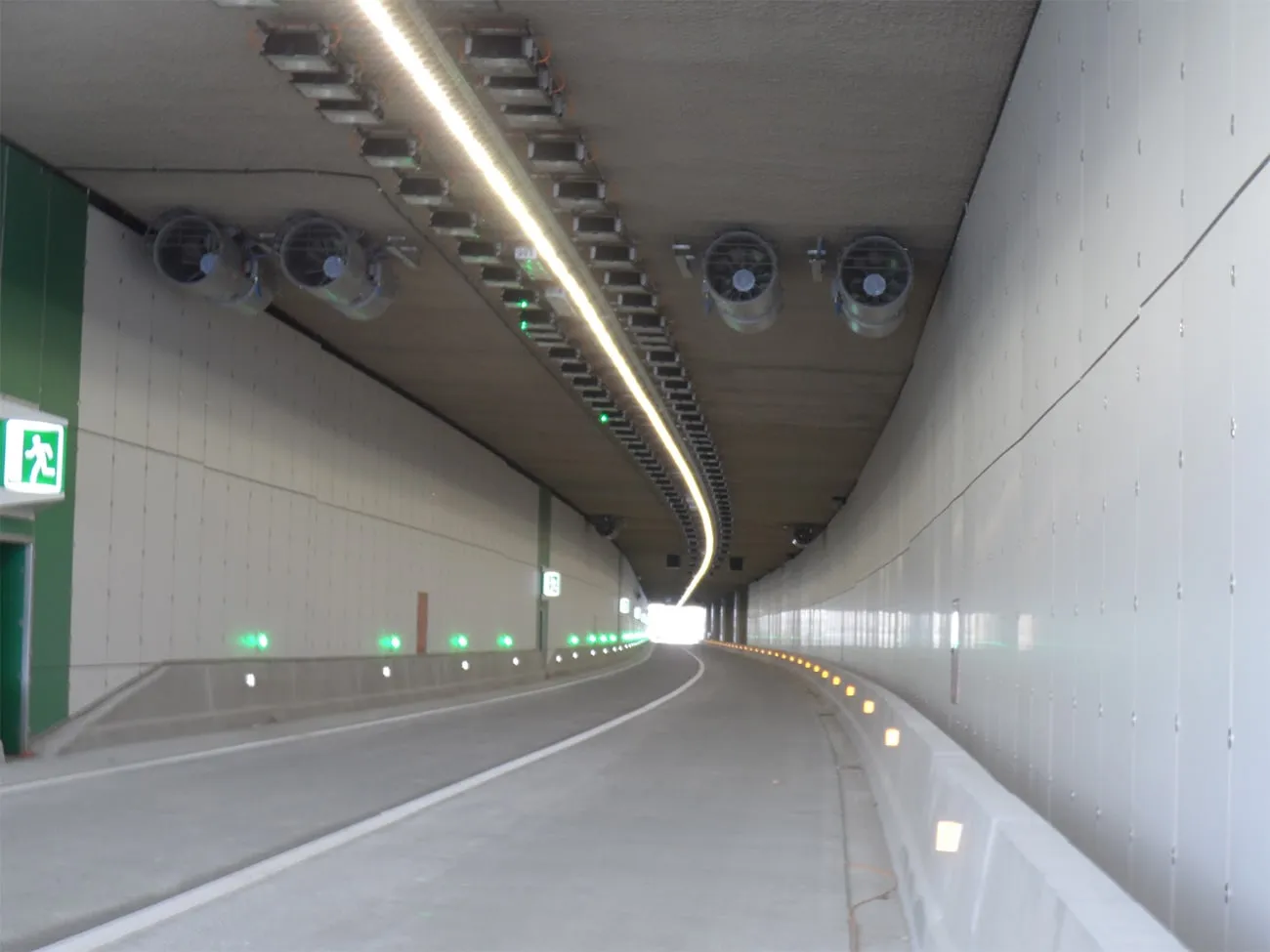
When designing a smoke control system for rail, metro and road tunnels, the safety of people comes first. This is also the case with the installation of a smoke control system in fourteen of RET’s fifteen underground metro stations. “The priority of such systems is to provide people on site with a safe escape route within a short time in the event of a fire or other emergency,” says Veldpaus. “It is also important to create the best possible conditions for the emergency services, so they can carry out their work effectively and as safely as possible.”
Benefits of certifying fire protection systems:
• Everyone knows what to expect from the system
• The system is effective
• The system is optimised
• Cooperation between the different systems is thoroughly tested
• The system will remain operational for longer
Question about this story? Ask your question
Keep following this
Get an email when a new story is published. No account needed.
- SubjectRoad construction







