









Renovation of the historic platform canopies at Leeuwarden station
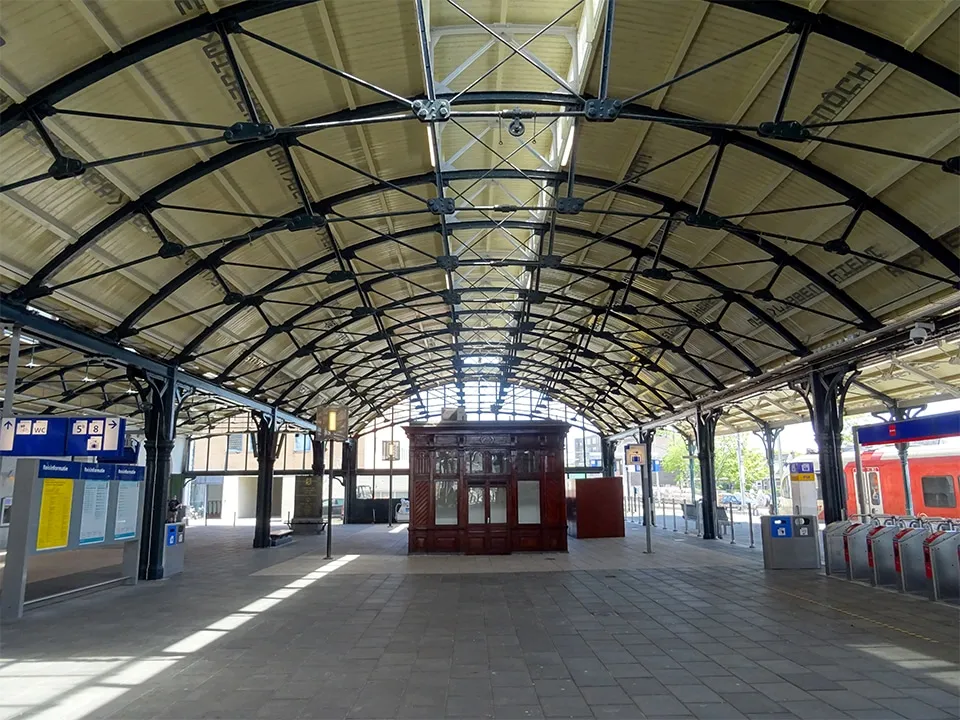
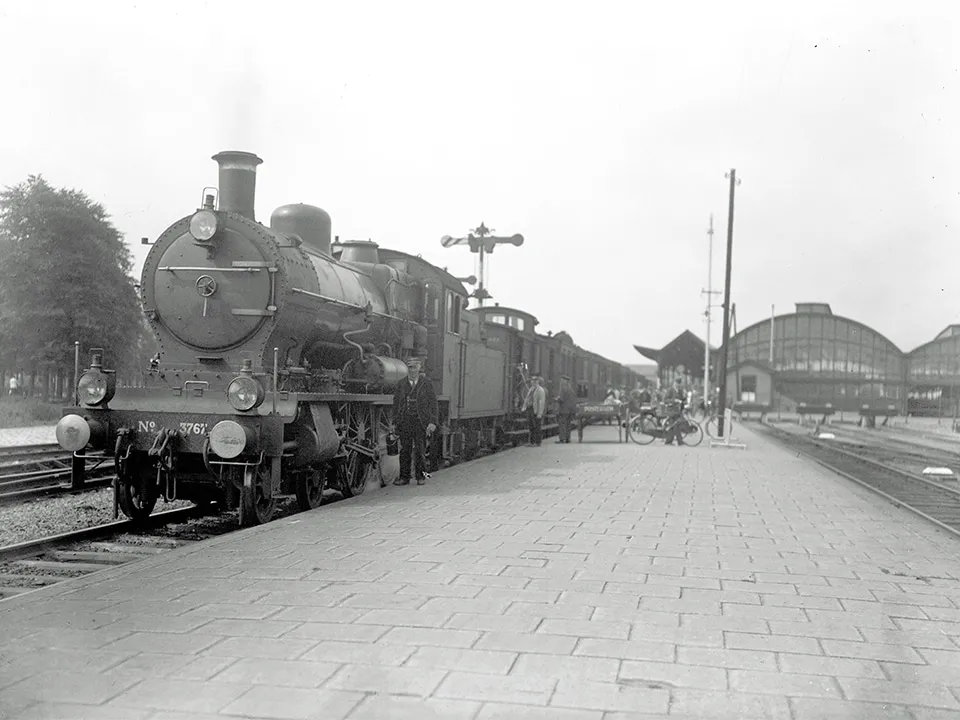
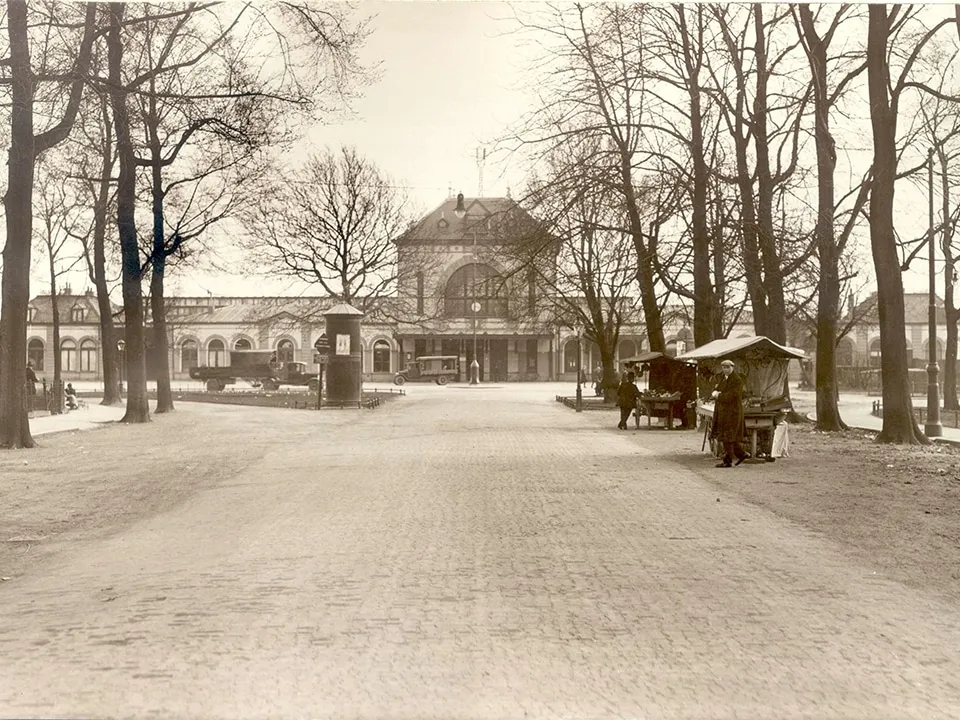
It must have been quite a sight for the people of Leeuwarden when, in 1863, the NS 600 steam locomotive, built in Manchester, pulled up beside the brand-new platform, puffing and venting steam. Leeuwarden station opened on 27 October 1863, with the opening of the Harlingen–Leeuwarden railway. The line was extended to Groningen in 1866. In 1868, the Zwolle–Leeuwarden link was also completed. The Leeuwarden–Stavoren railway entered service in 1883-1885 as part of the connection between Amsterdam and the Frisian capital.
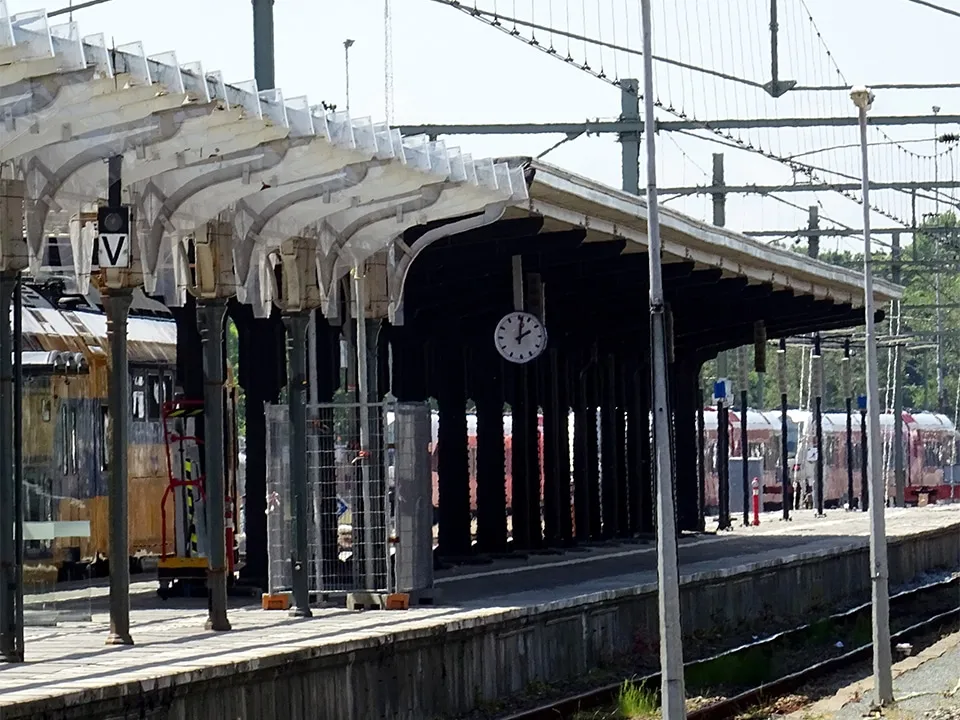
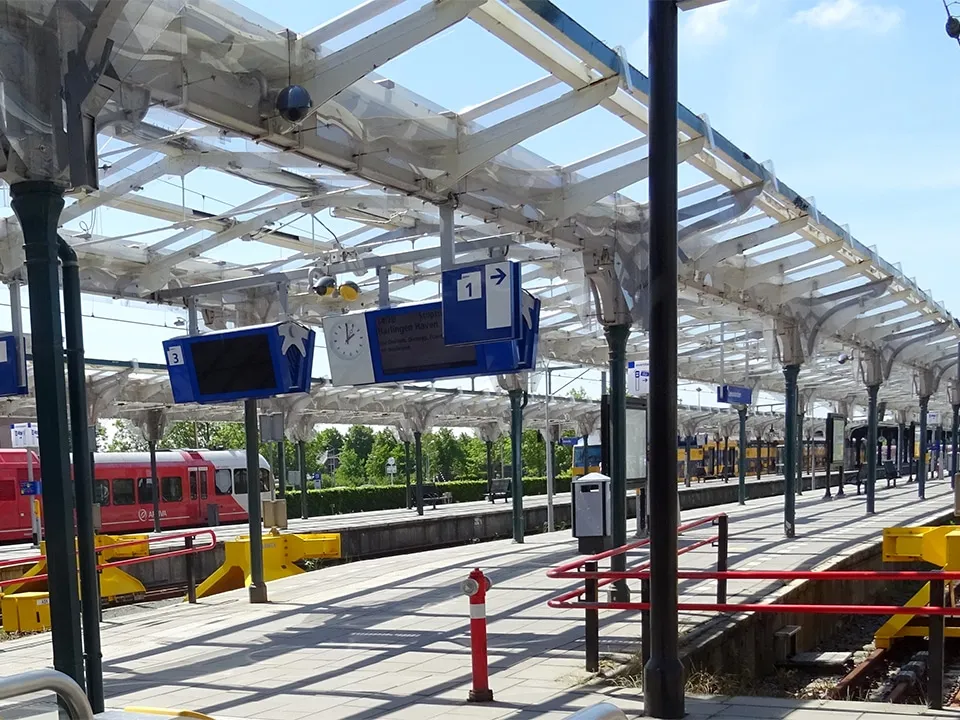
Finally, in 1901, a railway line was built northwards from Leeuwarden. Leeuwarden station marked a major step forward in the mobility of people and goods in Friesland and the Netherlands. The station’s function is of historic importance, as is the building itself. ProRail had every reason to undertake a thorough renovation of this fine station in 2021. The historic platform canopies are being replaced, along with all associated and surrounding works. The project uses today’s knowledge and resources, while remaining faithful to the station’s historic features.
Platform canopies dating from 1891
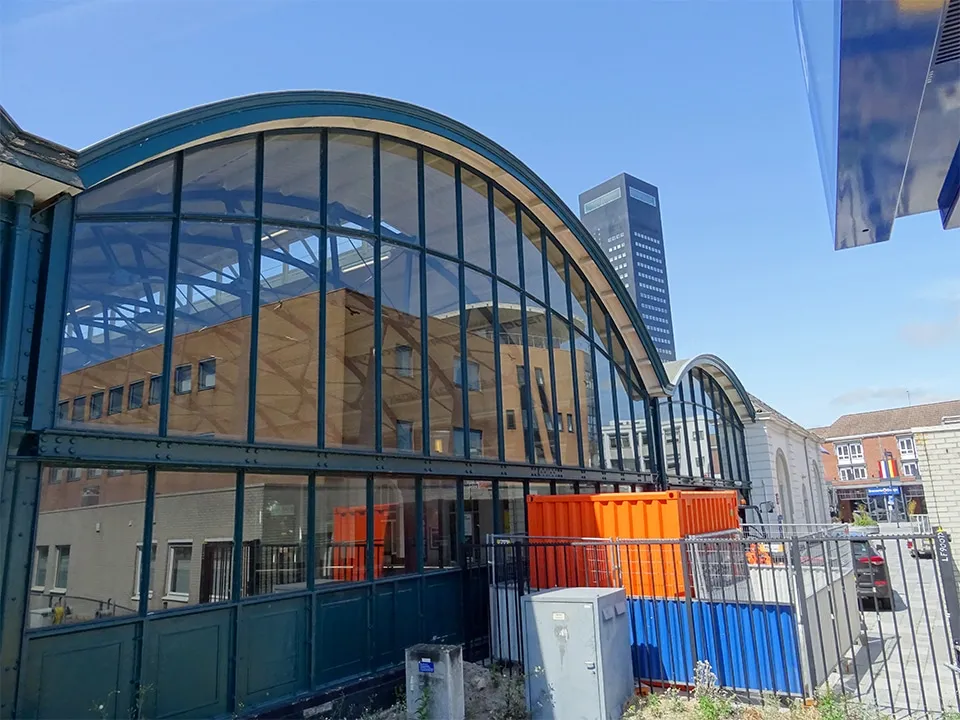
We speak to Jim van Leersum, Project Manager, Stations & Transfer at ProRail, and Peter Bos, Project Manager at Anton Rail & Infra BV, the main contractor. Van Leersum opens the conversation: “The renovation covers the platform canopies and everything associated with them. Around 1891, Leeuwarden station was extended and remodelled, and the platform canopies were built. These comprise the high canopy over the station concourse and the low canopies on the first three platforms. Leeuwarden station has mainly terminal tracks (a terminal track is a dead-end track, so the train can only continue by reversing along the arrival track). The high canopy begins where all the tracks converge. The first three platforms have low canopies, which are structurally part of the same whole. Most of all the platforms are covered.”
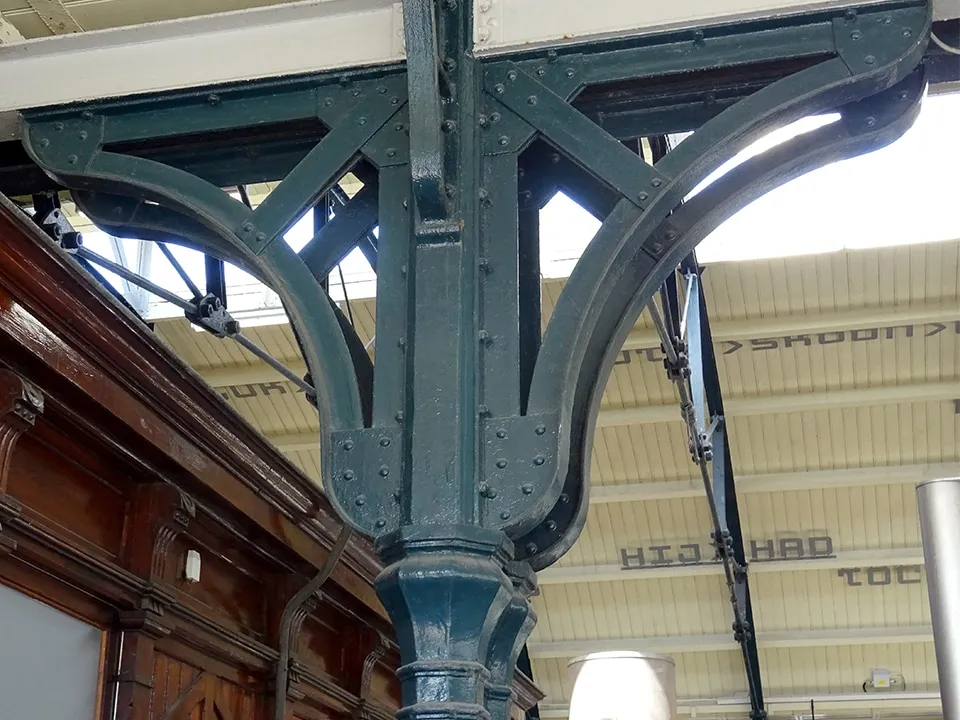
The platform canopies are supported by cast-iron columns and puddled-iron trusses, a type of wrought iron. “The rest is cast iron,” Van Leersum continues. “The entire structure is a listed national monument. This means we will reuse as much of the material as possible and restore everything as close as possible to its original state, so that visually it looks as it did in 1891. Some components will be replicated in cast iron. Parts that can be reused will be shot-blasted after dismantling, repaired if necessary and protected again. The roof decking is timber and was probably originally covered with zinc. After the Second World War, the zinc roof was replaced with bitumen. The new roof covering will be EPDM, a durable alternative.”
War damage to the canopy
Main contractor Anton Rail & Infra BV is responsible for the columns, trusses, timber, roof covering and foundations. Peter Bos and his team, together with the subcontractors, began removing the low canopies in the summer of 2020. “That was completed just before Christmas,” Bos explains. “The dismantling work on the first three phases, the platforms, is complete. We have now started removing the high canopy, while work needed to restore and remanufacture all the components is under way at various locations.”
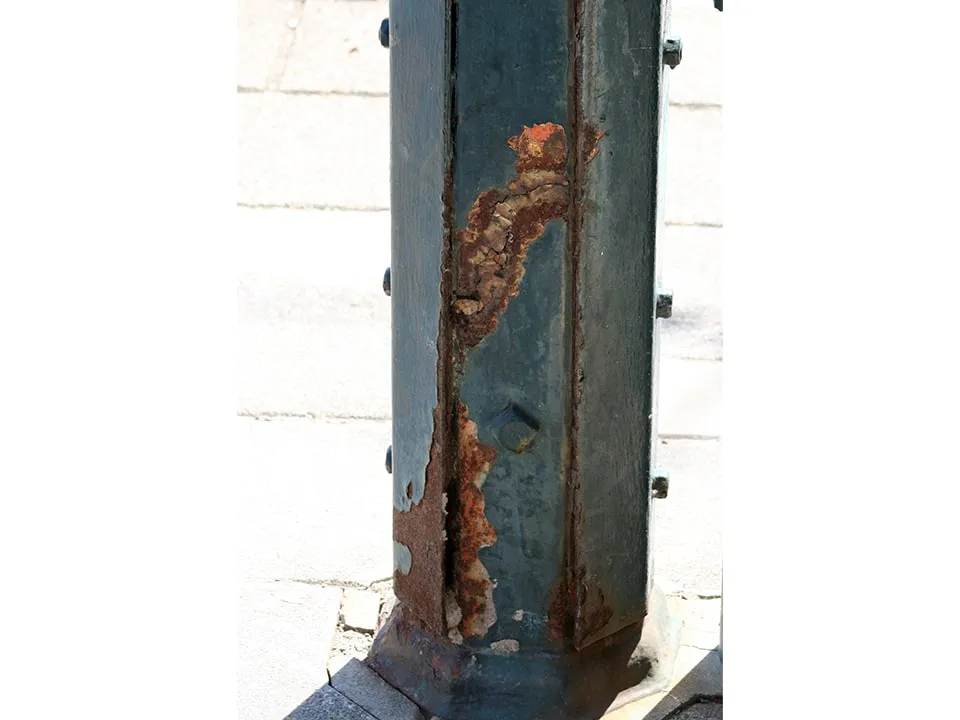
Van Leersum recounts a wartime anecdote about the damage to the canopy: “The stationmaster on duty, Mr Blijham, had been given an important task during the Second World War. If the Germans invaded, the railway had to be put out of action. When the time came, he tied a locomotive to the canopy structure in order to pull the canopies onto the tracks.
The story came to light after an inspection identified damage to one of the columns. We will not repair this damage, but preserve it as a reference to this historic event. We will draw attention to it with a memorial. Structurally, we will work around the damage.”
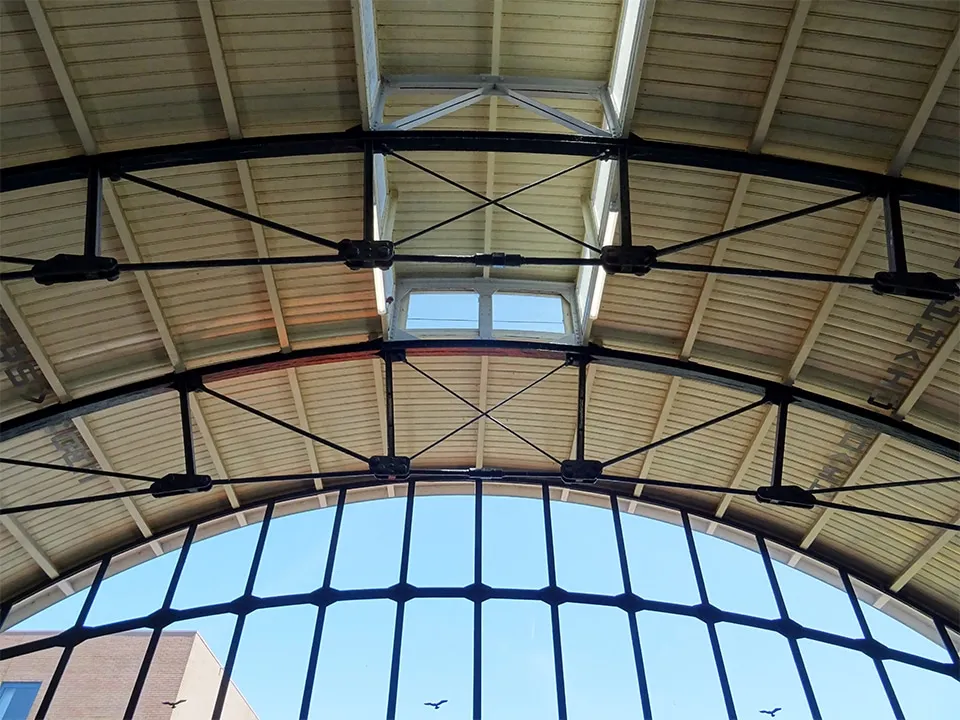
New structural calculations address old design flaws
According to Van Leersum, ensuring the new canopy meets structural requirements is a challenge. “We have new standards and know a lot more. The original structure had design flaws. For example, it did not account for wind uplift or the expansion and contraction of materials. As a result, some columns broke. The structure lasted 130 years because it was built very robustly. Needless to say, we are accounting for these factors now.”
Keeping the station open during the works
Managing the surrounding environment is a major task for Anton Rail & Infra. “If it had not been for Covid, we would have had around 20,000 people a day at our construction site. There are fewer now, but still a lot. ProRail wants to keep the station open as much as possible, with as little disruption to passengers as possible. That requires good stakeholder management,” says Bos. “This is a dynamic project involving every discipline, from underground utilities and track work to the station itself and station management. By coordinating effectively with everyone involved and working in phases, we can reach the finish line together in the way we want.”
Anton Rail & Infra was awarded the project in April 2020. “The teams first made contact at the end of April, and work began in early May,” Bos says. “First, we carried out a foundation survey. We dug a trial trench and, at the same time, began clearing platform 1 of cables and pipes. Platform 1 was taken out of service on 24 June, after which we began dismantling the platform canopies. The terminal tracks were withdrawn and the canopy was dismantled in 7 weeks. Platform 2 was next in early August, followed by platform 3 in early October. This phase was completed in mid-December, which meant platform 3 could be brought back into service. It was handed back after excavation and the removal of cables and pipes, leaving space for our foundation. The concrete foundation uses the existing timber pile structure, with a steel casing around the timber piles to protect them from groundwater. We drive dowels into the tops of the piles and connect them to the concrete structure. A precast beam will span the full width of the platform, connecting the piles. After that, we can close up the platform.
Nine-month hiatus for the steel structure
The dismantled steel structure is now in a 9-month hiatus. This time is needed for research and inspection, sharing the findings with the engineering consultancy and assessing the damage identified. “We are working with Movares, who are guiding us throughout,” Bos explains. “In the end, we will know exactly how much can be reused, what needs to be done to renovate these components and which ones need to be replicated. Rejected parts will be recast using special moulds made on the basis of measurements and calculations.”
The search for the original paint colour
Nothing better illustrates the care taken with the station’s history than the paint analysis. Van Leersum explains: “At every stage of dismantling, we looked for painted metal parts that had never been touched by the many paintbrushes used over the past 160 years. After thorough research, we were able to establish a clear history of the paintwork. The oldest colour we found was a pine green commonly used at the time. This colour has now been submitted to the Rijksmonumenten Commissie.”
Bos concludes: “This is not ‘business as usual’ for us either, given the history that needs to be respected. That makes it all the more rewarding. We encounter plenty of unexpected issues during the work, but good consultation means we can find a solution to everything. Our shared aim is to make the whole structure fit for the future, while giving it the appearance of standing on the platform in 1891. We will achieve that thanks to the strong partnerships we have built on this project.”
Question about this story? Ask your question
Keep following this
Get an email when a new story is published. No account needed.
- SubjectRoad construction







