









Railways in the Netherlands have had a future from day one
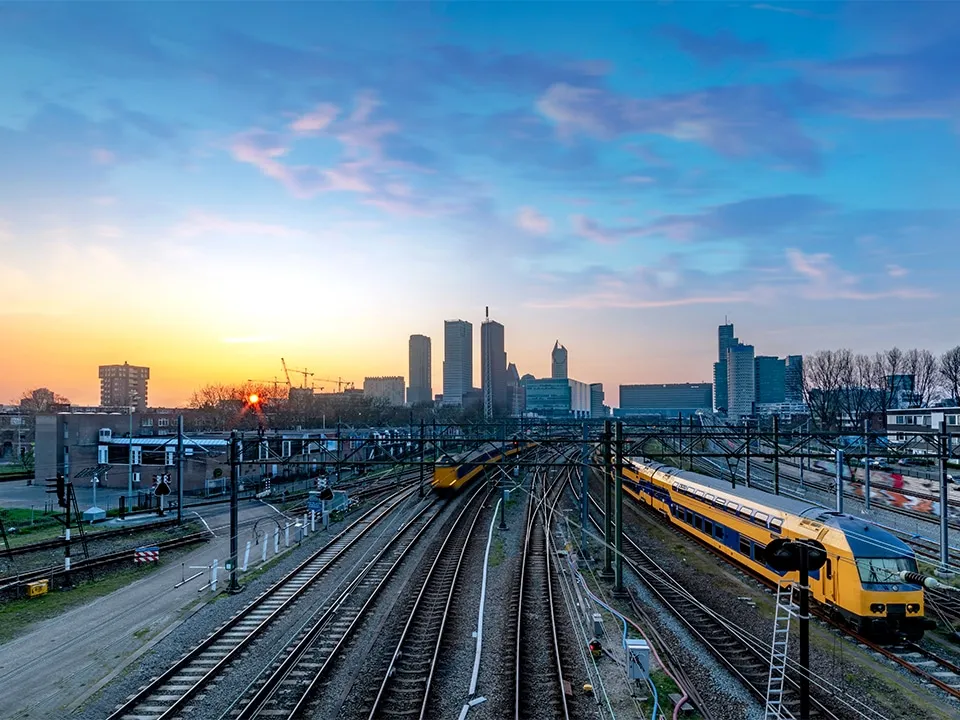
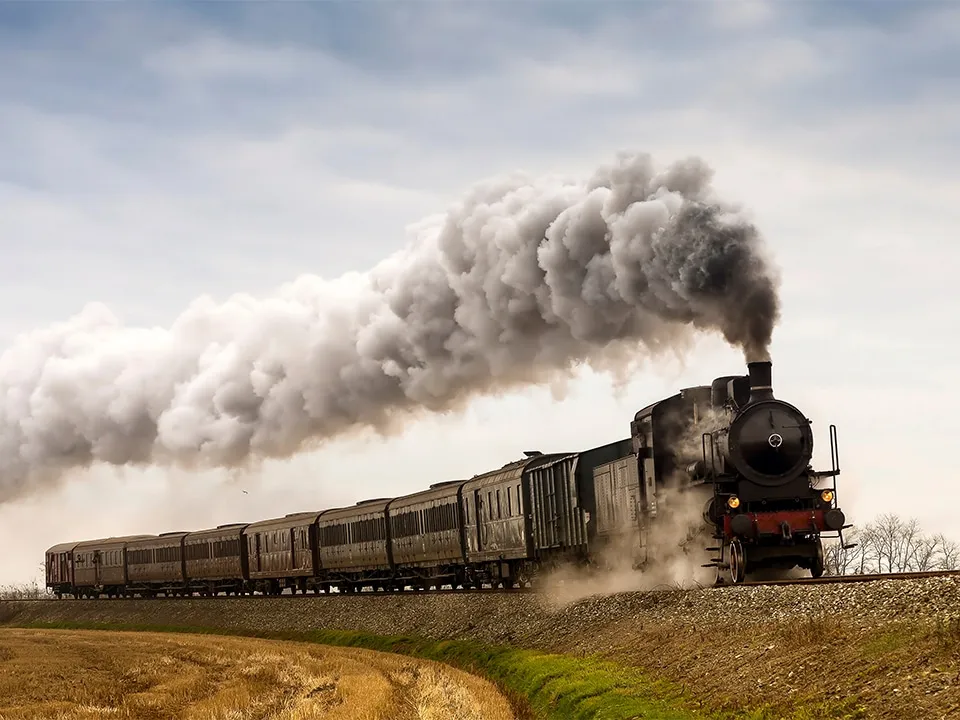
In the 19th century, there was no real concept of mobility. Long distances were covered by waterways and horse-drawn carts. Passenger transport meant horses and carriages, while for short distances there was simply ‘shank’s pony’. No wonder the arrival of the first train, in the Netherlands too, was viewed with suspicion. Was the train not too fast, and therefore dangerous? And how safe was a pressurised steam boiler? Not to mention the noise of a locomotive, which struck fear into people and animals alike.
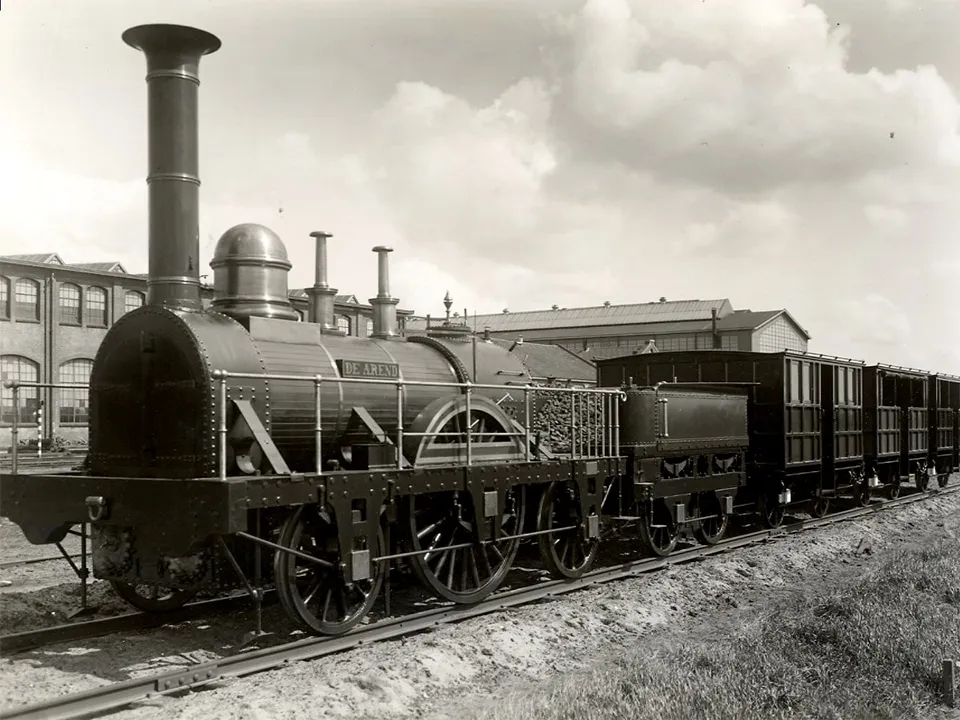
Nevertheless, the first railway came into view in 1839. On 20 September, the rail link between Amsterdam and Haarlem was officially opened amid great celebrations. The steam locomotives ‘Snelheid’ and ‘Arend’ hauled the train from Amsterdam to Haarlem at the phenomenal speed of 38 km per hour, no less than 24 km per hour faster than the fastest horse-drawn carriage. This event ushered in a new era for both industrial and passenger transport.
Older than our democracy
To put this event in context, I would point to the first democratic Constitution in the Netherlands, signed by Willem II in 1848. In doing so, he laid the foundations for democracy in our country. That was nine years after the first train arrived. And what about the first car in the Netherlands? On 18 May 1896, a Benz Victoria was delivered in Arnhem to Adolphe Zimmermans, the court photographer in The Hague, who is believed to have become the Netherlands’ first true motorist. The first car had been spotted in the Netherlands 2 years earlier, but Zimmermans was the first to travel in this ‘self-propelled carriage’. The motor car’s introduction to Dutch streets met with the same distrust as the train had in 1839. Too fast, dangerous for man and horse, smelly and noisy.
Ultimately, the Netherlands became increasingly mobile, with more cars on the road and the railway network expanding. Various railway companies operated the different lines. After 1860, the government contributed a sizeable share of the cost of expanding the rail network, providing a huge boost to the economy. The ability to transport goods and raw materials quickly and cheaply to every corner of the country led to new industrial areas springing up like mushrooms. The train proved to be a huge catalyst for the industrialisation of our little country. The new industrial cities drew people en masse from the poor countryside to work in industry. Alongside its role as an important means of transporting goods, the train became the most popular way for people to travel. Around 1900, the train was the main form of transport, thanks to the comfort of rail travel and connections that were continually improving and expanding. This also saw the rise of mass tourism and the emergence of an entirely new economy in areas worth visiting. The blueprint for our present-day society had been drawn.
No more arguments about what time it is!
Did you know that for centuries, towns set their own time? There was no standard time or synchronisation of clocks. With the arrival of an extensive railway network, this was obviously highly impractical, as trains run to a timetable. Standard time was therefore introduced in the Netherlands in 1909, with everything geared to the railway timetable.
The train is here to stay, and has a future
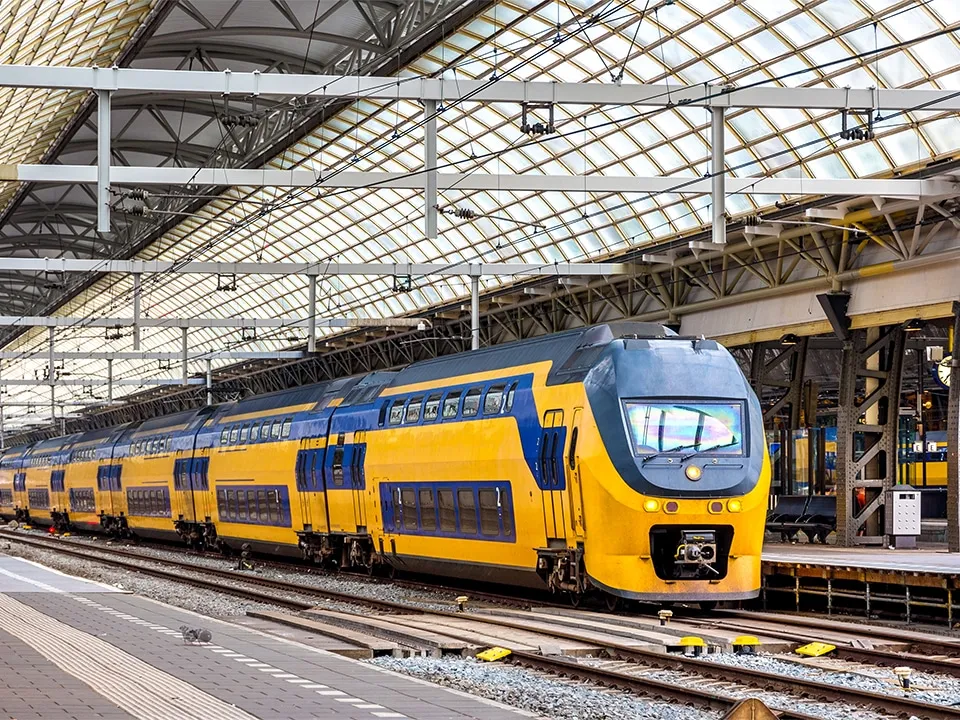
The massive growth in car ownership has not been able to displace the train’s popularity. While the train received less attention in the early days of mass motoring, today’s dramatic increase in road traffic means that taking the train is often the best choice. Glide past the traffic jams in comfort, and arrive at stations that put you right at the heart of the action and are designed as comfortable interchanges. Rail transport has become the sustainable alternative and, with the future in mind, the Dutch railway network is the ‘gateway’ for goods travelling from port areas to the rest of Europe
Question about this story? Ask your question
Keep following this
Get an email when a new story is published. No account needed.
- SubjectRoad construction







