









A controlled transition from old to new
Text Roel van Gils Image Mijnsen
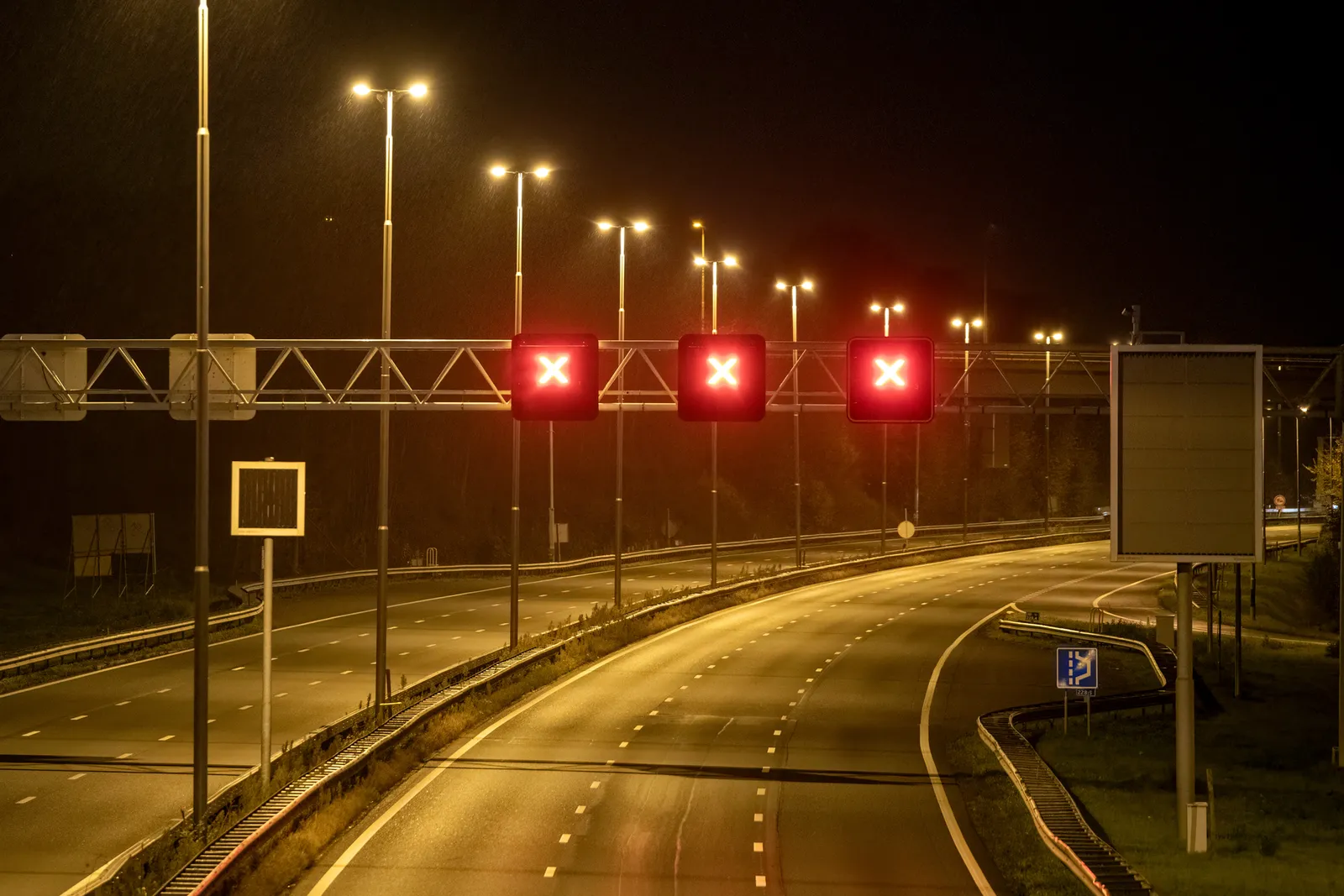
Through a hybrid environment of technical installations
On infrastructure projects, the biggest challenge often lies not in building new assets, but in the point where old and new meet. The widening of the A2 between the Het Vonderen and Kerensheide interchanges is a case in point. Existing technical installations must remain operational while modern technologies are introduced in stages. The ongoing interplay between old and new systems calls for strong coordination and a thorough understanding of how the two environments interact. Mijnsen understands this better than anyone.
It is precisely this balance between old and new that lies at the heart of our work on this project, says Theo Pernot, technical manager at Mijnsen. “We specialise in electrical installations for infrastructure projects. Commissioned by Boskalis, we coordinate the work on the traffic management systems for the A2 project. HIG is responsible for design and delivery, while on behalf of Boskalis we oversee the integrated coordination and monitoring of the installation work.”
According to Pernot, Mijnsen’s role has two distinct aspects. “On the one hand, we review the designs prepared by HIG: do they meet the contract requirements and comply with the agreements with Rijkswaterstaat? On the other, we safeguard the technical coherence between design, construction and central systems. We stand between the parties, both literally and figuratively, and make sure that the technology, contract and practical requirements all align.”
Hybrid environment
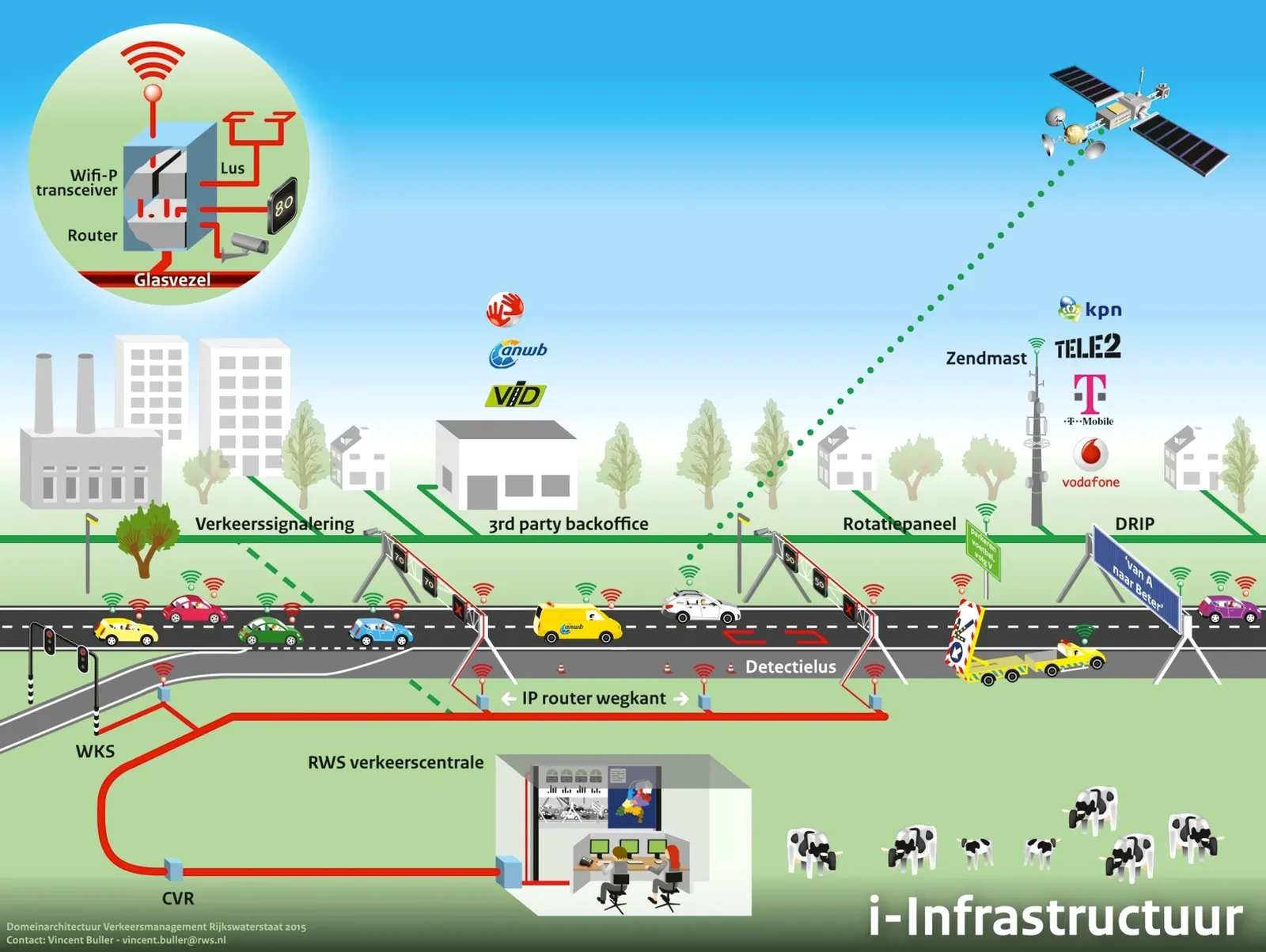
According to Pernot, the biggest challenge on this project is the staged conversion. “The existing installations are based on older technologies, while the new installations use intelligent systems and fibre-optic transmission. This creates a hybrid environment during construction: parts of the old system remain operational alongside newly installed equipment. Communications run partly over (old) copper connections and partly over fibre-optic cable. These interfaces between old and new are technically complex and require close coordination, as the road must remain fully operational throughout every phase.”
Control and monitoring
Any changes made on site must also correspond exactly with the configuration in the traffic control centre systems in Helmond. “Every change at the roadside to signage, lane layouts or camera surveillance must be reflected digitally in the central systems,” Pernot explains. “An apparently simple change on site, such as removing the rush-hour lane, means a fundamental change to the control and monitoring systems. Previously, intensive camera surveillance was needed to open the rush-hour lane safely. The focus is now shifting to incident management, using fewer cameras in a different functional role.”
Experience and oversight
According to Pernot, Mijnsen’s added value lies in its in-depth knowledge of both the field installations and the central systems. “We understand the technical constraints on both sides: what is possible in the field must also be manageable within the central systems, and vice versa. This interdependence calls for experience and oversight. We also have historical knowledge, having been involved in the design of the rush-hour lanes in the past. That knowledge helps ensure that their removal and the new layout are carried out carefully, without unwanted surprises.”
Our regional involvement and many years of experience in traffic signalling and traffic management mean that we provide more than just technical coordination, Pernot says. “We ensure a controlled transition in which old and new do not clash, but work together temporarily to ultimately deliver an A2 fit for the future.”
Question about this story? Ask your question
Keep following this
Get an email when a new story is published. No account needed.
- SubjectRoad construction







