Ten questions about reusing concrete sewer pipes and manholes:
Text Betonhuis Images De Hamer Beton, Betonhuis
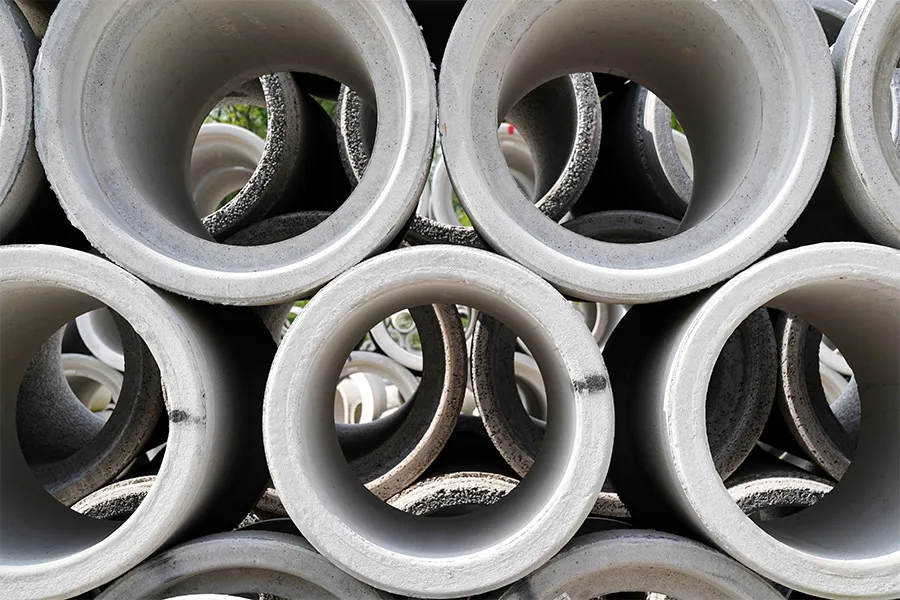
Betonhuis Riolering is an association that promotes knowledge and the use of concrete in sewerage and pipeline systems.
Betonhuis Riolering comprises Martens Beton, LBN Betonproducten and De Hamer Beton. It informs its stakeholders about the latest sustainable developments in the sector and supports clients with technical expertise. By working with industry partners and knowledge institutions, its members develop new solutions to societal challenges.
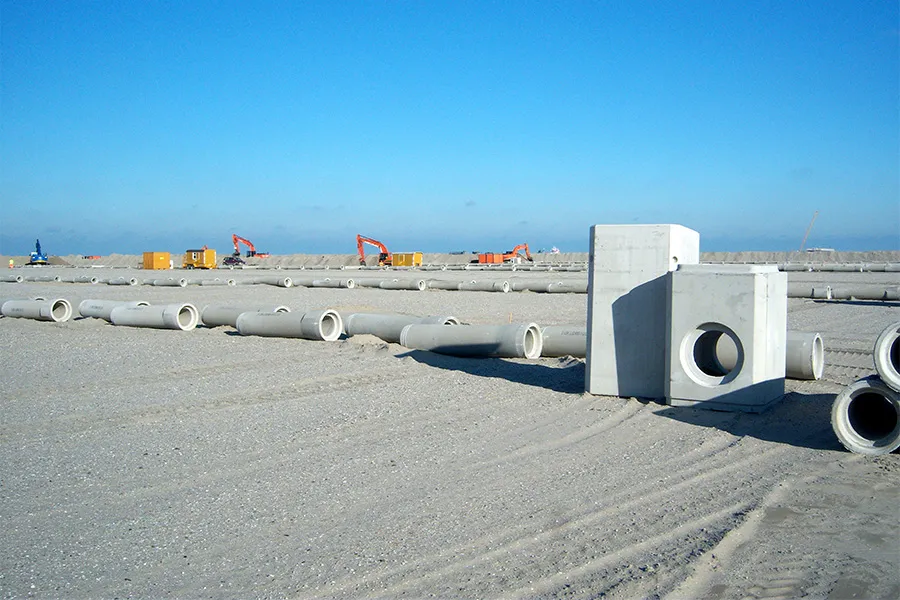
BRL K11002
With the BRL K11002 certificate, clients can finally be sure that concrete sewerage products delivered to site meet the required environmental profiles.
1. Why should we reuse concrete sewer systems?
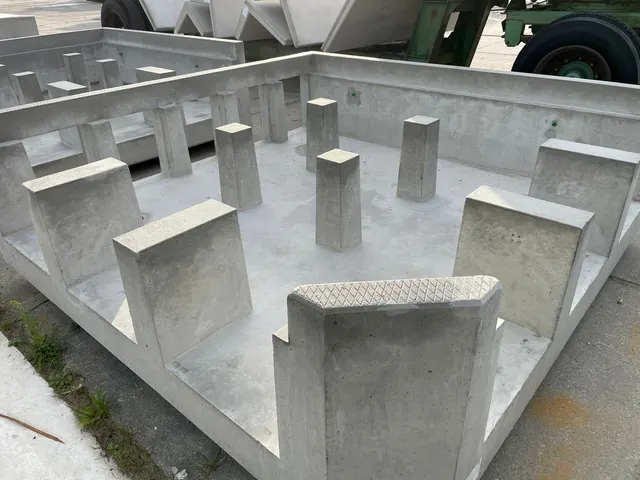
Concrete pipes and manholes can last for more than a hundred years, but are replaced after an average of fifty years. If pipes, for example, are still in good condition, they can be reused as sewer pipes (re-use) or culverts (re-purpose), rather than recycled into aggregate.
2. What are the benefits of reuse?
Reuse saves raw materials and energy, and contributes to sustainability and circularity. It reduces environmental impact and the need for new production.
3. What factors determine whether a concrete pipe or manhole can be reused?
The main factors are its technical condition, strength and chemical attack. Dimensions and the availability of
rubber rings also play a part.
4. How do you assess the quality and strength of a concrete pipe?
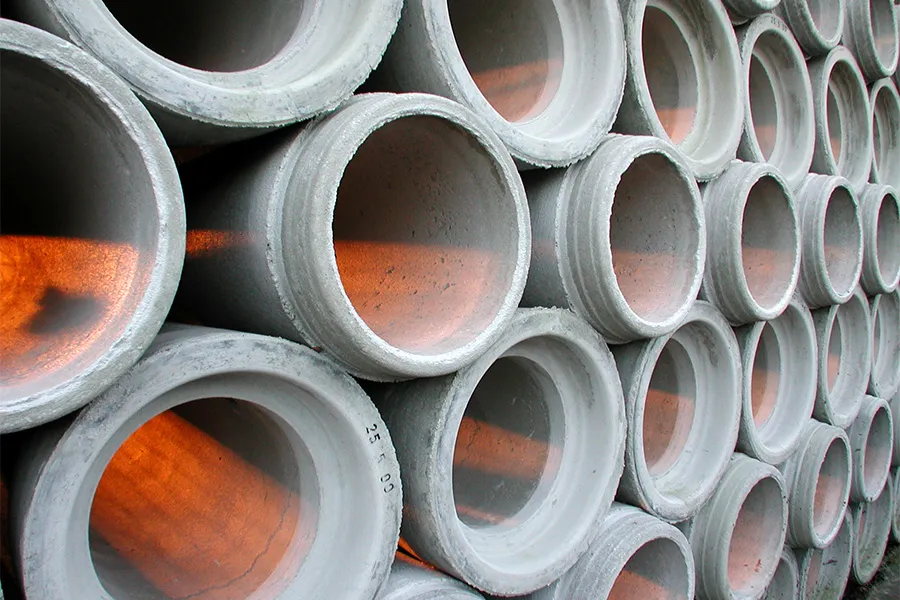
Concrete pipes generally retain their strength and shape. A pressure test can provide additional assurance. External factors, such as chemical attack, can reduce quality, but this is usually immediately visible.
5. How can damage to concrete pipes and manholes be identified?
Visual inspection can detect cracks and reduced wall thickness. Involve the manufacturer and a contractor that supports reuse to ensure a thorough assessment.
6. What are the conditions for successful reuse projects?
Gather information about the pipes and manholes (manufacturer, specifications, age and joint type) and involve manufacturers early. Also ensure there is enough storage space for reusable materials.
7. How does the excavation and selection process work?
During excavation, damaged
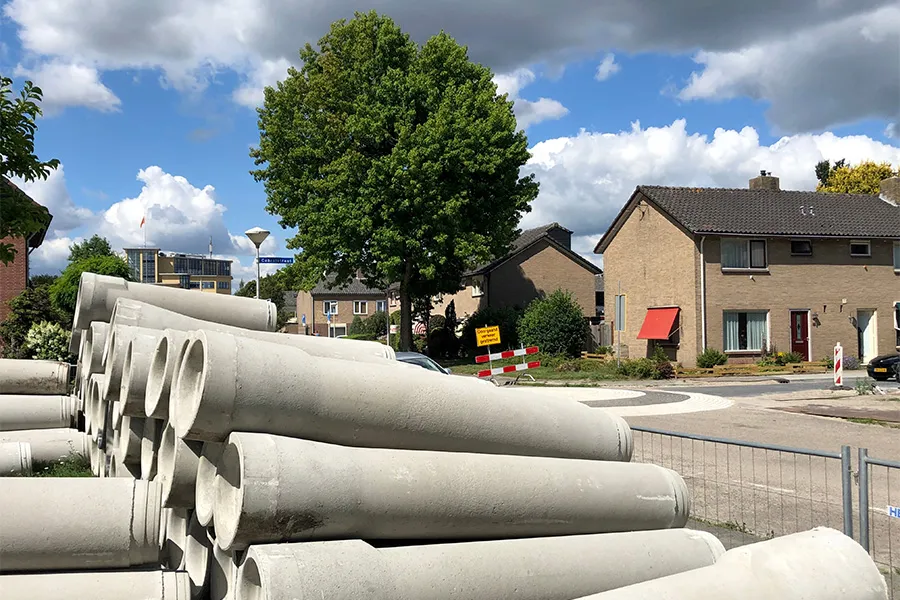
pipes and manholes are rejected immediately and processed into aggregate. Suitable pipes and manholes are stored temporarily and tested if necessary.
8. Can all concrete pipes and manholes be reused?
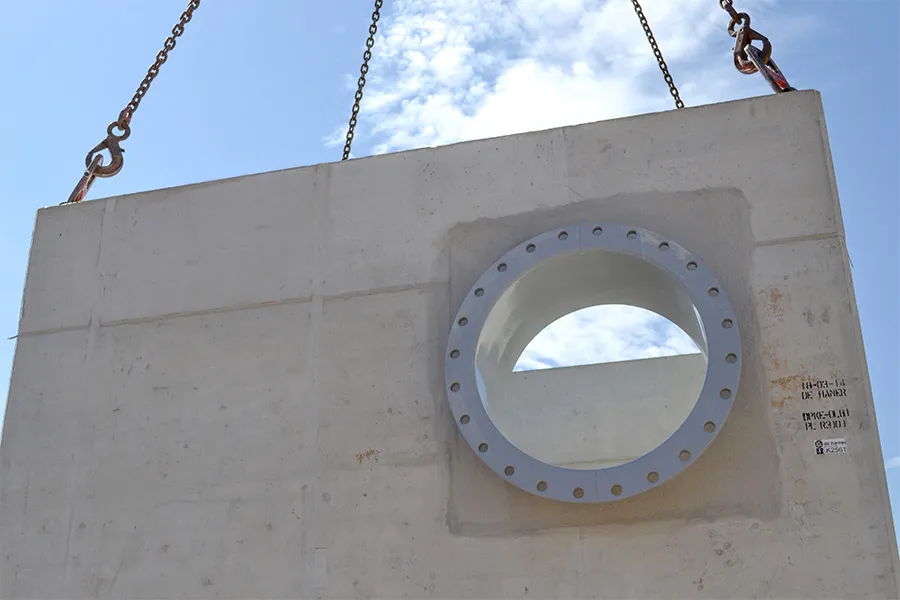
Not always. If suitable, and fitted with new rubber rings, concrete pipes and manholes can be reused in a sewer system or as culverts. Projects without time pressure are best suited to reuse.
9. What practical experience is there with reuse?
Experience is still limited. Clients often opt for new pipes because the cost savings are small and their service life is longer. Nevertheless, concrete pipes and manholes can often be reused a second or third time.
10. What if reuse is not possible?
Concrete can be recycled into high-quality aggregate or secondary sand, gravel and cement stone. This contributes to a circular economy and prevents downcycling into low-grade uses such as foundation material.
Question about this story? Ask your question
Keep following this
Get an email when a new story is published. No account needed.
- ThemeLower emissions and more reuse
- SubjectConcrete