Retaining walls: the unseen yet essential foundation for quays, dykes and roads
Text Suzanne van Gaale Image Bosch Beton
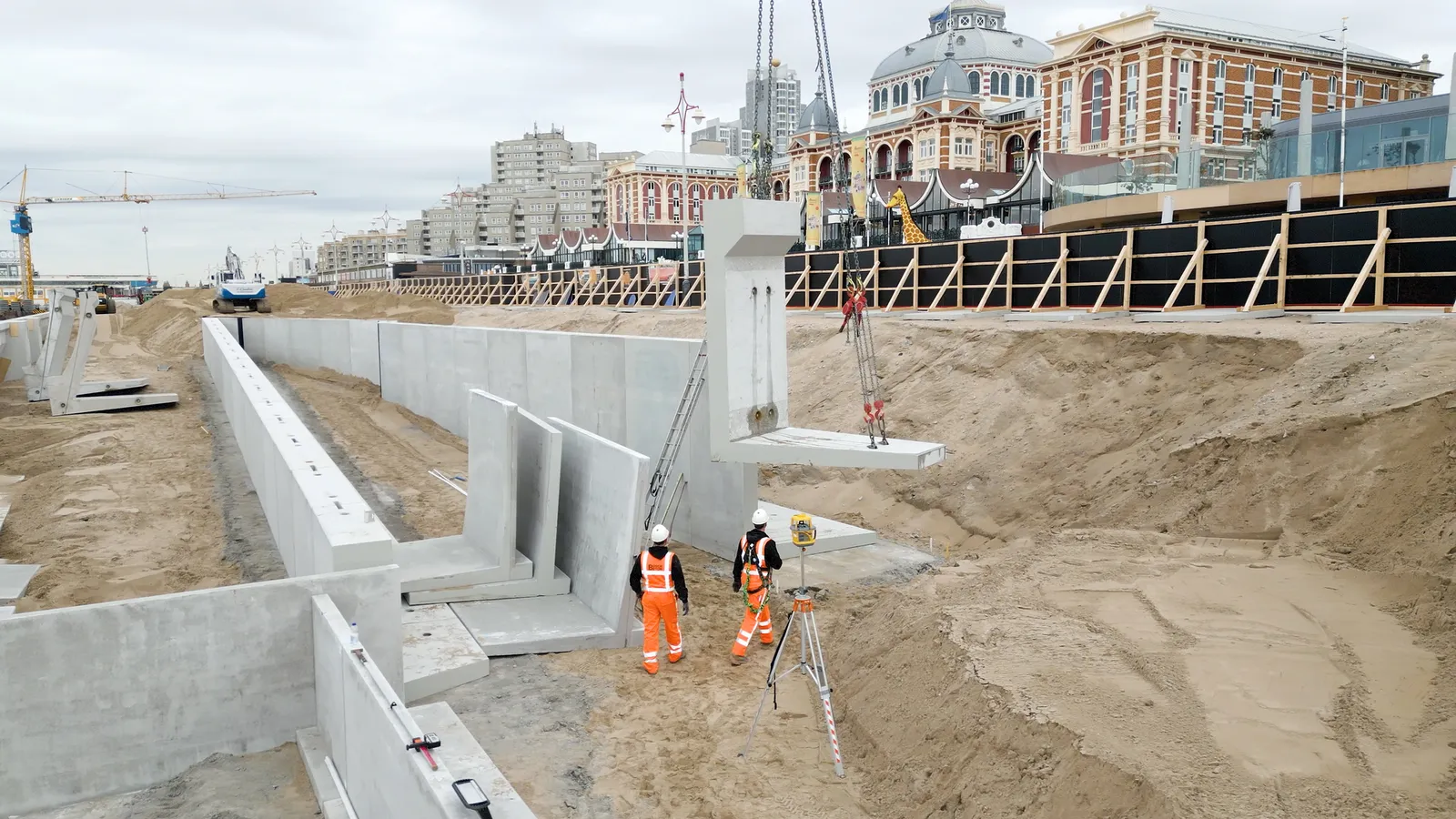
Retaining walls may seem like a fairly standard product, but appearances can be deceptive. These often unseen elements alongside roads, dykes and quays are the result of considerable thought and innovation. Bosch Beton plays an important role in this. Lennart van de Loenhorst, Infra Team Coordinator at Bosch Beton, highlights two special projects where bespoke solutions and sustainability played a key role.
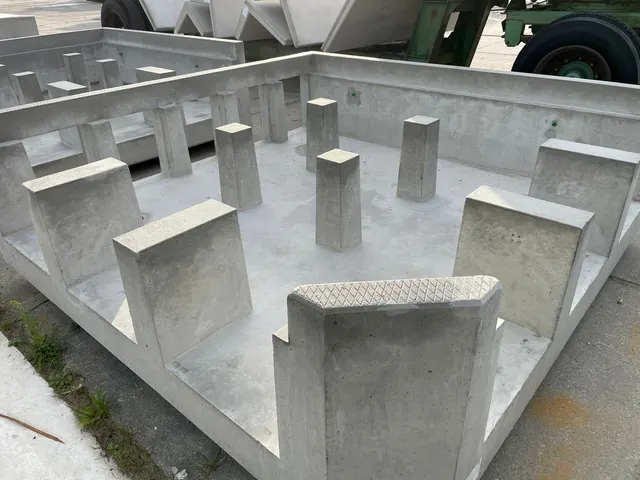
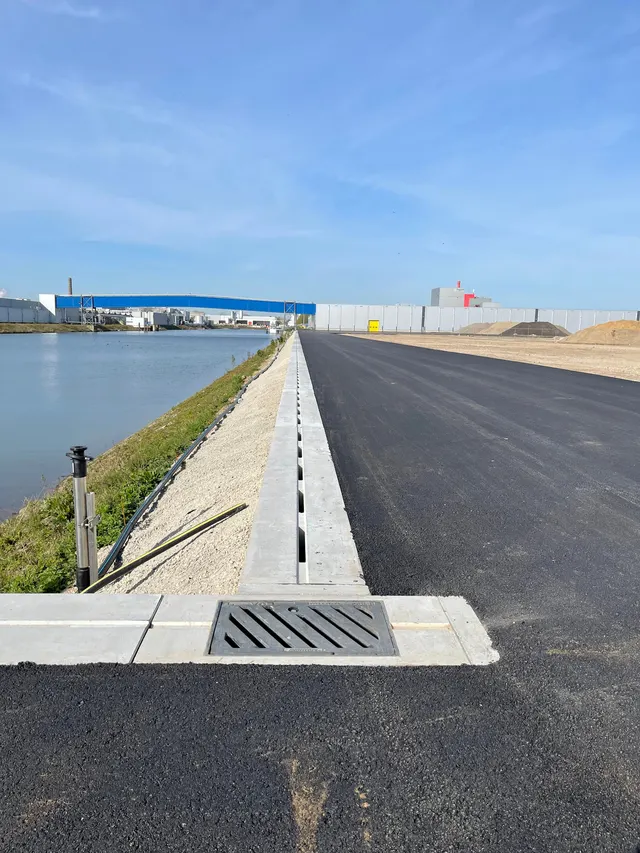
“Retaining walls are extremely versatile,” begins Van de Loenhorst. “They are used in a wide range of situations, from special trench silo walls for the agricultural sector and noise barriers alongside motorways to boundary walls and water- and sea-defence structures.” The many types of retaining wall are designed and manufactured in-house at the modern factory in Barneveld.
A distinctive perspective
Sustainability is a common thread running through the family business. Bosch Beton uses more environmentally friendly concrete mixes, reusable materials and energy-efficient production processes. All products carry a CO2 label, ranging from class A++ to G, so customers can see their environmental impact at a glance. But the ambition goes beyond making existing products more sustainable. The ultimate goal is to create a cement-free generation of retaining walls. Van de Loenhorst puts it this way: “We aim to use as little material as possible to make a product that exceeds the customer’s expectations. That’s typical of Bosch Beton: we always take a distinctive perspective on a project.”
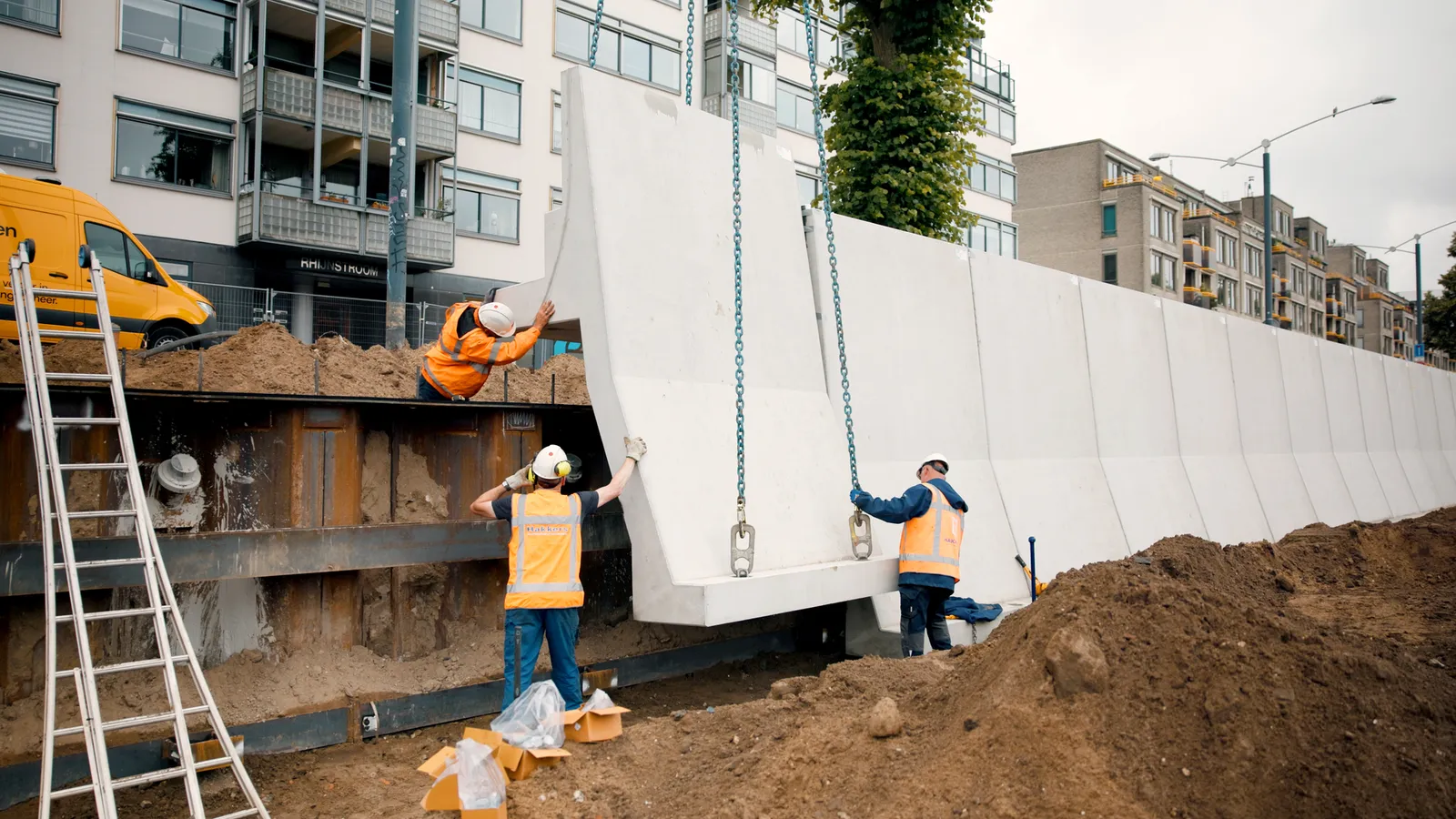
Rijnkade, Arnhem
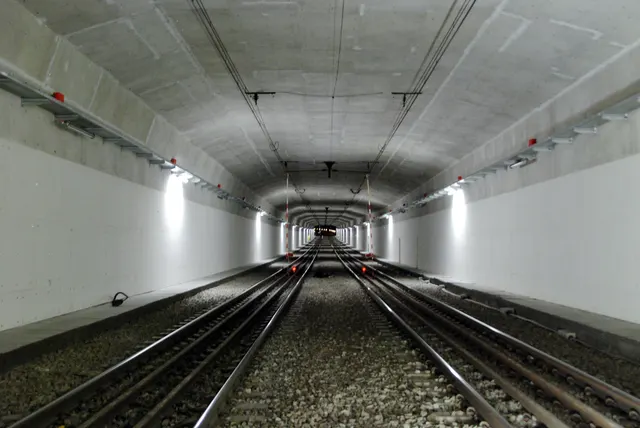
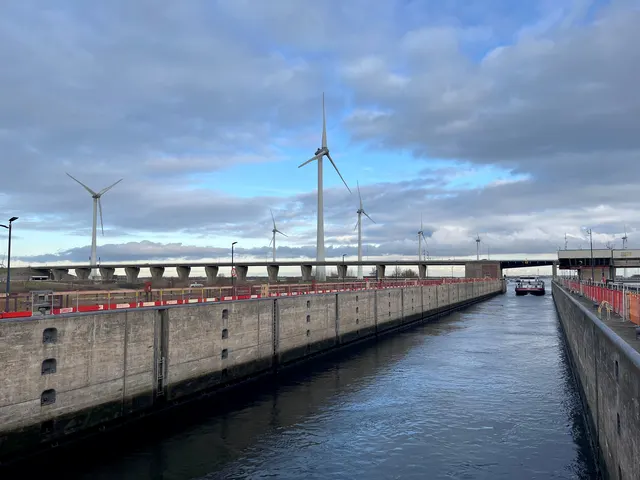
This sustainable vision and distinctive perspective are also reflected in the projects Bosch Beton works on. Van de Loenhorst cites two notable examples: the strengthening of the Rijnkade in Arnhem and the renewal of the Middenboulevard in Scheveningen. The Arnhem project stands out for its virtually emission-free working methods. Its location in the city centre made construction particularly challenging. “For the Rijnkade, which stretches for just over one kilometre, we manufactured, supplied and installed more than 400 precast elements. We deliberately chose precast construction so we could work quickly and efficiently, with minimal disruption to the surrounding area. All the elements were manufactured at our own factory in Barneveld and transported from there to Arnhem by electric lorry.”
Middenboulevard, Scheveningen
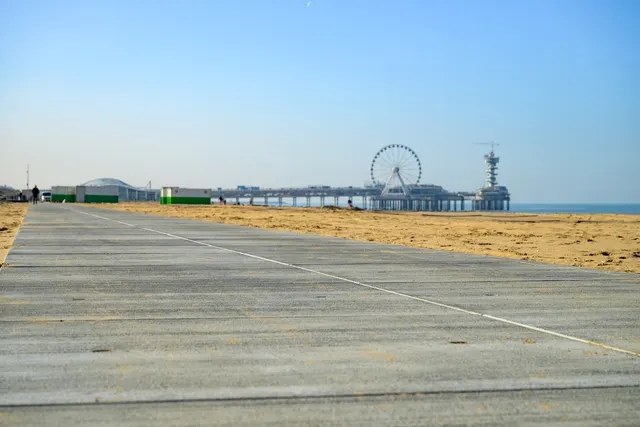
In Scheveningen, the main challenge was technical and structural. Bosch Beton contributed to the renewal of the 120-year-old quay wall along the Middenboulevard. The basic design had already been established, but translating it into a buildable design called for specialist knowledge and precision. “You can come up with the best possible design on paper, but the art is making it achievable in practice. Over a period of 18 months, we manufactured around 400 different retaining walls, varying in shape and weight. The heaviest wall weighed no less than 26.6 tonnes. We developed 14 new moulds for this project. To ensure that all the different types of wall fitted together exactly, we opted for steel moulds, which are more dimensionally stable and have minimal tolerances.”
Both projects involved an intensive development and production process for the retaining walls. Van de Loenhorst says: “Once installed, they remain out of sight, but they provide the essential structural foundation for a project. That’s what makes our work so rewarding!”
A business enquiry for Bosch Beton? Get in touch
Companies in this story
Keep following this
Get an email when a new story is published. No account needed.
- ThemeMaterials and techniques for infrastructure
- SubjectConcrete
- CompanyBosch Beton