New A9 viaduct built using recycled sand from concrete in old viaducts
Text Betonhuis Image Renewi
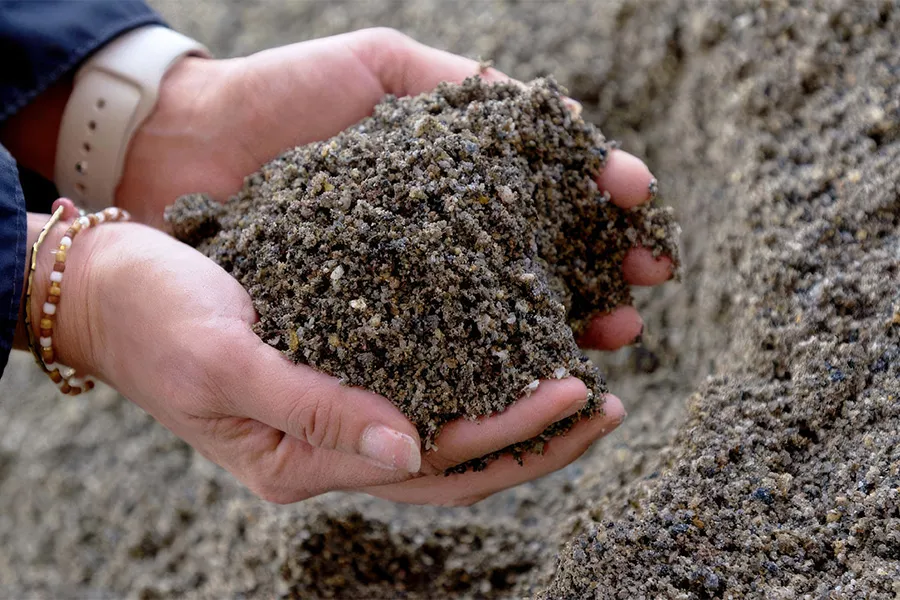
Demolished viaducts over the A9 near Amsterdam live on in a new viaduct above that same motorway. This is possible thanks to sand and recycled concrete aggregate recovered from the old concrete by recycling company Renewi.
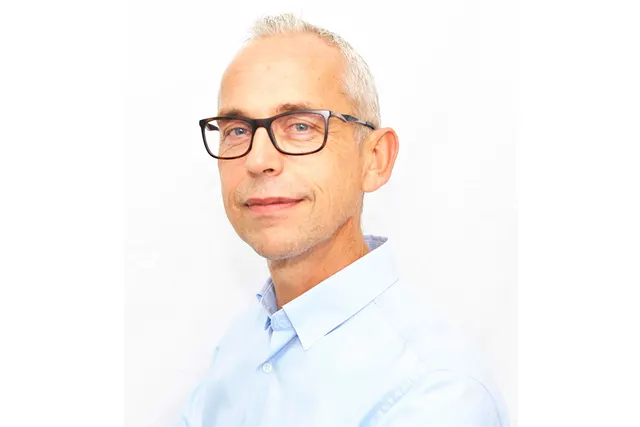
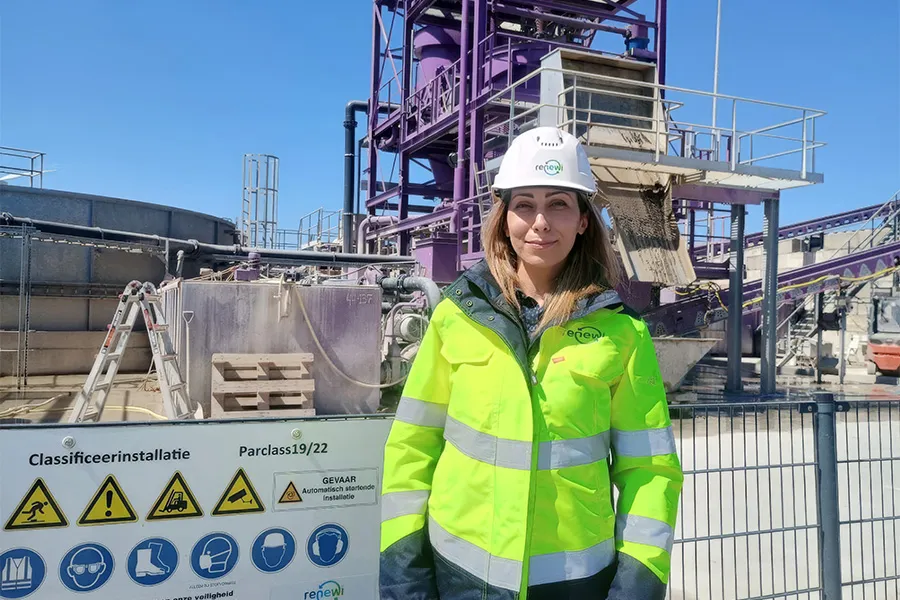
Somi Lotfi is closely involved in the project as business development manager minerals. “We became involved through the demolition contractor. They wanted us to recycle 40,000 tonnes of concrete rubble from viaducts. When I heard that Rijkswaterstaat was the client, I proposed using it in the same project.”
Enthusiastic
“After our presentation and tour, everyone was enthusiastic about the quality of the recycled washed sand,” says Lotfi. This laid the foundation for an agreement between the various parties. “Collaboration across the supply chain is important. We need clean concrete rubble to recycle and use in new concrete.”
“Unfortunately, current regulations do not yet allow you to use a large proportion of recycled materials. There is no technical problem, but the rules do not permit it. It would be good if the regulations were adapted to reflect the opportunities we have to use more recovered materials than we do now.”
Five levels
She picks up a pen and paper to sketch the different levels of recycling and where the company currently stands with concrete reuse. “There are five levels, with level one being the lowest. That is using crushed rubble as a road foundation. That is downcycling.” This is the least ambitious form of reuse.
Level two is already more interesting, because the crushed concrete rubble is turned into usable recycled concrete aggregate. This can be used perfectly well as a replacement for gravel in new concrete. “When you talk about recycling, this is what happens in the vast majority of cases, around 95 per cent,” she says.
The crushing process also produces some sand, but in that form it cannot be used in new concrete. Two tubs of sand samples are brought to the table. “You can see that this unwashed sand clumps easily. That already causes problems in the hoppers, because they get blocked. What’s more, with unwashed sand you have too little control over what ultimately happens in the concrete mix.”
Clean sand
There is a solution: washing the sand. This is done at a Renewi plant in Amsterdam’s port area. The company produces clean sand there, which also absorbs less moisture. It is perfectly suitable for making new concrete. With the very fine particles removed, there is no risk of the hoppers becoming blocked. Washing also removes contaminants such as wood and plastic. With recycled washed sand, we have now reached level three.
One level higher is the recovery of cement stone from demolition concrete, alongside recycled concrete aggregate and washed sand. “Note that we are talking about cement stone, not cement,” says Lotfi. “Cement cannot be recovered from concrete because it undergoes a chemical reaction during production and its properties change. Cement stone is not reactive, but inert. At this stage, concrete rubble is essentially recycled into three components: aggregate, sand and filler.”
At the fifth and highest level of concrete recycling, the cement stone is processed so that it becomes reactive. This makes it possible to replace more cement, ultimately reducing CO2 emissions.
Taking steps
It seems logical to aim for the two highest levels, and Lotfi understands that. “But to get there, you have to take steps at the lower levels. Most concrete recycling currently takes place at level two. Let’s first try to move to level three, using recycled washed sand.”
Question about this story? Ask your question
Keep following this
Get an email when a new story is published. No account needed.
- ThemeExtending the life of roads and civil engineering structures
- SubjectConcrete