Concrete in road and bridge construction: not grey, but green
When people think of concrete, they are more likely to picture grey blocks than greenery and sustainability. Yet concrete is the foundation of the circular economy.
“The Dutch government is working with businesses, civil society organisations, knowledge institutions and other authorities to create a sustainable economy for the future. In this circular economy, there is no waste and raw materials are reused time and again. In the Speech from the Throne, King Willem-Alexander announced that measures are forthcoming to promote the circular economy,” begins Taco van den Broek, paving sector secretary at Betonhuis.
“A shift in the way we build is both a component of and a prerequisite for the circular economy. A range of initiatives are working towards this. For example, Minister Olongren of the Interior and Kingdom Relations has sent a letter to Parliament on the planned implementation of circular construction in regulations. Among other things, she addressed tighter requirements for the Environmental Performance of Buildings (MPG), which indicates the environmental impact of the materials used in a building.”
A building value model for circular design
Rijkswaterstaat and NEN established Platform CB’23 with the aim of drawing up national, construction-sector-wide agreements on circular construction before 2023. The Betonakkoord’s Circular Design Implementation Team presented the Building Value Model, which enables all supply-chain partners to take part in the circular design process from the initial design stage, helping to create a truly circular building.
Concrete paving for effective water management
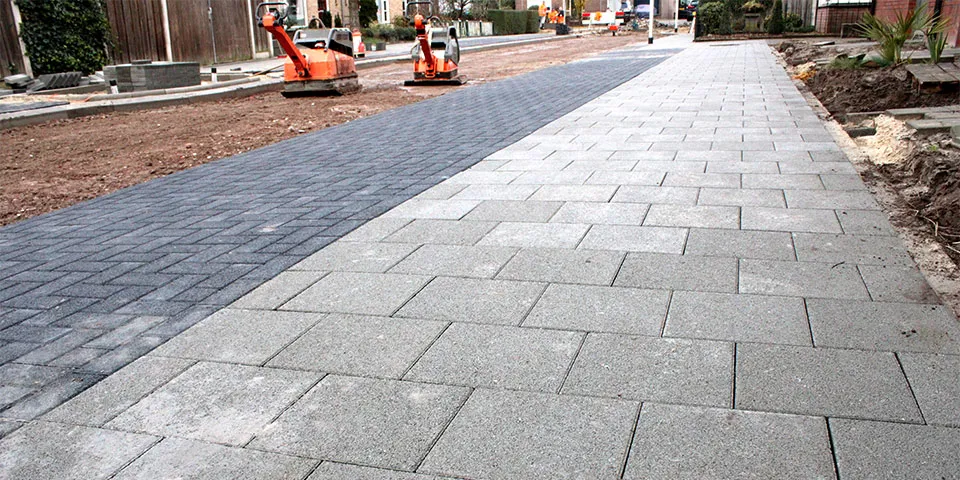
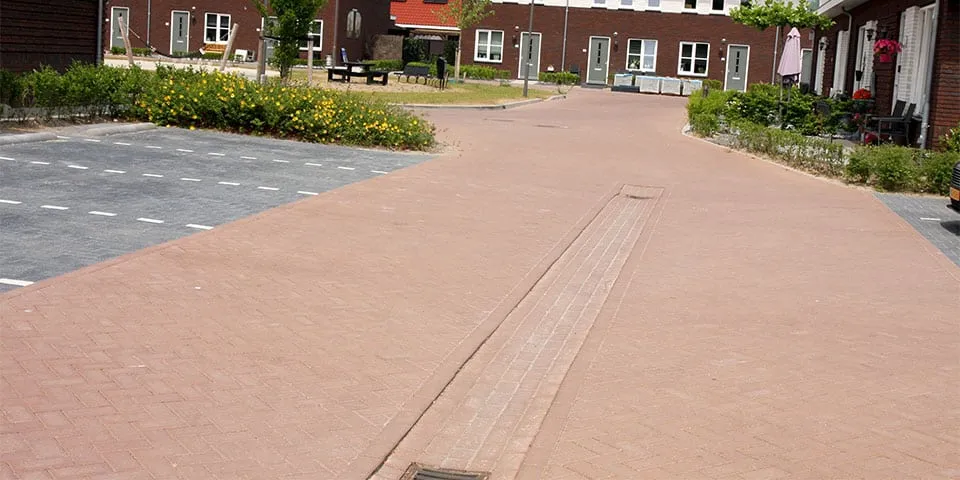
“Concrete is made from sand and gravel, water and a binder. The Romans used it to build aqueducts, roads and structures such as the Colosseum and the Pantheon. It remains the world’s most widely used building material today, and for good reason. Concrete is strong, robust and fire-resistant. It offers architectural freedom of form and a range of colours, and is easy to work with. This makes it possible to create solutions for modern, safe and sustainable buildings, roads and structures. The current debate is about switching from asphalt to sustainable concrete. Betonhuis Bestrating believes that the Netherlands should take up this challenge to tackle increasing waterlogging alongside drought. Concrete paving can be sustainable, allowing water to infiltrate rather than run off. Paving with concrete means being able to control water flow and let water pass through.”
Circular construction with concrete
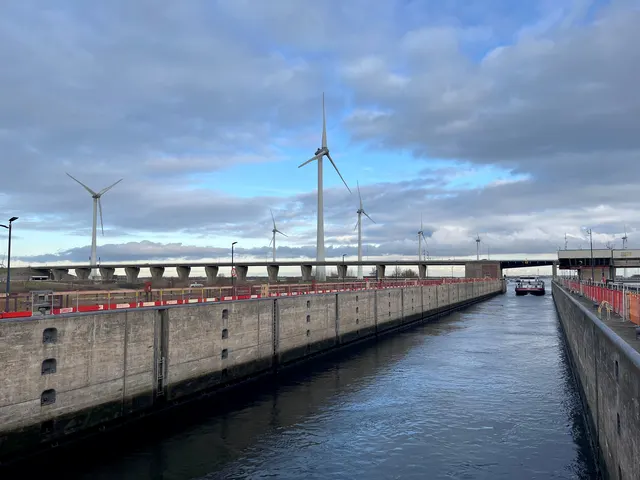
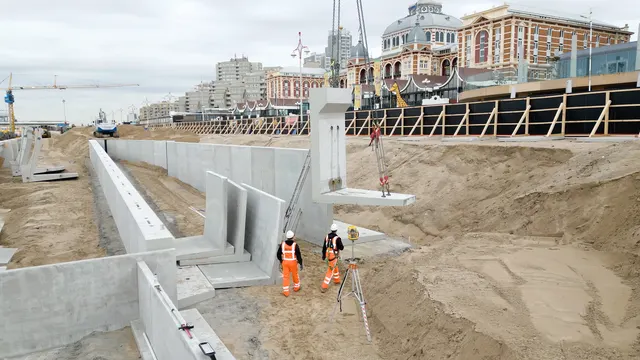
Building with concrete is an excellent fit for a circular economy. Without doubt, concrete’s greatest environmental benefit is its very long service life and low maintenance requirements. And if a concrete building component does have to be demolished, the material is often put to a new use. Concrete viaducts and bridges can be built according to circular principles. When they are demolished, 100% of the concrete rubble is reused, either as recycled concrete aggregate in road sub-bases or as aggregate in new concrete. Concrete’s raw materials are natural and are generally available locally or within reasonable transport distance. Sand, for example, usually comes from the hinterland of rivers such as the Meuse and the Rhine. Gravel is also a river deposit. Sourcing materials nearby keeps the production chain short and avoids long transport distances. Concrete does not depend on raw materials that are becoming scarce globally, or on the fluctuating price of crude oil.
Sustainable paving
Sustainable paving is one example of what circular construction can achieve. Concrete is widely used as a paving material. Van den Broek says: “We regularly face heavy downpours. Paved surfaces cannot drain all that water away. Permeable or water-passable concrete paving blocks offer a solution. This is open paving that allows rainwater to infiltrate the ground. The open structure can be achieved, for example, with extra-wide joints between the blocks, openings cut into the sides or centre of a block, or a porous concrete mix. Another solution is to use grass concrete pavers. The openings between or in these pavers are filled with topsoil, for example, allowing grass to grow.”
Options
Betonhuis Bestrating members are happy to advise on the options. They are committed to consistent quality, so their processes are audited by an external body against an assessment guideline. This gives clients such as local authorities confidence that they are buying sustainable, green concrete products that meet the required quality standards. Find out more at betonhuis.nl/bestrating.
Question about this story? Ask your question
Keep following this
Get an email when a new story is published. No account needed.
- ThemeExtending the life of roads and civil engineering structures
- SubjectConcrete