TBS-SVA Groep offers a complete solution for climate-resilient rainwater management
Text Susan Peek Image TBS-SVA Groep
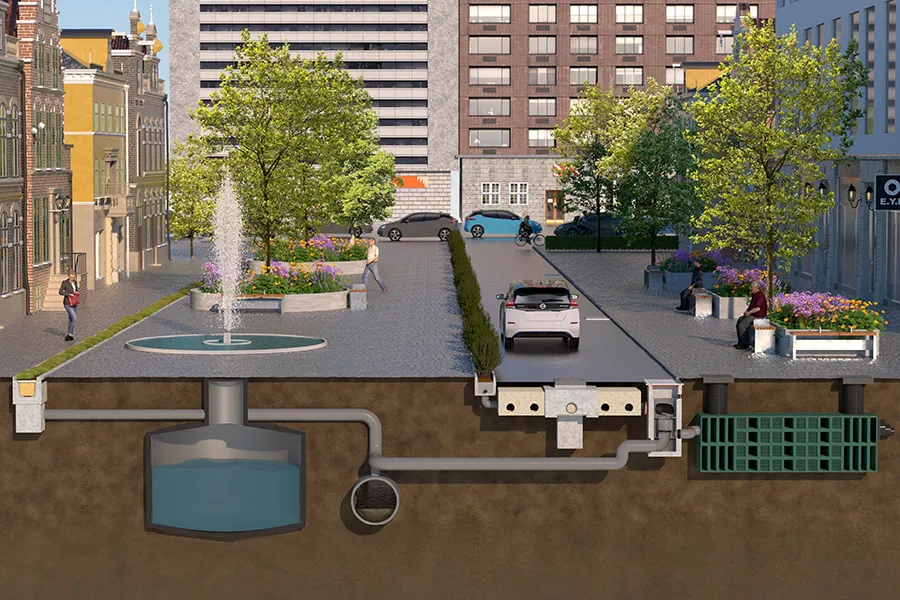
From more intense rainfall to prolonged periods of drought and heat stress, climate change presents major challenges for our public spaces. TBS-SVA Groep is actively working with supply-chain partners to develop integrated, future-proof solutions. “We want to go much further than simply collecting and draining water,” says Willy Bruckers. “It’s about storage, treatment, reuse and tackling heat stress.”
Six steps in rainwater management
Climate adaptation requires more than isolated measures. That is why TBS-SVA takes a holistic approach, from the first raindrop to reuse and cooling the city. “In recent years, we have developed an extensive range of products that address the entire water cycle in outdoor spaces,” Bruckers explains. “It starts with collection and ends with tackling heat stress. Every step helps create a liveable, future-proof environment.”
The latest TBS-SVA Aquacare brochure sets out the six steps and the extensive range of innovative climate-resilient rainwater management solutions. “Every situation calls for a tailored approach,” says Bruckers. “That is why we offer several products for every step. Together with the customer, we select exactly what is needed.”
From quantity to quality
Alongside supplying products, TBS-SVA sees itself as having an important role to play as a knowledge partner. “For the past ten years, the focus has mainly been on quantity: how can we get the water away as quickly as possible? But that is no longer enough. We now also need to look at quality: what is actually in the water, and what effect does it have on our soil, infrastructure and living environment?”
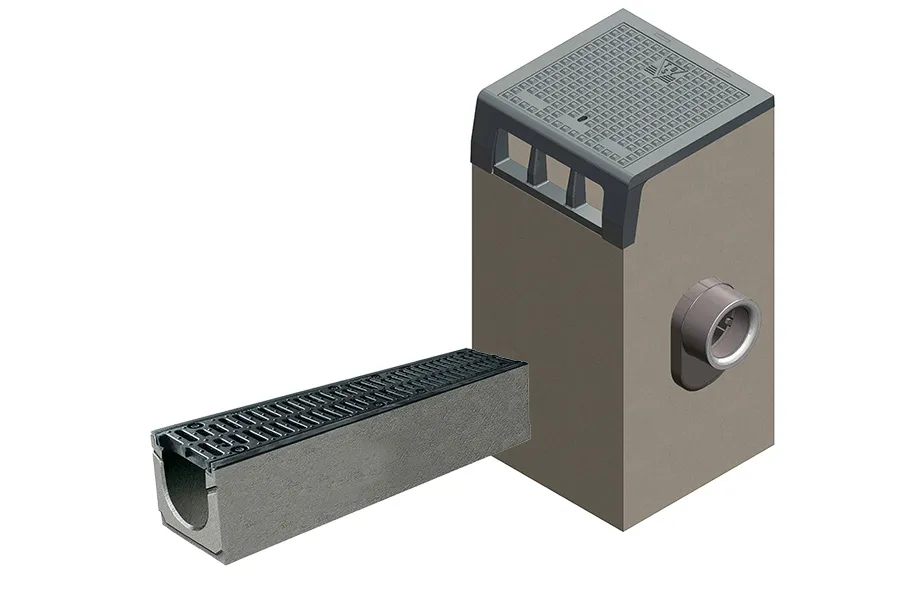
Step 1: Collection
It all starts with collecting rainwater through point or linear drainage. This includes traditional road gullies and concealed channels, as well as innovative options such as the Stormwaterkolk and Cool City Draingoot, designed for urban environments where greening and cooling are the aim.
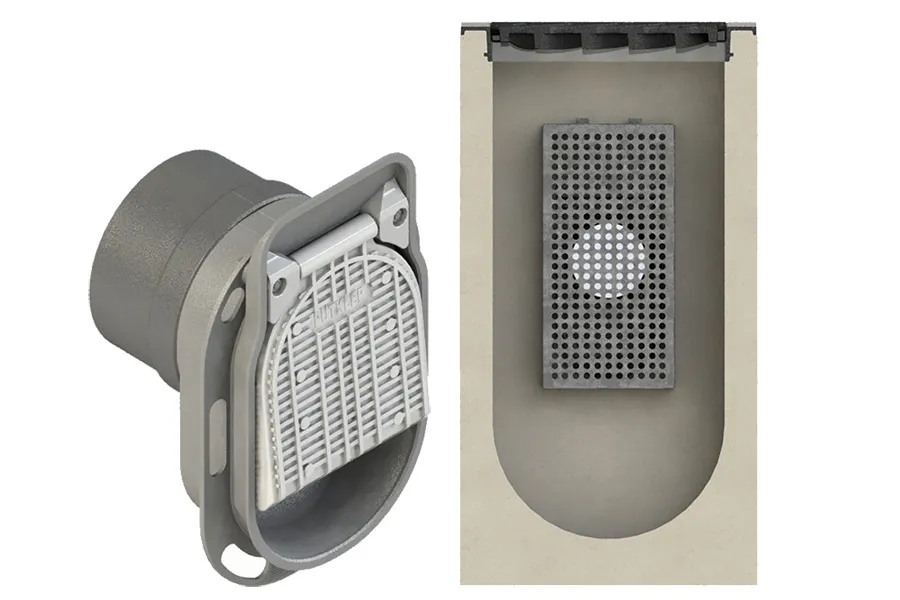
Step 2: First-stage treatment
Innovative solutions such as the putklep, GSFU-scherm and Citykross kolk provide the first stage of rainwater treatment. “This prevents blockages and contamination of the soil and groundwater,” says Brucker.
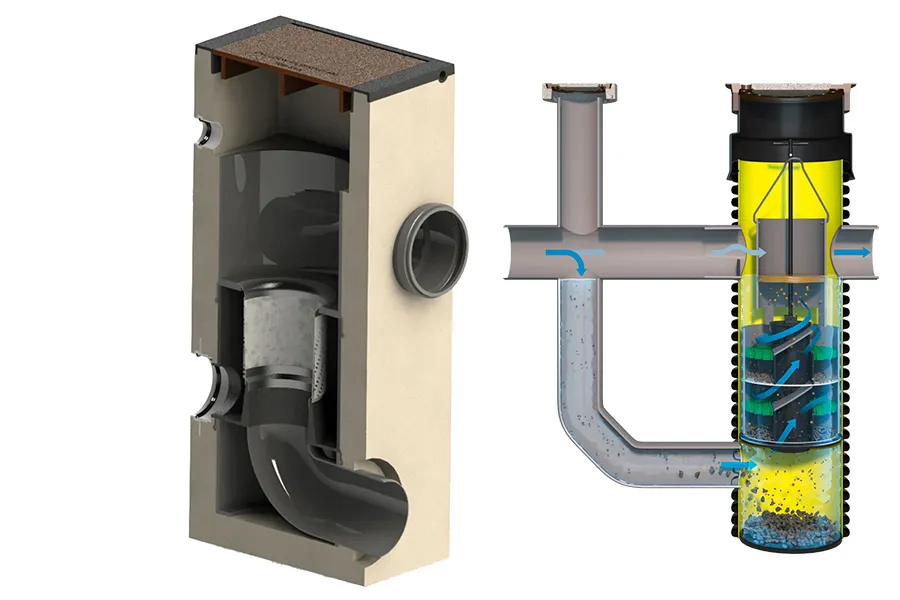
Step 3: Second-stage treatment
A second treatment stage provides finer filtration and further treatment of the rainwater. TBS-SVA offers, among other options, the Cycloonfilterput, which delivers up to 90% cleaner water discharge, the compact Sedi-Point and the high-capacity Sedi-Pipe for areas of up to 18,000 m2. “This takes us to the level of treated water quality, which is where our focus will be over the next ten years.”
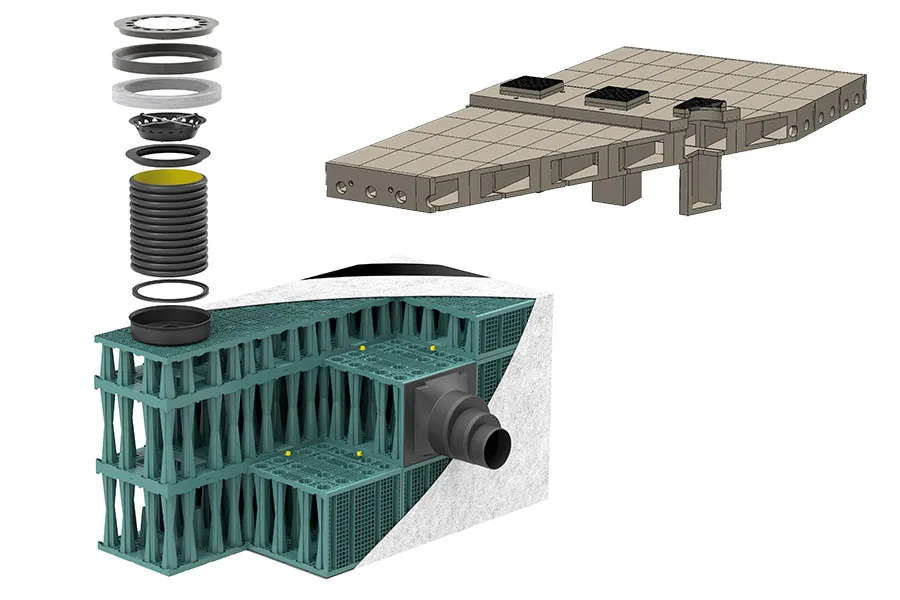
Step 4: Storage / infiltration
Treated water can then be stored and infiltrated into the soil. This prevents peak loads on the sewer system and reduces flooding. Solutions such as the Gullybox, Rigofill and Infilio Put are compact, efficient and suitable for a wide range of applications, from residential areas to industrial estates.
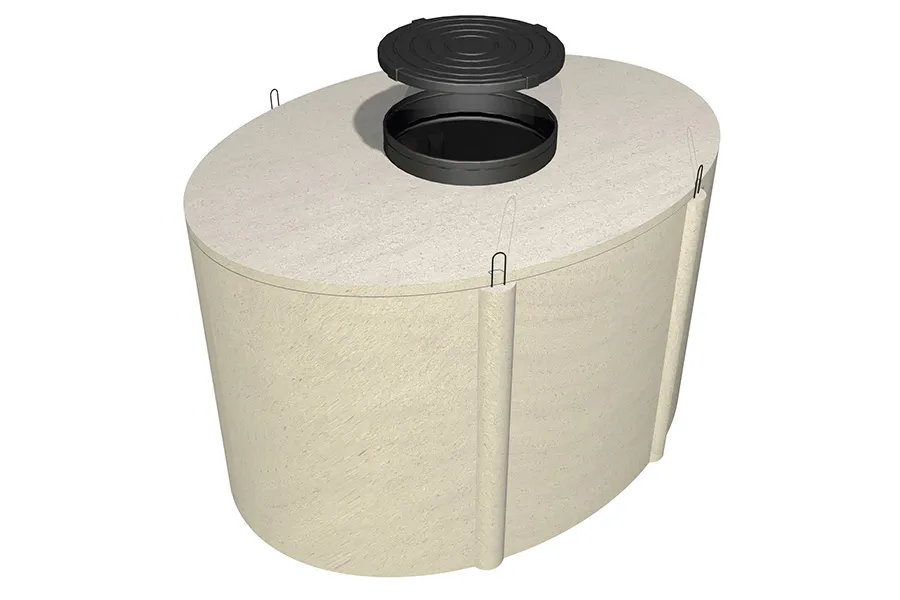
Step 5: Use / monitoring
But rainwater does not necessarily have to be drained away. “We actively encourage reuse, for example to irrigate public spaces during dry periods,” says Bruckers. Systems such as the Aqua O Slow and Rigolimit V store water and discharge it at a controlled rate. The water can also be easily inspected in this way.
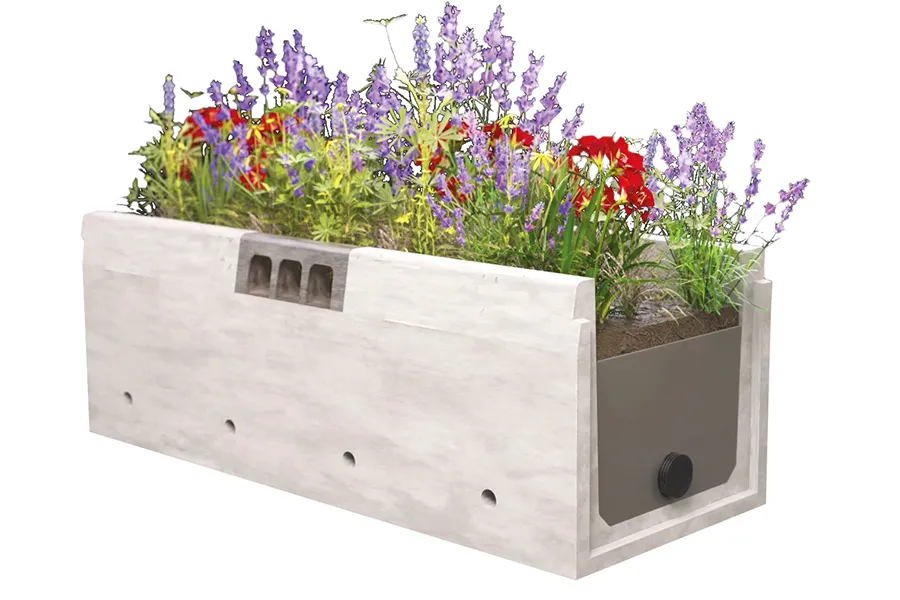
Step 6: Tackling heat stress
The final step addresses another growing problem: heat stress. With products such as the Mini Rain Garden, a prefabricated green area with a filtering substrate below ground, TBS-SVA creates cool, green spaces in the city. “The same applies here: it needs to be both functional and sustainable,” says Bruckers.
Time to work together
Bruckers emphasises that this shift calls for collaboration. “We cannot and do not want to do this alone. That is why we are actively seeking dialogue with local authorities, engineering firms, landscape architects and water authorities. By sharing knowledge, thinking ahead and listening carefully, we can develop solutions that will still work ten years from now.”
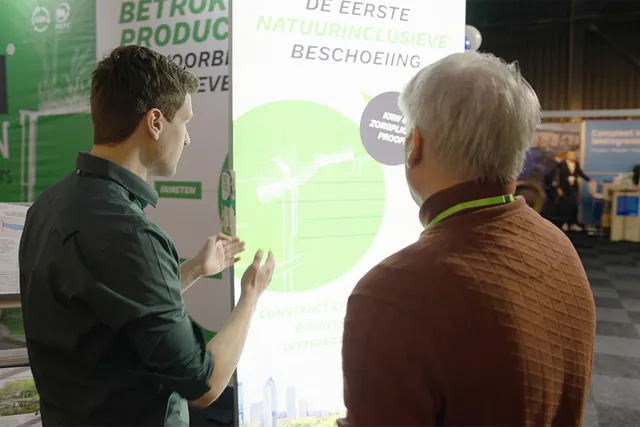
Climate adviser Lars Emans visits organisations across the country on behalf of TBS-SVA. “He finds that there are still many questions, and sometimes a degree of reluctance,” says Bruckers. “But once we sit down together, some really productive conversations often follow. We can then respond to market needs by explaining the options, offering advice and developing tailored solutions. Sometimes it turns out that a small adjustment to an existing product can make all the difference.”
From knowledge to action
Bruckers is clear about the message: “We would welcome discussions with everyone involved in climate adaptation. The more specific the question, the better. Only then can we give the best possible advice and continue developing our products. Together, we can build a safe, liveable, resilient and climate-adapted Netherlands, now and for future generations.”
A business enquiry for TBS-SVA GROEP? Get in touch
Companies in this story
Keep following this
Get an email when a new story is published. No account needed.
- ThemeFlood protection and climate-resilient water management
- SubjectSustainability & innovation
- CompanyTBS-SVA GROEP