What works on paper does not always work in the field
Text Suzanne van Gaale Images Wallaard Groen
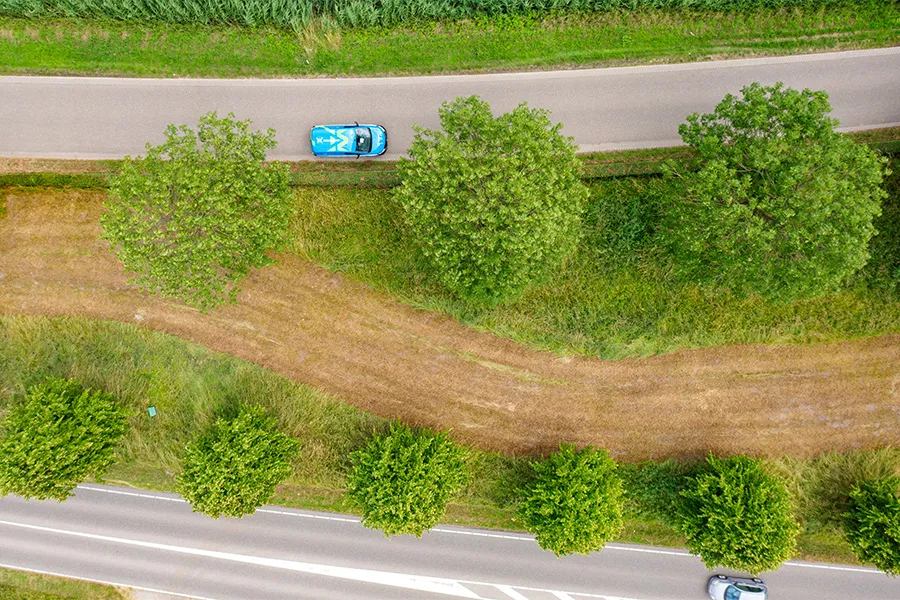
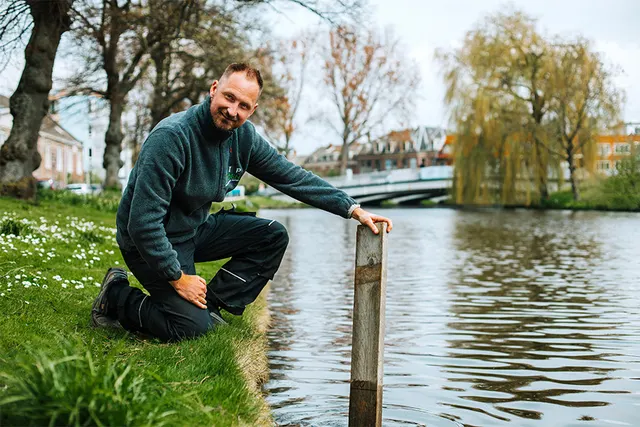
Ecological verge management is a worthwhile goal, but translating theory into practice often proves challenging. It is something Robin Castelijn, director of Wallaard Groen, encounters almost daily. The trick is to turn this challenge into an opportunity.
“We, and in fact the entire Dutch contracting sector, are affected by the changing policies of many clients.” Castelijn does not mince his words. “A client might decide that we have to mow twice one year, but the next year suddenly not at all, or using a completely different method. The problem is that you may have invested in all the (innovative) machinery, only for it to be used less, or even not at all.”
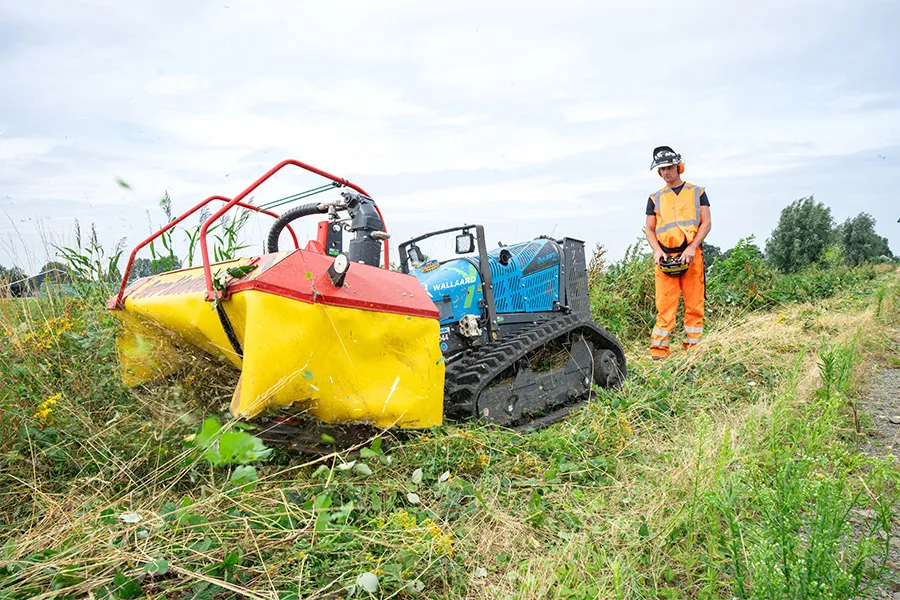
More ecological green space
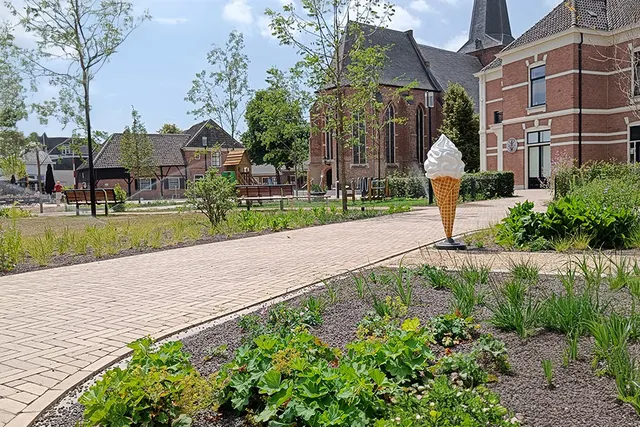
This is one of the challenges Castelijn and his company face. Nevertheless, the family business’s green division has grown rapidly over the past four years. It now manages more than 300 kilometres of verges for ProRail, carries out tree management for numerous local authorities and for ProRail, and creates complete outdoor spaces for sites including schools and leisure parks. Its latest area of expertise is the installation of green roofs and roof gardens. Within this field, sloping green roofs are gaining ground, both literally and figuratively. “Demand for ecological green space is growing. It suits us well as a company. We have always been nature lovers, and contributing to an attractive green environment is what makes our work so rewarding. It is no coincidence that we are certified by Groenkeur and Kleurkeur. We have a well-trained team, invest in new machinery and techniques, and that is resulting in more work, and above all, better work.”
The downside
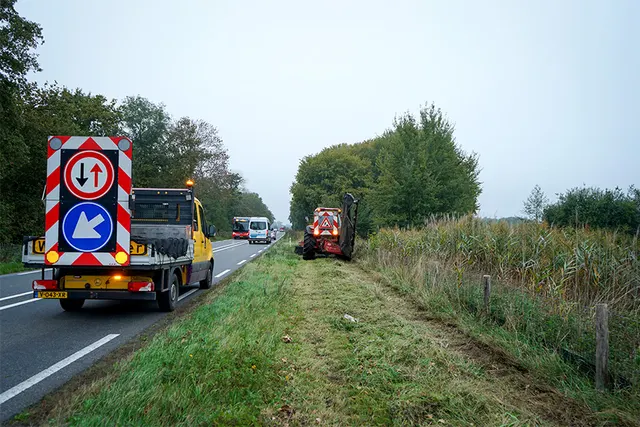
According to Castelijn, clients’ ecological approach can also have a downside. “What is devised in the office does not always translate well into practice.” He gives flail mowing as an example. “Under ProRail’s Code of Conduct, it is not permitted. That means mowing has to be done another way, which is much more labour-intensive. This requires many more passes, putting extra strain on the ground. It certainly does not benefit ecology. Flail mowing is permitted under the Code of Conduct for Rijkswaterstaat, water boards and local authorities drawn up by Stadswerk, but the conditions are so restrictive that it is still impractical. What is more, ecological verge management requires a tailored approach. No two plots are the same, yet that is often overlooked.”
Opportunities
These challenges also create opportunities. For example, Wallaard Groen uses specialist robotic mowers fitted with various attachments. He also expects more work in the future from Rijkswaterstaat, ProRail and Rijksvastgoedbedrijf, which are set to group plots together. “We are also seeing growing demand from local authorities for more green space and better tree management. This is driven by climate adaptation and the need to increase biodiversity. Our sloping ecological green roofs offer major opportunities here.”
Question about this story? Ask your question
Keep following this
Get an email when a new story is published. No account needed.
- SubjectSustainability & innovation