Getting ahead in a crowded charging network
Text Armand Landman Image Otte Lisse
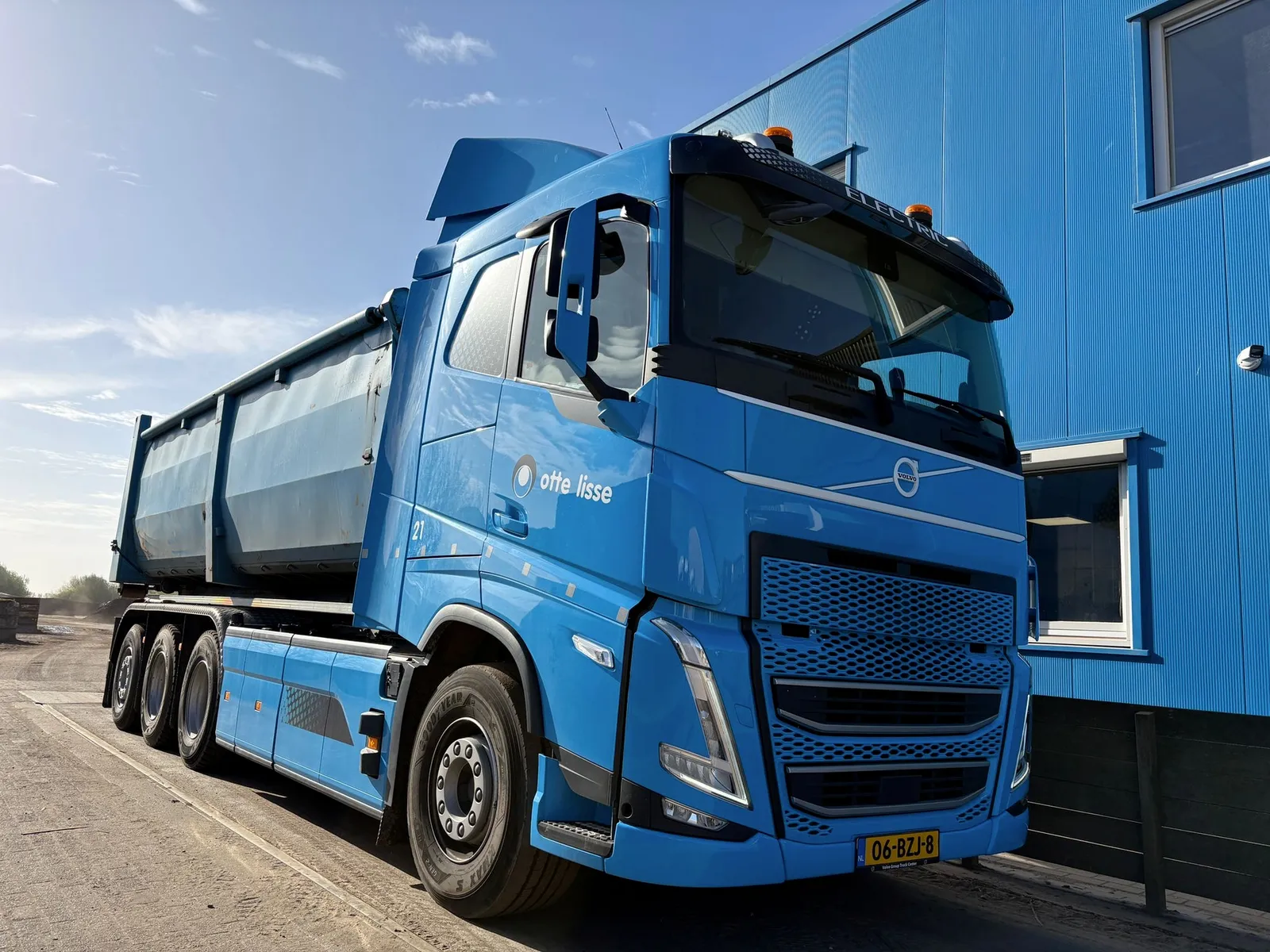
In Lisse, amid the bulb fields and the logistics surrounding the Keukenhof, family business Otte has spent decades building a solid position in the trade in soil products and transport. What Arie Otte started in 1934 is now being carried on by third-generation owner Tom Otte. “I’ve been working here for thirty years now,” he says matter-of-factly. “And the fourth generation is already working in the business too.”
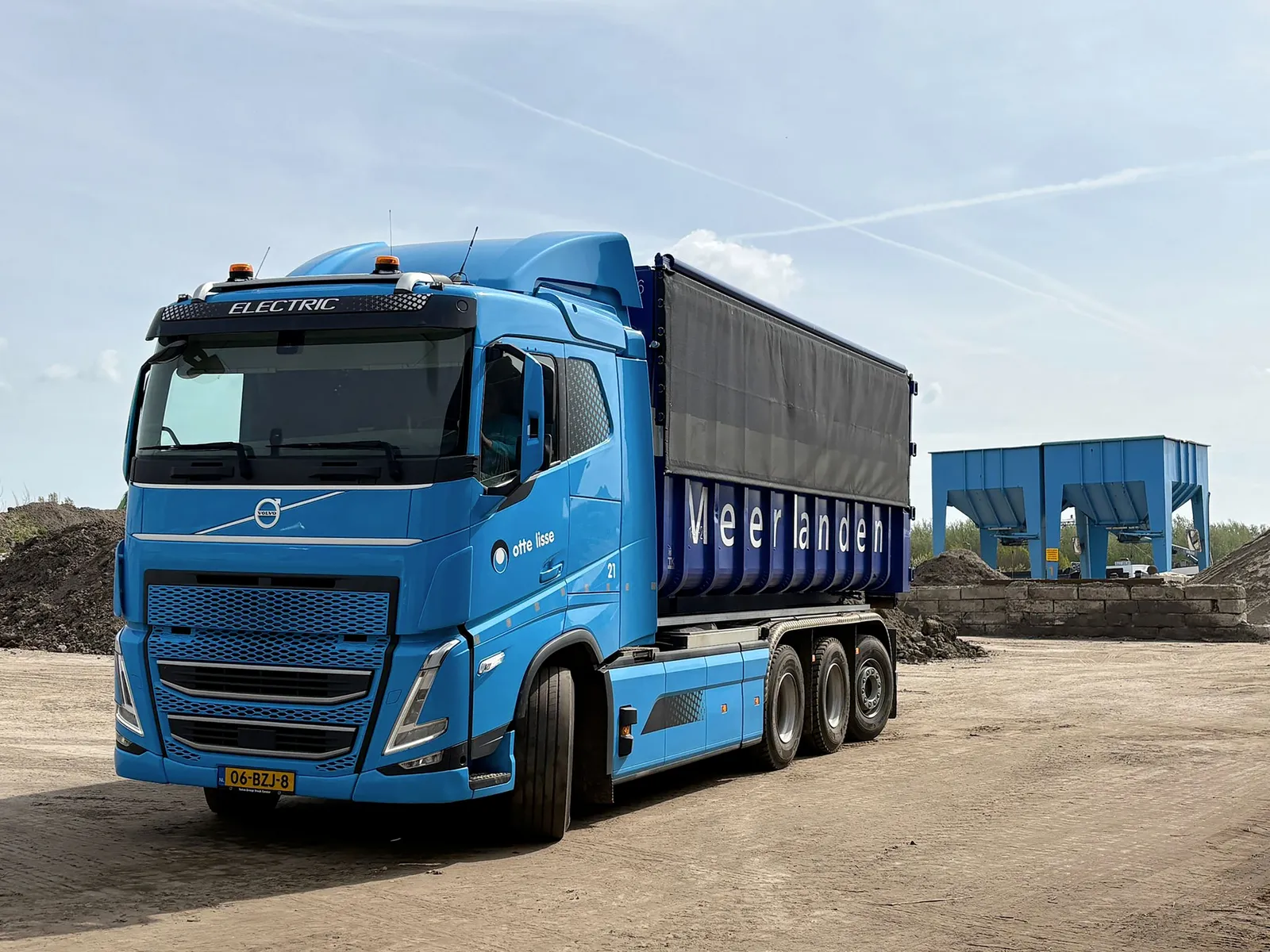
This continuity goes hand in hand with a clear change of direction: Otte is investing decisively in electric transport. Not as a marketing tool, but as a strategic move in a rapidly changing sector, under pressure from regulations, clients and practical constraints such as grid congestion.
A loyal Volvo fan
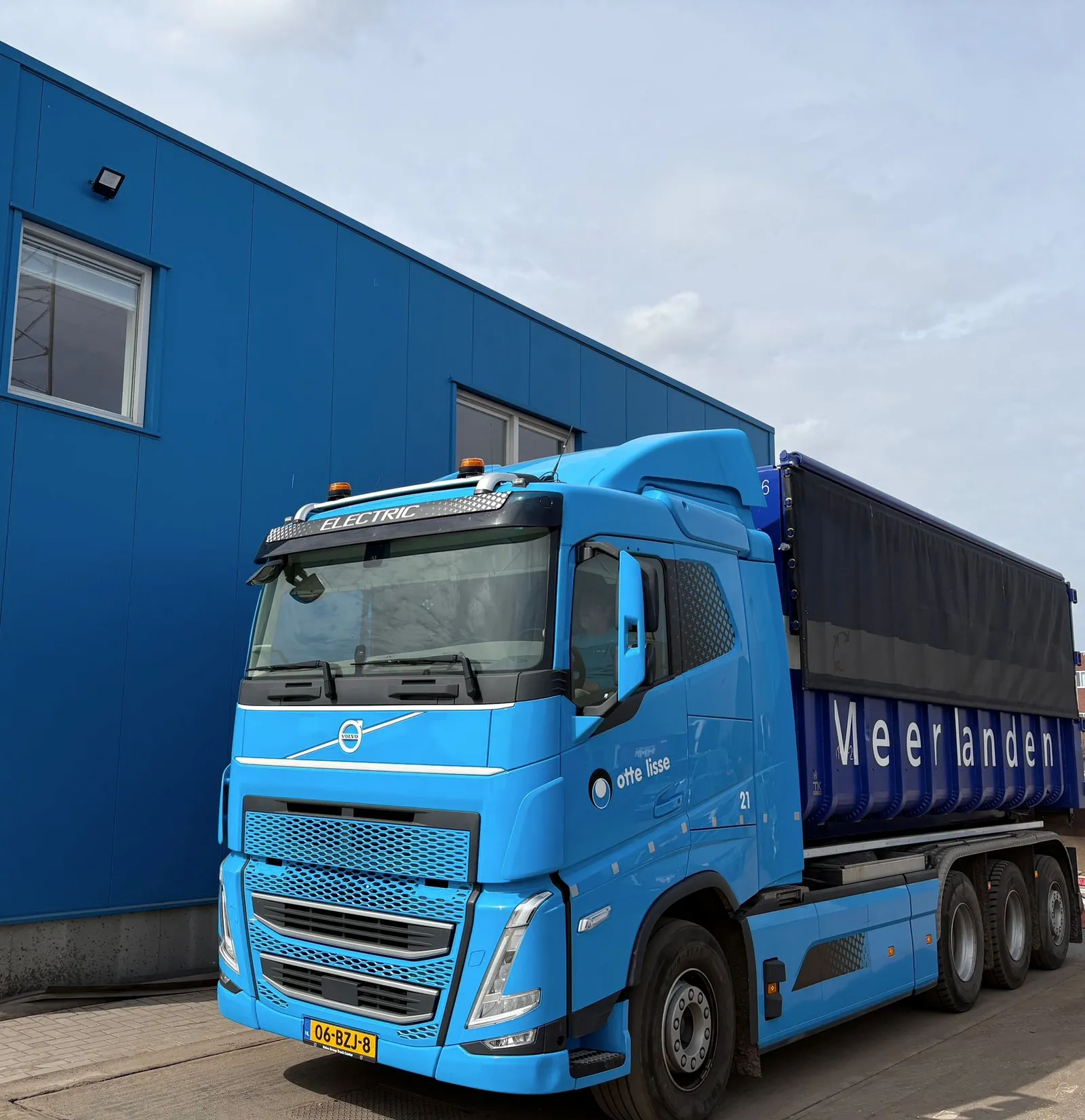
Otte’s choice of Volvo Trucks for its fleet is no coincidence. Its relationship with the brand goes back years and is deeply rooted in the business. “The whole family is pretty much a Volvo fan,” says Otte. “Even my 91-year-old father still drives a Volvo.” The gradual shift to Volvo Trucks as the mainstay of the fleet followed earlier experience with other suppliers. “When one brand stopped making Euro 6 trucks and another supplier went bankrupt, we turned to Volvo Trucks. And we were pleased with them.”
The Swedish brand was also a natural partner for the move to electrification. “Volvo was demonstrably ahead in electrification,” says Otte. “I also went to Sweden to see the developments with my own eyes.”
Investing before it becomes mandatory
The decision to buy electric trucks was partly driven by regulations, but also very much by personal conviction. “I’ve always been someone who thinks: if something new comes along, that’s going to be the future.”
That mindset had already led to investment in solar panels, and now in electric trucks. The fleet currently includes two Volvo trucks with electric drivetrains, with plans to expand. “It’s a substantial investment. You get a subsidy, but the cost is still higher than for a diesel truck.”
Even so, Otte sees it as essential, not only because of future regulations such as the truck road charging scheme, but also because clients are increasingly asking for it. “For projects, for example along the A44, the specifications say that part of the work must be carried out using electric vehicles. We can now offer that.”
Planning, puzzling and switching things around
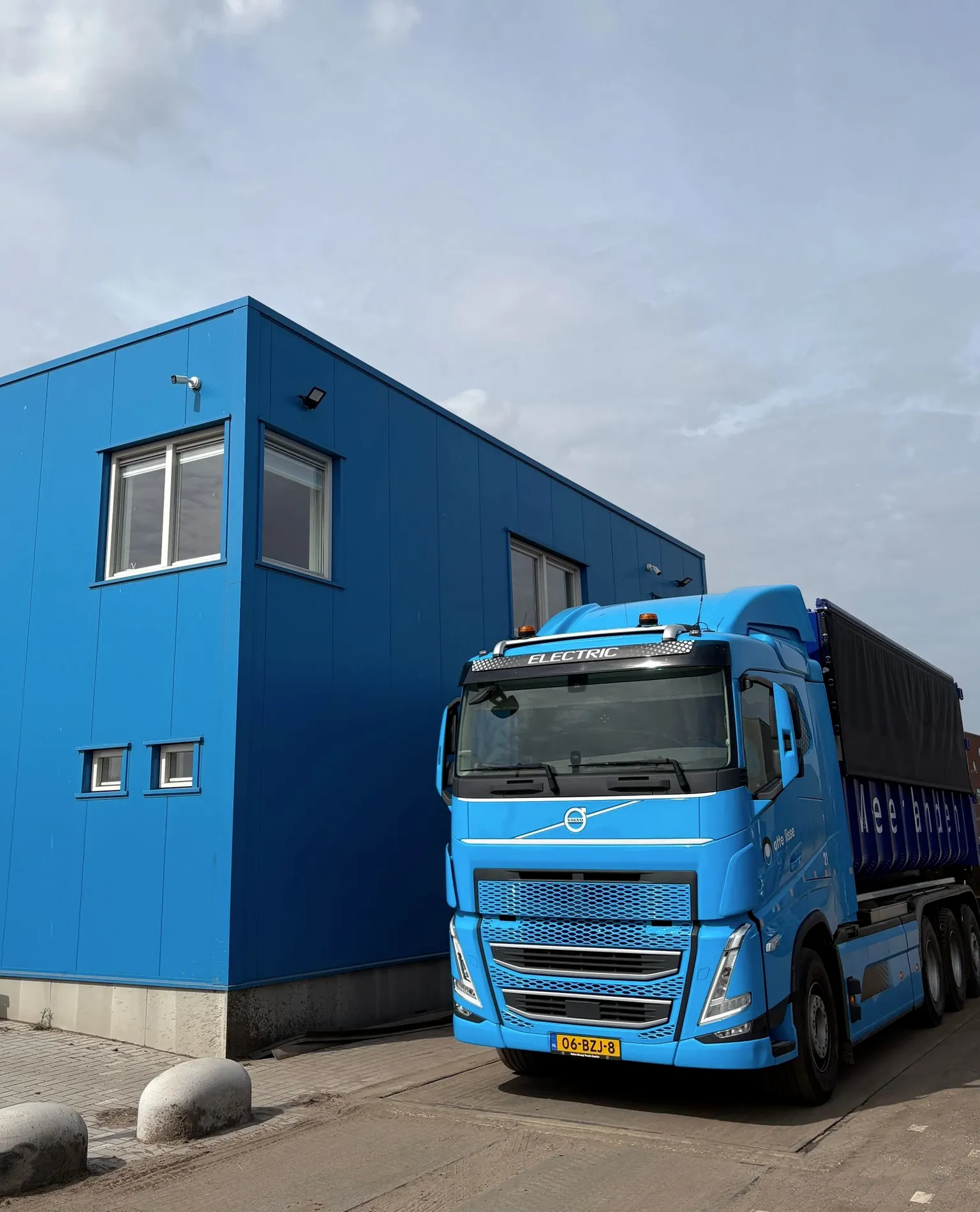
The move to electric driving has a direct impact on day-to-day operations. Whereas diesel trucks can be kept in service almost continuously, electric transport requires tighter planning. “At the moment, our own site has limited charging capacity for the electric trucks,” says Otte. “So we have to charge them in turn. That means drivers start swapping vehicles around. We’re still working out what works best.”
For now, the electric trucks are therefore mainly used for shorter trips. “Their range calls for targeted deployment, so we’re currently using them mainly locally. The next generation will be able to go further.” Digital support also plays a part. Volvo Connect gives the company visibility of vehicle status, energy consumption and truck availability. “That’s useful. We can see things like the remaining range and adjust our planning accordingly.”
Grid congestion is the biggest bottleneck
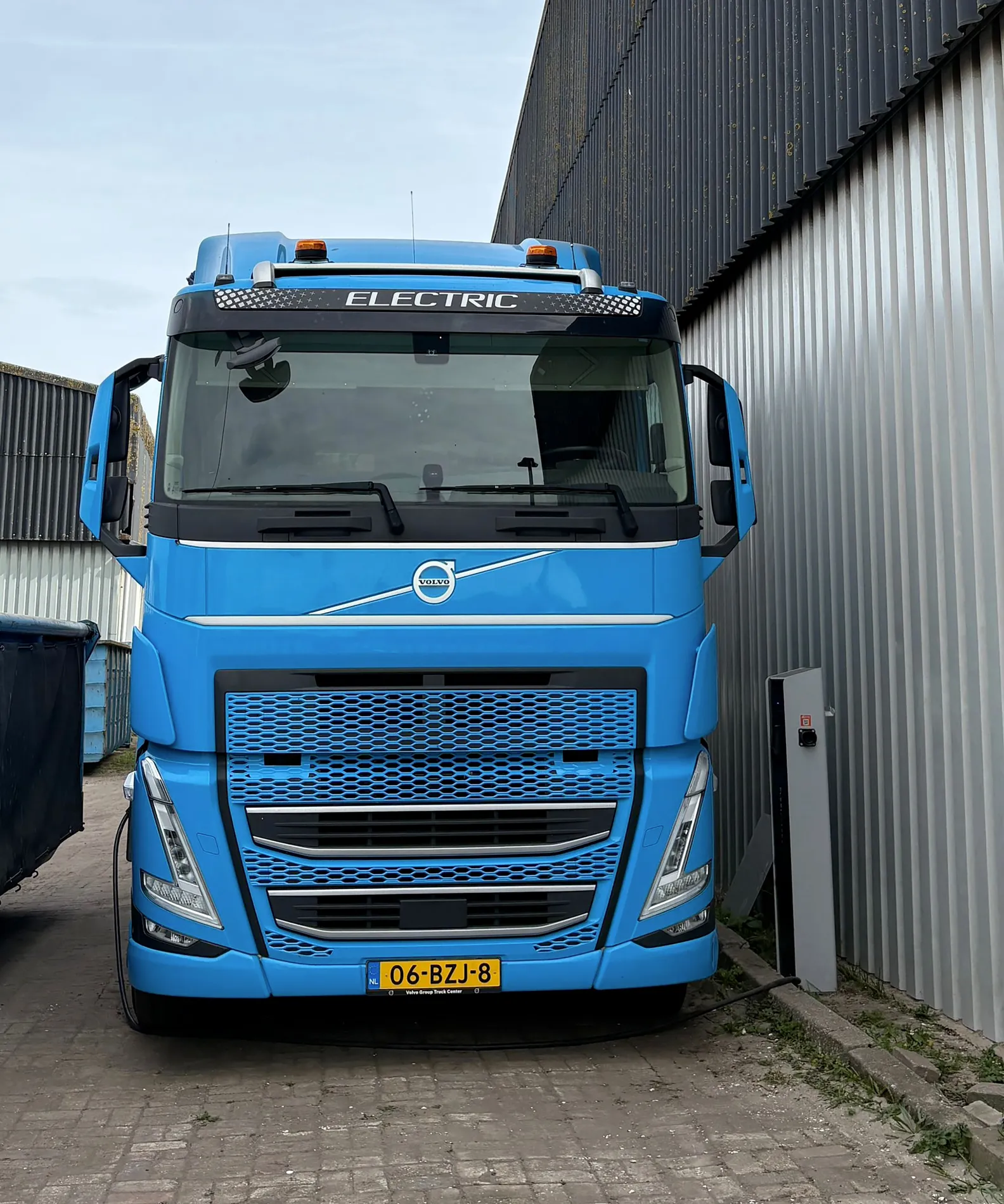
The biggest challenge, however, is not the trucks themselves, but the energy supply. Grid congestion is visibly slowing the expansion of electric transport. Ironically, Otte has leased space next to its own site for a charging hub with sixty charging points. “But I actually don’t have enough capacity for my own use.” A higher-capacity grid connection is no short-term solution. “That will simply take years.” The company is therefore looking for alternatives. One option being developed is a combination of solar panels and battery storage. “We draw a little power from the grid continuously and supplement it with energy from the solar panels. We store that in batteries.”
Work has now begun in Lisse to prepare the site for charging posts and batteries from Floading. This is Otte’s way of gaining control over its own energy supply, independently of the grid’s limitations.
Drivers: from resistance to preference
There was initially resistance to electric driving among the workforce. “Drivers say at first: I just want to keep driving diesel.” But attitudes change quickly once they try it. “Once they’ve driven one, they often don’t want to go back. It’s quieter and simply more comfortable to drive.” Otte draws a parallel with earlier technological changes: “Drivers didn’t want automatic gearboxes either. Now no one wants anything else.”
Costs and competitive position
Financially, electric driving can still be a challenge.
Otte still passes on a surcharge to clients, although the difference is shrinking. “In recent weeks, we’ve seen the gap with diesel narrow quickly.” External factors are also starting to work in electric transport’s favour. Rising diesel prices and the forthcoming truck road charging scheme are part of the picture. “The forthcoming kilometre charge will make electric driving considerably more cost-effective in relative terms.” Demand from clients is also growing. Although clients do not always say so explicitly, Otte has noticed that electric driving is increasingly becoming a requirement in tenders.
Getting ahead through trial and error
The transition to electric transport at Otte Lisse has not been entirely smooth. From limited charging infrastructure to grid congestion and higher investment costs, the realities are challenging. Even so, there is a strong sense that this direction is inevitable. “You see some transport operators dropping out and returning their subsidies,” says Otte. “But I think it will go ahead.” With Volvo Trucks as a long-standing partner, a growing electric fleet and investment in its own energy supply, the family business is positioning itself firmly for that future. Not because it is easy, but because standing still is no longer an option.
●
Question about this story? Ask your question
Keep following this
Get an email when a new story is published. No account needed.
- SubjectMachines & equipment